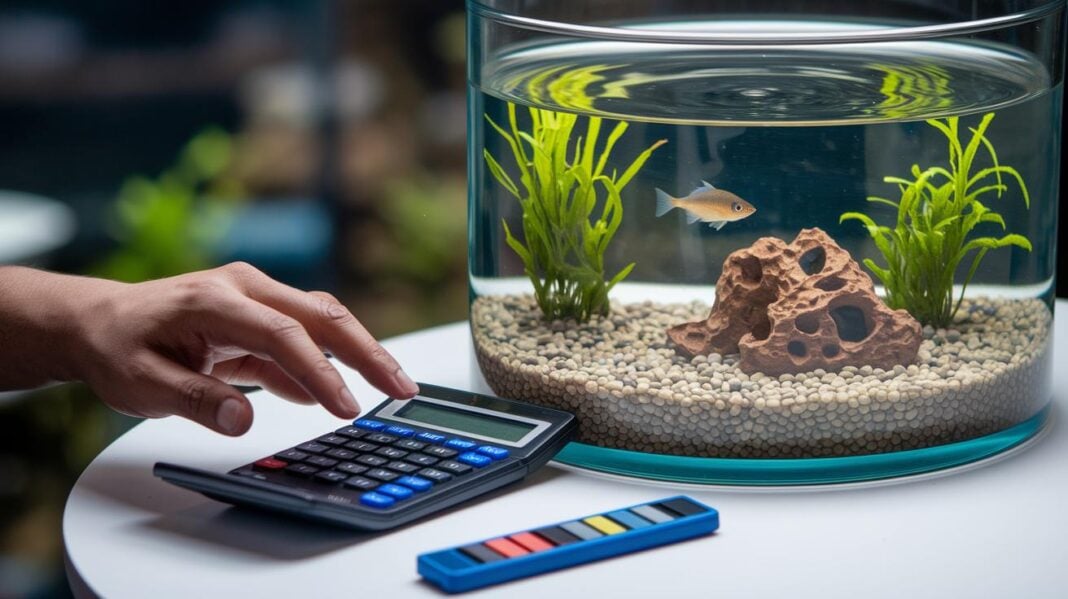

Ever notice how a little water change can bring your aquarium to life? It’s like discovering a gentle current that makes your fish smile and your plants shine. The right amount of water swap is the secret to keeping everything balanced and healthy.
In this easy guide, you'll learn a simple method to decide how much water to change each time. Get set to enjoy clear, step-by-step tips that will help you care for your underwater world with ease.
Calculate Your Ideal Water Change Percentage: Step-by-Step Guide
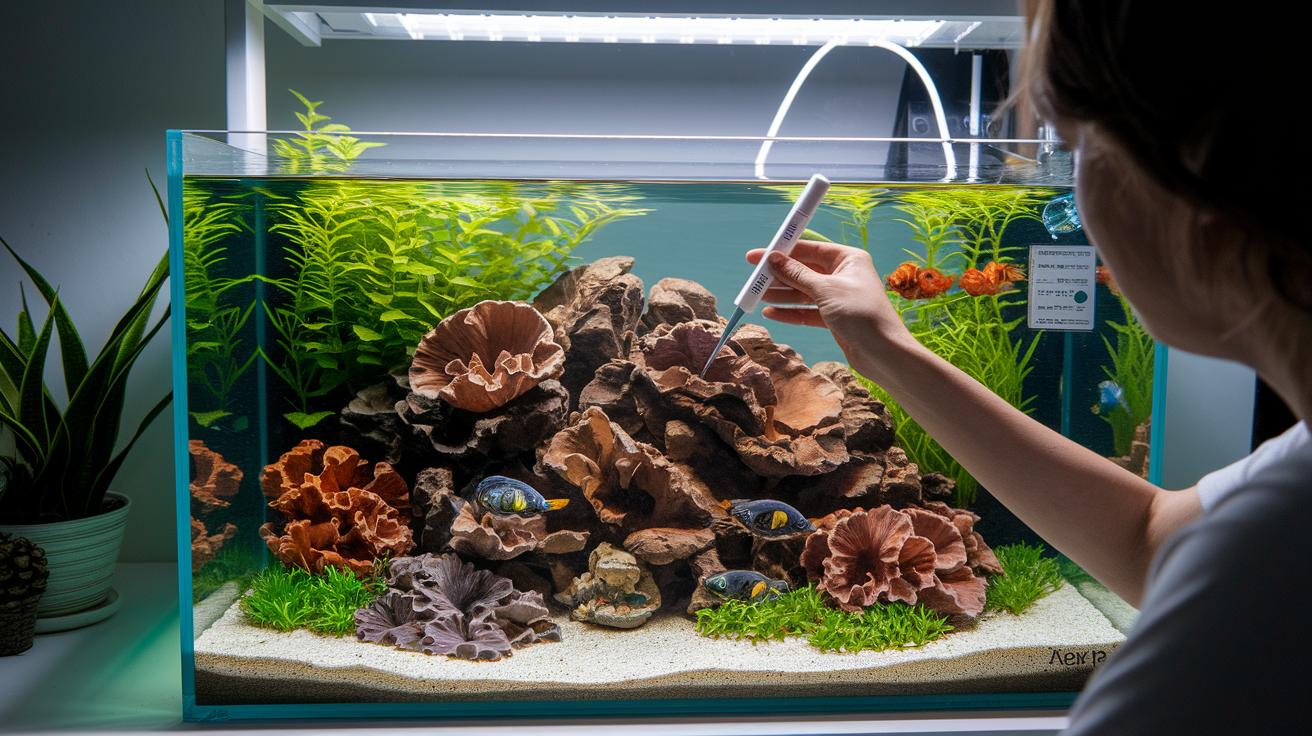
Even a small adjustment in water can ripple through your tank, affecting your fish, plants, and the overall vibe, much like a gentle current that can nudge a school of fish. Knowing exactly how much water to remove is like keeping your aquarium garden in perfect bloom.
- First, figure out your tank's total volume. Whether you measure in gallons or liters, this is your starting point.
- Next, decide how often you want to tweak your water. Maybe a 50% change once a week works, or perhaps a 25% change twice a week is better, depending on how lively your underwater world is.
- Then, use the simple formula: Vremoved = Vtank × (P/100). Here, P is the percentage you want to change, so you know how much water to remove.
- Afterwards, check your nitrate levels. If they're too high, you might need to remove more water; if they're lower than expected, a smaller change could do the trick.
- Also, consider the life in your tank. A busy aquarium with lots of fish or plenty of plants might need a different water change percentage to keep everything balanced.
- Finally, verify your results with water-parameter test kits. Regular testing helps you see what’s working and if any changes are needed.
Tailoring your water change percentage to your tank’s unique setup is like fine-tuning an instrument. It helps ensure that your fish and plants thrive in a balanced, vibrant environment. Enjoy watching your aquatic haven flourish!
Understanding the Water Change Formula for Aquariums
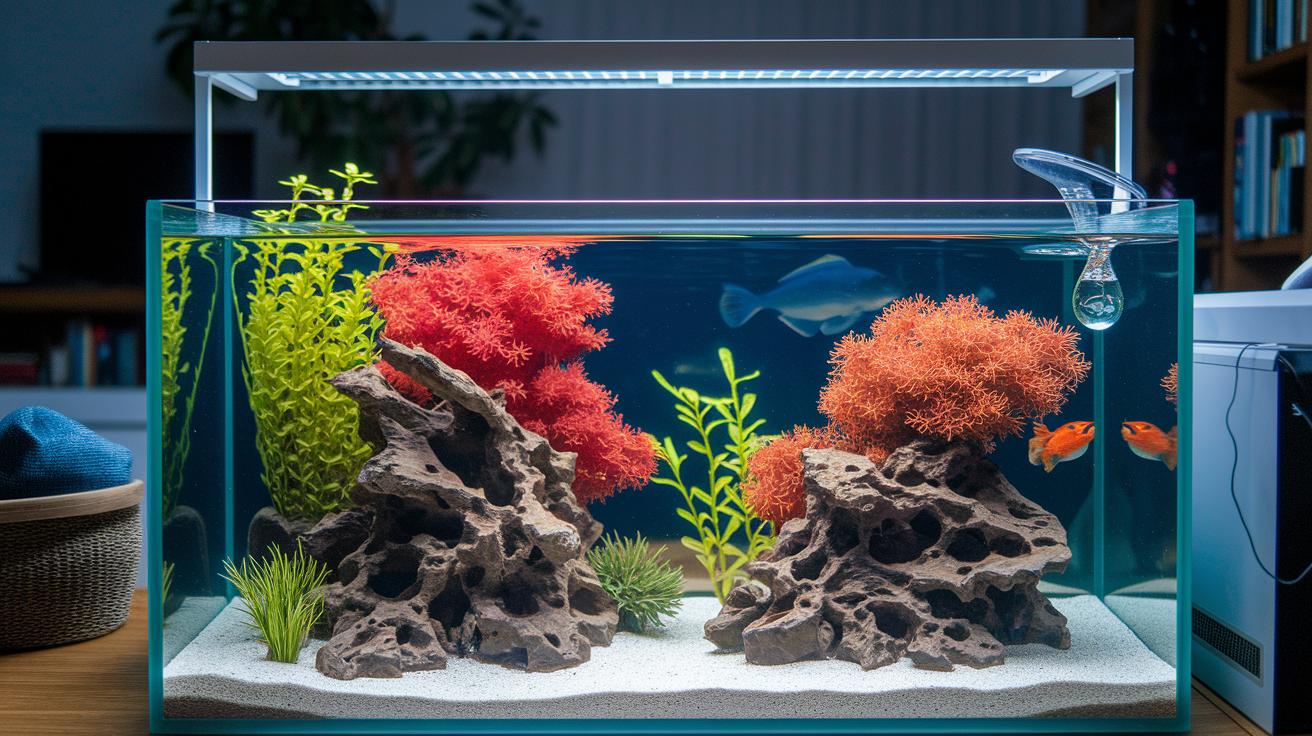
Figuring out the right water change for your tank is a bit like tuning a gentle current in your own underwater haven. You can easily work it out with a simple formula that tells you exactly how much water to swap.
The formula goes: Vchange = Vtank × (P/100). In this equation, Vtank is the total water in your aquarium, P is the percent of water you want to change, and Vchange is how many gallons you take out. Think of it like this: if you decide on a 50% water change, you replace half of your tank’s water. Many aquarists find that doing a 50% change once a week or a 25% change twice a week keeps everything sparkling and balanced.
For instance, if you have a 20-gallon tank and want a 30% water change, you remove 20 × (30/100) which equals 6 gallons. And if your tank holds 50 gallons, a 50% water change means you swap out 50 × (50/100) to get 25 gallons refreshed.
| Percentage | Removal Volume (gal) |
|---|---|
| 10% | 5 |
| 20% | 10 |
| 30% | 15 |
| 50% | 25 |
Factors Affecting Your Ideal Water Change Percentage
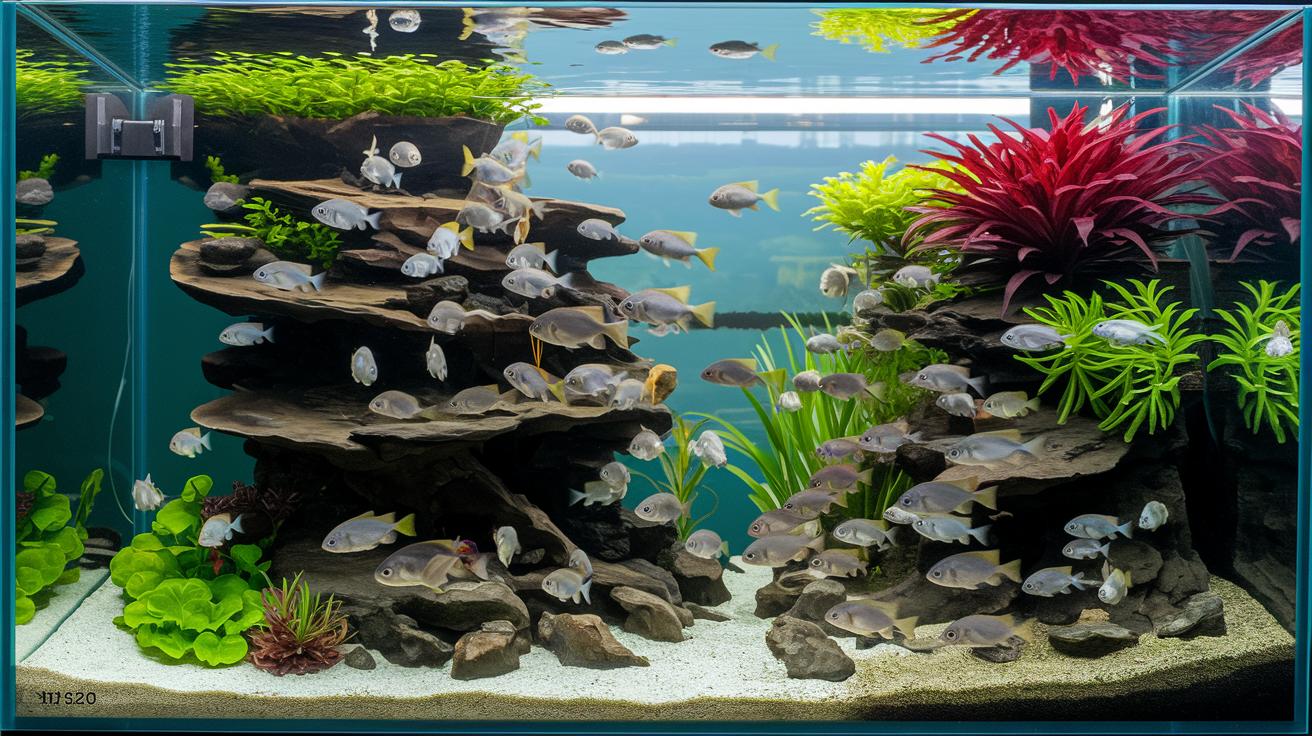
When you have a busy tank full of lively fish and plenty of plants, you naturally end up with more waste. More fish and plants mean that nutrients like nitrates and phosphates build up faster in the water. I remember when my tank was teeming with life, even adding a bit more plant cover made a clear difference. It really drove home that the number of fish and plants plays a big role in deciding how often and how much water to change.
The quality of your source water is another big factor. If your tap water is hard or has traces of heavy metals, you might want to stick to water changes between 10% and 20% to keep things steady. Some tank decorations, like Seiryu stone, can boost your water's hardness slightly. That’s why many aquarium enthusiasts aim for around a 30% water change to maintain balance while keeping our underwater friends stress-free.
Finally, matching your water change routine to your nitrate goals and the needs of your specific species is key. Regular nitrate tests help you find that perfect percentage to keep your fish and plants happy. If you have species that are extra sensitive, smaller and more frequent changes might do the trick. This careful approach builds a safe and balanced environment for your little aquatic world.
Setting Up Your Aquarium Water Change Routine
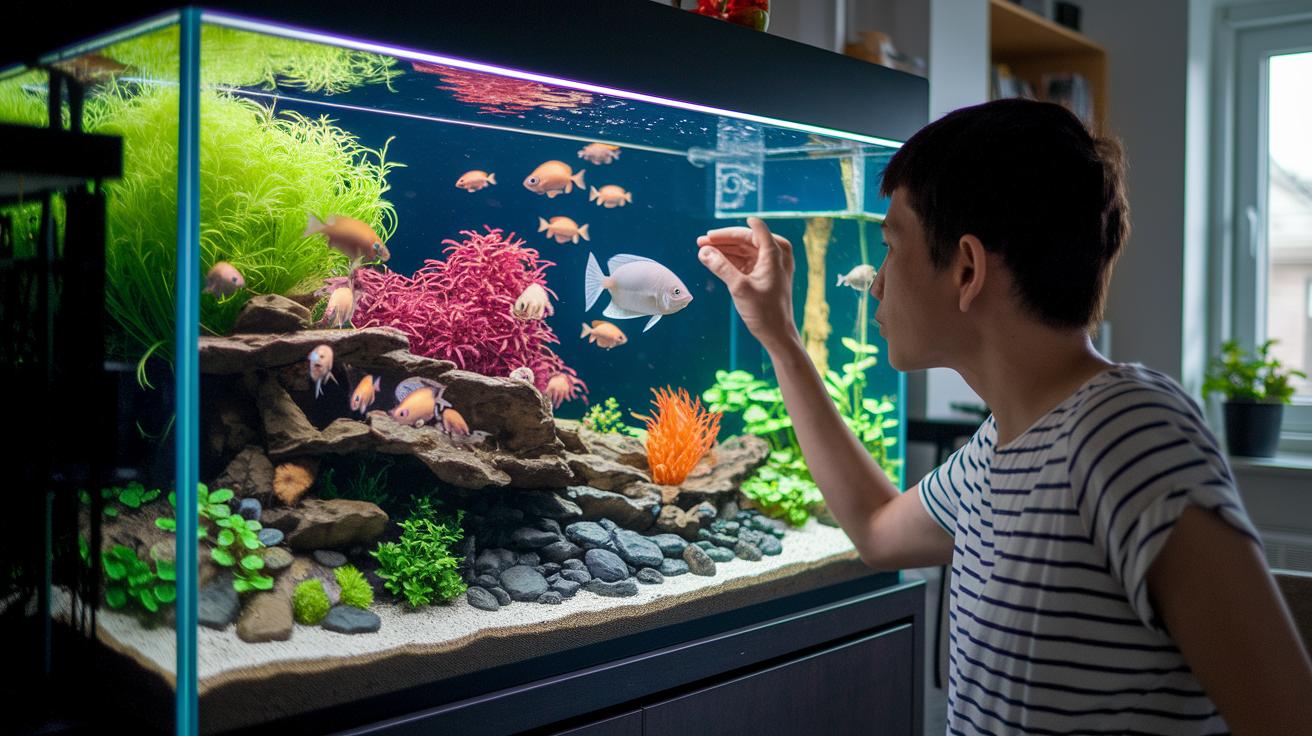
If your tank is bustling with fish and vibrant plants, a weekly water change usually keeps everything clean and balanced. But if your setup has just a few fish or only a few plants, changing the water every 2 to 4 weeks might be enough. And if your tap water is almost perfect, you might even go for a bigger refresh, up to 50 or even 100 percent, though many aquarists stick with a safe 30 percent when they aren’t sure about their tap water.
How often you change the water really depends on how busy your tank is. For example, if you have a lively, active aquarium, you may need more frequent changes than if it’s a peaceful, quieter space. Curious for more details? You can visit this link here: how often should you change aquarium water to see examples that might spark some ideas.
A handy tip is to set reminders on your phone or calendar so you never miss a change. And after each water change, take a moment to jot down the water parameters. This simple tracking not only helps you see how things are going but also lets you adjust your routine so your aquatic friends always enjoy the best water possible.
Equipment and Best Practices for Precise Water Exchanges
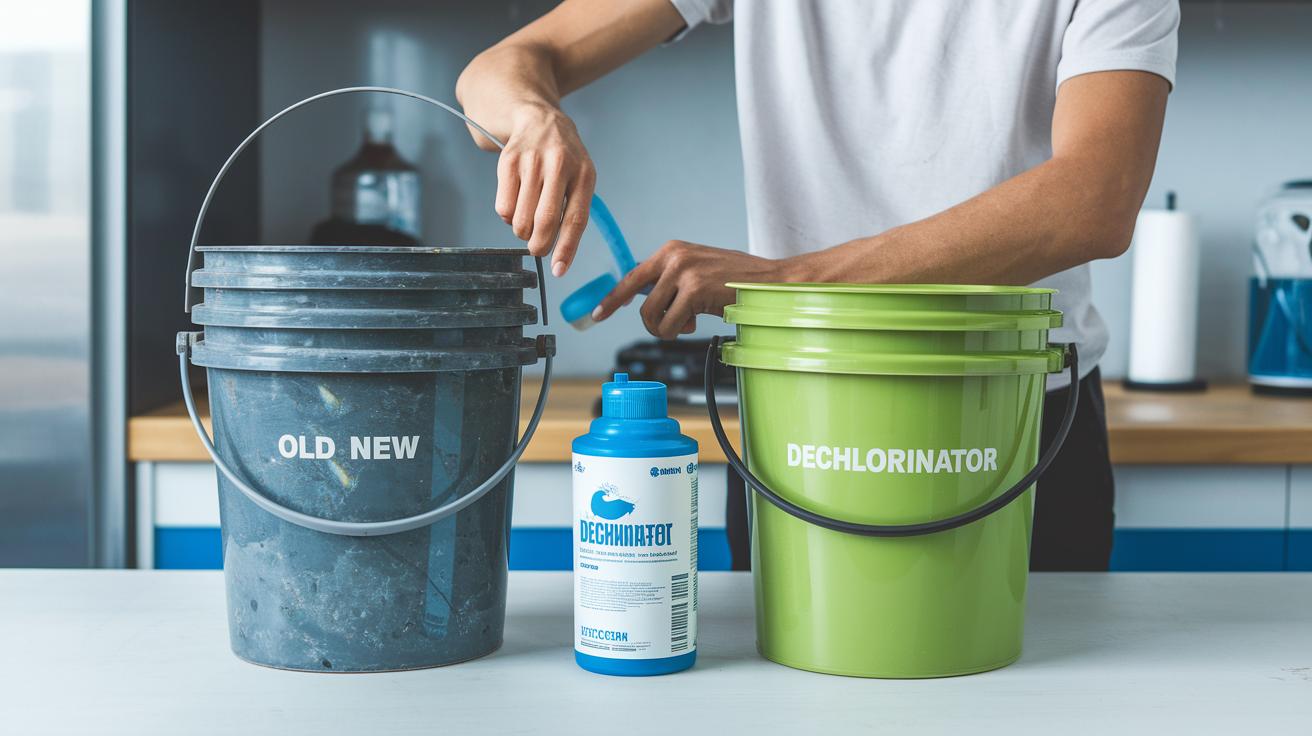
Before you begin, gather all your trusty tools. You'll need siphon hoses, two clean buckets marked “old” and “new,” a dechlorinator to clear your tap water of chemicals (keeping your tank’s friendly bacteria safe), and an aquarium-safe thermometer so you can check that everything is just right. Think of it like prepping your gear before a fishing trip, you want everything set up for a smooth experience.
Next, get your new water ready. Treat it with a dechlorinator to protect the good bacteria in your aquarium. And remember, you should aim to have your new water's temperature within 5°F of your tank's current temperature. This little detail makes a world of difference for your fish and invertebrates, kind of like making sure your dinner ingredients are at the right temperature when you cook.
Then, follow a simple 5-step routine for the water change. Start by gently siphoning out the old water so you don't disturb the gravel or sand at the bottom of your tank. Carefully remove any debris, then slowly add the treated water back into your tank at a calm pace. Keeping a close eye on your water’s quality throughout this process is key to ensuring a healthy, happy aquarium.
Troubleshooting Common Water Change Calculation Issues
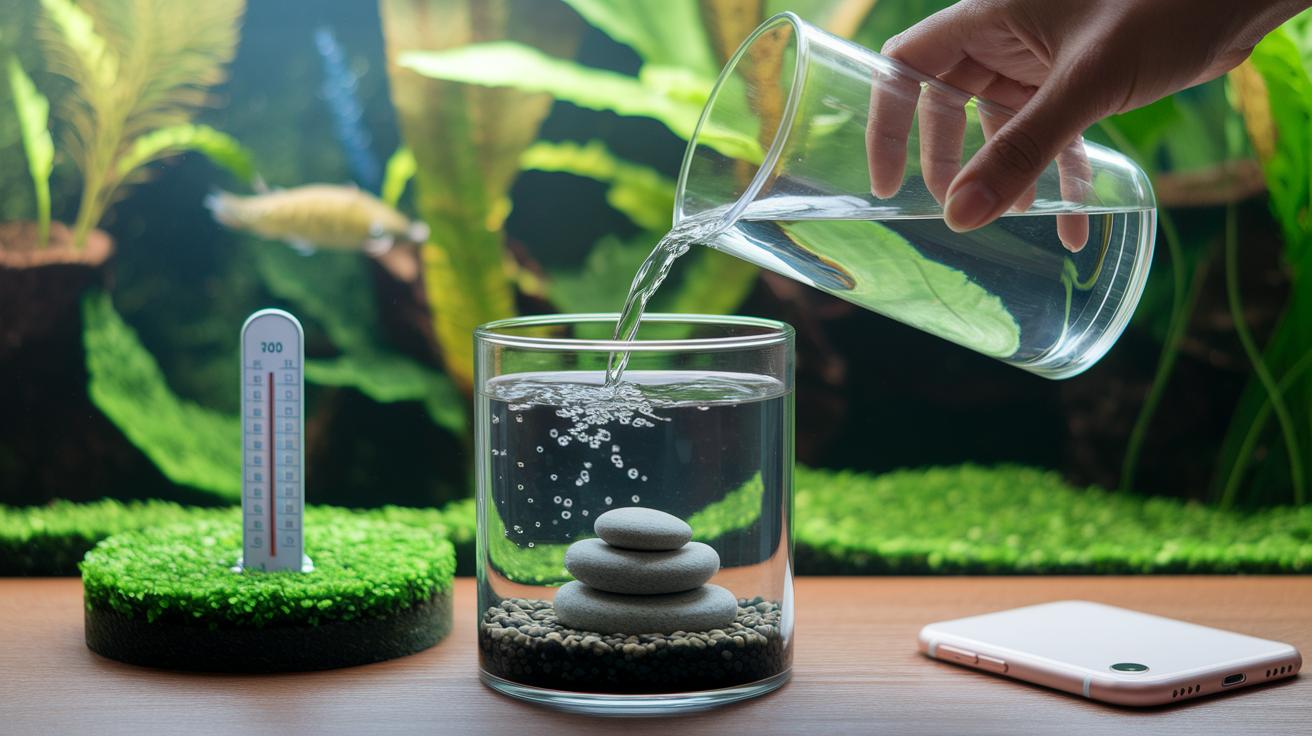
When you add new water with a temperature off by more than 5°F from your tank water, your fish could get a shock. Even a tiny difference can unsettle your underwater buddies. It’s best to warm up and mix the fresh water gradually until it matches your tank’s temperature. If you notice any quick changes, take a moment to mix it well and check with an aquarium-safe thermometer.
If your tank features Seiryu stone or similar elements, a water change over 30% might cause sudden shifts in water chemistry, like changes in carbonate hardness or even spikes in heavy metals. In these cases, smaller, more frequent changes or thoroughly pre-mixing the new water can help a lot. Think of it like blending water until it feels as smooth as a quiet stream before you add it to your tank.
When you’re unsure about how much water to remove, water-parameter test kits can be a real lifesaver. They help you confirm that the exchange volume is just right for keeping your aquatic world balanced and happy.
Final Words
In the action, we walked through calculating your water change percentage, from measuring your tank’s volume to adjusting for nitrate levels and specific aquatic needs. Each step helps you create a comfortable underwater home with a healthy balance.
Breaking down the math and practical tips shows you how to calculate the ideal water change percentage with care and precision. The guidance here keeps your tank thriving so you can enjoy moments of calm, knowing your aquatic friends are well cared for.
FAQ
How to calculate the ideal water change percentage for a fish tank or aquarium?
The ideal water change percentage is computed by multiplying your tank’s total volume by your chosen percentage (using Vremoved = Vtank × (P/100)). This calculation keeps your aquatic home balanced.
What is a water change calculator and how does it help?
A water change calculator quickly computes the exact volume of water to replace based on your tank’s size and target percentage, making water changes straightforward and precise.
How does a water change alkalinity calculator work?
A water change alkalinity calculator compares the alkalinity levels of your tap and tank water, helping you adjust the change percentage to maintain stable pH levels for your aquatic pets.
What does a water treatment calculator do for aquariums?
A water treatment calculator estimates the correct amount of dechlorinator or water conditioner needed by factoring in your tank volume and water parameters, ensuring safe treatment.
How do aquarium water parameters calculators support water changes?
Aquarium water parameters calculators assess pH, ammonia, and nitrate levels, guiding you to adjust your water change percentage to keep the environment healthy.
What is a water dosage calculator for tanks?
A water dosage calculator computes the precise amount of additives or chemicals for your tank based on its volume, ensuring balanced water chemistry with every change.
How can a tank calculator assist in water change planning?
A tank calculator quickly determines your aquarium’s total volume and helps compute the target water replacement amount, making it easier to schedule and plan routine changes.
Is a 30% water change too much?
A 30% water change typically serves as a safe baseline when tap water details are unknown, though adjustments may be needed depending on your fish species and water quality.
How to calculate your ideal water intake for an aquarium?
Calculating your aquarium’s ideal water intake involves similar principles as water change percentage—measure your tank’s volume and apply the target percentage to maintain proper water balance.
How often should you do a 20% water change?
A 20% water change is suitable for many setups, often fitting into a weekly or bi-weekly routine that helps manage waste and maintain a stable aquatic environment.
Is a 10% water change enough?
A 10% water change can be effective for tanks with a low bio-load, but you may need to adjust the frequency or percentage when nitrate levels rise or for tanks with more active inhabitants.