
Ever thought about how a simple water change can sweep away dangerous toxins from your tank? When you swap out some water, you're giving your nitrogen cycle a gentle nudge, this cycle is the process that transforms harmful ammonia into milder compounds. The result is a tank with fewer bad chemicals and a boost of fresh oxygen, kind of like opening a window to let in a cool breeze. This refreshing ritual keeps the water balanced and your fish feeling right at home.
Today, we’ll dive into how water changes work with the nitrogen cycle so you can keep your aquatic world safe and thriving.
How Water Changes Impact the Aquarium Nitrogen Cycle
Regular water changes help your tank by washing away harmful chemicals. The nitrogen cycle turns dangerous ammonia into nitrite and then into a safer form called nitrate. When you swap out some of the tank water, you lower the levels of ammonia, nitrite, and nitrate. This little refresh works fast to reduce toxins and adds fresh oxygen so your fish can breathe easier.
Think of it like opening a window in a stuffy room, each water change gives your aquarium a breath of fresh air. Consistent changes also help keep the pH and water hardness steady, which is important because sudden shifts can stress your fish and upset the helpful bacteria.
By doing regular partial water changes, you also remove bits of organic debris that bad bacteria love to use. Every time you refresh the water, you cut down nitrate levels by about 10 to 25%. This steady clean-up keeps your tank balanced and your fish happy over time.
Stage-by-Stage Breakdown of the Nitrogen Cycle During Water Changes
Water changes do more than simply freshen up your tank, they guide a natural process that turns harmful waste into less dangerous substances. Over a period of about 2 weeks to 2 months, fish waste and bits of decaying food slowly transform into ammonia, then nitrite, and finally nitrate. This gentle process not only keeps your fish happy but also supports the little bacteria in your filter that work hard to keep the water clean.
Stage 1: Ammonia Accumulation
In the beginning, waste from your fish and leftover food creates ammonia. The tricky part is that ammonia comes in two forms: a toxic one called NH3 and a less harmful one called NH4. The balance between these forms depends on your water’s pH. A higher pH means more of the bad NH3 is present, which can stress out your aquatic pals. It’s a bit like mixing ingredients for your favorite recipe; even a small change in the mix can make all the difference. Ever notice how one little misstep can turn a great dish sour?
Stage 2: Nitrite Formation
Next up, friendly bacteria known as Nitrosomonas get to work. They feed on the ammonia and turn it into nitrite, another compound that can be harmful if it builds up too much. Your filter media is like a cozy home for these bacteria. That’s why you should avoid rinsing your filter with tap water, which often has chlorine, and try not to shut off your filter for more than 2 hours. Keeping these conditions just right helps the nitrite get handled before it becomes a problem.
Stage 3: Nitrate Development
Finally, the Nitrobacter bacteria step in. They take the nitrite and convert it into nitrate. While nitrates are less dangerous, too much, especially levels above 20 ppm, can still stress your fish. Regular water changes help keep nitrate levels in check, ensuring that your tank remains a healthy and balanced home for your aquatic friends.
Monitoring and Adjusting Chemical Parameters During Water Changes

It’s important to check your water every time you change it. I use a handy 7-in-1 test kit (or liquid tests) both before and after a change. This helps catch any sudden chemical spikes that might stress your fish. Keeping an eye on the pH, ideally between 6.5 and 7.7, helps create a cozy home for your aquatic friends.
General hardness, or GH, tells you how much calcium and magnesium is dissolved in your water. When your GH matches your tank’s needs, it helps avoid shocking your fish. Also, you want ammonia and nitrite levels to be at zero. That means your beneficial bacteria are working just as they should. Keeping nitrate below 20 ppm is also important since too much over time can stress the fish.
By checking these values all the time, you make sure the nitrogen cycle runs smoothly. And don’t forget to adjust the new water’s temperature, pH, and GH so it’s just like what’s already in your tank. This careful balance helps prevent sudden changes and keeps your fish safe and happy.
| Parameter | Safe Range | Impact on Cycle |
|---|---|---|
| pH | 6.5 – 7.7 | Helps keep water balanced for both bacteria and fish |
| Ammonia | 0 ppm | Shows fish waste is being broken down properly |
| Nitrite | 0 ppm | Indicates our beneficial bacteria are converting waste as needed |
| Nitrate | Below 20 ppm | Too much can stress your fish, so regular checks are key |
Optimizing Biological Filtration and Bacteria Support During Water Changes

When you change your water, it’s key to treat your filter media with care. Use fresh, chlorine-free water because chlorine can hurt your friendly bacteria that work hard to keep your tank safe. And don't rinse your media with tap water, its chlorine rush can kill off those important nitrifying bacteria. Keep your filter on as much as you can; turning it off for over two hours can interrupt the natural process that turns ammonia into safer compounds.
After a water change, your tank might need a little extra help to get its bacteria back in full swing. Consider adding live bacterial supplements or using media from a well-established aquarium. This small boost can help your bacterial colonies bounce back fast, keeping ammonia levels low and your tank's waste processing running smoothly.
If your tank produces less fish waste, try using a low-phosphorus fertilizer every now and then to feed your beneficial bacteria. When your filter flows steadily, it spreads these nutrients evenly, helping your biofilter work at its best. This balanced method keeps your tank’s nitrogen cycle stable and creates a safe, healthy home for your fish and other aquatic life.
Troubleshooting Nitrogen Spikes After Water Changes
Sometimes after a water change, you might notice a sudden spike in nitrogen levels that catches you off guard. This can happen when cleaning stirs up the substrate, releasing compounds that have built up over time. It may also be due to disturbing the friendly bacteria or using new water with a different chemical makeup, which can slow down the process that turns harmful ammonia into nitrite. You might see your fish gasping for air, feeling unusually tired, or notice test readings showing higher numbers than normal. Plus, any leftover bits of organic debris can start decaying, further increasing ammonia or nitrite levels and upsetting your tank's balance.
If you notice these signs, try these simple troubleshooting steps:
- Cut down on feeding and reduce waste in the tank.
- Do smaller, more frequent water changes so the tank isn’t overwhelmed by big shifts.
- Add live nitrifying bacteria to help bring the balance back.
- Check your test kit to make sure it’s giving you the right readings.
Scheduling and Performing Water Changes for Nitrogen Balance
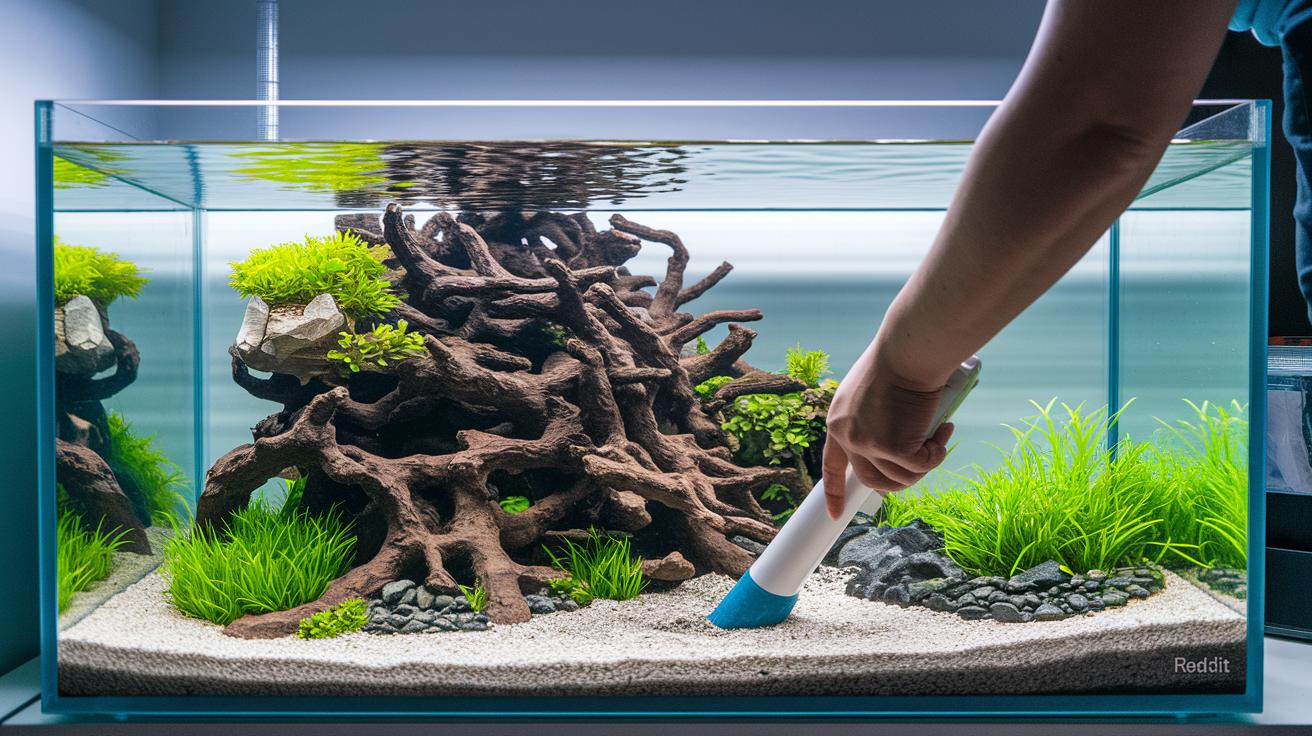
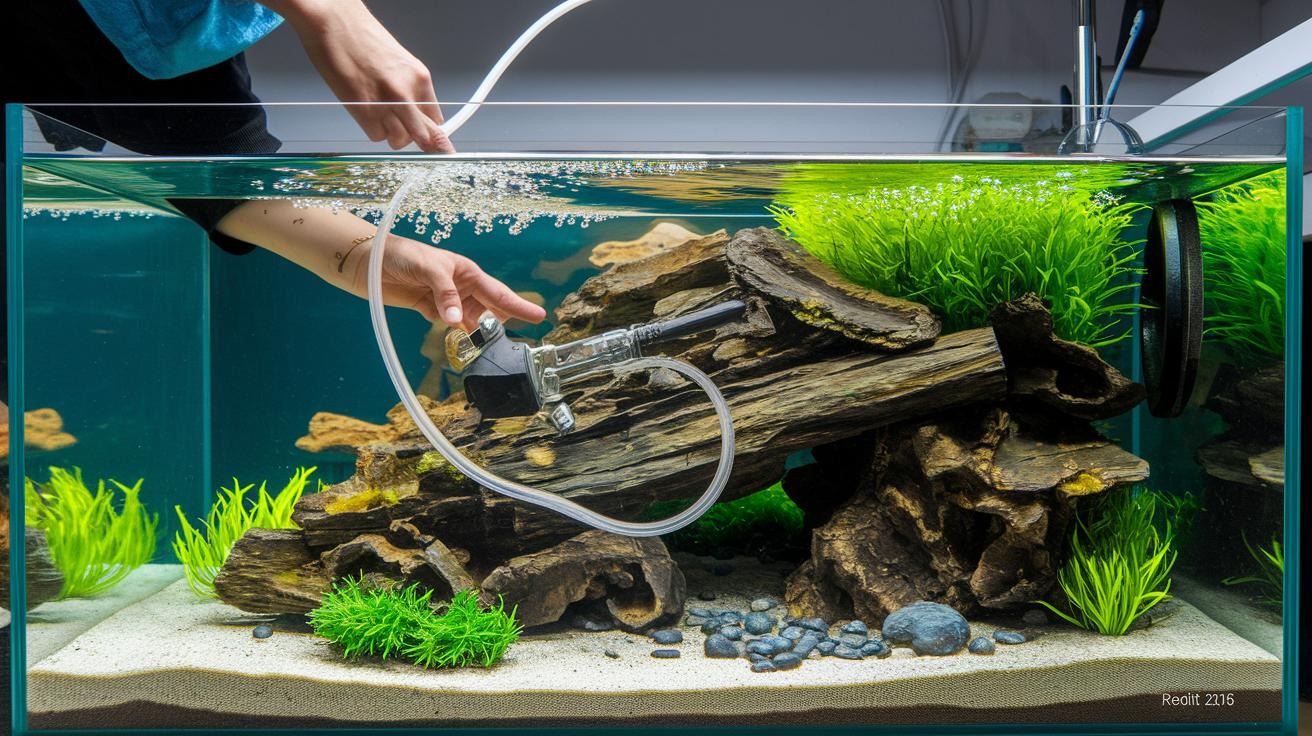
Changing 10–25% of your tank’s water each week helps keep nitrate levels low and your tank’s nitrogen cycle humming along. Using a gravel vacuum to scoop out waste from the substrate makes a big difference. Just like mixing a perfect recipe, make sure the new water matches your tank’s temperature, pH, and hardness. Treat the water with a dechlorinator, and pour it slowly so the calm flow isn’t disturbed.
Keeping a regular water change schedule helps support the good bacteria that work to break down fish waste. By carefully cleaning the substrate and preparing each water change, you’re creating a balanced home that lets your aquatic friends thrive.
Final Words
In the action, our guide walked through setting up a tank that keeps fish safe by explaining the nitrogen cycle during water changes. Regular renewals dilute toxins, smooth out pH swings, and maintain healthy bacteria living in the filter.
We covered testing water, caring for filtration, and troubleshooting nitrogen spikes. Each step supports a clear, balanced aquatic home where fish can thrive. Cheers to keeping your underwater world bright and healthy!
FAQ
How does the nitrogen cycle work in aquarium water?
The nitrogen cycle in aquarium water converts toxic ammonia from waste into nitrite and then into less harmful nitrate. This process uses bacteria that help keep the water safe for fish.
What is a simple explanation of the nitrogen cycle?
The nitrogen cycle is the way waste in your tank changes from ammonia to nitrite and finally to nitrate. This natural process makes your aquarium water safer for your fish.
How do water changes affect the nitrogen cycle in my aquarium?
Water changes dilute ammonia, nitrite, and nitrate levels while helping maintain a healthy balance. They support the bacteria that transform waste, keeping the aquatic ecosystem stable for your fish.
How can I explain the nitrogen cycle to a child?
The nitrogen cycle is like a team that cleans the tank by changing dangerous chemicals into safer ones. Regular water changes act like rinsing away the dirt, keeping the fish happy.
What does an aquarium nitrogen cycle chart or diagram show?
An aquarium nitrogen cycle diagram shows each step of waste conversion—from harmful ammonia to nitrite and then to nitrate—highlighting the bacteria that make these changes and help maintain a balanced tank.
Should I do a water change during the nitrogen cycle?
Regular water changes during the nitrogen cycle help reduce the buildup of toxins and keep the water balanced. This practice protects fish health and supports the beneficial bacteria living in your tank.