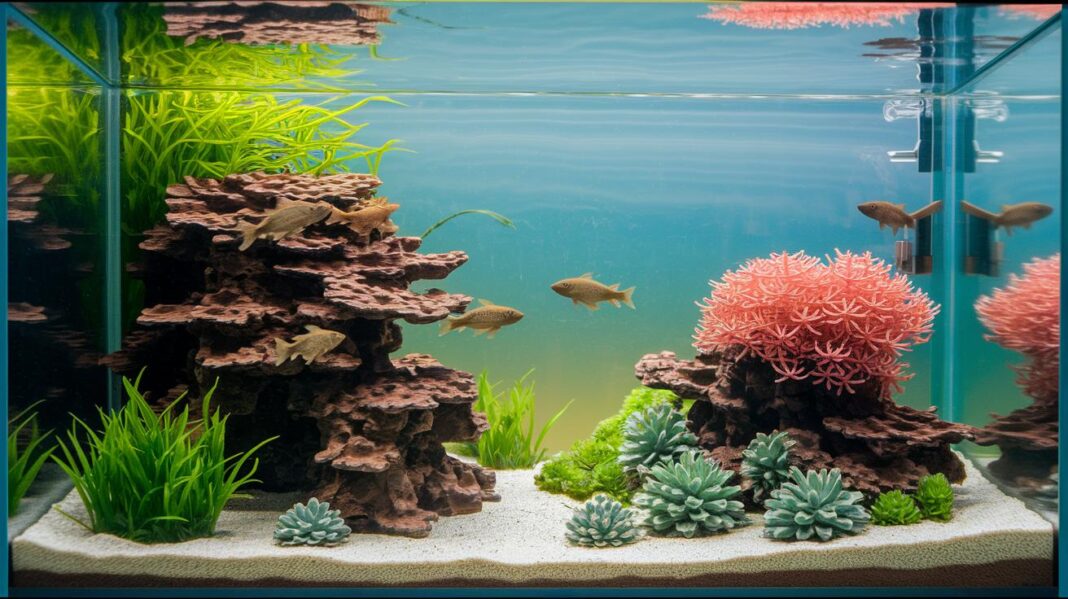

Ever wonder if skipping a water change could set the stage for unwanted little visitors in your tank? Regular water changes work like a friendly cleaning crew, washing away extra food bits that parasites can feast on. Changing out about 20 percent of your water each week helps break the parasite’s cycle, keeping your fish calm and your tank as clear as a gentle stream. This small, steady step is one that many fellow aquarists trust to keep their underwater world balanced and bright.
Water Changes and Parasite Life Cycle Disruption
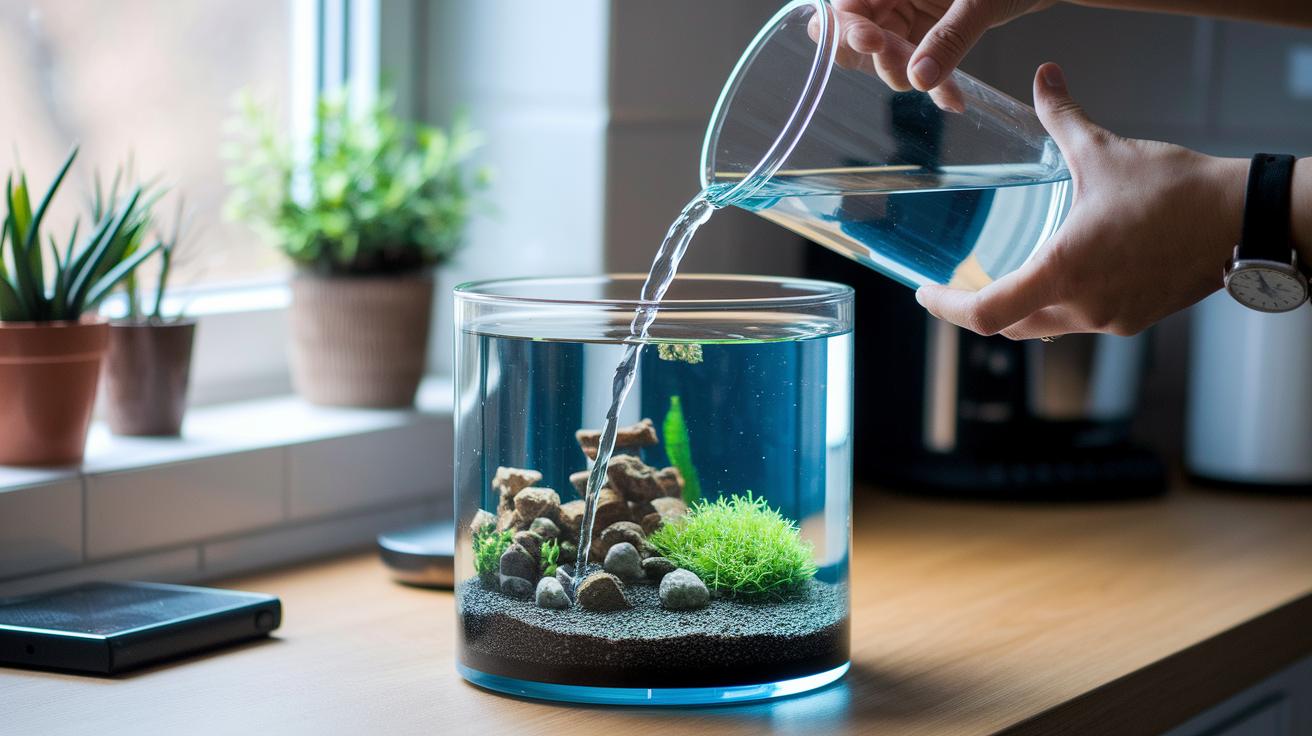
Regular water changes are like giving your aquarium a natural reset. Over time, phosphates and nitrates build up, feeding unwanted algae and parasites. When you swap out about 20 percent of your tank's water each week, it's like gently washing away a bit of the mud that accumulates. This simple step dilutes parasite eggs, larvae, and free-swimming stages, keeping the tank cleaner.
Small, routine water exchanges really mess with the parasite life cycle. By changing a little water regularly, you're cutting off their steady food supply and stopping them from multiplying. A big, sudden water change might shock the water balance, which can backfire and let parasites bounce back. Think of it like cleaning a window a little each day instead of scraping it all at once, steady care gives you a clearer view.
Key benefits include:
| Benefit | Description |
|---|---|
| Less food for parasites | Lower nutrient buildup keeps unwanted critters from thriving. |
| Stress-free fish | Balanced water chemistry helps your fish feel relaxed and healthy. |
| Broken parasite cycles | Interrupting their reproduction means fewer pests in your tank. |
This steady approach not only lowers the risk of an outbreak but also helps maintain a healthy, stable aquarium. It's a simple yet powerful tactic that many aquarists swear by. Regular water changes act as a natural barrier, constantly keeping the parasites' food supply in check. Small but consistent care makes a big splash when it comes to overall tank health.
Scheduling Water Changes to Maximize Parasite Control
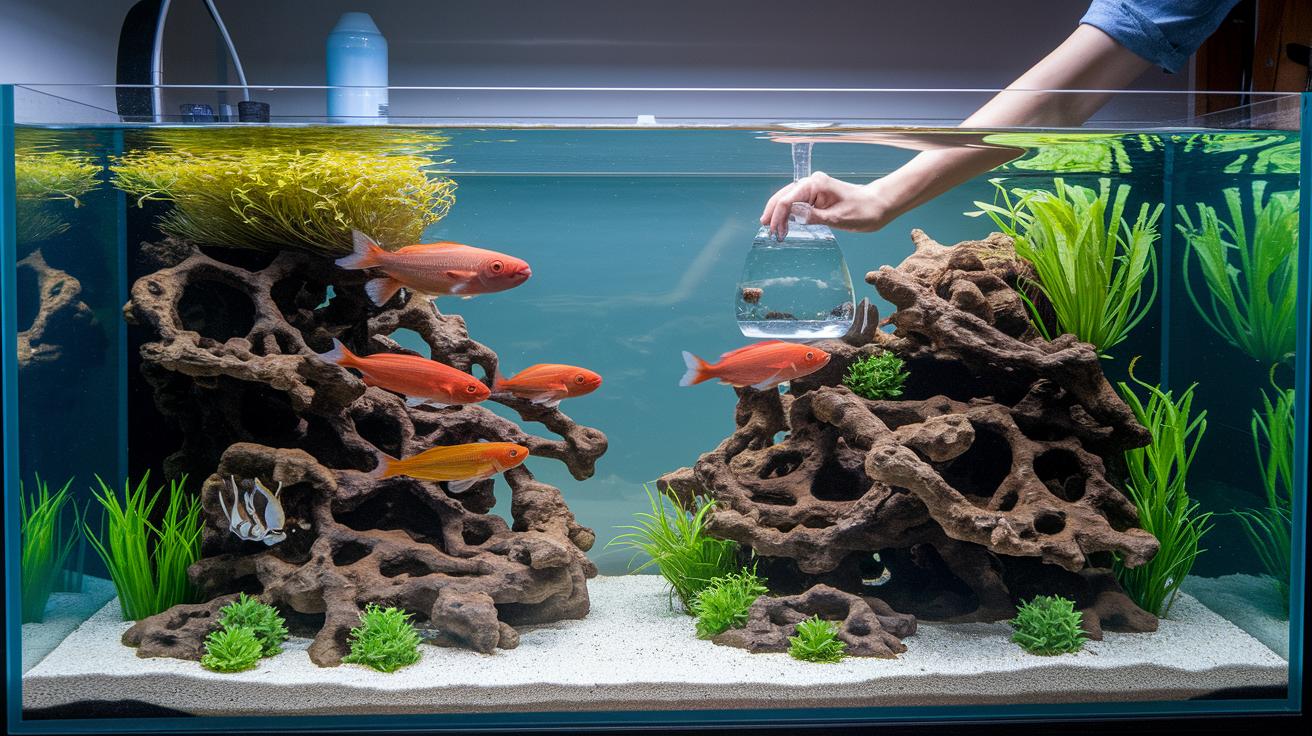
Try swapping out 20% of your tank’s water every week. This gentle fix helps keep your water chemistry balanced and eases stress for your fish. It slowly dilutes parasite eggs without causing sudden changes in temperature or pH. Think of it as guiding your fish into a cool, refreshing stream, almost like setting a soft alarm to gently wake you up.
Next, take a moment to understand what your plants and aquatic pets need. Pick one day each week for your water change so your routine stays steady. And if you need more advice on how often to refresh the water, check out your favorite aquarium care guide.
Best Practices for Effective Parasite-Fighting Water Changes
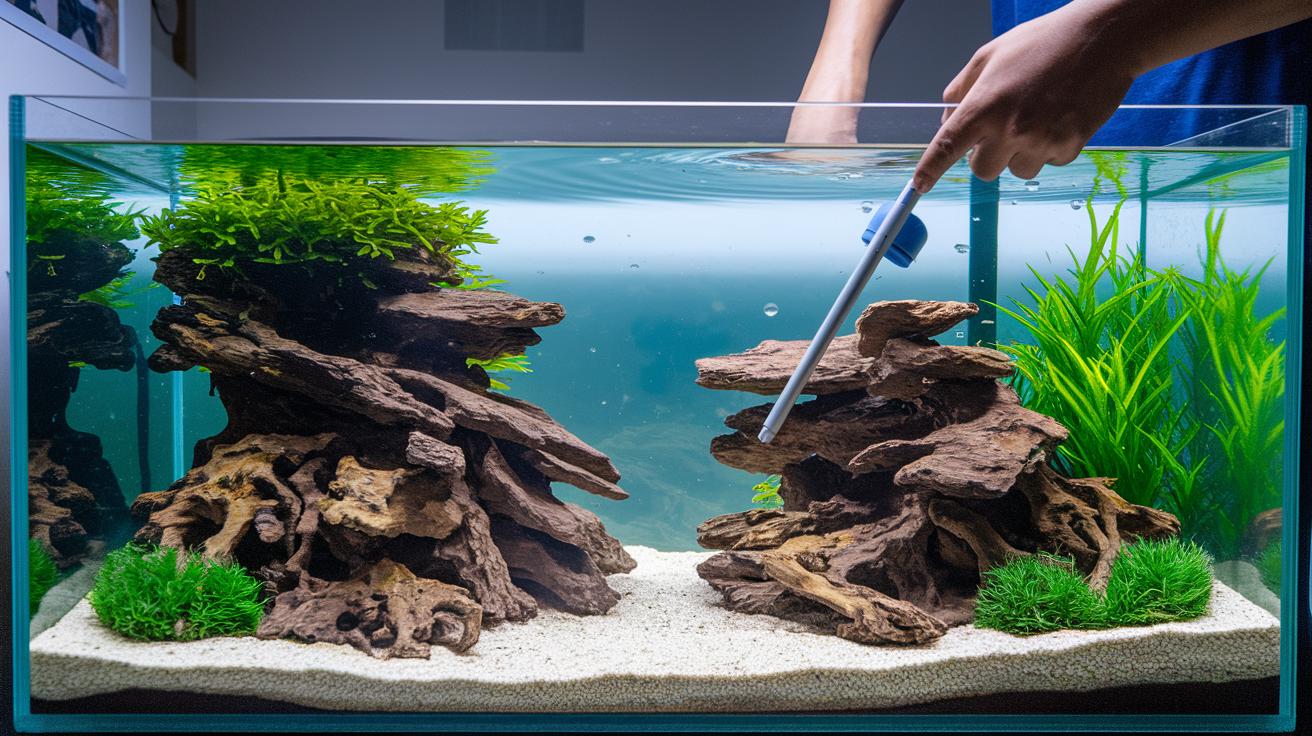
Keeping your tank clean with a steady water change routine is like giving your aquatic pals a gentle treat. Using the right method not only soothes your fish but also washes away unwanted nutrients and stages of parasites. Pair the right tools with a clear five-step plan, and you'll have a healthy tank that's easier to manage. Picture this: you test the water and see a perfect pH balance, a small, encouraging sign that you're on track.
Equipment Essentials
Here are the handy tools you'll want for safe and effective water changes:
- Gravel siphon: It scoops up debris and sediment from the tank floor while leaving the good bacteria undisturbed.
- Bucket with a non-metallic handle: This avoids any reactions with water chemicals, keeping things simple and safe.
- Dechlorinator: Think of it as a shield against chlorine in tap water, protecting your fish and the helpful bacteria.
- Thermometer: It makes sure the new water is close to the tank's temperature (within 5°F), so your sensitive species feel right at home.
- Soft-bristle brush (optional): This tool is perfect for gently cleaning your tank's decorations and surfaces without causing any harm.
Each tool plays a special role, like a unique fish in your underwater team. For instance, the dechlorinator works hard to ensure your fish can thrive without the stress of harsh tap water chemicals.
Step-by-Step Water Change Procedure
- Start by testing your water to check important factors like pH, ammonia, and nitrates. This step makes sure the tank's chemistry is steady before you do anything.
- Use your gravel siphon to gently remove some water and any debris. Be careful not to disturb the tank's substrate too much.
- Clean up the substrate by carefully siphoning out waste. This helps lower the levels of nutrients that parasites love.
- Add fresh, conditioned water that has been treated with a dechlorinator and warmed to the right temperature.
- Finally, check the temperature and water again to make sure everything is balanced and safe for your aquatic friends.
This simple five-step routine helps reduce parasites while keeping your fish comfortable and happy. Next time you clean your filter, you might also want to explore tips on aquarium filter maintenance to get the best care for your tank.
Maintaining Water Chemistry and Temperature Stability

Keeping your tank water balanced is vital for healthy fish and plants. When you change the water, remember that tap water contains chlorine, which can harm not only your fish but also the friendly bacteria that help keep the tank clean. So, always use a dechlorinator during water changes. Make sure to check important levels like pH, hardness, ammonia, and nitrites both before and after you add new water. For instance, test the pH first, add your fresh water, and test again to ensure everything stays steady.
Temperature is just as important in creating a cozy home for your aquatic friends. New water should be within 5°F of your tank’s current temperature to avoid stressing your fish and upsetting their immune systems. Keeping this small difference helps maintain steady thermal regulation and lowers the chance of problems like parasitic infections.
It’s also a good idea to test your water regularly. A quick check before and after each change can catch any sudden shifts in chemical balance. This routine keeps your aquarium safe and healthy without repeating extra steps.
Integrating Filtration Upgrades With Water Changes for Parasite Control
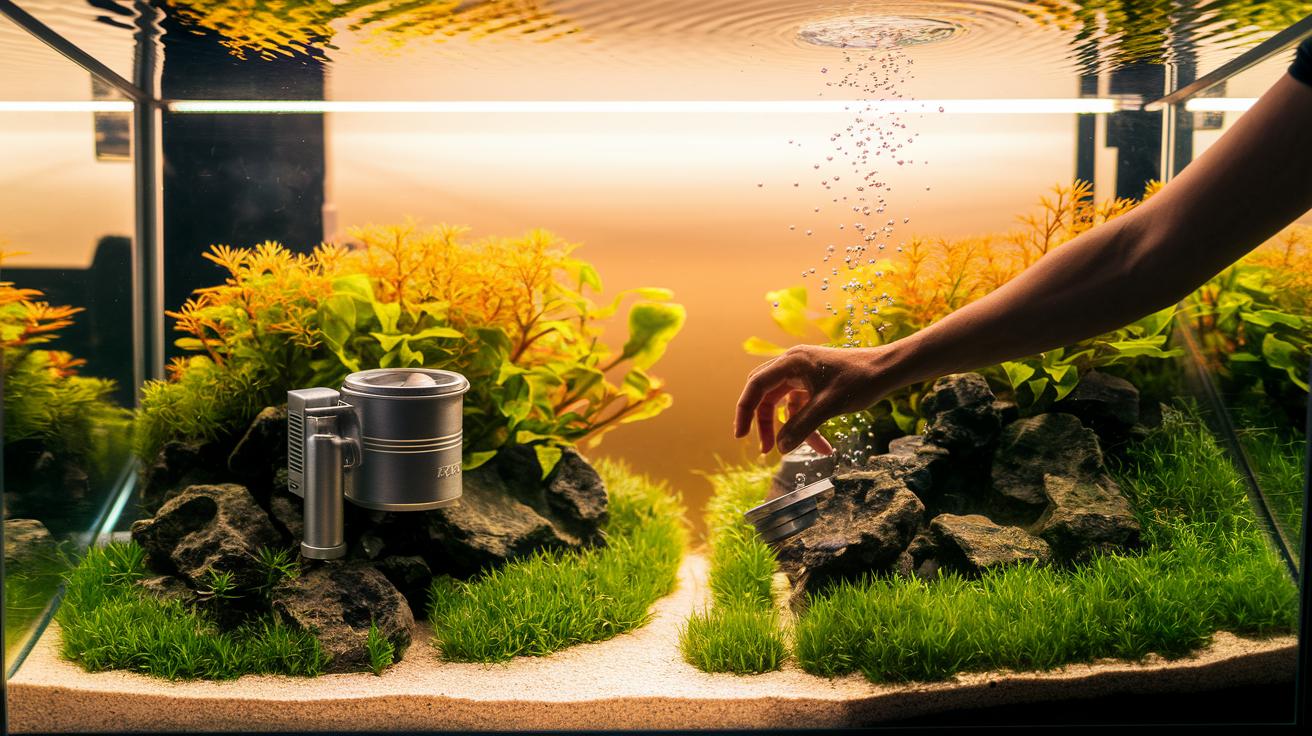
Regular water changes paired with smart filter upgrades can really help keep those pesky parasites in check. By boosting your filter’s capacity, you not only make the water clearer but also cut down on hiding spots for parasites since the filter traps debris where they might gather. When you combine these upgrades with partial water exchanges, you keep unwanted nutrients under control and create an environment that naturally discourages parasite build-up.
A big part of this process is the advantage of biofiltration. Inside your filter, beneficial bacteria work like little guardians that outcompete harmful pathogens, providing natural protection for your aquatic pals. When you refresh your water, these helpful bacteria keep the ecosystem balanced, just like the gentle ripple of water soothing smooth stones. For more tips on this, you might want to check out the guide to maintaining a bioactive aquarium.
Good water circulation is key as well. With improved flow from your upgraded filter, you get rid of those stagnant zones where parasites love to hide. By ensuring every part of your tank receives a steady flow of fresh water, you support both your filter upgrades and the overall health of your aquatic space. This way, the entire system works together to keep parasite levels low and your underwater world thriving.
Troubleshooting Water Change Protocols for Persistent Aquarium Parasite Outbreaks
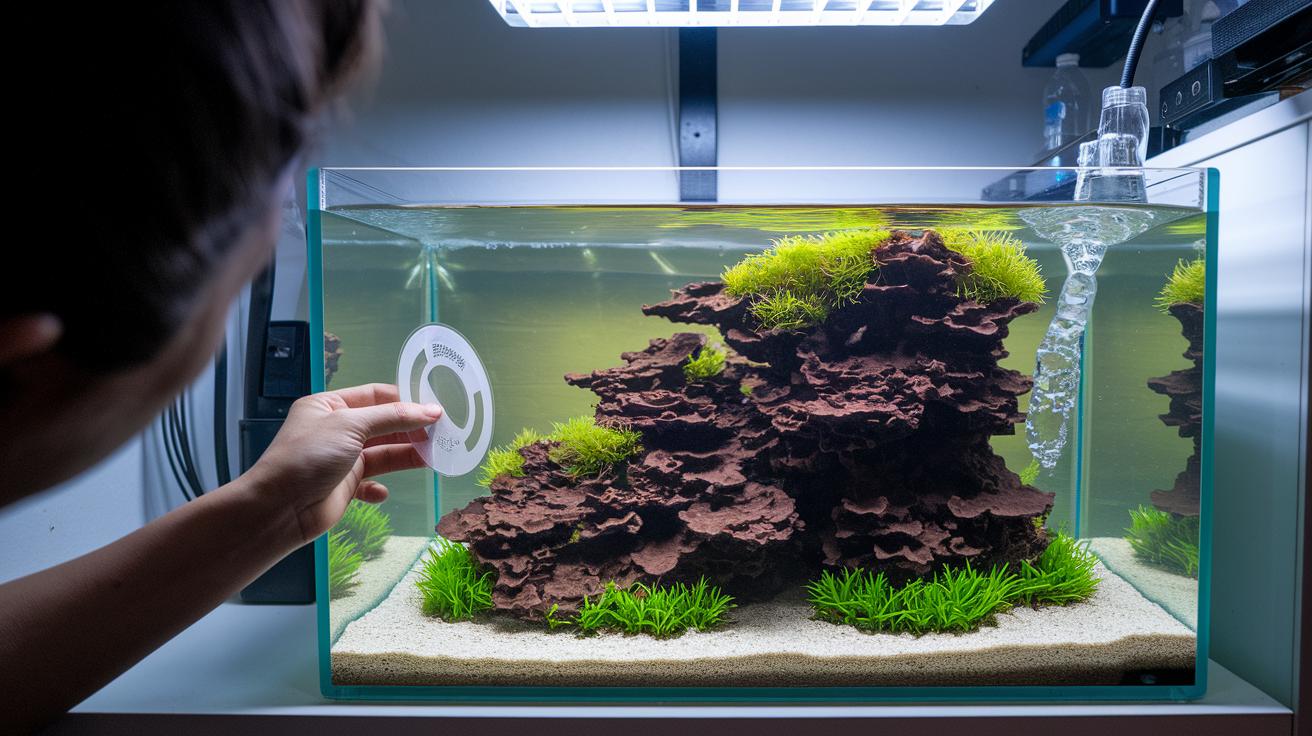
When you spot extra scraping, cloudy water, or even white spots on your fish, it’s your tank’s way of saying, “Something isn’t right!” Take this as your cue to re-check your water change routine.
If your usual weekly water change isn’t cutting it, try switching things up. For example, bump up the change from 20 percent to 25 percent and do it twice a week. This little tweak helps wash away extra nutrients and can cut down the number of parasites.
Don’t forget to look at those hidden spots on your décor and equipment where biofilm can build up. These nooks can house parasites and their eggs. Gently cleaning these areas is a lot like scrubbing away stubborn marks on your favorite mug.
It also helps to pair these water changes with spot-treatments like a quick freshwater dip or a safe chemical treatment. Think of these extra steps as a fast rinse to knock out any lingering pests.
Lastly, keep an eye on your water quality by testing for ammonia, nitrites, and nitrates. This simple check lets you know if your routine is doing its job and helps keep your tank safe and inviting.
- Watch your fish behavior and tank clarity.
- Increase water exchange frequency for a while.
- Check hidden areas and give them a gentle clean.
- Test your water before and after changes to see progress.
Final Words
In the action, we looked closely at using regular water changes to break parasite life cycles and preserve a balanced aquatic home. Small, routine exchanges help keep the water clean and the fish happy while reducing the chance for unwanted outbreaks. We shared practical steps with recommended equipment and smart scheduling to protect your tank’s delicate chemistry. Keeping a steady approach will highlight the role of water changes in controlling aquarium parasites and set you up for a vibrant, healthy underwater world.