

Ever wondered if your water change routine might be stressing your fish out more than helping them? Even a tiny tweak in how you refresh your tank can give your aquatic friends a real boost in health. Whether you like getting your hands wet or prefer a set-it-and-forget-it method, picking the right approach makes all the difference. It’s kind of like choosing the perfect net for your favorite catch, every little detail matters. Next, let’s dive into a few methods that can help your fish thrive in water as clear as a mountain stream.
Evaluating Water Change Methods for Your Aquarium Setup
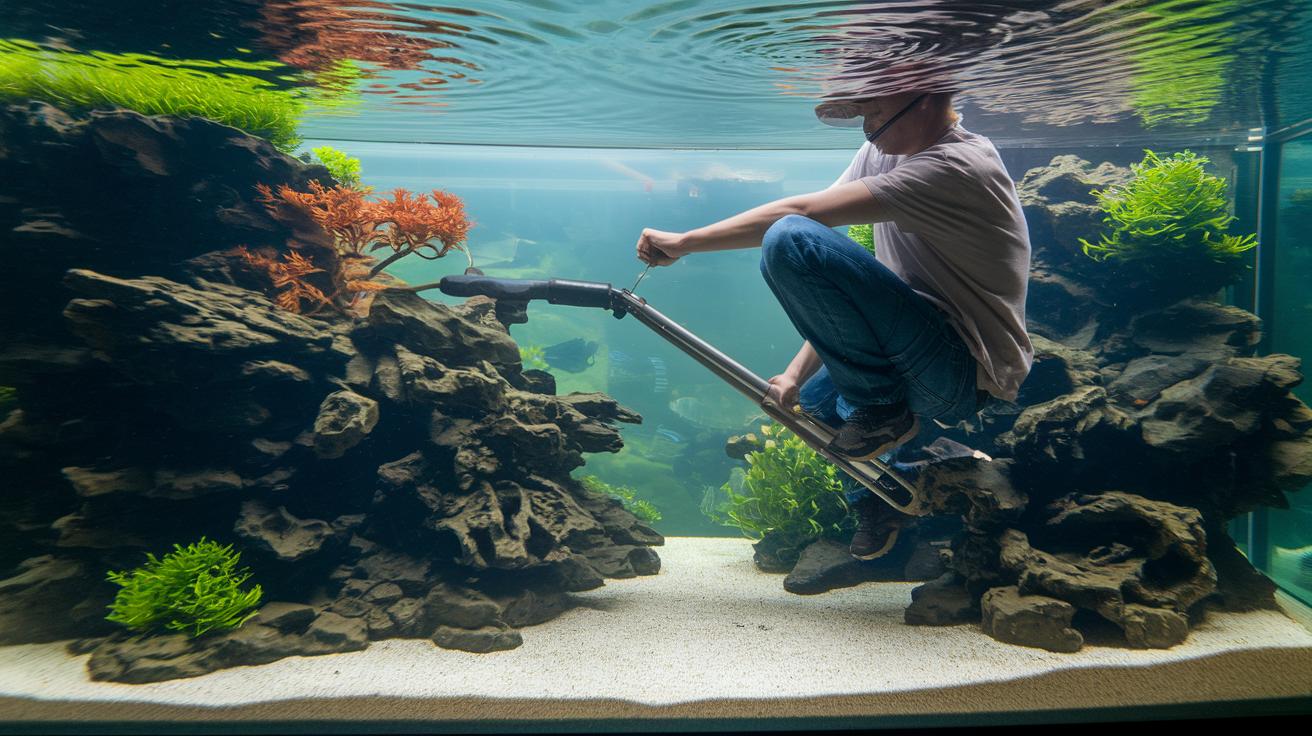
Changing your tank water is a simple, effective way to keep your aquarium healthy. Over time, toxins and extra nutrients can build up even in well-maintained tanks. By swapping out about 10–20% of your water every one to two weeks, you help keep these levels in check and clear away unwanted waste. In fact, regular water changes can fix up to 80% of common issues like cloudy water, stressed corals, and unwell fish.
When picking a water change method, think about ease and how well it matches your tank's needs. New water needs to be pre-mixed to have the same chemical balance, temperature, and salt level as your current setup. This careful mix keeps your aquatic friends from experiencing unnecessary shock once the water changes are done.
You also need to balance how much physical work you want to put in with the cost of the tools you choose. Some fish lovers like methods that give them precise control, while others enjoy the steadiness of automated systems. Your perfect approach depends on how much hands-on work you enjoy and what your tank’s fish and plants require.
Here are some easy water change methods to think about:
| Method | Description |
|---|---|
| Manual siphoning | Using a siphon to remove water by hand. |
| Pump-driven transfers | A pump helps move water in and out of your tank. |
| Automated refill systems | Systems designed to automatically refill your tank. |
| Partial vs. full water exchanges | Choosing between replacing part or all of your tank water. |
By considering these methods and tips, you'll be set to keep your water quality high and your aquatic pets thriving. It’s like adding a soothing ripple to your tank every time you change the water, just another way to care for your underwater friends.
Manual Water Change Methods for Your Aquarium Setup

Manual Method: Gravel Vacuum Siphoning
Gravel vacuum siphoning helps you clear out water and debris all in one go. You use a siphon hose and a gravel vacuum to suck up waste while keeping your gravel in place. It works like slowly stirring a bowl of soup to lift the foam while keeping the flavor intact. Remember to treat tap water for chlorine removal because chlorine can hurt your fish, plants, and friendly bacteria. Also, make sure the new water is nearly the same temperature as your tank so your aquatic pals stay cozy.
Manual Method: Pump-Driven Transfer
Pump-driven transfer is another handy way to change your tank water manually. With a submersible or bilge pump, you can quickly drain and refill your tank. You just set up the pump, get it started right, and keep an eye on the hoses to avoid leaks. Think of it like using a power tool – it makes the job faster but needs careful setup. As with the other method, make sure your replacement water is dechlorinated and heated to match the tank’s temperature, so your fish, plants, and beneficial microbes don’t feel stressed.
Manual Workflow: Step-by-Step Manual Change Process
Follow this simple five-step plan for a smooth water change:
- Gather your gear: siphon hoses, buckets, a gravel vacuum, and a pump if you’re using one.
- Get your water ready by mixing water that has no chlorine and adjusting its temperature.
- Remove about 10–20% of the old water while gently cleaning your tank’s substrate.
- Slowly add the new water, making sure the temperature and conditions match your tank.
- Check your water parameters to be sure everything is balanced and just right.
Enjoy the process, it’s like giving your aquarium a little refreshing dip!
Automated Refill Systems Assessment for Your Aquarium Setup
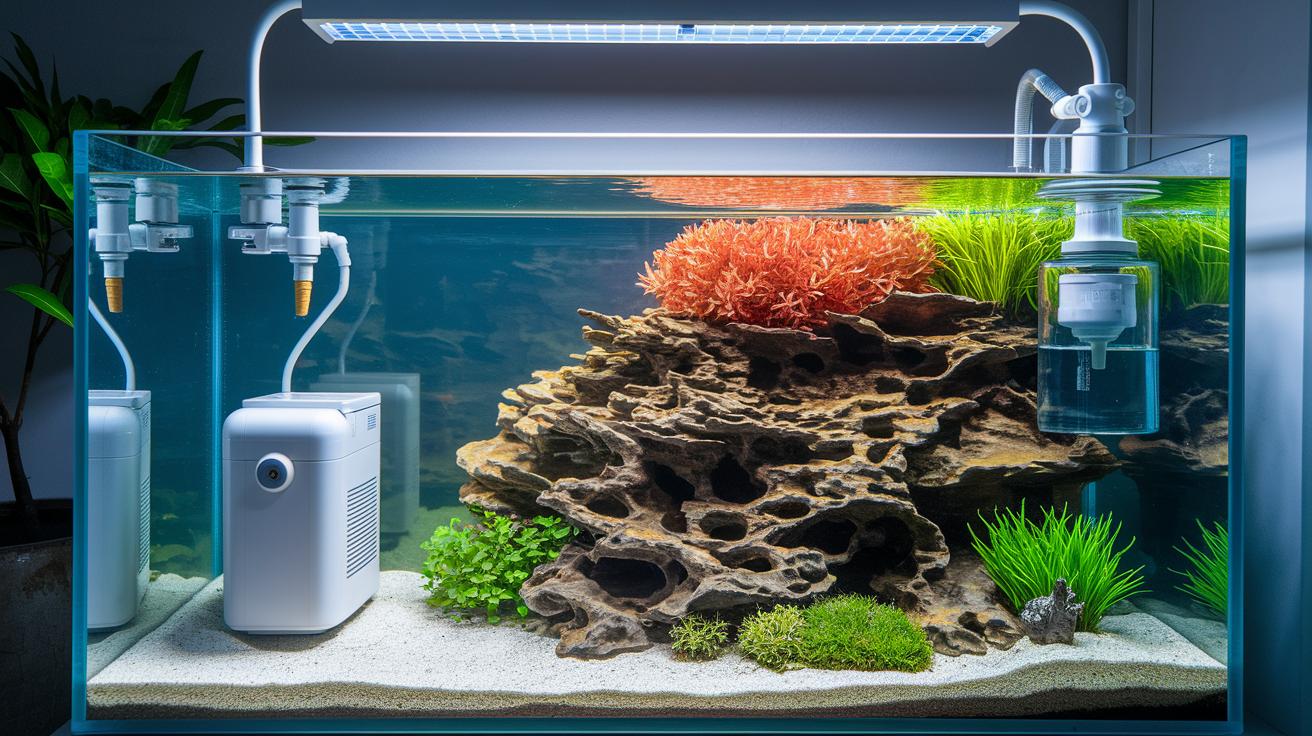
Imagine a little gadget that takes care of your tank’s water changes as smoothly as a gentle stream. Automated refill systems use dosing pumps, sensors, and controllers to add just the right amount of water, almost like a tiny conductor keeping perfect time in your aquatic orchestra.
These systems make life easier by following a steady routine and saving you time and energy. They help keep your water quality consistent, which is a real treat when you’re busy or just want less manual work. Plus, they give you more free time to enjoy watching your fish swim and play.
However, it’s good to remember that these systems do come with a higher upfront cost and need a steady power source. You might also face issues like pump failures or leaks if you don’t keep an eye on them. Regular checks on tubing and sensors are important to keep the system humming along like a calm current.
So, when you’re thinking about automation, weigh the ease of maintenance and steady water quality against the potential costs and extra inspections. In truth, if you value routine and a lighter workload, an automated system could be a really smart choice.
Comparing Partial and Full Water Exchange Approaches for Your Aquarium Setup

Partial water changes are like giving your tank a gentle rinse. By swapping out 10–20% of the water on a regular schedule, say 10% weekly or 20% every couple of weeks, you slowly remove extra nitrates and phosphates. This gradual process helps keep the water conditions steady, creating a calm, familiar home for your fish and corals. It’s similar to gently stirring a quiet pond without disturbing its natural flow.
Full water changes, however, involve replacing all of the tank water at once. This method can be a thorough clean-up, much like giving your aquarium a fresh start. But be wary, it can also cause a bit of stress to your aquatic friends due to sudden changes in temperature and chemicals. Think of it as a sudden downpour that might leave the pond feeling a bit off balance for a while.
When deciding between these two, it helps to consider factors like your tank size, how many fish and corals you have, and how sensitive they are to changes. If you’re aiming for steady conditions with minimal surprises, partial water changes are usually the way to go. For a deep clean when conditions allow, a full water change might be the right choice, but it does need a careful approach.
| Approach | Recommended Volume | Pros | Cons |
|---|---|---|---|
| Partial Exchange | 10–20% regularly | Steady water conditions; reduces waste gradually | Does not offer a full deep clean |
| Full Exchange | 100% occasionally | Restores water quality completely | Riskier due to sudden shifts; more effort required |
Key Factors in Selecting Water Change Methods for Your Aquarium Setup
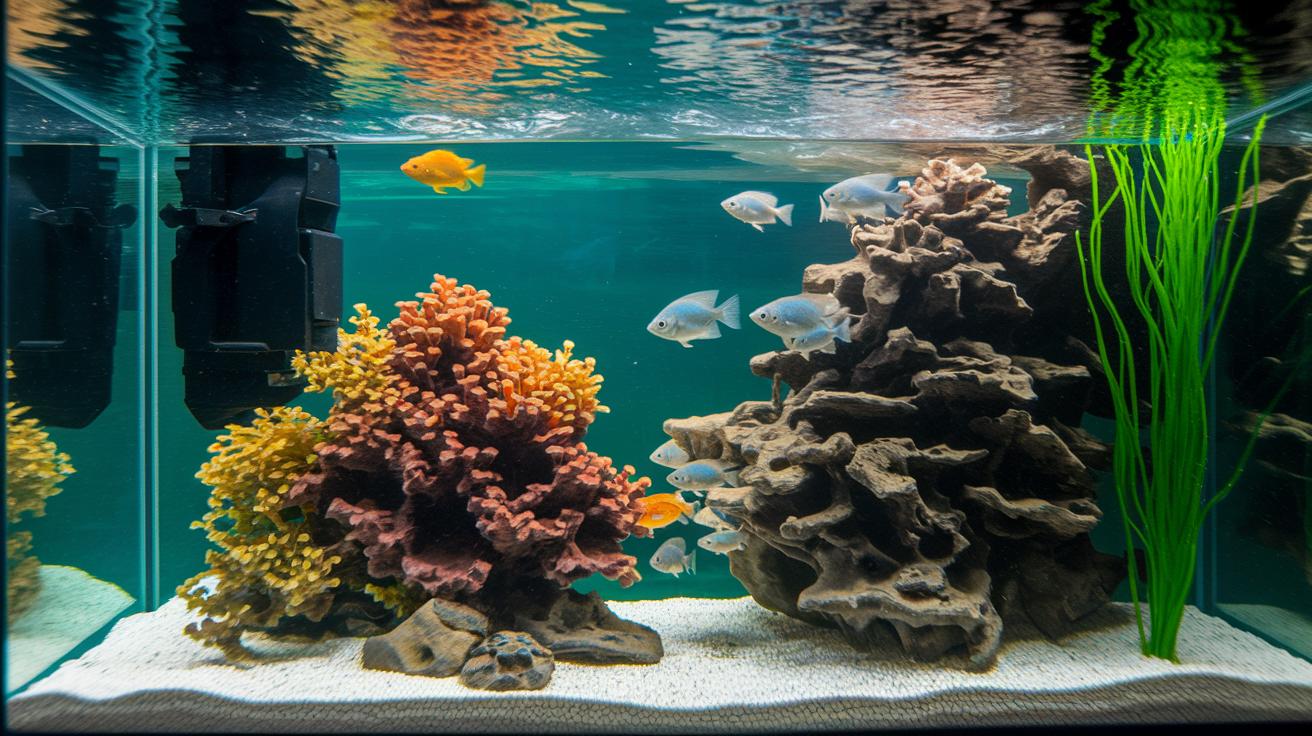
Pick a water change method that suits your aquarium by matching each important factor with the best technique. Think of it like following a simple recipe for success.
| Factor | Description |
|---|---|
| Tank Capacity and Stocking Density | Systems range from 15 to 150 gallons. When you have more fish, you might need to change the water more often. |
| Plant and Coral Load | If your tank is full of plants or coral, try doing smaller, more frequent changes to keep the nutrient levels steady. |
| Sensitivity to Parameter Shifts | Be sure to think about how your fish and invertebrates handle changes in temperature and pH. |
| Budget and Equipment | Pick a method that fits your funds and the gear you have, whether it’s a manual job or an automated system. |
| Routine Water Testing | Regular checks on pH, hardness, and salinity help you keep a steady water quality. |
| Dechlorination Needs | Always treat your tap water to get rid of chlorine and any harmful substances before adding it to your tank. |
Think of these points as easy steps in a recipe. For example, starting with your tank size is key. In a 40-gallon beginner setup, doing smaller, more regular water changes can really help maintain a calm and steady environment for your aquatic friends.
Final Words
In the action, the article walked through essential water change methods to keep your tank bright and healthy. We reviewed manual techniques like siphoning and pump-driven transfers, compared automated refill systems, and weighed partial versus full exchanges. The guide also shared key factors for creating a peaceful, balanced aquatic home. Remember, finding out how to choose the right water change method for your aquarium setup can keep your fish happier and water crystal clear. Positive, well-managed upkeep makes every aquatic moment feel full of life.
FAQ
How often should I change water in my fish tank, whether it uses a filter, is a freshwater setup, or a fish bowl?
The water change frequency means replacing about 10–20% of the tank water every one to two weeks for tanks with filters. Smaller setups like fish bowls might need more frequent changes to keep toxins low.
How do I do a proper partial water change, and is a 50% water change safe?
A proper partial water change means siphoning and gradually replacing 10–20% of the water with conditioned, temperature-matched water. A 50% change can shock fish if not managed carefully, so it’s typically not recommended.
How can I change water in my fish tank without harming or killing my fish?
Changing water safely means using dechlorinated, temperature-matched water and adding it slowly. This careful approach minimizes stress on your fish while keeping their environment clean and balanced.
How should beginners prepare water for a fish tank water change?
Preparing water means treating tap water to remove chlorine and adjusting it to match your tank’s temperature. This simple step creates a balanced and safe environment for your aquatic friends during a water change.
Should I ever perform a 100% water change in an aquarium?
Performing a full 100% water change means resetting the entire tank, which can stress your fish by disrupting water chemistry. It’s best to stick with partial changes unless a complete reset is absolutely necessary.
Should I remove fish when changing water?
Removing fish isn’t usually necessary during a water change. Instead, focus on a gradual exchange of well-prepared water to keep the tank’s balance stable and your fish comfortable.