

Have you ever wondered if changing the water in your tank really makes a difference? It’s not just about keeping things neat, it’s like giving your fish a gentle shower that clears away toxins and adds fresh nutrients, much like rain washing over a peaceful pond.
Every water change helps create a balanced home where your aquatic plants can thrive. Try thinking of it as a secret ingredient that turns your aquarium into a vibrant underwater garden, full of life and shimmer.
Understanding How Water Changes Impact Aquarium Plant Growth
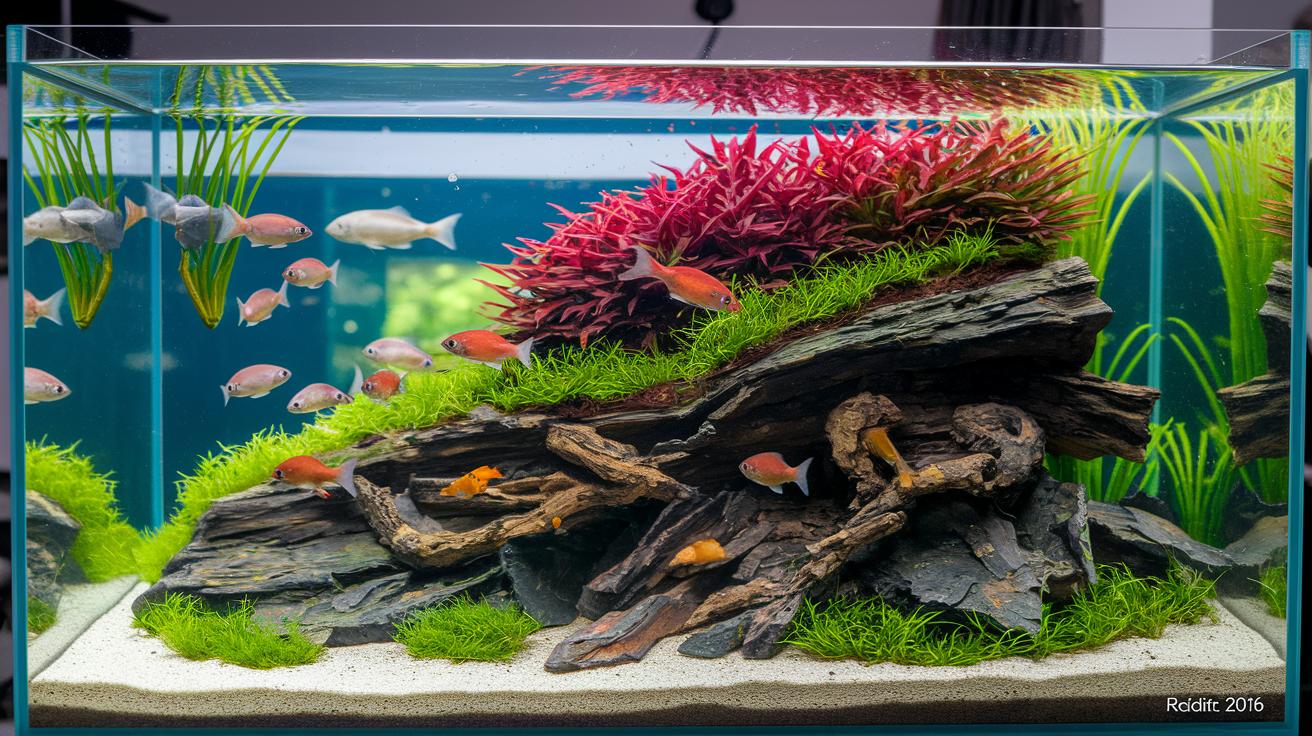
Regular water changes are like giving your tank a refreshing bath. They wash away built-up toxins and organic waste that can stress out your fish and plants. It’s a bit like the soft rain that clears dust from leaves, leaving everything clean and ready for a new day.
In a busy tank with lots of fish and fast-growing plants, changing 10–20% of the water every week works best. On the other hand, if your tank is lightly stocked or the plants grow slowly, you might only need to change the water every 2–4 weeks. This simple schedule helps keep the water quality just right, making sure your aquatic friends have a balanced home.
Keeping up with regular water changes also supports the good bacteria in your tank. These bacteria help break down nutrients so that your plants can drink up the goodness more easily, leading to stronger, more vibrant growth. In truth, steady water changes create a calm, balanced environment that benefits all the life swimming around in your aquarium.
Optimizing Water Change Schedules for Aquarium Plant Growth
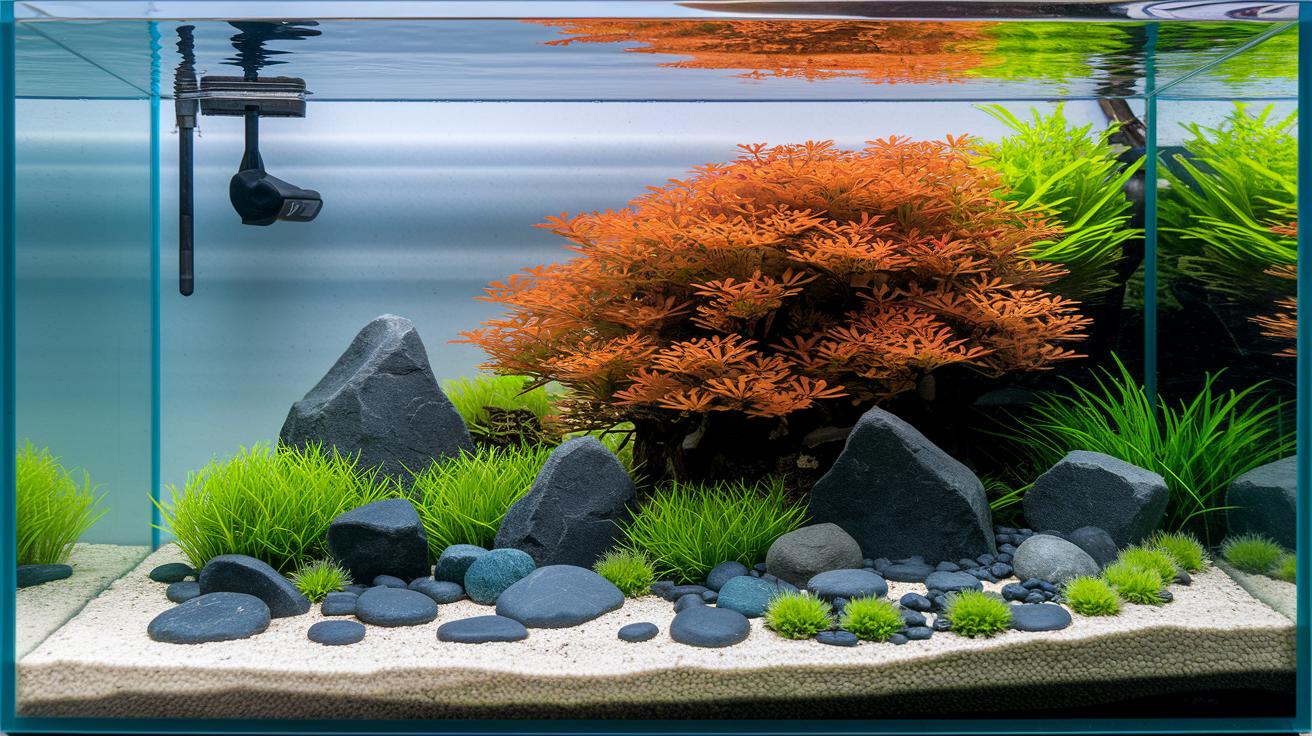
If you want your aquarium plants to thrive and glow like a lively underwater garden, try matching your water changes to your tank’s unique needs. For most freshwater tanks with plants, a weekly water change of 10-20% keeps the water fresh and balanced. This gives your plants the steady flow of nutrients they need, much like the gentle ripple of a stream.
But if your tank is lightly stocked or houses slow-growing plants, you might consider a bigger water refresh, around 30% every two to four weeks. Some breeders even swap out all the water daily in busy tanks with great tap water. And if you’ve got decorations such as Seiryu stone that change the water hardness, a 30% water change can help keep things steady so your aquatic pals don’t get shocked by sudden shifts.
For a clear snapshot of options, take a look at the table below:
| Tank Type | Frequency | Volume % |
|---|---|---|
| Fast-Growing | Weekly | 10-20% |
| Slow-Growing / Lightly Stocked | Biweekly/Monthly | 30% |
| Limestone-Rich (Seiryu Stone) | Regular | 30% |
| High-Metal Tap Water | Frequent, Smaller Changes | 10-20% |
Sticking to a regular routine is key. Consistent water changes create a calm, balanced space where plants and fish can flourish without the stress of sudden chemical shifts. It’s like maintaining a quiet, reliable current that nurtures life in your tank. And isn’t it satisfying to see your underwater garden remain vibrant and healthy?
Achieving Chemical Equilibrium During Water Changes to Enhance Plant Nutrient Uptake
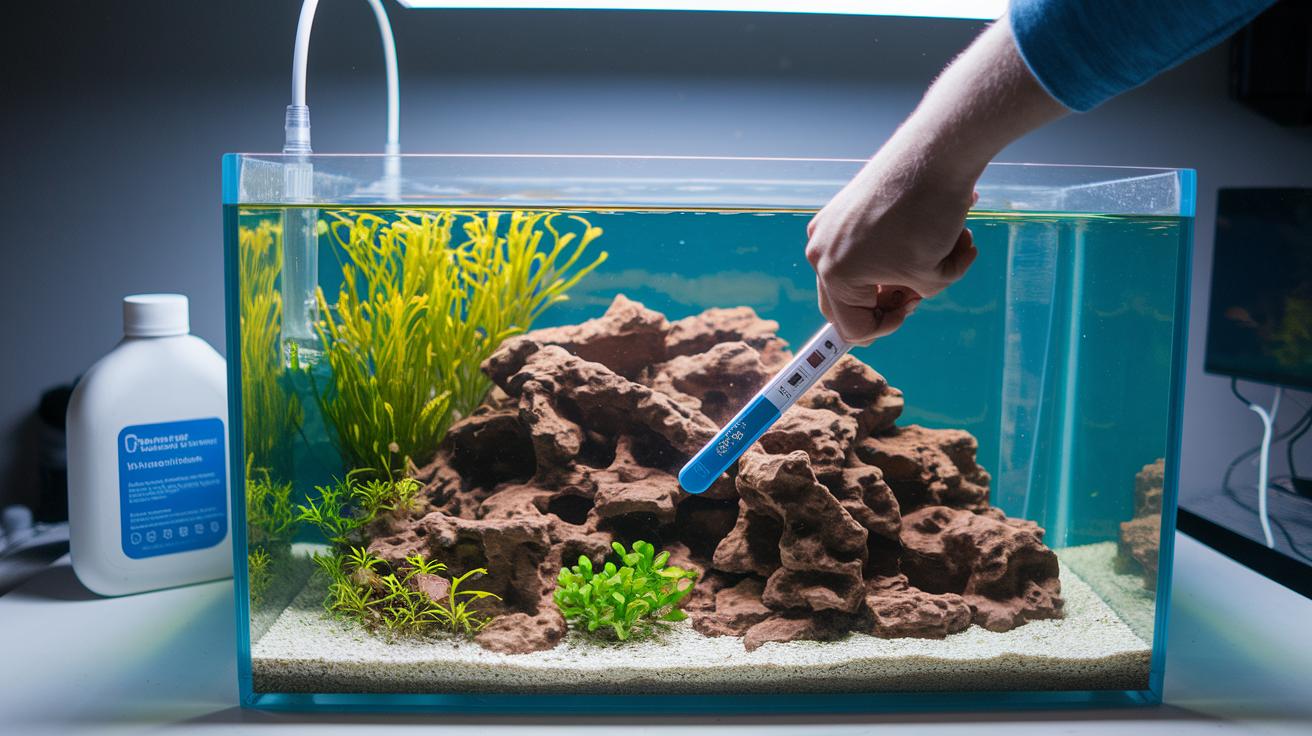
Before filling your tank, treat your tap water with a dechlorinator so no harmful chlorine or chloramines get through. Adjusting your water chemistry is key; keeping the right balance of hardness by managing KH (carbonate hardness) and GH (general hardness) helps stop those sudden pH jumps that can mess with how plants take in their food. Fresh water also brings more dissolved oxygen into the tank, which keeps the roots breathing easy and your plants happy.
| Parameter | What to Watch |
|---|---|
| pH | Keep an eye on acidity and alkalinity to make sure they stay steady. |
| KH | Maintain carbonate hardness to buffer against big pH changes. |
| GH | Control general hardness for a balanced mix of minerals. |
| Nutrient Concentration | Check levels often so your plants get the nourishment they need. |
| Dissolved Oxygen | Make sure enough oxygen is available for both plants and helpful bacteria. |
After a water change, add back your macro and micronutrients to replace anything that was washed away. This extra boost helps your plants start feeding right away so they can keep growing strong. And if you use a handy checklist like the one at Sweetfysh.com, you can easily track your water quality changes and keep your aquatic garden in perfect balance.
Preventing Algae Outbreaks and Maintaining Ecosystem Balance Through Water Changes
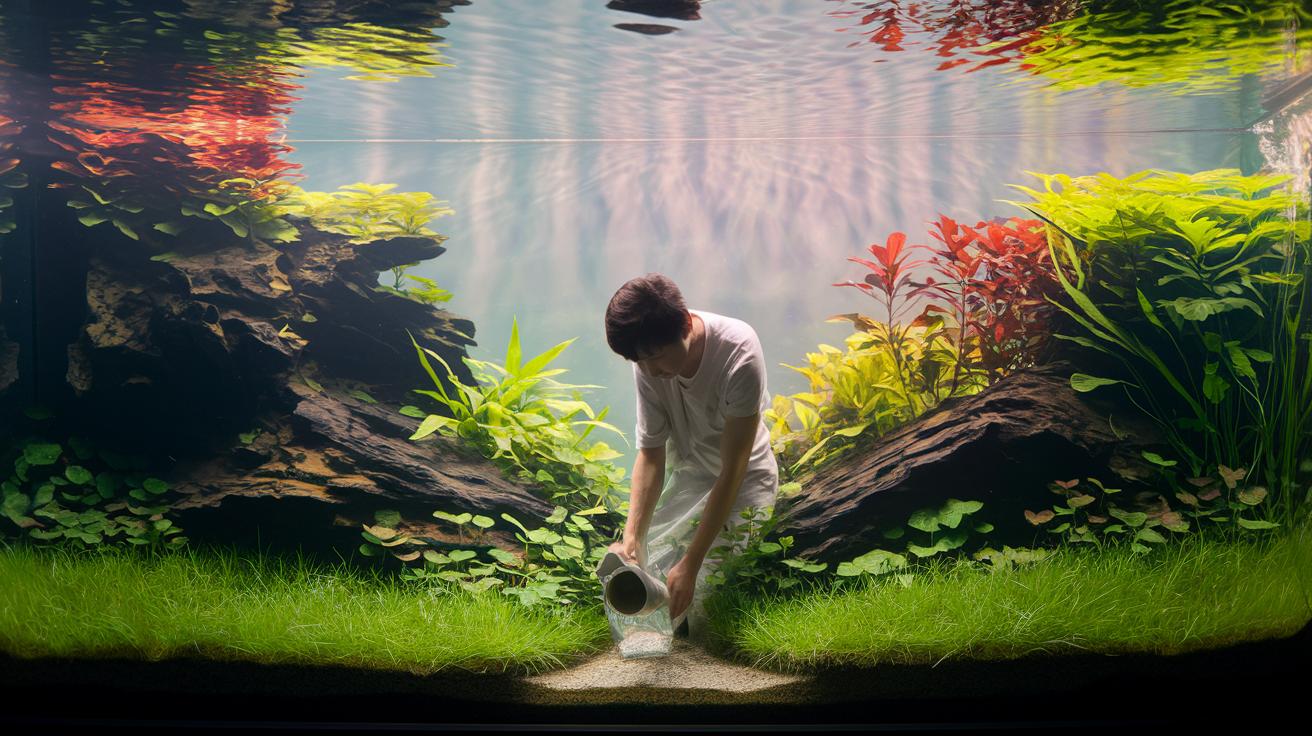
Regular water changes are like giving your aquarium a fresh, gentle rinse. They help sweep away extra nutrients, such as nitrates and phosphates from fish waste and decaying plants, which can feed algae blooms. Imagine it as gently skimming leaves off a quiet pond, it clears the water so your underwater plants can really shine.
Switching out the water often also boosts good bacteria in your tank. These tiny helpers break down waste and keep the water steady, which makes it hard for algae to take over. With clearer water, sunlight can dive deeper, helping your plants soak up nutrients more easily. Keeping up with these water changes not only fights off algae but creates a peaceful home for all your aquatic pals.
Overcoming Common Challenges in Water Change Routines for Planted Aquariums
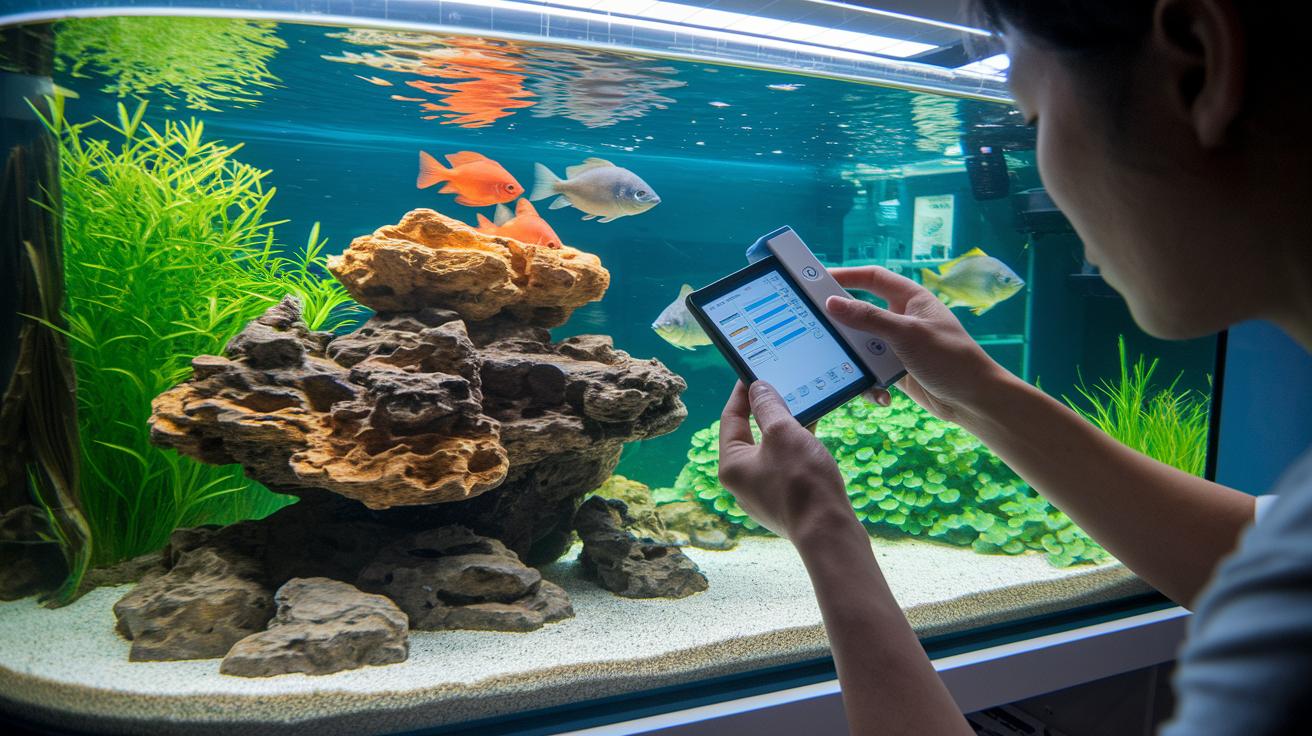
Keep a close eye on your fish and plants after you change the water. If you notice your fish swimming a bit nervously or your plants looking dull, it might mean your water is changing too quickly. For instance, if your beautiful green plants suddenly lose their vibrant color, try testing a little bit of the new water first.
It can help to adjust how much new water you add by testing small batches of your tap water. If you see that treated water has fewer metal traces or steadier KH (that’s a measure of water hardness), you might want to give this method a go. Imagine mixing a small cup of water with a metal-binding agent and then watching how your tank reacts compared to plain water. Cool, right?
Make it a habit to check your tank’s water daily so you can catch little changes before they grow into big problems. Jot down basic measurements like pH, KH, and metal levels. This simple log can show you patterns over time, like a treasure map for your aquarium care. For a quick start, check out this tracking table:
| Test | Before Change | After Change |
|---|---|---|
| pH | 7.8 | 7.6 |
| KH (dKH) | 5 | 4 |
Combining Water Changes with Filtration and CO2 Management to Maximize Aquarium Plant Growth
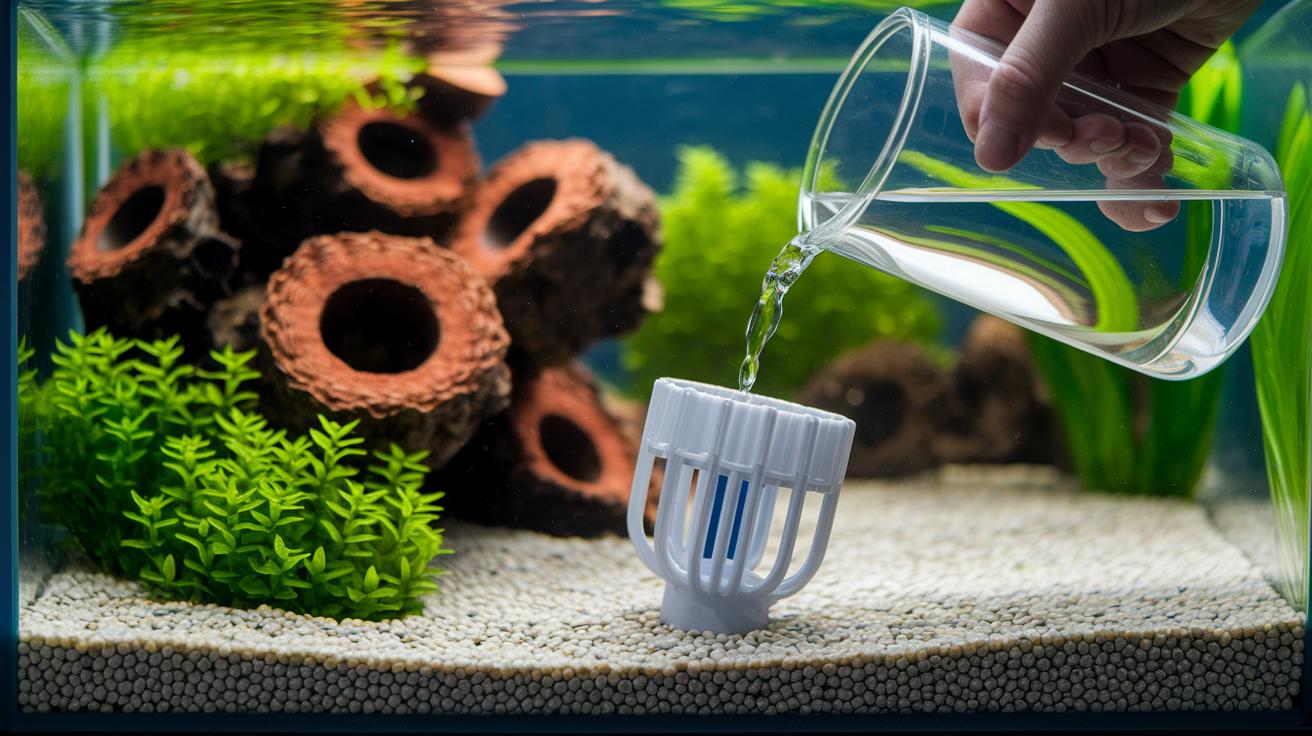
Regular water changes work like a breath of fresh air for your aquarium. When you pair fresh water with careful filter cleaning, you help keep your filter's helpful bacteria strong. Think of it like tending a small garden where pruning and fresh soil help your plants bloom. A filter that's well cared for not only keeps your water clear but also supports the healthy roots of your underwater plants.
Adjusting your CO2 and keeping the water just the right temperature during top-offs adds another layer of care. It’s a bit like ensuring every fish and plant gets a gentle, even shower of nutrients. When you match the water temperature and balance the CO2, your tank's water stays calm and friendly, preventing sudden changes that might stress your aquatic buddies. This smart timing helps your plants absorb nutrients better, creating an environment that feels as steady and soothing as a quiet pond on a summer day.
Final Words
In the action of routine water changes, we see how to support vibrant plant life in your aquarium. We talked about how removing toxins, adjusting chemical balance, and coordinating with filter care improves overall health. Small, regular exchanges help keep beneficial bacteria strong and prevent unwanted growth. The impact of water changes on aquarium plant growth is clear when you maintain proper water quality and consistency. Keep up with this gentle routine, and you'll enjoy a thriving underwater world with flourishing plants and lively fish.
FAQ
How do water changes impact aquarium plant growth?
The effect of water changes on aquarium plant growth is significant. They refresh vital minerals, remove harmful toxins and waste, and boost beneficial bacteria, ensuring a balanced environment where plants can thrive gracefully.
Are water changes beneficial for planted tanks and plants?
Regular water changes benefit planted tanks by removing waste and replenishing minerals. They help maintain healthy water chemistry, encourage strong plant roots, and support balanced growth in your gentle underwater landscape.
How often should water changes be done in a planted tank?
The question of frequency varies with tank activity. Most active setups do weekly 10–20% changes while less stocked tanks need changes every 2–4 weeks to keep nutrient levels steady and promote plant health.
What happens if you skip water changes in a planted tank?
Skipping water changes causes waste and toxins to build up, stressing plants and disrupting beneficial bacteria. With imbalanced nutrients, your tank may face algae issues and reduced plant growth stability over time.
How does water quality affect plant growth in an aquarium?
Water quality directly impacts plant growth by supplying essential minerals and oxygen. Clean water encourages nutrient absorption, avoids toxin build-up, and creates a balanced habitat where plants can flourish beautifully.
Do water changes help reduce algae in an aquarium?
Yes, water changes help reduce algae by lowering excess nutrients, such as nitrates and phosphates, that fuel algae growth. They also clear detritus, offering a healthier environment that discourages unwanted algae blooms.
Is a 100% water change ever safe in an aquarium?
A complete water change is rarely safe except for emergency situations like disease control. Full changes can shock sensitive fish and disrupt the balance that supports healthy plant and animal life.