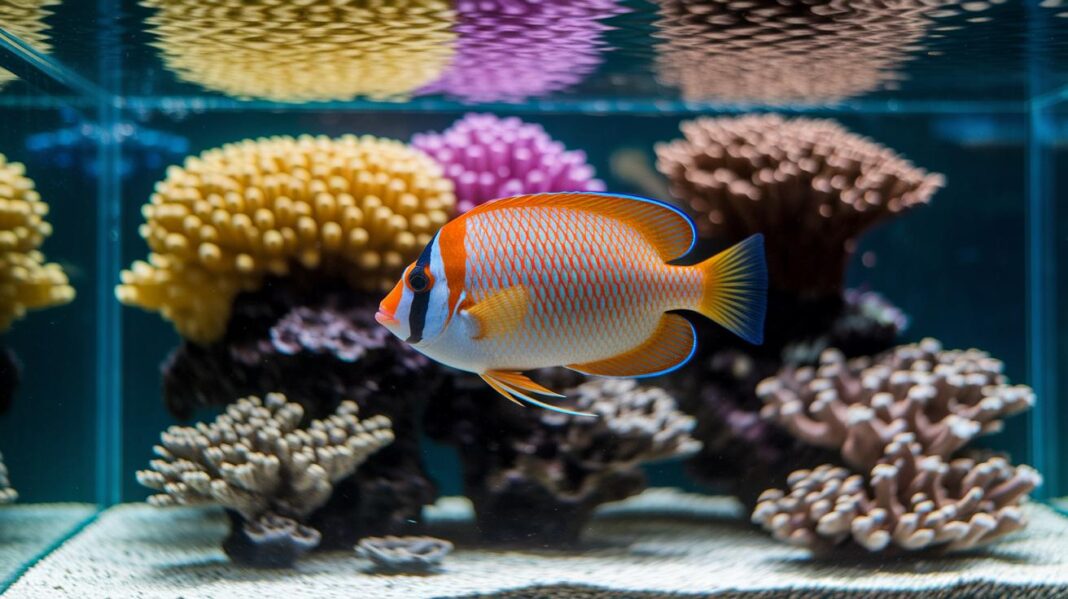

Ever wonder if your reef tank could be a safe, cozy home instead of a risky setup for your finned friends? In the past, many fish keepers tried risky tricks to start the nitrogen cycle, putting their pets in danger. Now, you can build a thriving underwater world using live rock or a liquid booster, no risky methods required. Think of it as turning harsh ammonia into a gentle nitrate, much like transforming a turbulent stream into a calm, clear pond.
This simple method helps create a secure space where your marine pals can flourish. Imagine setting up your tank like preparing a beautiful, small ocean in your own home, where every ripple sings comfort. Read on to learn the easy steps to turn your reef tank into a safe haven that lets both your fish and you truly thrive.
Practical Steps to Cycle Your Reef Fish Tank
The nitrogen cycle is like the pulse of your reef tank, bringing life to your underwater world. In a reef setup, friendly bacteria turn harmful ammonia into nitrite and then into nitrate, making the water safe for your fish and other marine pals. Instead of risking your fish to start this process, you can simply add a bacterial booster, think of it like adding live rock or a liquid bacteria supplement. Fun fact: once, aquarists used to sacrifice fish to jump-start the cycle, but now we protect our finned friends with smarter methods.
- First, seed your tank with bacteria. Place cured live rock or add a liquid nitrifying bacteria supplement as instructed.
- Then, add an ammonia source. You can use pure ammonia or rely on the natural waste from hardy fish.
- Keep the water flowing well and the temperature steady around 75–80 °F. This warmth helps the bacteria do their job.
- Test the water for ammonia and nitrite twice a week. This helps you know when the cycle is moving along.
- In the first couple of weeks, you might see a spike in ammonia. That’s a sign the bacteria are hard at work.
- Around week three, expect a peak in nitrite levels. This tells you the cycle is really gaining momentum.
- Between weeks four and six, watch as nitrate builds up. This shows that the bacteria have finished their job.
- Finally, make sure both ammonia and nitrite reach 0 ppm before you add any new fish. Your tank is safe for its new residents only when these levels are zero.
When both ammonia and nitrite stay at 0 ppm, your reef fish tank cycle is done, and your underwater haven is ready for more life.
Initial Setup for Cycling a Reef Fish Tank
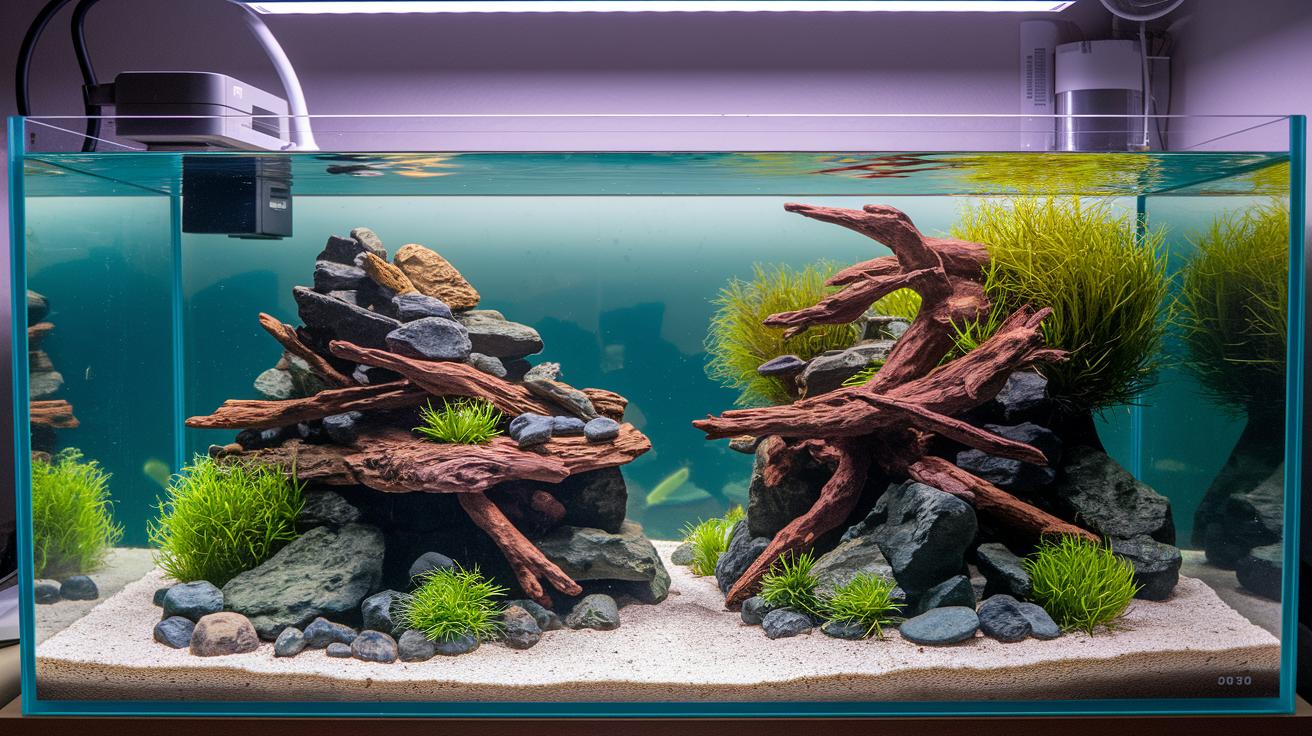
Start by mixing dechlorinated saltwater until you get a specific gravity between 1.023 and 1.025. Make sure the water warms up to around 75–80 °F so your tank feels as natural and cozy as a quiet lagoon.
Before you begin your aquatic setup, gather these essentials:
- Tank
- Heater
- Powerheads
- Substrate
- Live rock or dry rock
- Test kits
Take a moment to rinse your sand or gravel thoroughly, removing any dust or tiny particles. Think of it as giving your underwater world a fresh, clean start. When placing your substrate in the tank, wash it in fresh saltwater too, ensuring a spotless base for your marine life. Next, arrange your live or dry rock carefully in spots that let water flow gently. This smooth current is like a natural massage that helps good bacteria grow, which is key for cycling your reef.
Live rock naturally brings beneficial bacteria, while dry rock is a cost-friendly choice that may take a bit longer to develop those colonies. You might also add some natural decor along your layout, learn more about using natural decor to support aquarium ecosystems if you’re curious. A smartly planned setup increases the surface area for bacteria, setting the stage for a successful nitrogen cycle.
Seeding Beneficial Bacteria and Establishing Your Saltwater Biofilter
Starting your biofilter is like inviting a busy neighborhood of helpful bacteria into your tank. Live rock comes with a built-in community that kicks everything off, while adding a liquid bacteria supplement lets you give a measured boost for steady growth. Then, you build up the filter media to create an efficient, advanced system.
- First, gently place your cured live rock into the tank. It’s already home to plenty of good bacteria, so it jumpstarts your biofilter right away.
- Next, add the liquid bacteria supplement. Follow the instructions on the bottle carefully so your tank gets just the right boost of microbes.
- Finally, include some trusted filter media from an established system. You’ve got a few options here:
Type of Media Benefits Ceramic Rings They have tiny pores that offer bacteria cozy hideaways, much like small coves in a reef. Rock Rubble The uneven surfaces create lots of hiding spots, which help different bacterial colonies grow. Bio-balls They provide a large surface area and help move oxygen around, making them great for strong colony growth.
Keep the water temperature steady around 75–80°F and ensure there’s a gentle current to move oxygen and essential nutrients around your aquarium. If you notice that the bacterial growth is a bit slow, check that your water flows evenly and think about adjusting how much or where you place your filter media. A few small, gradual doses of ammonia can act as food for the bacteria, helping them multiply steadily while keeping nitrite levels in check.
Monitoring Water Parameters for Reef Fish Tank Cycling
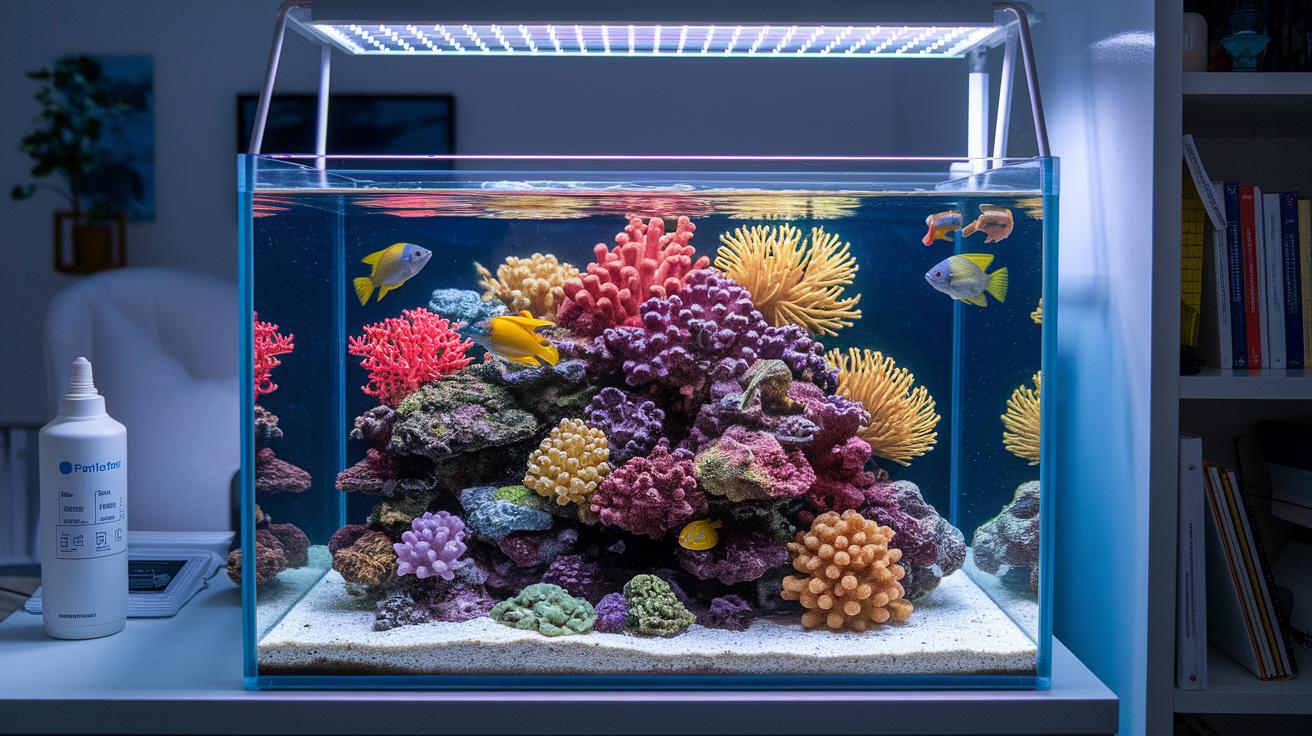
Keeping your reef tank in top shape is a bit like tending a peaceful underwater garden. Regular water tests help you understand the balance of your tank, letting you know if the natural filter system is doing its job. It’s all about checking things like nitrite, ammonia, and pH levels, so you can see the gentle flow of life happening in your tank.
Testing your water twice a week for ammonia and nitrite, and once a week for nitrate, is a simple way to follow the progress of the nitrogen cycle. When you see ammonia and nitrite at 0 ppm, with nitrate under 20 ppm, you know your tank’s balance is just right. Keeping pH steady between 8.0 and 8.4 and ensuring salinity sits between 1.023 and 1.025 helps your marine friends feel right at home. Regular measurements with trusty liquid reagent kits or digital probes let you catch any small changes before they become big issues.
| Parameter | Safe Range | Test Frequency |
|---|---|---|
| Ammonia | 0 ppm | 2×/week |
| Nitrite | 0 ppm | 2×/week |
| Nitrate | <20 ppm | 1×/week |
| pH | 8.0–8.4 | 2×/week |
| Salinity | 1.023–1.025 | Initial & weekly |
| Temperature | 75–80 °F | Daily |
If any reading wanders off track, it’s a signal to check in on your setup. An unexpected bump in ammonia or nitrite might mean it’s time to rethink your feeding routine or look over the amount of helpful bacteria. A pH too far from 8.0–8.4 could call for a buffering agent to bring things back into balance, and any slip in salinity might mean a careful water change is needed. Daily temperature checks ensure your heater or cooler is running just right. By making these simple adjustments, you keep your underwater world calm and thriving, just like the steady ripple of water on a quiet lake.
Timeline and Troubleshooting for Reef Fish Tank Cycling
Your reef tank cycle takes its time, usually unfolding over several weeks, much like watching the slow dance of fish in a gentle current. In the early days, usually the first week, you might notice a hint of ammonia in the water, with levels peaking around day 14. Then, from about day 10, nitrite starts to become noticeable and can peak anywhere between day 10 and day 21. After that, nitrate begins to build up usually around weeks 4 to 6 as the friendly bacteria work to turn nitrite into a safer substance. Overall, most cycles finish in 4 to 6 weeks, though every tank has its own rhythm.
If you face any bumps along the way, here are some friendly tips:
- Persistent ammonia: If you notice high ammonia levels sticking around, try feeding less and check that any bacterial supplements are used just right.
- Stuck nitrite: When nitrite seems frozen at a high level, boosting aeration and doing small water changes can help clear things up.
- Delayed cycle: If the cycle feels slower than expected, double-check your bacterial dosing and make sure water is flowing evenly throughout the tank.
- Algae bloom: An unexpected algae outbreak might mean you need to adjust your lighting or review nutrient levels, because too much food for algae can spark rapid growth.
- Filter clog: If your filter media looks clogged or dirty, give it a gentle rinse in some tank water. This helps wash away debris without harming the good bacteria living there.
Keeping your tank well-cycled is about patience and a watchful eye on your water. Regular tests, combined with small, timely adjustments, can ensure that ammonia, nitrite, and nitrate stay in their proper ranges. By staying consistent, you create a safe, thriving home for your reef tank , all unfolding in the natural, mesmerizing flow that nature intended.
Safely Adding Livestock After Cycling Your Reef Fish Tank
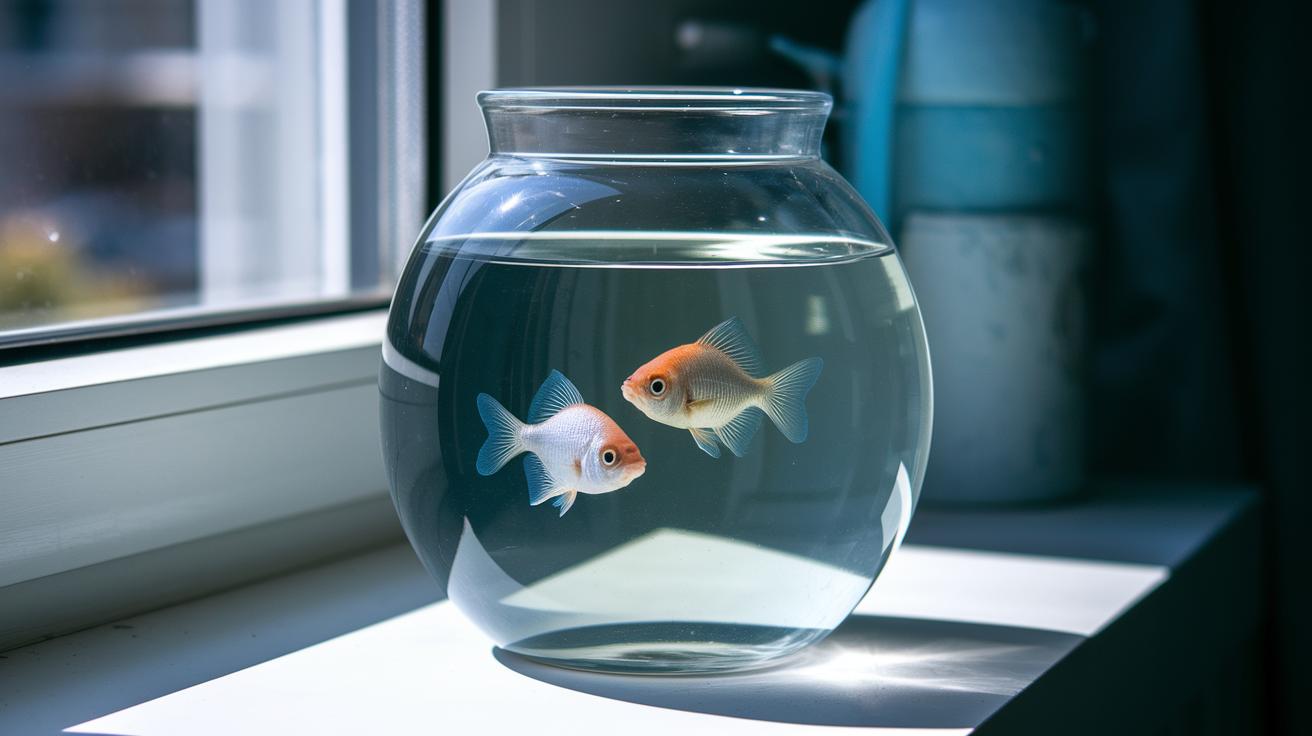
Before you welcome any new fish, check that both ammonia and nitrite are at 0 ppm. This tells you that your tank's natural cleaning process is finished and safe for marine life. Start by choosing tough fish like damsels to keep the stress on your tank at a minimum. Remember, it’s all about keeping your aquatic pals safe, so every new arrival should be added carefully.
First, gently float the sealed bag in your tank. This helps the water inside warm up and match the same saltiness as your tank. Next, set up a drip line that lets 2 to 4 drops fall each second. This slow mix is like a gentle waterfall, easing the new water into your tank gradually.
Keep a close eye on the fish during this drip process. Watch for any signs that they’re feeling stressed or uncomfortable. When things look good, carefully move the fish into the tank, handling them as gently as you would a delicate sea creature.
Finally, add just a few fish at a time and keep checking your water parameters to make sure everything stays balanced.
Advanced Conditioning Techniques for a Cycled Reef Fish Tank
Now that your tank has cycled, keeping it in great shape is a must. Simple tools like protein skimmers, UV sterilizers, and ozone (which all help clear the water and get rid of unwanted bits) work wonders. They clear away dust and debris so your tank stays bright and healthy, which is perfect for both tough and sensitive fish alike. Regularly adding calcium (around 400–450 ppm), alkalinity (8–12 dKH), and magnesium (1250–1350 ppm) is like giving your corals and invertebrates a steady, supportive boost while keeping your water balanced.
For those who love diving into the details, using advanced probes and controllers can really simplify your life. Digital sensors keep an eye on things like pH and oxidation-reduction potential (ORP), that’s just a fancy way of saying they check how clean and balanced your water is. They even send alerts if something starts drifting off mark. It’s like having a friendly little helper who lets you know when a quick tweak is needed, saving you from constant manual checks.
Automated Monitoring Systems
Automated monitoring systems take care of most of the heavy lifting. With digital probes and auto-dosing pumps, you get real-time updates that signal even tiny changes in your tank’s chemistry. These smart tools cut down on the need for hands-on work while keeping your water quality steady and your aquatic pals stress-free.
Mixing in a routine of trace element dosing with regular maintenance checks means your tank stays balanced and thriving. Plus, frequent sensor calibrations and automatic adjustments help make sure your reef tank remains a calm, stable spot for all your underwater friends.
Final Words
In the action, you started by setting up the tank with the right water, substrate, and live rock, paving the way for a healthy cycle. You followed each step, seeding bacteria, adding ammonia, and monitoring water parameters like ammonia and nitrite, until your tank was ready for its inhabitants. Every move helped build a balanced, welcoming underwater habitat. With care and patience, you’ve learned how to cycle a reef fish tank, setting the stage for a vibrant and peaceful aquatic home.
FAQ
How to cycle a reef fish tank step by step
The process for cycling a reef fish tank involves seeding beneficial bacteria with cured live rock or liquid supplements, adding an ammonia source, testing water regularly, and waiting 4–6 weeks until ammonia and nitrites drop to 0 ppm.
How to cycle a reef fish tank without using a sacrificial fish
The method to cycle your reef tank without a sacrificial fish is by using pure ammonia or fish food as the ammonia source and seeding the tank with live rock or liquid bacteria to safely cultivate essential bacteria.
How to cycle a saltwater tank in 24 hours
The idea of cycling a saltwater tank in 24 hours isn’t typical; the full process usually takes 4–6 weeks, even though some products claim to speed up bacterial growth slightly.
What does a saltwater tank cycle chart show
The saltwater tank cycle chart outlines the progression of water parameters—ammonia, nitrite, and nitrate—over time, helping you track when your tank is safe for livestock.
How to cycle a saltwater tank with clownfish
Cycling a saltwater tank with clownfish is not recommended initially because their stress levels can rise; it’s best to complete the cycle before introducing any fish to protect their health.
How can I cycle a saltwater tank with live sand
Seeding a saltwater tank with live sand adds beneficial bacteria naturally; this speeds up the cycling process when combined with an ammonia source and careful water testing.
How long does it take to cycle a saltwater tank
The process to fully cycle a saltwater tank typically takes 4–6 weeks, as you need to see ammonia and nitrite levels reach 0 ppm before adding any livestock.
How to cycle a saltwater tank with live rock
Using live rock in your saltwater tank helps seed it with beneficial bacteria, which jumpstarts the cycling process; be sure to test your water until ammonia and nitrites are 0 ppm.
How long does it take to cycle a reef tank
A reef tank normally takes 4–6 weeks to complete its cycle, with steady drops in ammonia and nitrite levels indicating the tank is safe for adding livestock.
How to cycle a saltwater tank for beginners
Beginners can start cycling a saltwater tank by adding a bacterial source like live rock or liquid supplements, dosing with ammonia, and testing water levels twice weekly over 4–6 weeks to ensure stability.
How do I know if my reef tank is cycled
Your reef tank is cycled when water tests consistently show 0 ppm ammonia and nitrites, confirming that beneficial bacteria have established a safe environment for fish and corals.
How long do I have to wait to put fish in a saltwater tank
You should wait to add fish until both ammonia and nitrites are at 0 ppm on your tests, which usually takes around 4–6 weeks, ensuring a safe and healthy environment for your new tank mates.