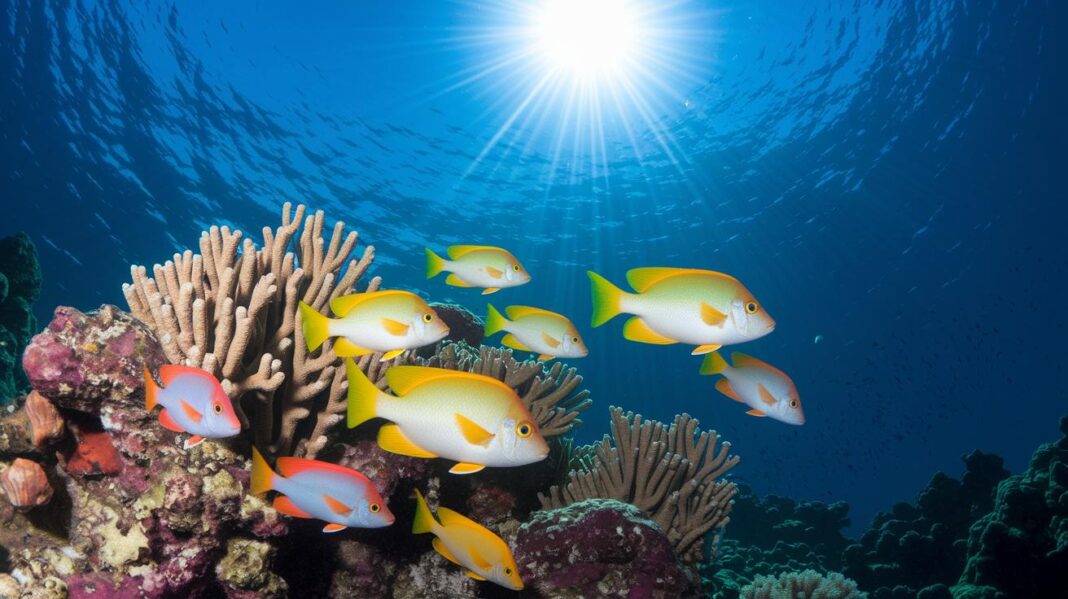

Ever wondered how reef fish show us they're feeling good? Simple numbers can reveal if our underwater pals are thriving or having a tough time. In this post, I share some key stats that work like a friendly check-up for our fishy friends. We look at things like fish size, the gentle warmth of the water, and the number of species, each giving us a peek into the health of their ocean home. Stick with me as we dive into these signs, it's like watching a school of fish glide by on a sunny day.
Key Health Metrics for Reef Fish Populations
Imagine taking a clear underwater snapshot that shows us how reef fish are feeling. Standard measures help us see the state of these beautiful creatures over different spots and times. They give us hints about whether our fishy friends are thriving or facing troubles. For example, when we look at numbers like the Large Reef Fish Index and the Reef Fish Thermal Index, we can sense trends in fish sizes and water temperatures that shape their communities. These measures also reveal how conditions might stress the colorful residents of the reef.
Each metric is like a little story about the reef’s health. The Large Reef Fish Index watches the biomass of fishes larger than 20 centimeters in a 500 square meter area, giving clues about fishing pressure. The Reef Fish Thermal Index checks how warm-loving the species are to signal temperature changes. Meanwhile, surveys for fish species richness and hidden critters tell us about diversity in the reef. Counting sea urchins helps us understand risks of seaweed taking over, and a look at shark and ray counts shows us the pressure on longer-lived marine giants. Scores for habitat cover check how healthy the reef structure is by looking at live corals or algae. Collecting data from many sites helps smooth out any local surprises, keeping our view of the reef steady and clear.
| Metric | Definition | Calculation Method |
|---|---|---|
| Large Reef Fish Index B20 | Biomass (kg per 500 m²) of fishes bigger than 20 cm | Field survey counts and biomass estimates |
| Reef Fish Thermal Index CTI | A water warmth measure based on each species’ heat preference | Temperature trend analysis per species |
| Fish Species Richness | Count of visible fish types | Method 1 surveys |
| Cryptic Fish Richness | Count of hidden fish species and invertebrates | Method 2 surveys |
| Urchin Density | Number of sea urchins (excluding species like Echinometra) | Direct in-field counts |
| Shark and Ray Density | Total count of Elasmobranchii species | Combined counts from surveys |
Scientists and managers find these measures like a trusty map, guiding conservation and care for the reef. They help spot areas where the natural balance is off and where extra attention might be needed. This understanding lets them set fishing limits, plan habitat repairs, and spark more research to keep our underwater world thriving.
Physical Health Indicators in Reef Fish
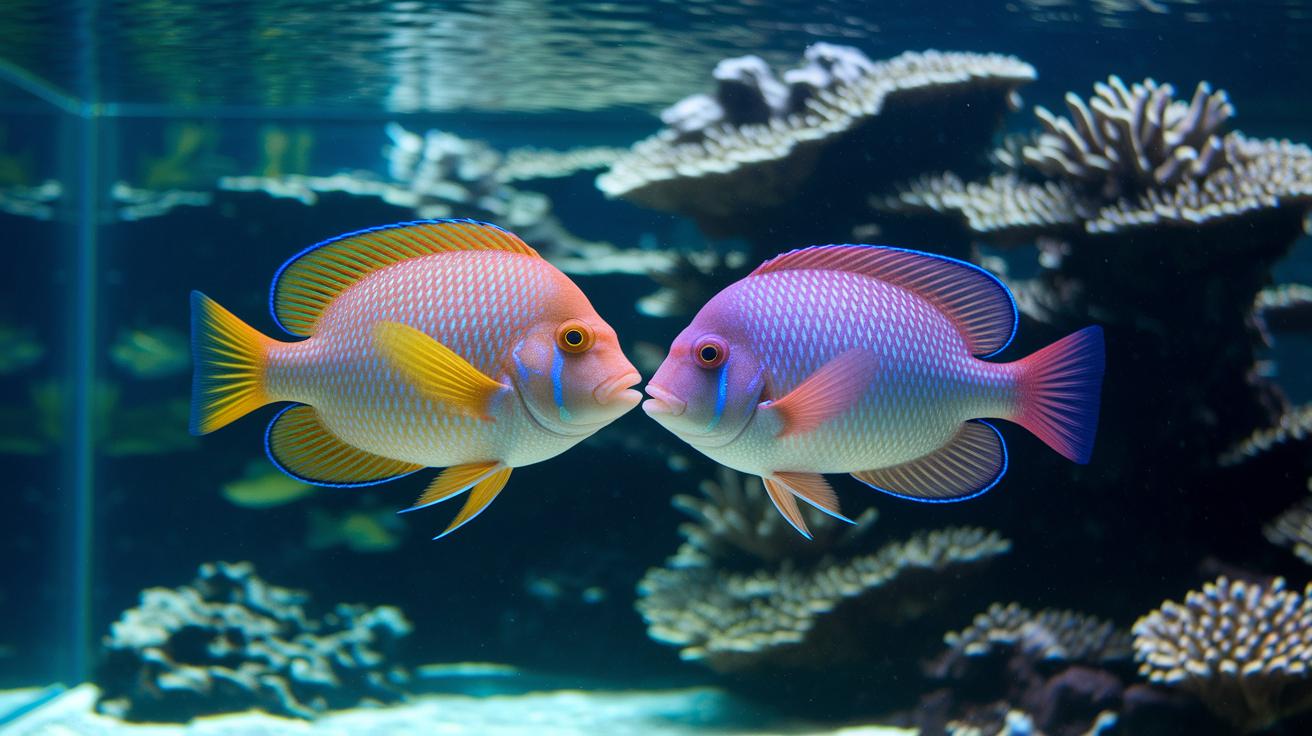
Regular check-ups for your reef fish are like a quick swim around the tank, they help you spot problems early. When you take a close look at their fins and scales, you might notice little signs of scratches or unusual wear. Even a slight bit of fin fraying could mean that your fish has been through some stress or brushed against something it shouldn't have. Keeping an eye on these hints gives you the chance to step in before things get worse.
Looking closely at a fish’s scales is a bit like scanning a sandy bottom for hidden treasures. If you see scale loss, small spots, or color changes, it might mean that some pesky parasites or poor water conditions are causing discomfort. Imagine gently running your finger along the smooth surface of a fish and feeling a tiny rough patch, this is your fish’s way of telling you that something’s not quite right.
The gills offer another glimpse into your fish's well-being, much like watching the gentle ripple of water over stones. Any odd changes, such as a shift in color, unusual tissue, or signs that the cells aren’t healthy, can hint at trouble, like pollutants building up or low oxygen in the water. By noticing these subtle changes, experts can quickly figure out what might be stressing your marine friends, helping them keep that delicate balance of life in your aquarium.
Molecular Biomarkers for Reef Fish Health Indicators
Biochemical and molecular biomarkers are like little clues hidden in fish bodies that tell us how well they’re doing. By taking samples from several places at once, scientists can cut through the local quirks and get a clearer idea of reef fish health. These clues include things like enzyme levels, stress proteins, and antioxidant strengths. Think of them as early warning signals, helping us see changes in a fish’s health before any problems show up in how they look or behave.
Tests that focus on heat-shock proteins, cortisol, and important metabolic enzymes give us a closer look at what’s happening inside a fish. When we measure these stress proteins, it's like checking if the fish are feeling the pressure of their surroundings. At the same time, enzyme activity tells us about their ability to bounce back from challenges. And the levels of antioxidant enzymes? They hint at how well a fish is defending its cells against stress. Together, these tests help build a complete picture of a fish’s inner world.
Mixing the results from these lab tests with what we see in the field makes for a strong plan for protecting our reefs. When we combine lab work with on-site fish observations, we get deeper insights into the overall health trends of reef fish. This mix allows us to double-check our findings and notice even the subtlest of changes. In doing so, we can make smart decisions that help keep these beautiful underwater communities thriving for years to come.
Behavioral Health Indicators in Reef Fish: Promising signals
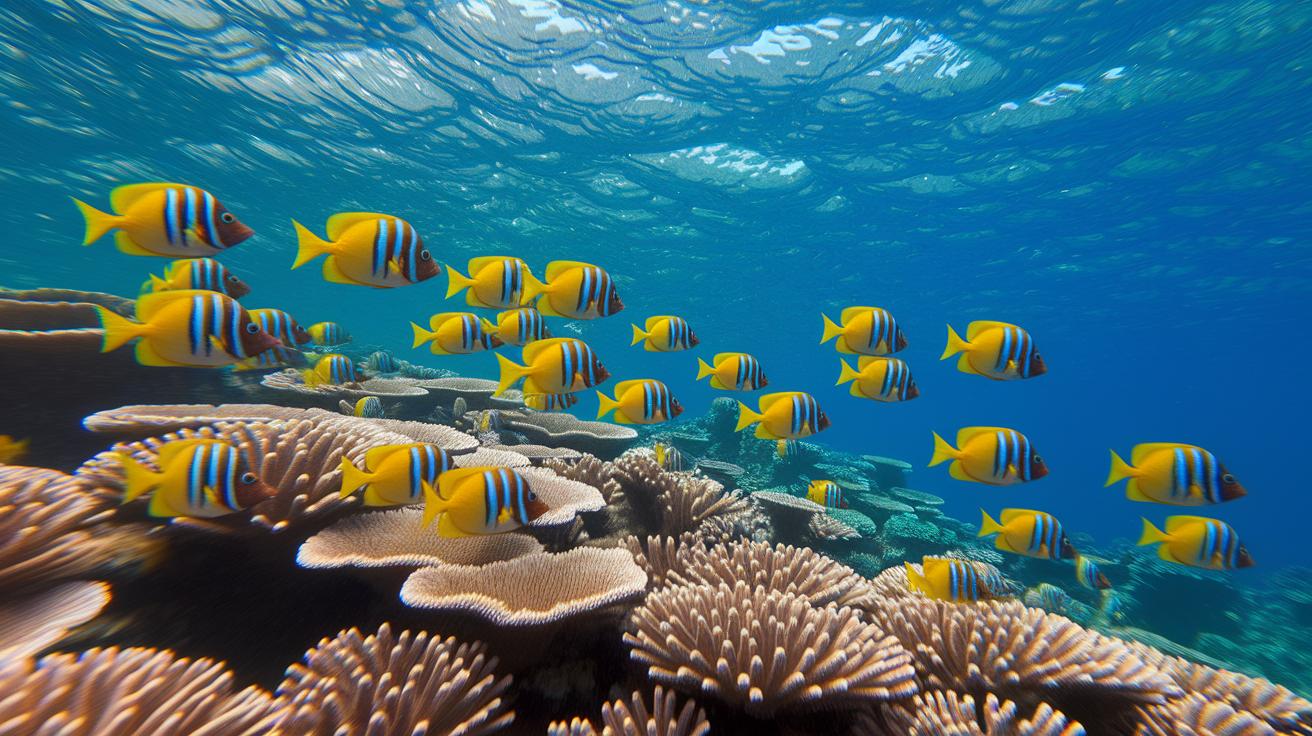
Watching reef fish in their natural home gives us a friendly peek at their overall health. We gently observe how they move and interact to check if they feel stressed, all without getting in their way. By noticing how quickly they dodge predators and how they respond to everyday challenges, scientists can spot early hints of trouble.
For example, if a fish starts taking longer to escape or seems slower when avoiding danger, it might be feeling a little stressed. Changes in swimming or feeding habits can also show that the fish is dealing with shifts in its environment. These simple observations work like a natural check-up, helping us see signs of stress early on. Even small changes in courtship or spawning behavior can tell us a lot about how future fish generations might fare.
By watching fish over time, we build up a helpful record of their behaviors. This steady watch lets us notice even tiny changes in how they swim, feed, or react to threats. In truth, these insights support smart conservation decisions that keep our reef fish strong and safe.
Environmental Stressors Impacting Reef Fish Health Indicators
Our reef fish face more than just calm, clear waters. They live in places where climate change, overfishing, and pollution stir up trouble. When water warms or turns more acidic, these fish change their ways, and their homes suffer right along with them. Researchers check things like Habitat Cover scores, which are simple measurements of coral and seaweed loss, to get a complete picture of what these fish are dealing with. Recently, the 2020 Recommendation under the Post-2020 Global Biodiversity Framework underscored this need to watch over these stressors.
Pollution and Toxin Exposure
Consider the hidden hazards lurking in the water. Pollutants such as organic compounds and heavy metals slowly settle into the reefs where our fish live. Over time, these toxins accumulate in the fish, much like a slow leak that wears down a sturdy boat. Scientists measure these pollutant levels to see how they disrupt the fish’s body functions at a tiny, cellular level.
Climate and Habitat Stressors
The ripple effect of changing water temperatures is significant. When the ocean warms, we see changes in metrics like the Reef Fish Thermal Index, a tool that helps track the temperature comfort for fish. Rising temperatures, increased acidity, and shrinking reef habitats all change the way fish behave. This can impact their feeding, their breeding, and even their basic way of life. It’s similar to how a sudden change in your neighborhood can make everyday routines feel different.
In truth, these external stressors mix up the usual signs of fish health. As toxins build up and water temperatures rise, they serve as gentle reminders for scientists. These early warning signs are crucial, helping guide important decisions to protect our precious reef ecosystems.
Protocols for Monitoring Health Indicators in Reef Fish
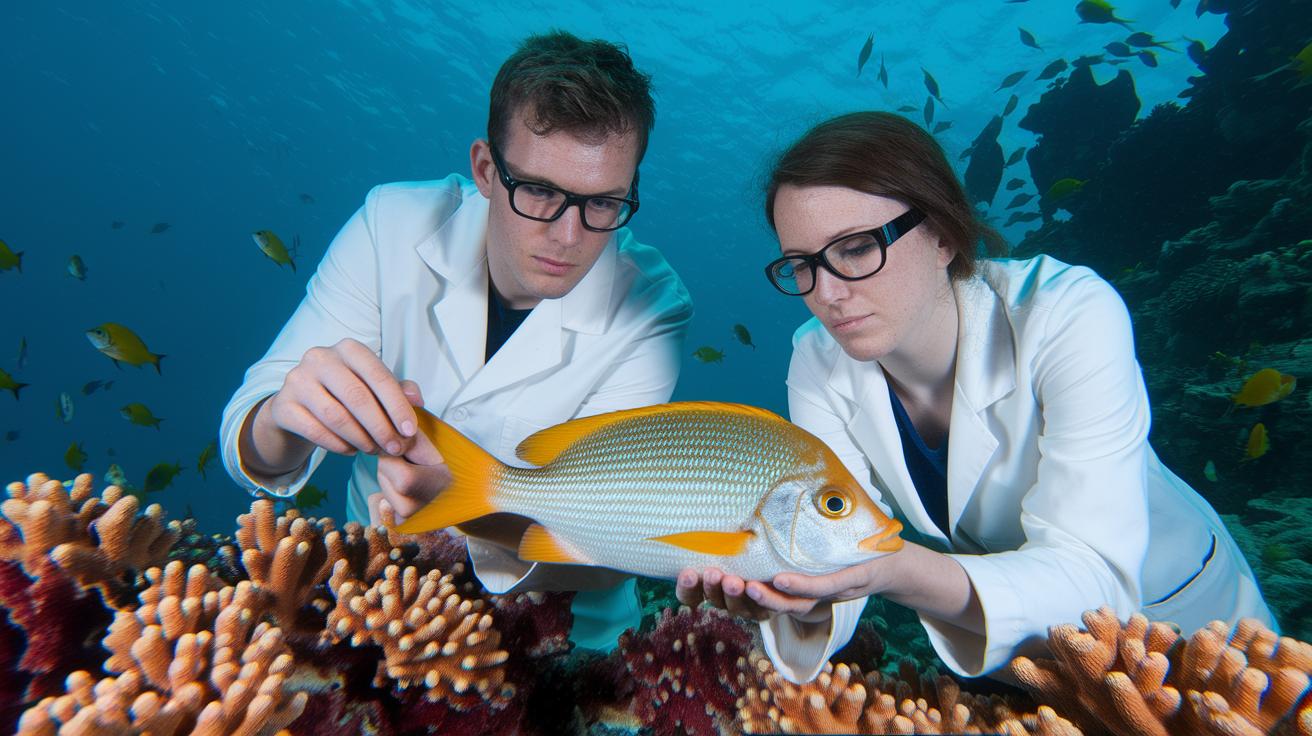
When checking on our reef fish, choosing the right spots to survey is key. We use two simple methods, Method 1 for most fish and Method 2 for the sneaky cryptic fish and little invertebrates. It’s like using a trusted compass, guiding us to every corner of the reef with care.
We keep our checks regular, blending lab work with field surveys to catch every small change. The team sticks to a set schedule, much like a clock that never misses a beat. This steady approach gives us clear insights into how the reef is doing day by day.
When we crunch the numbers, smoothing techniques help even out any local bumps. By matching our findings with regional Reef Health scores, seeing how many spots make the top tier, we catch even the faintest shifts. In this way, our process mixes solid numbers with the real pulse of the reef, letting us truly hear its gentle melody.
Final Words
In the action, the post reviewed key metrics, physical checks, biochemical assays, and behavioral cues to gauge reef fish vitality. The article also touched on environmental stressors and laid out practical sampling techniques. Each section painted a clear picture of what matters when crafting a thriving aquatic environment. By examining both on-site observations and lab assays, experts can better track health indicators in reef fish and keep aquatic habitats vibrant. Every step helps nurture a balanced underwater home, encouraging continued excellence in fish care.
FAQ
Q: What are the best health indicators for reef fish in PDFs, aquariums, and research?
A: The health indicators for reef fish include metrics like biomass, thermal index, species richness, and observable traits such as fin condition. These tools help gauge fish well-being in aquariums and field studies.
Q: How does the Coral Health Index reflect reef health and what signs indicate a thriving coral reef?
A: The Coral Health Index reflects reef health by measuring live coral cover, species diversity, and tissue integrity. These signs help experts understand if a reef is thriving and sustaining marine life.
Q: What indicator species and methods are used to assess the health of coral reefs?
A: The assessment of coral reef health uses indicator species and methods such as coral cover measurements, lesion scoring, and water clarity checks to provide a clear picture of reef resilience and function.
Q: How do healthy reefs benefit people and the surrounding environment?
A: Healthy reefs support vibrant marine ecosystems that offer food resources and coastal protection. They act as natural buffers, improving conditions for both marine life and local communities.