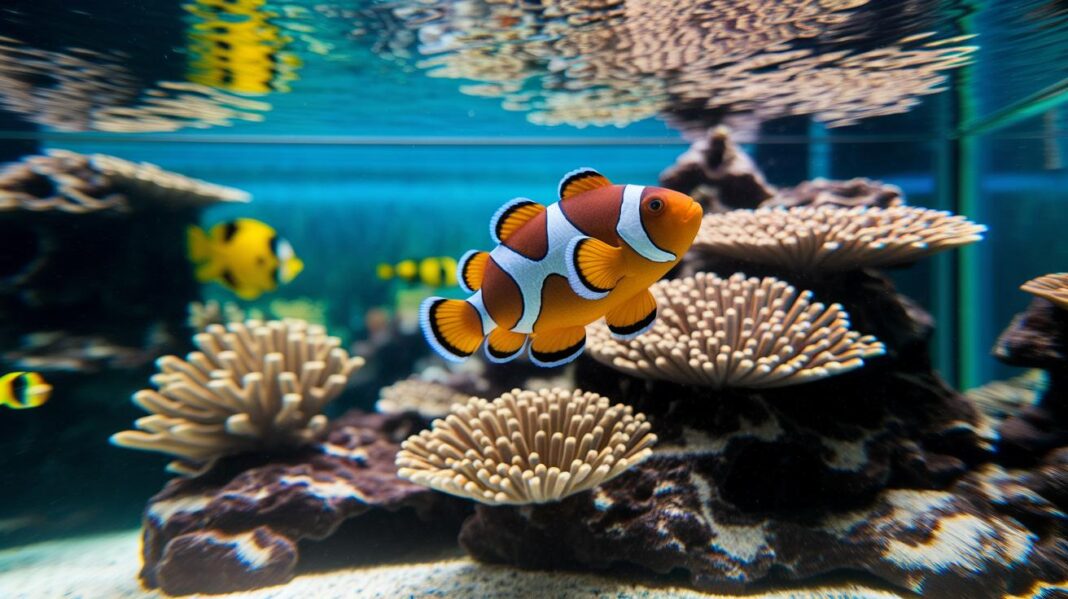

Have you ever thought about how a reef aquarium might add a burst of color and calm to your home? Picture your own little ocean, where vibrant fish and glowing corals create a living, moving painting.
Setting up a tank is more than just picking out the tools. It’s like planning a mini underwater wonderland. You'll start by choosing a cozy spot that feels just right, then design a space where fish and coral can live happily side by side.
Before you know it, you’ll have a peaceful, colorful scene that lights up every room, a gentle reminder that sometimes, a splash of the ocean is all you need to brighten your day.
Planning Your Reef Fish Aquarium Setup
Start by dreaming up your perfect underwater world before you buy any gear. Picture a vibrant reef where bright colors and a calm, soothing vibe blend together. Imagine setting up a 120-gallon reef system, where every fish and bright coral feels like a little stroke on a living canvas.
Next, pick the best spot in your home for your tank. Look for a place with plenty of room that isn't hit by strong sunlight and where temperatures stay steady. Think about whether your tank will sit in the living room, bedroom, or somewhere quiet. Your choice affects both how your lighting works and the overall mood of your space.
Size matters a lot in a reef tank. While many beginners start with small tanks, saving up for a bigger one like a 120-gallon setup can really pay off. A larger tank keeps water conditions more stable and gives your fish and coral room to grow. It’s like building a strong home base as you become a seasoned aquarist.
Make a clear list of all the essentials, and remember to choose quality over extra gadgets. Here’s a little checklist to get you started:
| What to Consider | Details |
|---|---|
| Location | Room spot, light levels, and ease of access |
| Tank Material | Glass or acrylic |
| Design | Your vision for how the tank should look and flow |
By planning carefully from the start, you're setting yourself up for success. Keep your end goal in mind and work step-by-step to choose where your tank will live, how you'll budget, and what design best fits your dream reef. Every detail matters when you're creating a stunning underwater scene.
Essential Equipment Selection for Reef Fish Aquariums
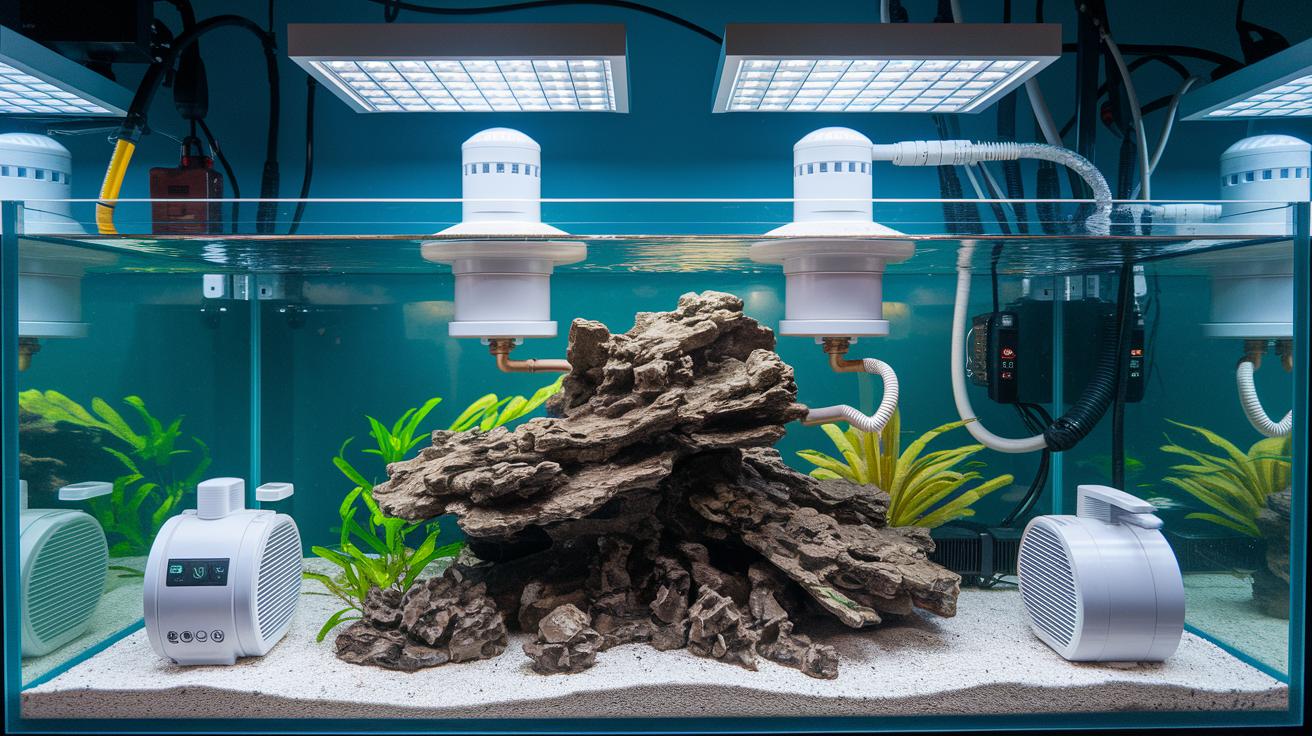
When starting your reef aquarium adventure, it all begins with a clear checklist of the essentials. First off, keeping a steady temperature is key. I always recommend using two heaters with a temperature controller so your tank stays in that sweet spot your fish will love. These controllers usually run around $30-$60, and they work like a gentle thermostat that keeps your water cozy.
Next, let’s chat about pumps. For a smooth, quiet operation, go with DC pumps for both returning water and making cool waves in the tank. They might cost a bit more than the usual AC versions, but their low hum turns your aquarium into a calm, peaceful haven. And speaking of a perfect look, when setting up your lighting, it really helps to check if you have the right light level. A PAR meter does just that, it measures light so every corner of your tank gets the perfect glow. If a PAR meter feels a bit too fancy for your budget, maybe try borrowing one or renting it.
Filtration is another must-have for keeping your underwater world crystal clear. Protein skimmers and sumps work hand in hand, much like a team keeping your water fresh and inviting. Add in some live rock and the right substrate, and you also bring in a touch of natural beauty to your setup.
Don’t forget a screen or lid for proper gas exchange, it’s a bit like giving your tank a breath of fresh air, though it might cause a little extra evaporation. And to keep everything neat, manage your cables with Velcro ties instead of the usual ones. For an extra layer of security against any unwanted pathogens, consider tossing in a UV sterilizer as an optional tool.
Every piece of equipment plays its part, shaping your aquarium into a stunning and balanced ecosystem that mimics nature’s own gentle flow. Enjoy setting up your aquatic paradise, and remember, each step you take makes your little underwater world more magical.
Cycling Your Reef Fish Aquarium for a Stable Marine Environment
Start by getting to know the nitrogen cycle, a natural process that turns dangerous waste into safer compounds. Over the next 4 to 6 weeks, friendly bacteria work hard to change ammonia into nitrite and then into nitrate. Your goal is to see no ammonia, no nitrite, and only a little nitrate (below 20 ppm) in your water.
It makes sense to test your water twice a week during this time. For example, if you check every Monday and Thursday, you'll catch the shifts in ammonia and nitrite levels. Once you see both drop to 0 and nitrate stays under control, you can relax a bit and start testing weekly or every other week.
For a little boost, try adding live rock or bottled bacteria. This step helps your tank build a strong community of good bacteria, much like a gentle tide making the water safe for all your marine pals. Stick to your testing routine, because a balanced environment is the heart of a thriving reef aquarium. Remember, every test brings you closer to a healthy underwater home.
Reef Fish Aquarium Water Chemistry Overview
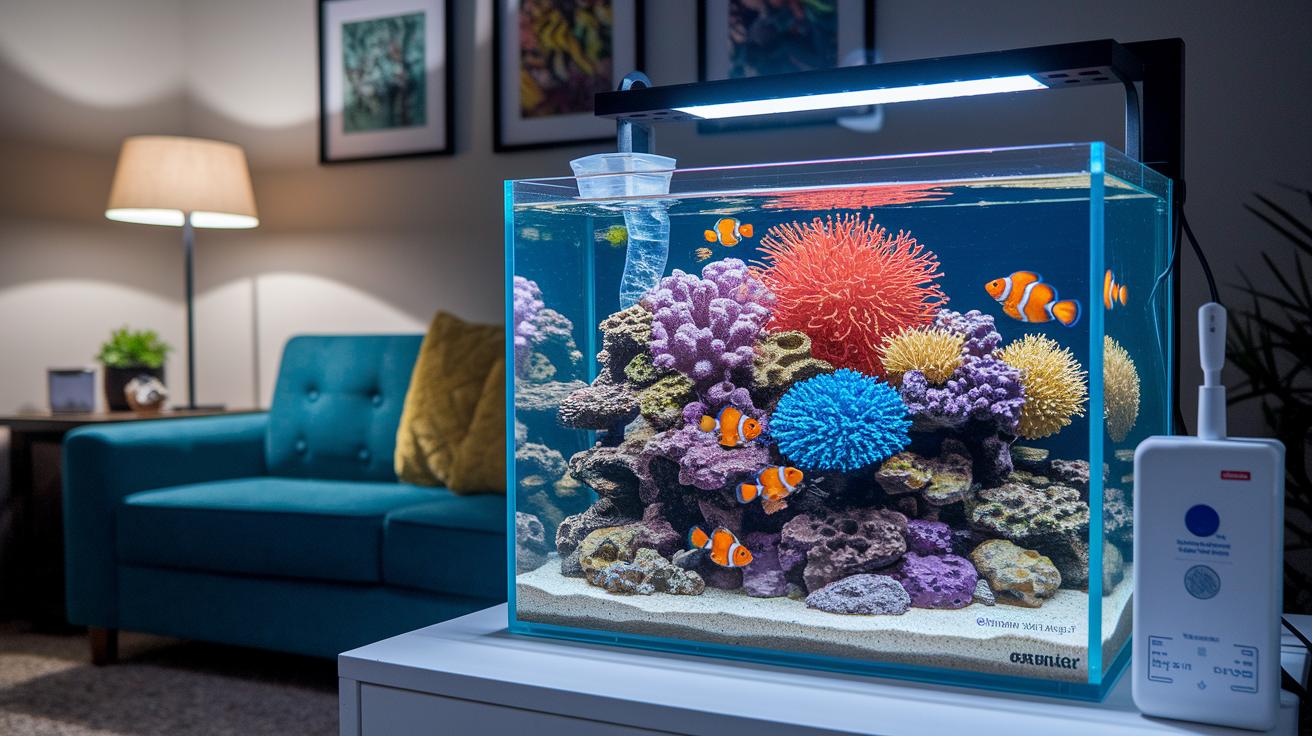
Keeping your reef tank water in balance is the secret to a happy underwater world. Think of it like caring for a little patch of ocean in your home, where six main things matter: salinity, temperature, pH, alkalinity, calcium, and magnesium.
Salinity is like the saltiness of seawater. It should be between 1.025 and 1.026 sg, and a refractometer helps you get those numbers just right. Temperature is also key, try to keep it steady between 76 and 80 °F so your fish and corals feel comfortable. pH should stay in the 8.1 to 8.4 range. This helps create a natural setting for your marine life.
Next comes alkalinity. This range should be between 8 and 12 dKH and acts like a buffer to keep your pH steady. Calcium is important too; it should be between 350 and 450 ppm to help your corals grow strong. Magnesium, resting between 1,200 and 1,350 ppm, works together with calcium to support the structure of your tank.
Once your tank has cycled, you can ease off on testing. Checking once a week or every two weeks with a good hobby kit is just fine. Keeping an eye on these numbers helps you catch any changes early. And if the pH or salinity drifts, a few small fixes, like a buffering agent or a calcium boost, can set things right again.
Regular water testing is like having an early warning system. Make a note of each test so you can see trends over time and adjust your tank to keep everything in harmony.
Selecting Reef-Safe Fish and Corals in Your Beginner’s Aquarium
Starting out with your aquarium is a bit like putting together a beautiful underwater puzzle. Friendly fish like clownfish, gobies, and royal gramma add life, color, and warmth to your tank. They easily mix in a peaceful home, making your aquatic world lively and vibrant. Just remember, always quarantine new fish to keep your established tank happy and healthy.
When it comes to picking corals, options such as Zoanthids, mushrooms, and leather corals are often favorites for beginners. These corals bring a splash of natural beauty and are known for being flexible with different water conditions. Keep an eye on things like water flow and light because getting these just right helps your delicate corals thrive, much like how a gentle current helps carry a leaf downstream.
A few important care tips are worth noting. Aim to keep your tank’s temperature steady between 76°F and 80°F, and make sure the pH stays around 8.1 to 8.4. Regular water changes and routine checks of your tank’s chemistry are key to maintaining a healthy balance. An extra tip: feeding your reef fish frozen foods instead of pellets can be a game changer. Frozen seafood packs more protein and fewer fillers, leading to less pollution in your tank and happier, healthier marine friends.
Here’s a quick checklist to keep in mind:
- Quarantine new fish before adding them.
- Feed reef fish high-quality frozen foods.
- Keep a close watch on temperature, pH, and lighting to support both fish and coral health.
With these ideas in mind, you'll create a beautiful, balanced reef aquarium that not only looks stunning but also offers a safe and thriving home for your aquatic pals. Enjoy every ripple and splash of your underwater world!
Basic Maintenance Routines for Reef Fish Aquariums
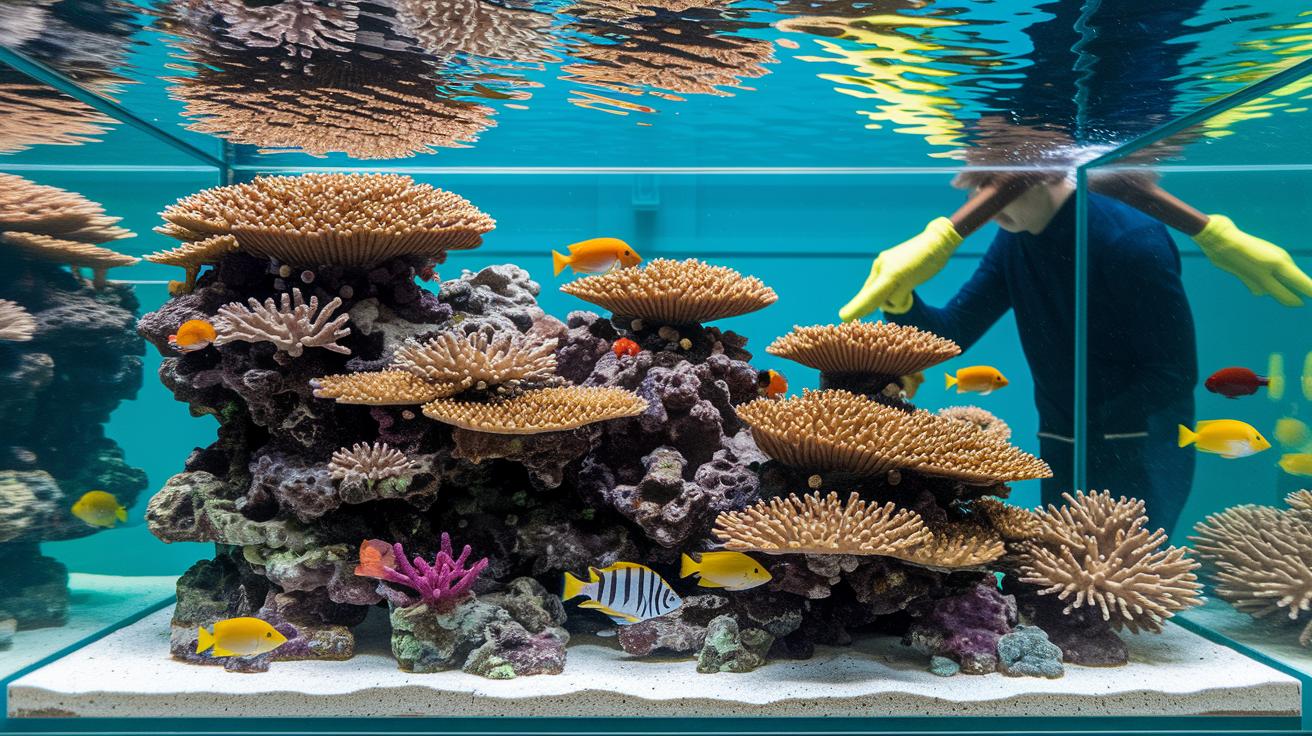
Start by setting up a routine that flows as naturally as a calm stream. A clear schedule is key to keeping your reef tank bright and healthy. I always make sure to change about 20% of the water every week. This simple step helps keep the water clear, reduces stress on the corals, and keeps the fish happy. Checking the glass, filter, and skimmer, and adding your supplements on time, are like giving your underwater home a little daily boost.
Sticking with a routine really does the trick, especially for beginners. It’s a bit like brushing your teeth; little, regular actions add up over time. For example, a weekly cleaning of the glass stops algae from taking over, letting you enjoy a sparkling view of your marine life.
Here’s a simple checklist to help guide your weekly care:
| Task | Frequency |
|---|---|
| Water Change | Weekly (20%) |
| Glass Cleaning | Weekly |
| Filter/Skimmer Check | Weekly |
| Supplement Dosing | Monthly |
| General Tank Inspection | Weekly |
Keep an eye on your routine and tweak it as needed based on how your tank is doing. A steady, caring approach creates a safe, happy space for all your aquatic friends. Enjoy watching your little underwater world flourish!
Troubleshooting Common Issues in Reef Fish Aquariums
Keeping a reef aquarium is a bit like enjoying a quiet day by the shore, sometimes smooth and calm, and other times a bit stormy. You might see sudden changes in water quality, unexpected algae blooms, fish not feeling well, or even equipment not doing its job.
The first thing to do is check your water quality often. Testing your water helps you catch any unexpected rises in ammonia or nitrite early. If you notice a change, take a closer look at your heater, filter, or skimmer. For example, if ammonia levels spike, it could mean your protein skimmer is blocked or your live rock isn’t working as it should.
Algae blooms can be really frustrating, like an uninvited guest at a calm beach day. Try gently brushing away the extra algae with a soft sponge or brush when you clean your tank. And if you want to add extra help, a UV sterilizer can reduce algae spores and keep pesky pathogens at bay. Remember, a steady, patient approach is key to keeping your aquarium in balance.
If your fish start acting sluggish or lose their appetite, it might be time to worry. Check the water quality right away, and think about moving the unwell fish to a separate space for a bit. Also, make sure your equipment is working properly, because even a simple malfunction can upset the whole setup.
Here’s a simple checklist to keep your tank thriving:
- Test your water twice a week until everything stabilizes.
- Inspect your equipment for any blockages or damage.
- Gently remove any extra algae from the surfaces.
- Consider adding a UV sterilizer for extra help.
- Quarantine any fish that show signs of illness.
Step by step, your careful attention will help create a resilient and beautiful underwater world.
Final Words
In the action, this post walked through planning your ideal reef system, from choosing equipment and cycling your tank to balancing water chemistry. It broke down picking reef-safe fish and demystifying basic upkeep, all in simple, friendly steps. You now have a clear step-by-step guide to avoid common pitfalls and fine-tune your setup. Enjoy transforming your space into a thriving marine home using this beginner's guide to reef fish aquariums. Keep experimenting and watching your underwater world flourish!
FAQ
What should I know before starting a saltwater or reef aquarium?
The basics include a clear plan, a proper space, and a budget. Researching fish compatibility, required equipment, and the cycle process helps you create a stable, vibrant home for your marine life.
What is included in a beginner saltwater aquarium kit?
A beginner kit typically has a tank, filter, heater, and lighting. These essentials help set up an environment with clean water and stable temperatures, making it easier for you to manage your new marine pet home.
What is the best fish for a beginner reef tank?
The best fish in a reef tank are hardy species like clownfish. Clownfish are bright, easy to care for, and adapt well to varying water conditions, making them ideal for newcomers.
How do I start a reef aquarium?
Starting a reef aquarium involves planning your space, choosing the right tank size and equipment, and cycling your tank slowly. Follow a step-by-step process to allow the water to become stable before adding fish.
What is the best size reef tank for a beginner?
A tank around 30 to 55 gallons provides enough volume for stability while remaining manageable. This size helps maintain consistent water quality and makes it easier to monitor water parameters during the early stages.
What order should I add fish to a reef tank?
Begin with the hardier species to help settle the system, then slowly add more delicate fish. This allows the tank to adjust gradually and prevents sudden shocks to the water chemistry and living environment.
How much does a saltwater aquarium setup cost?
Costs can vary from a few hundred dollars for a basic kit to several thousand dollars for a larger, premium system. Your choice of tank size and equipment quality will largely influence the final price.
What is the role of a saltwater aquarium filter?
A saltwater aquarium filter cleans the water by removing waste and particles, which keeps the environment healthy for fish and corals. It plays a key role in maintaining water clarity and quality.
What aquatic life is suitable for a reef tank compared to freshwater fish?
Reef tanks are best suited for saltwater species like clownfish, gobies, and hardy corals. Freshwater and tropical fish thrive in their own environments, so mixing them can cause stress and compromise water quality.