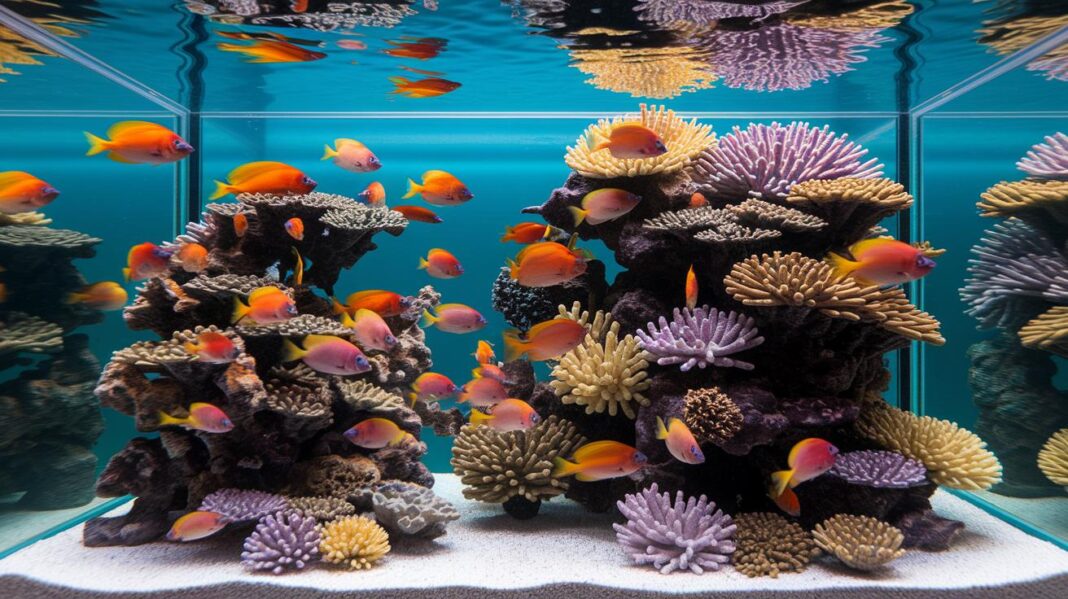

Have you ever thought that a few simple tweaks could breathe new life into your reef tank? Imagine your underwater world turning into a lively refuge where every fish feels at home and every piece of coral shines. Here, I'll share easy, friendly tips to help you plan your tank setup, check your water carefully, and notice even the smallest changes. All of these little steps will help turn your tank into a calm and balanced retreat, much like the gentle ripple of water on smooth pebbles. Ready to see your reef fish hobby flourish?
Core Reef Fish Care Strategies for Hobbyists
Before you buy any gear or fish, plan out your tank setup as carefully as you’d plan a family road trip. A little thought now can keep your tank balanced later, saving you from mistakes that might cause trouble in the long run.
Start with a 40-gallon tank if you’re new to the hobby. It gives you enough room for a happy, balanced underwater world without feeling too big or overwhelming. Test your water every week during the cycling period by checking ammonia and nitrite levels. When your tank starts to settle down, you can switch to testing every other week. One tip I learned: testing daily helped me see the changes clearly, but now I trust the weekly routine.
Keep your tank’s temperature steady between 76 and 82°F. Use two heaters along with a temperature controller to make sure things stay just right. You can even pick up a good one for about $30 to $60. Keep a simple logbook nearby to jot down your water test results, heater performance, and any new fish or coral you add. This helps you notice even the subtlest changes in your tank’s health.
It all comes down to patience. Don’t rush into buying fish or coral on a whim; taking your time helps keep the tank balanced. I once rushed my choices, only to learn that careful planning really makes your tank not just look lively but truly thrive.
So, remember: solid reef care is all about planning, checking your water often, and making thoughtful choices. Stick to your plan, test your water regularly, and keep your log updated. These aren’t just tips, they’re the building blocks for a healthy, beautiful reef tank that you can enjoy every day.
Optimizing Water Parameters for Reef Fish Health
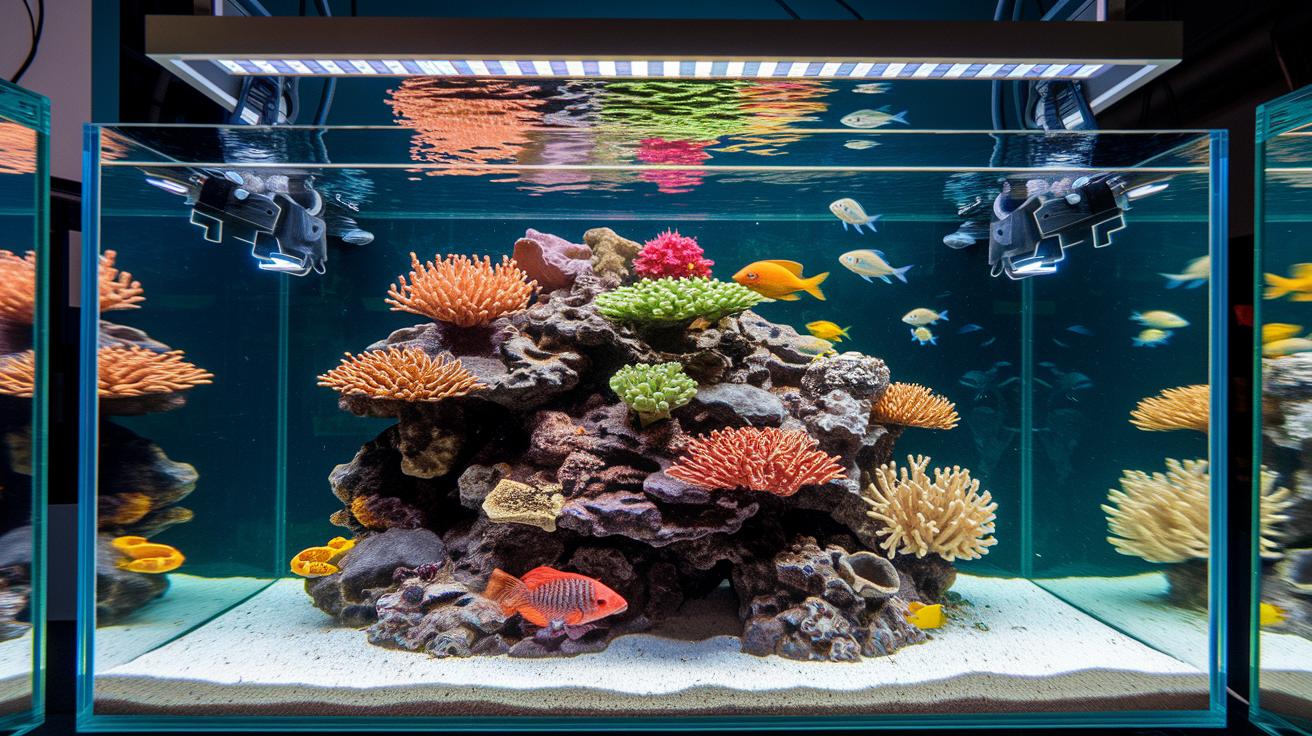
Start with a simple plan and a clear goal. Keep an eye on your tank by testing your water regularly and making small tweaks when needed. You want your salinity to hit around 1.025 to 1.026, and a good hydrometer or refractometer makes getting that right a breeze. One fellow fish lover once said that using a refractometer was like having a buddy by your side, each reading easing their worries.
Then, check the pH and aim for a balance between 8.1 and 8.4. Reliable test kits help you do this quickly, making sure your underwater friends always have a calm and steady home.
Next, focus on keeping your temperature steady. Try to maintain a range of 76°F to 82°F by tweaking your heater settings every day, kind of like adjusting your thermostat at home. In those early days of setting up your tank, test for ammonia, nitrites, and nitrates twice a week to catch any surprises. Once everything calms down, weekly checks are all you need.
Think of these little steps as regular check-ups for your tank. Every measurement, whether it’s salinity, pH, or temperature, tells you a piece of the story about how your underwater world is faring. With regular tests and gentle adjustments, you’re setting up a thriving, crystal-clear reef fish habitat that will keep your finned pals happy and healthy.
Enhancing Aquarium Filtration and Circulation for Reef Fish
Start by choosing a protein skimmer that works like a trusty helper, pulling out dissolved stuff such as ammonia, nitrite, and phosphates. One tank owner even shared, "The skimmer cleared my water faster than any other tool I’d tried," which really shows off how well it keeps water quality in check.
Next, add in some natural bio filters like live rock and biopellet reactors. These naturally break down waste without needing extra power. Think of your tank like a bustling little city where the live rock is the recycling center, quietly processing waste and supporting your marine friends.
Then, try out DC circulation pumps and wavemakers for smooth and quiet water flow. Unlike their AC cousins, DC models let you control the current just right, creating a calm environment that helps your coral and fish feel right at home. A friend once said, "Switching to a DC pump was like adding a whisper-quiet current that benefited all my tank residents," and it truly made a difference.
For even clearer water, consider adding a UV sterilizer in a closed-loop system. This tool helps keep free-floating algae and germs at bay, keeping your tank as clear as a mountain stream. For extra tips on advanced filtering and the latest equipment, check out innovative technologies at https://sweetfysh.com?p=1264.
Lastly, keep your setup in top shape by inspecting and cleaning your gear regularly. It helps to keep a little log of how things work so you can make small tweaks along the way. With every upgrade, your tank transforms into a serene, pristine aquatic retreat for your reef fish.
Mastering Reef Aquarium Lighting and Aquascape Techniques
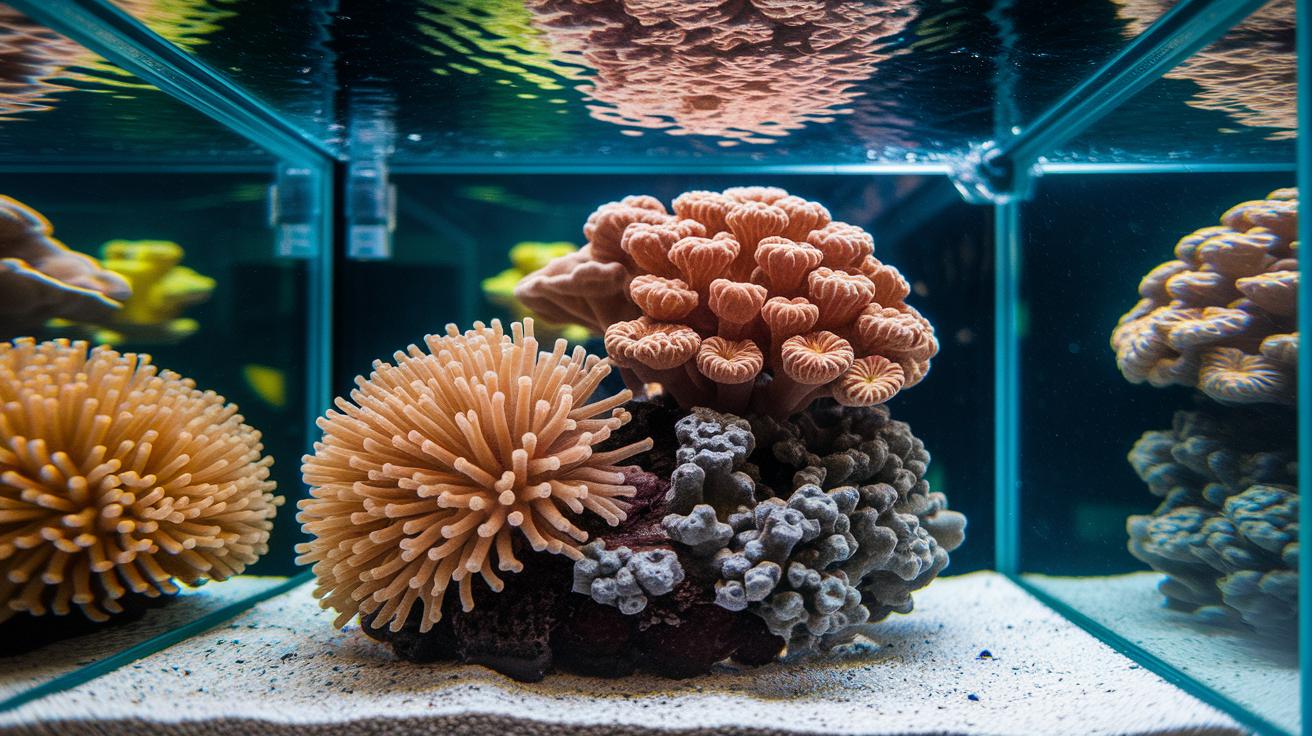
Finding the perfect light for your reef tank is key. You might borrow or rent a PAR meter, a simple tool that shows you exactly how much light your tank gets. I remember a fellow aquarist mentioning that one quick measurement made his coral look so much happier. Switch between blue and actinic bulbs as needed to keep your corals smiling.
Think of your rock arrangements like creating your own mini seascape. Every rock has a role in giving your tank a natural, balanced look. For example, you might place bright, high-light corals like SPS at the top and let shade-loving species, such as mushrooms or LPS, settle in lower spots. For more ideas on arranging these treasures, check out coral decor for aquarium.
A darker substrate, think black or dark gray, can work wonders too. It helps the colors of your corals and fish really pop, adding a modern twist to your setup. Experiment with different placements until your tank feels as harmonious as a gently flowing stream.
And don’t be afraid to keep fine-tuning your design. Sometimes just moving a coral fragment a little bit can light up your entire display in a delightful way. Little tweaks can make a big difference, keeping your underwater world vibrant and full of life.
Establishing Effective Reef Fish Feeding Schedules and Nutrition
Keep a steady feeding routine that gives your reef fish the right mix of nutrients while helping your tank stay clear. Start by choosing frozen treats like brine shrimp or mysis instead of pellets. One aquarist mentioned that feeding frozen foods felt like serving up a gourmet meal for the fish, without any unnecessary additives. By offering small portions two or three times a day, you mimic the natural grazing habits of reef fish and keep waste at bay.
Mix up your menu by offering a blend of marine flakes, frozen mixes, and foods enriched with vitamins. This variety meets different nutritional needs and makes mealtimes fun and exciting for your finned buddies. One hobbyist shared that switching up the diet every few days keeps the fish active and vibrant.
When you're away or traveling, consider using an automatic feeder for micro-doses to ensure your reef always gets a little nourishment. It’s also a good idea to add trace-element supplements every couple of weeks. These little boosts help enhance your fish's color and keep their immune system healthy over time.
Stick to your feeding schedule to avoid overfeeding and to help maintain great water quality in your tank.
Monitoring Reef Fish Health and Preventing Disease Outbreaks
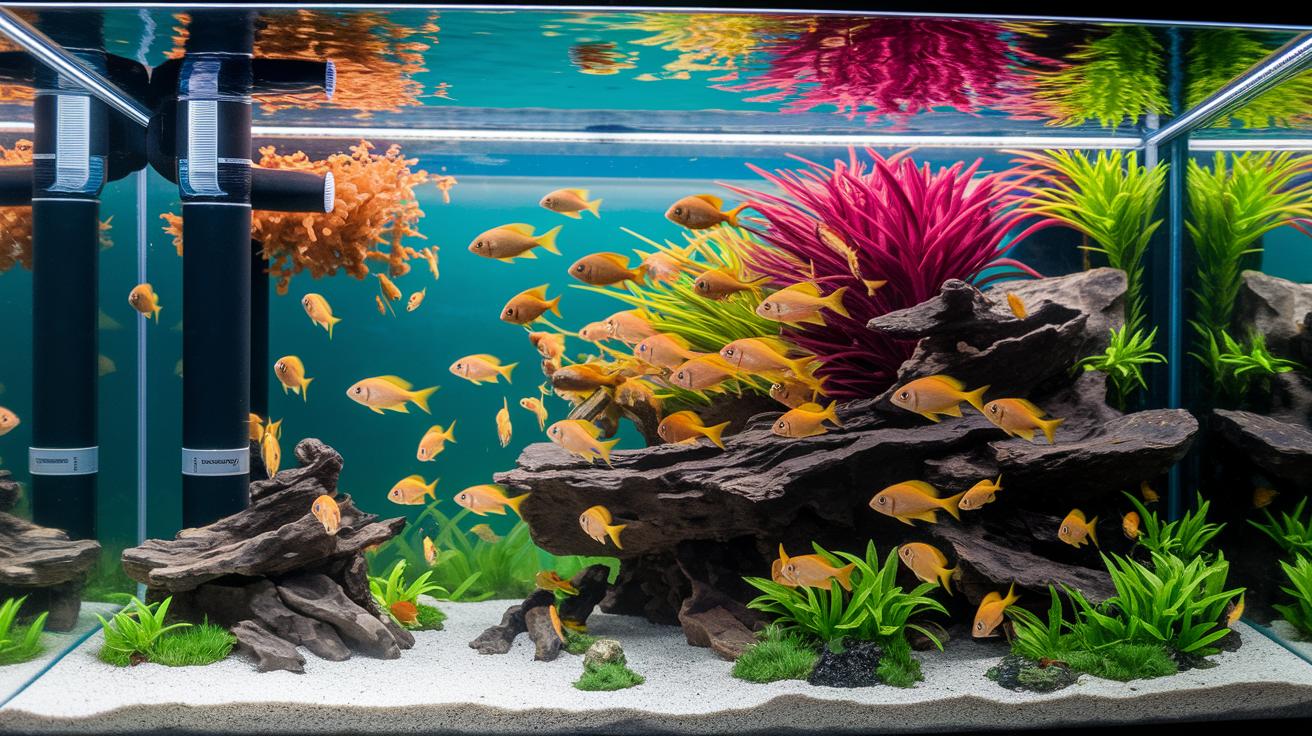
Every day, take a moment to simply watch over your little world of fish. Just like you’d check on a friend, look closely at how your fish swim, whether their fins seem to be clamped, if their colors change, or if their swimming patterns seem off. I once heard a fellow aquarist say that noticing even a tiny twitch early on really helped avoid bigger problems later.
New fish joining your tank need some extra care too. It’s smart to set up a separate quarantine tank for about 4 to 6 weeks. This period lets you spot unwanted parasites or illnesses before they have a chance to spread into your main tank. It’s much like giving a new friend a little extra time to settle in before joining the whole group.
Here's an easy quarantine checklist to follow:
| Step | Action |
|---|---|
| 1 | Set up a small quarantine tank away from your main display |
| 2 | Watch closely for any stress or unusual behavior |
| 3 | Slowly introduce the fish to your main tank only after all looks well |
Keep a rapid-response kit nearby, it’s like a well-stocked first-aid kit for your aquatic pals. Include tools like freshwater dip equipment and meds such as metronidazole and praziquantel. When you spot odd behaviors, quick actions can prevent bigger issues. Make a habit of jotting down every treatment you do, noting any changes in water conditions and how your fish react.
Sometimes, adding extra equipment like a UV sterilizer or an ozone unit in a sealed loop can provide another layer of defense against germs. These steps, combined with regular monitoring and careful quarantine, help keep your underwater world thriving and free from disease.
Remember, tending to your reef tank is a bit like listening to the gentle murmur of water over smooth stones, it brings peace and keeps your fish healthy. Enjoy the process, and let your care create a safe and vibrant underwater home.
Implementing Algae Control Techniques and Maintenance Scheduling
Start by changing about 20% of your tank's water each week. This simple step keeps extra nutrients low and helps keep algae at bay, leaving your tank beautifully clear. Every day, grab a magnetic glass cleaner or algae scraper to gently wipe down your aquarium walls. One fish lover even said that cleaning daily gives their fish an endless view of sparkling water.
Next, think about adding a cleanup crew to your tank. Little helpers like snails, hermit crabs, and tangs not only bring life to your underwater scene but also nibble away unwanted algae. And if you notice phosphate or nitrate levels creeping up, a bit of chemical media or a phosphate remover can quickly bring things back into balance.
It’s also a smart idea to keep a calendar log for all your maintenance tasks and water test readings. This simple habit lets you spot changes early so you can address any issues before they grow. With regular care and a watchful eye, your tank will thrive into a healthy and resilient little aquatic world.
Selecting and Maintaining Reef Tank Equipment Innovations
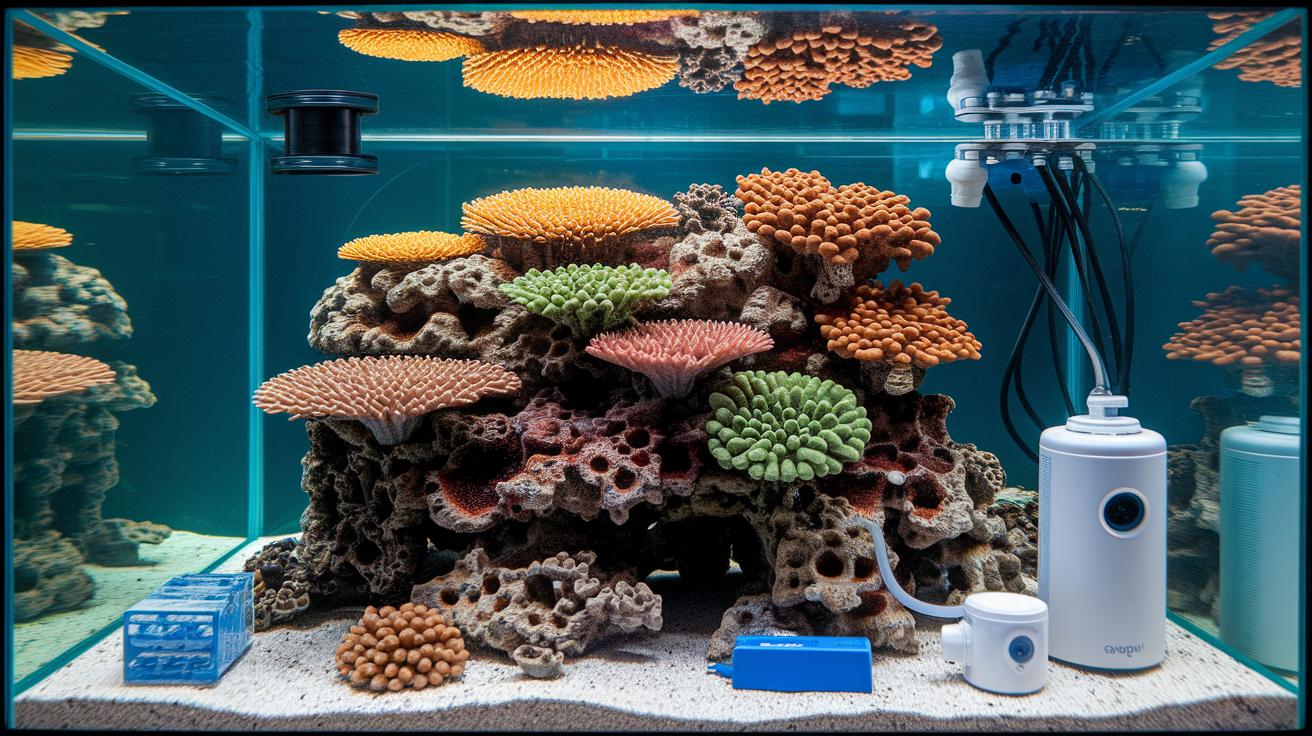
Begin with the basic gear that keeps your reef tank happy. Reliable test kits let you check water quality, dual heaters keep the temperature just right, and a solid circulation pump creates a gentle, steady flow. One friend once mentioned that these simple tools really change the whole vibe of your tank.
Next, consider an auto top-off system to maintain steady salt levels between water changes, almost like a safety net on busy days. Also, using programmable pumps to add calcium and alkalinity means you get consistent care without constant manual work.
Smart controllers let you check key details like temperature, pH, and light schedules from anywhere. It’s like having a personal helper keeping an eye on your tank, making adjustments easy and stress-free.
Keep your equipment in top shape by cleaning your skimmers, pumps, and reactors every month. Follow the manufacturer’s advice when replacing media, and you’ll not only extend the life of your gear but also keep everything working at its best. With a regular upkeep routine, these modern tools become reliable partners that save you time and let you enjoy your vibrant underwater world even more.
Finally, reviewing your maintenance schedule regularly ensures every piece of equipment stays in peak condition. Enjoy your success and the peaceful flow of your underwater oasis!
Final Words
In the action, this article showcased key strategies for reef fish care. We covered water testing, proper filtering, precise lighting, balanced feeding, and the smart maintenance of your equipment, all aimed at keeping your tank healthy and lively.
With a routine logbook and careful planning, you'll create a clear, stunning underwater display. Keep these expert tips for reef fish hobbyists at the forefront of your care routine and enjoy a vibrant, thriving aquatic world.
FAQ
What is a beginners guide to marine fish keeping?
A beginners guide to marine fish keeping means starting with careful research, planning your tank setup, testing water frequently, and selecting fish that suit your experience level for a smooth start.
What are some recommended saltwater reef fish for beginners?
Recommended saltwater reef fish for beginners include hardy, colorful choices like clownfish and damselfish, which adapt well to typical reef environments and bring a lively charm to your tank.
What are good community saltwater fish and marine fish for small tanks?
Good community fish for small tanks feature small, peaceful species such as gobies and blennies, offering compatibility and ease of care, making them perfect for limited spaces.
How do I prepare saltwater for my fish tank?
Preparing saltwater means mixing a quality marine salt mix with purified water to achieve a specific gravity around 1.025–1.026, ensuring a balanced, safe environment for your aquatic pets.
What tips exist for coral reef tanks for beginners?
Tips for coral reef tanks for beginners focus on building a stable tank setup, choosing hardy coral species, and keeping close tabs on lighting and water parameters for steady, healthy growth.
How can I maintain a low maintenance saltwater aquarium?
Maintaining a low maintenance aquarium involves using reliable equipment, scheduling regular water changes, logging test results, and selecting species that require less intensive care routines.
What does vinegar do in a reef tank?
Vinegar in a reef tank is used for cleaning equipment and glass surfaces by breaking down mineral deposits, but it must be used with caution and kept away from the water where fish reside.
What should I be adding to my reef tank daily?
Adding to your reef tank daily is usually limited to routine tasks like water testing and cleaning; any supplements or trace elements should be dosed sparingly as part of a balanced maintenance plan.
Is 72°F too cold for a reef tank?
A temperature of 72°F is generally too cold for a reef tank since reef species thrive in water between 76°F and 82°F, making warmer conditions better for their long-term health.