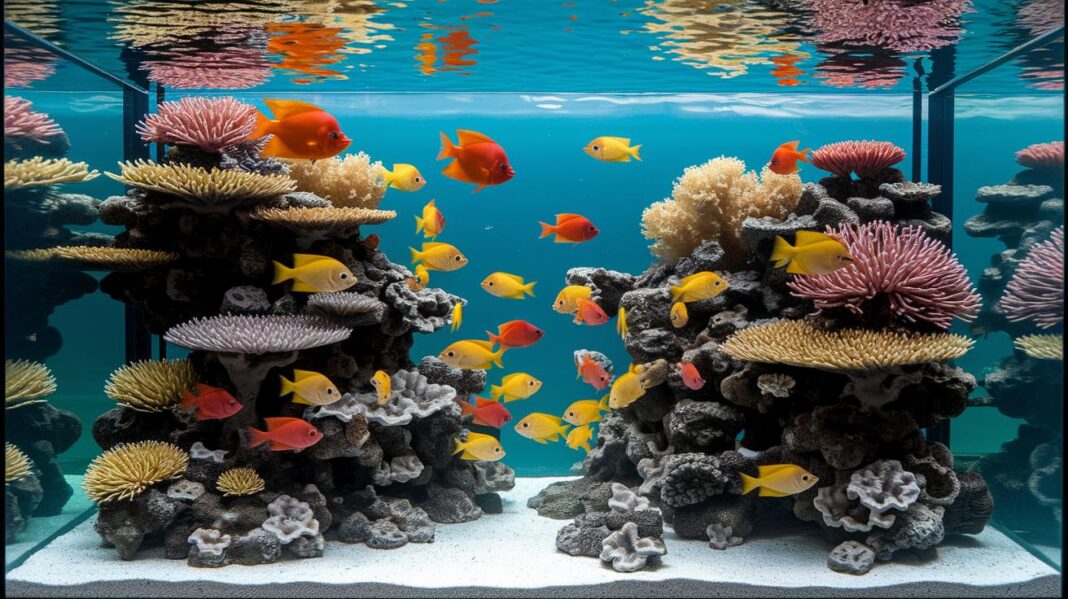

Ever wonder if your peaceful reef tank could suddenly turn into a wild mess because of algae? It might surprise you to know that small tweaks in lighting, feeding, and water quality can easily keep algae in check.
Imagine your tank like a clear, calm pool, by making a few simple changes, the water stays bright and inviting. I once struggled with algae myself until I started adjusting these basic elements.
Next, this guide shares easy, practical tips that help turn algae issues into a sparkling success. So dive in and discover how these little changes can help keep your reef tank as stunning as a quiet underwater scene.
Core Methods for Managing Algae Outbreaks in Reef Fish Tanks
Let's start by giving your tank a gentle nudge. Adjust your lighting to about 8 to 10 hours a day. Picture your aquarium following a natural day-night cycle, easing into a calm evening after a busy day. This simple change tells the algae it's time to settle down.
Next, be mindful of how much you feed your fish. When food lingers too long, it boosts nitrate and phosphate levels, which algae absolutely love. Think of it as leaving too many snacks out for unwanted guests. Only offer what your fish can finish in a few minutes to keep things in balance.
If you spot an algae outbreak, act fast with a 10–20% partial water change. This quick rinse helps dilute the extra nutrients, sort of like a refreshing shower for your tank. Pair this with a protein skimmer or a macroalgae refugium, tools that work like little cleaners, gently scrubbing away the excess, similar to rain washing a garden.
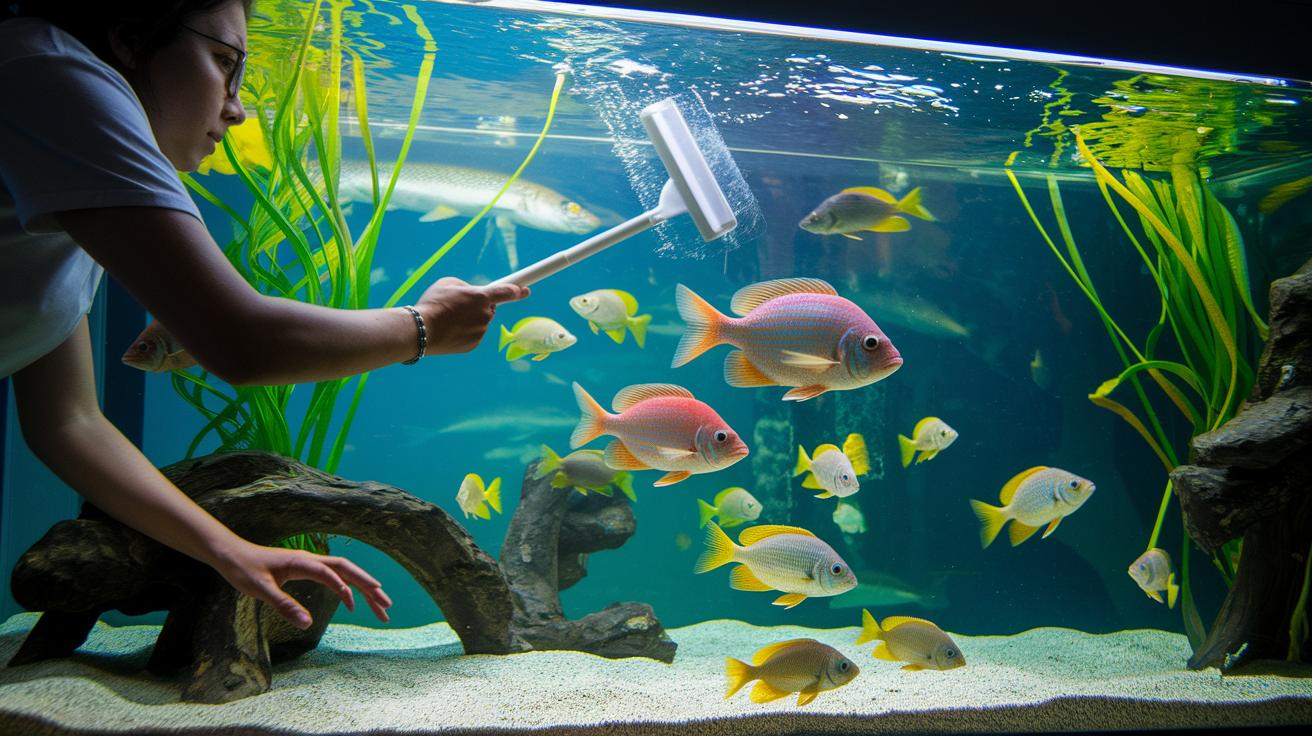
Also, don't overlook manual cleaning. Gently scrape algae off the glass and rocks with a plastic-bladed tool or something soft. Imagine smoothing out a crinkled page to reveal a bright, clear story. And for an extra hand, consider adding cleanup crew friends like snails, hermit crabs, and cleaner shrimp. These mini helpers nibble on algae and stop it from coming back.
| Step | Action |
|---|---|
| Lighting | Limit to 8-10 hours daily |
| Feeding | Feed just enough for quick consumption |
| Water Change | Do a 10-20% water change quickly |
| Filtration | Use protein skimmers and refugiums to clear excess nutrients |
Optimizing Water Quality to Prevent Algae Blooms in Reef Fish Tanks
Start by testing your water every week. Checking for nitrate (NO₃), phosphate (PO₄), pH, ammonia, and nitrite feels a bit like watching gentle ripples to catch any sneaky nutrient spikes early. I remember when I started weekly tests, a small bump in PO₄ gave me a hint before any algae made an appearance.
Next, make it a habit to refresh 10–20% of your water every week or two. Think of it as giving your tank a refreshing shower that naturally brings nitrate and phosphate levels down. It keeps your aquarium balanced, just like a well-tended garden of underwater life.
If you notice phosphate readings going above 0.03 ppm, try using phosphate-removing media or reactor cartridges in your filter. They quietly trap extra nutrients so that algae don’t stand a chance at growing. It’s like having a tiny helper working behind the scenes.
Also, consider a protein skimmer that fits your tank’s size. This handy tool acts as a diligent cleaner, removing dissolved organic matter out of your water and keeping unwanted particles at bay.
Finally, setting up a small macroalgae refugium lets beneficial algae outcompete the bothersome types. It creates a natural balancing act that keeps your reef tank healthy and your water quality high.
Manual and Mechanical Algae Removal in Reef Fish Tanks
Begin by cleaning the algae off your tank's glass with a scraper that has a plastic blade or even a razor blade. Removing the slimy hair and cyanobacteria mats is like wiping away fog from a window to let the sunlight pour in, giving your fish a brighter, happier home.
Then, take a soft nylon brush and gently clean your live rock. This brush helps remove the thin diatom films without disturbing your delicate corals, much like an artist carefully dusting a treasured painting. It’s a simple but important tool that keeps your reef looking its best.
Next, use a gravel vacuum to siphon through the substrate. This process pulls out debris and tiny algae from the sand beds, leaving the bottom of your tank clean and fresh. Think of it as gently combing through the floor of your aquarium to get rid of unwanted buildup.
For those tricky spots that are hard to reach, grab a turkey baster and give them a good blast. A burst of water from the baster helps dislodge stubborn film algae from crevices and corners, making sure no small patch gets left behind.
| Cleaning Method | Tool Used |
|---|---|
| Scraping | Plastic-bladed scrapers or razor blades |
| Brushing | Soft nylon brushes |
| Substrate Siphoning | Gravel vacuums |
| Targeted Blasting | Turkey baster blasts |
Biological Cleanup Crew for Managing Algae in Reef Fish Tanks
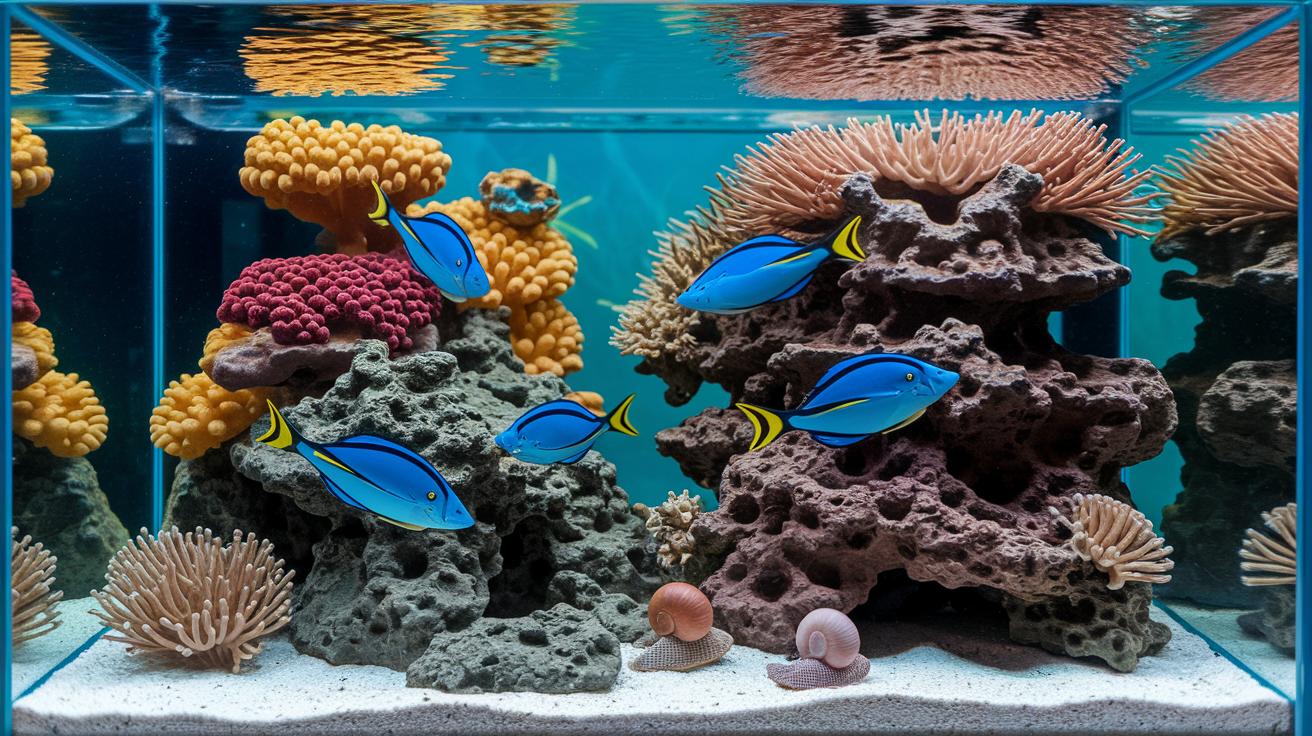
When it comes to cleaning up algae, larger herbivores like tangs and rabbitfish are your go-to fish. They quickly munch through the bigger algae patches on your rocks, leaving the tank feeling fresh and lively.
Then you have the smaller helpers. Turbo snails, Nassarius snails, and ceriths are like little polishing tools that gently graze away at film and hair algae until your rocks shine. Adding hermit crabs and urchins gives you an extra boost as they help clean hidden spots by chomping on detritus and microalgae.
You might also want to include cleaner shrimp. These critters nibble on soft algae mats, keeping pesky settlers at bay. Remember, no one species is ready to tackle every stage of algae growth on its own. When you create a balanced cleaning crew suited to your tank size, you bring together a team that keeps your reef looking its best from every angle.
Managing Algae in Reef Fish Tanks: Sparkling Success
Algicides and Phosphate Removers
When natural methods just aren’t cutting it, a few chemical options can lend a hand. Reef-safe algicides and phosphate removers act like a gentle reset button for those pesky algae blooms. Follow the instructions carefully, think of it as adding just the right pinch of salt to a dish. For instance, a dosing guide might say to add a specific amount per gallon and let it work for about 2 to 4 hours before neutralizing it. Always check to be sure the product is reef-safe so you don’t accidentally stress out your corals. And keep an eye on everything, if your fish or coral seem uneasy, you may need to tweak the dosage. This cautious approach helps clear the algae while keeping your tank’s balance just right.
Carbon Dosing and UV Sterilization
A cool trick to try is pairing carbon dosing with a UV sterilizer. Start off by adding a little bit of a safe carbon source like vodka or vinegar, yes, really! Slowly add a small dose while watching how the water clarity and pH change. It’s a bit like perfecting your favorite recipe; small changes can lead to big improvements.
Then, set up a UV sterilizer that runs roughly 8 to 12 watts per 50 gallons. Make sure it’s the right size for your tank and that the water flow is just right so everything gets filtered properly. Keep an eye on the ORP and bacterial levels as you go. By stopping free-floating algae spores and cyanobacteria in their tracks, this method leaves your reef looking as clear as a mountain stream.
Final Words
In the action, we discussed key steps like adjusting light schedules, smart feeding choices, and timely water changes to reduce algal growth. We also shared practical tips on manual cleaning and the use of reef-safe cleanup crew for stubborn patches. Adding routine water tests and proper filtration helps create a pleasing, balanced environment that our aquatic friends deserve. Managing algae in reef fish tanks becomes clear when you combine these practical techniques with a bit of care. It's a bright path to a thriving underwater home.