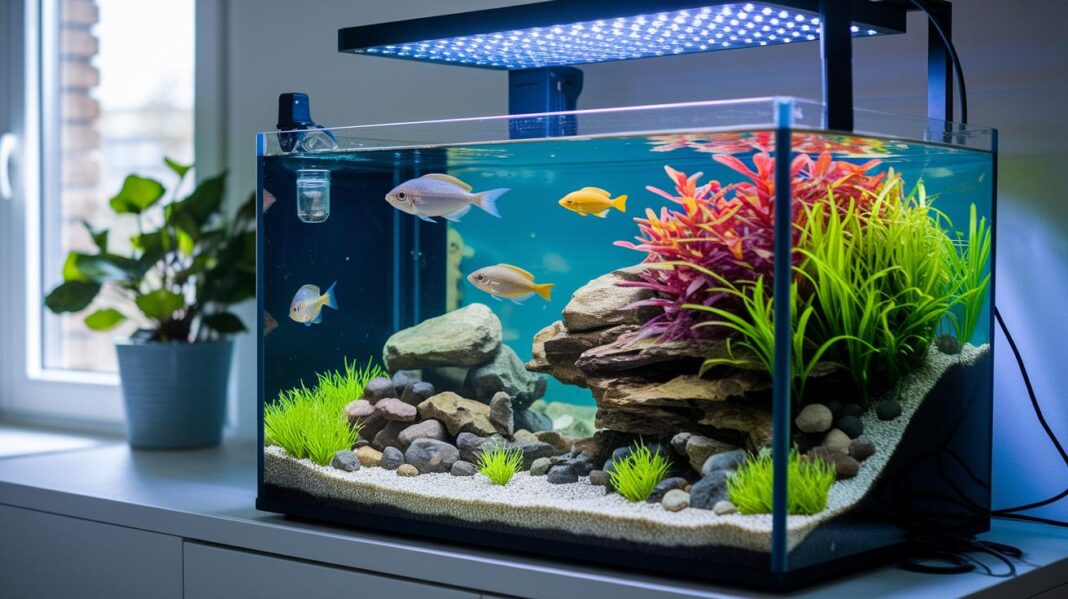

Ever thought about giving your old aquarium gear a little modern twist? It might surprise you, but a few smart upgrades can transform your tank into a safe and balanced underwater oasis. Imagine adding a few clever devices that work as smoothly as the gentle flow of water, making daily care feel nearly effortless.
Start by setting clear goals and taking a good look at your current setup. Then, mix in the right tech pieces, like a friendly nudge in the right direction, so your tank becomes an inviting space where nature and innovation swim together in harmony.
Step-by-Step Guide to Integrating New Technology into Your Aquarium Equipment
Having a clear plan is like following a gentle current that helps everything flow smoothly. It makes setting up your aquarium equipment faster and keeps mistakes from upsetting your peaceful underwater world. With a clear roadmap, daily tasks become simpler, letting you blend modern tech with the natural rhythm of your tank.
- Set clear upgrade goals and decide on a budget
- Review your current equipment and how it connects
- Choose tech parts that work well with your setup
- Map out how power and internet will run through your space
- Add a main controller to tie everything together
- Get your sensors in place and set them up
- Run tests and fine-tune your settings
Starting with clear goals and a sensible budget helps pinpoint exactly what your tank needs without breaking the bank. Checking your existing gear means you know which parts will mesh well with the new system, cutting down on mix-ups. Picking the right tech modules makes things like feeding, lighting, and water care a breeze. Planning out power and network details now avoids headaches later.
Adding a central controller turns your aquarium into a smart, connected space that takes care of itself. Properly setting up your sensors ensures you keep a close watch on water quality in real time, a bit like having a personal underwater guardian. And by testing thoroughly and adjusting settings, you make sure the system keeps your tank balanced and calm.
This step-by-step guide transforms the daunting task of tech integration into a friendly list of manageable steps. Enjoy watching your underwater haven thrive with a bit more digital magic, all while keeping the natural, serene vibe your aquatic friends love.
Assessing and Preparing Legacy Aquarium Equipment for Technology Integration
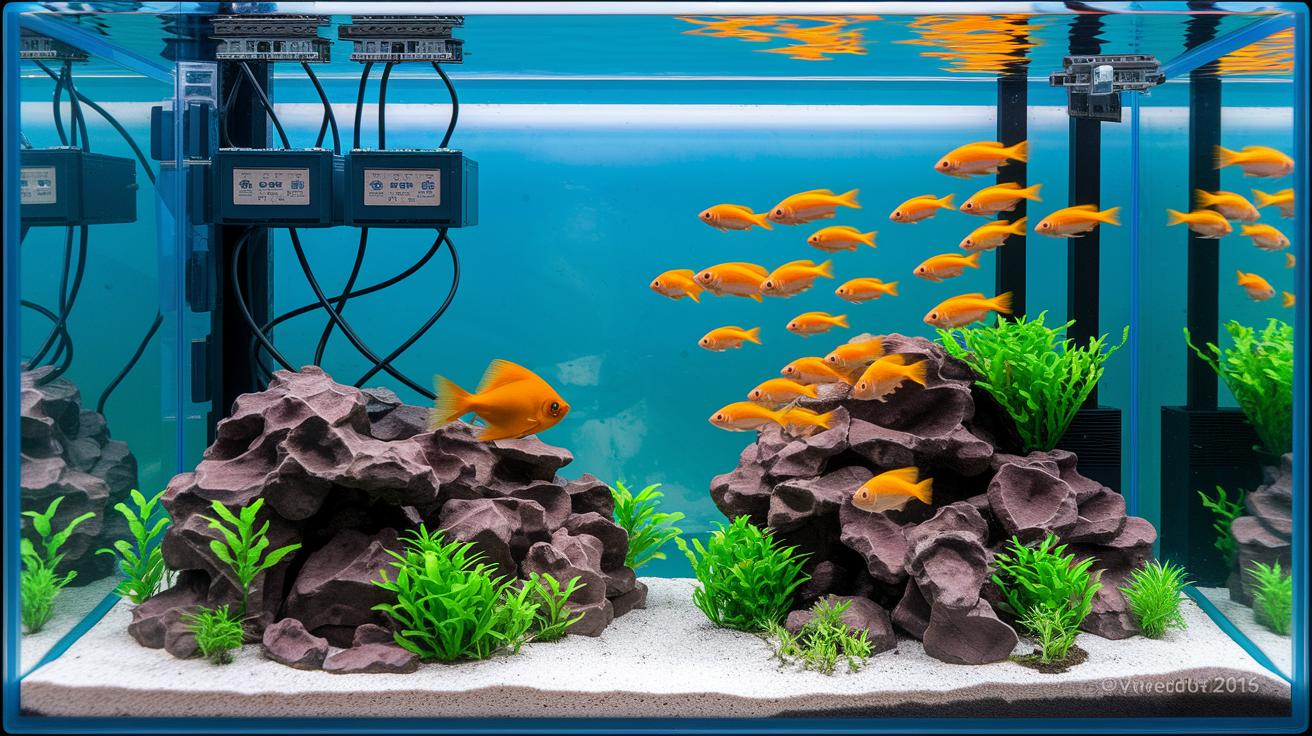
Before adding any new technology, take a moment to check out your old aquarium gear. This simple audit helps keep mismatches and downtime at bay, making sure every piece flows smoothly like a gentle stream.
When you’re reviewing your equipment, think of five key ideas all at once. First, check that the power settings match, like ensuring your filter gets just the right spark. Next, make sure communication tools (like WiFi or Ethernet) are in place so data moves effortlessly, much like water through a reef. Then, measure the mounting space to ensure new devices snugly fit into your setup. Also, take a peek at the update path for the system's firmware to see if it can easily grow with future tech. Finally, confirm that the power needs balance nicely, helping to keep everything efficient and stress-free.
Record your observations as you go. Writing down measurements, update specs, and connection types gives you a clear roadmap for blending your trusty legacy equipment with modern upgrades. This thoughtful plan ensures that your classic setup and advanced features work together harmoniously, like a well-tended aquarium.
Selecting Smart Controllers and Automation Modules for Integrating Technology into Your Aquarium
A good smart controller gives your aquarium its heartbeat. It ties everything together like a friendly conductor guiding an underwater band. This little marvel takes care of feeding, lighting, and even running the pumps through a handy online dashboard. Think of it as the brain that keeps your fishy world calm and steady.
Comparing WiFi, Bluetooth, and Mesh Networking Controllers
WiFi controllers work like strong currents that travel far. They give you wide coverage and a steady connection, making them ideal for bigger tanks. They do use a bit more power, but they easily blend into most home networks.
Bluetooth controllers, on the other hand, are like gentle ripples. They use less energy and connect simply, which is perfect for smaller or less busy aquariums. Their shorter reach means everything stays close by.
Mesh networking controllers are a bit like a school of fish staying close together. They link multiple points in your aquarium to make sure the connection is solid everywhere. This design helps keep your tank running smoothly no matter where you look.
Before picking a controller, think about your tank's size and the features you need. Matching your controller to your aquarium's demands makes sure everything flows as nicely as a calm stream.
Integrating Water Quality Sensors and Advanced Filtration Tech into Your Existing Aquarium
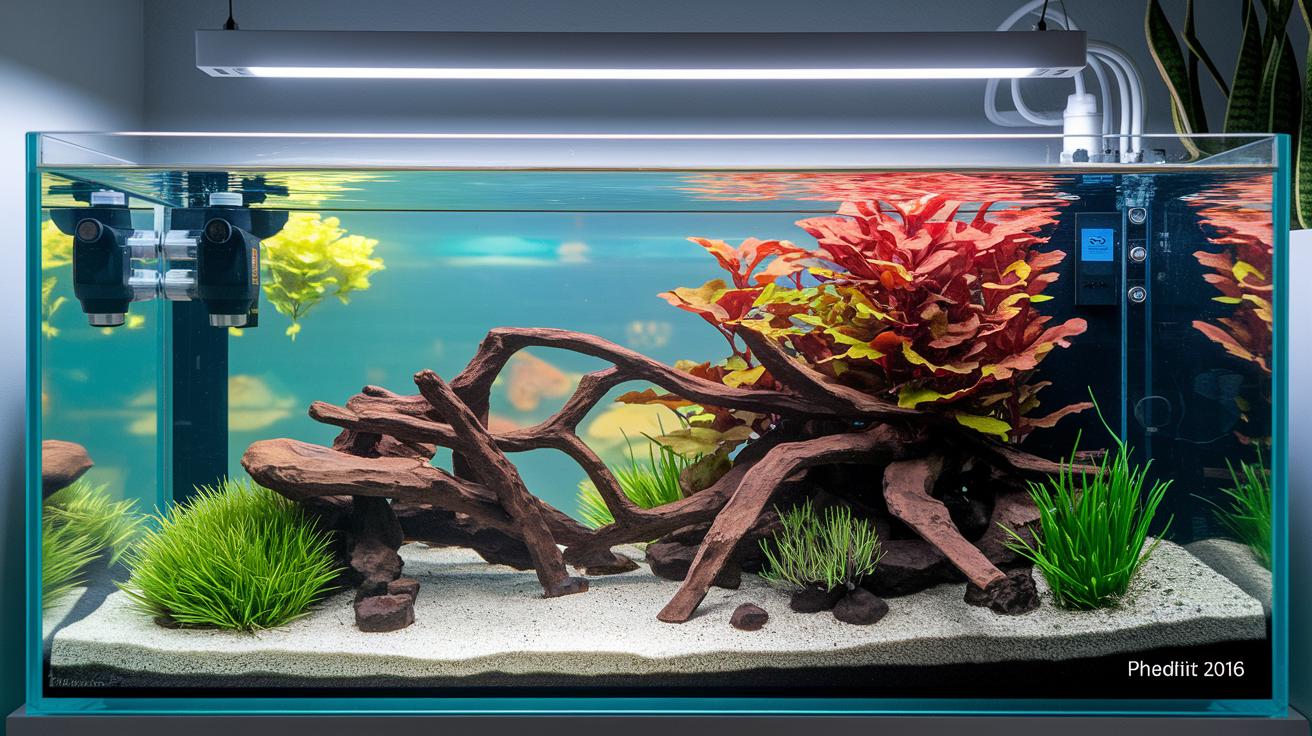
Imagine your aquarium is like a lively underwater city, where smart sensors keep a gentle watch over every rippling detail. These handy tools check water pH, temperature, and oxidation-reduction levels, all in real time, so you can spot any changes before they disturb your finned friends. It’s like having a calm, hidden helper ensuring your tank stays a soothing haven.
Here’s a quick look at some sensor types and where you might place them:
| Sensor Type | Function | Typical Installation Location |
|---|---|---|
| pH Sensor | Checks water acidity or alkalinity | Near the filter inlet |
| Temperature Sensor | Measures water warmth or coolness | Within the water flow area |
| ORP Sensor | Monitors water oxidation-reduction levels | After the filter chamber |
| Flow Sensor | Gauges pump output rates | On the pump’s outlet line |
Connecting these sensors to a smart controller feels a bit like assembling your favorite puzzle. You hook each sensor to its spot on the controller and set easy alerts for when things go off track. For example, if the pH sensor notices a dip or rise in numbers, the controller might adjust the filtration flow or send you a heads-up. The temperature sensor works in a similar way, ensuring your heating or cooling systems jump into action just when you need them. And when the flow sensor spots an irregularity, modern filtration systems can even tweak their speed automatically.
This simple digital feedback loop means you spend less time worrying and more time enjoying the gentle ripple of water in your aquatic retreat. It’s a neat way to keep your water chemistry just right, so your underwater friends stay healthy and happy.
Integrating Smart Lighting and Automated Temperature Control into Your Aquarium
Managing your tank becomes a breeze when you set up automated lighting and heating schedules. With these preset routines, your aquarium gets the best care, using energy smartly and keeping a steady environment that helps your plants flourish. Plus, adjusting settings on the go with your mobile app keeps your underwater world feeling just right.
Installing Smart Lighting Modules and Thermostatic Valves
Pick LED modules that not only save energy but also let your aquatic plants shine. Secure them in place so the entire tank gets a gentle, natural glow, much like the soft sunrise over a quiet pond. Tweak the light colors to mimic daylight, setting the perfect stage for thriving plants and a calm, beautiful scene.
For heating, adding inline thermostatic valves is a smart move. They automatically adjust the heater to keep the water temperature steady, think of it as nature’s own way of guarding your tank against sudden shifts. This method saves energy while keeping your underwater friends comfortable.
Try scheduling these settings to follow natural light cycles. Program gradual changes from bright daylight to a soft twilight, just like the smooth transition of day into night. Pair this with energy-saving controls, and you’ve got a balanced, inviting habitat where every fish feels right at home.
Integrating Wireless Control and Remote Monitoring into Your Aquarium Setup
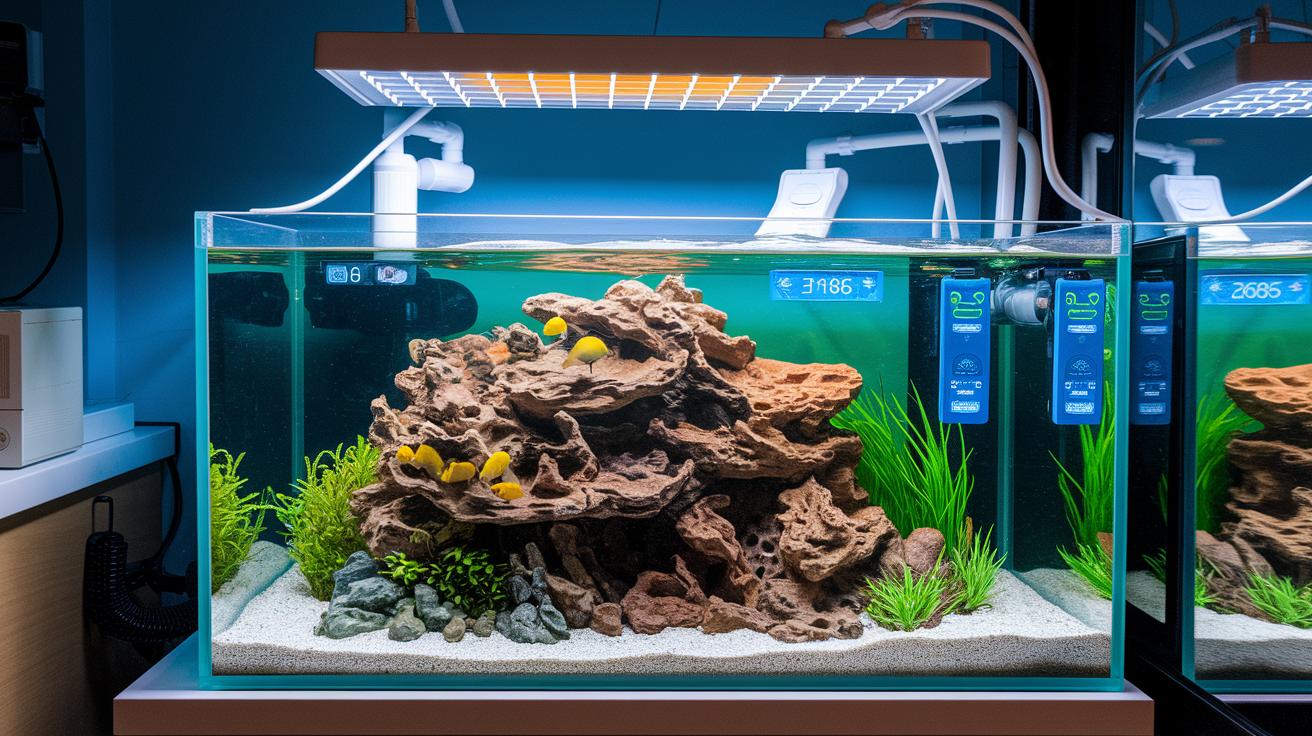
Adding wireless control to your aquarium is like inviting technology to join the flow of your underwater world. With these smart systems, you can easily keep an eye on water temperature, pH levels, and pump performance in real time. It’s almost as if your phone becomes a friendly watchdog, alerting you the minute something changes.
Imagine setting up your aquarium’s network as if you were arranging a snug little home for your tech. Begin by using strong WiFi passwords so only your trusted devices can join the fun. Give each sensor a fixed address to keep things neat and tidy, update the system regularly to keep everything running smoothly, and make sure the signal reaches every nook of your tank. Doing this ensures your digital helpers and your aquatic setup work side by side in perfect harmony.
The last step is to fine-tune your mobile app. Set up custom alerts to let you know when something goes off track, and use cloud services to send out important notifications automatically. With all your controls gathered in an easy-to-read dashboard, managing your aquarium becomes as simple as glancing at your phone, leaving you plenty of time to enjoy the gentle, soothing flow of water and the beauty of your aquatic life.
Troubleshooting Integration Challenges and Achieving Seamless Tech Operation
Sometimes, when you add new technology to your tank, you might notice that sensors start drifting, you lose a connection here or there, or the firmware seems out of sync. These little issues can feel like ripples in your usually calm setup. It’s normal for sensors to lose a bit of their precision over time, or for controllers to flash error codes when devices aren’t syncing as they should.
Try these simple steps to get things back in balance:
- Check your network logs to spot any odd data flows.
- Compare live sensor readings with your manual measurements to double-check accuracy.
- Update your controller firmware to the latest version to clear up small glitches.
- Recalibrate your devices to set them back to their proper settings.
- Use the built-in diagnostics on your controller to understand any error codes.
Keeping your system running smoothly is a lot like tending to a beautiful aquarium, it needs regular care. Make a habit of reviewing your logs and sensor outputs so small issues don’t turn into bigger ones. With frequent firmware updates and occasional recalibrations, you can help your tech blend seamlessly with your aquatic world. This way, every ripple and bubble stays in perfect harmony.
Final Words
In the action, we broke down a clear process that takes you from assessing your current setup to handling smart controllers, water quality sensors, and lighting systems. Each step was explained so you can keep your tank clean and comfortable, while smoothly tackling remote monitoring and routine checks. This guide lets you add smart tech steadily, helping you understand how to integrate new technology into your existing aquarium equipment. With each step covered, your underwater world is on its way to a more vibrant future.
FAQ
How does a structured roadmap help when integrating new technology into aquarium equipment?
A structured roadmap helps by guiding each step from goal-setting to testing, reducing errors and speeding up setup for smooth, reliable automation in your tank.
Why should I assess my legacy aquarium equipment before integrating new tech?
Assessing legacy equipment ensures you understand interface compatibility, firmware support, power needs, and physical dimensions, preventing mismatches and reducing downtime during upgrades.
What factors should I consider when selecting smart controllers for my aquarium?
When choosing smart controllers, consider connectivity types like WiFi, Bluetooth, and mesh networks, along with range, reliability, and ease of integration to match your tank size and functions.
How do water quality sensors improve aquarium management?
Water quality sensors enhance management by tracking pH, temperature, and ORP in real time, enabling proactive alerts and automated adjustments to keep your aquatic environment healthy.
How do smart lighting and automated temperature control benefit an aquarium?
Smart lighting and automated temperature control optimize energy use and support plant growth by allowing remote adjustments and syncing with natural cycles, providing comfort and better conditions for fish.
What advantages do wireless controls and remote monitoring offer for aquarium care?
Wireless controls and remote monitoring deliver real-time parameter tracking, instant alerts, and easier cloud-based management, making system diagnostics and maintenance more efficient.
How can I troubleshoot tech integration issues in my aquarium setup?
Troubleshooting involves checking network logs, verifying sensor calibrations, updating firmware, and using diagnostics to address issues like connectivity drops and calibration drift, ensuring smooth operation.