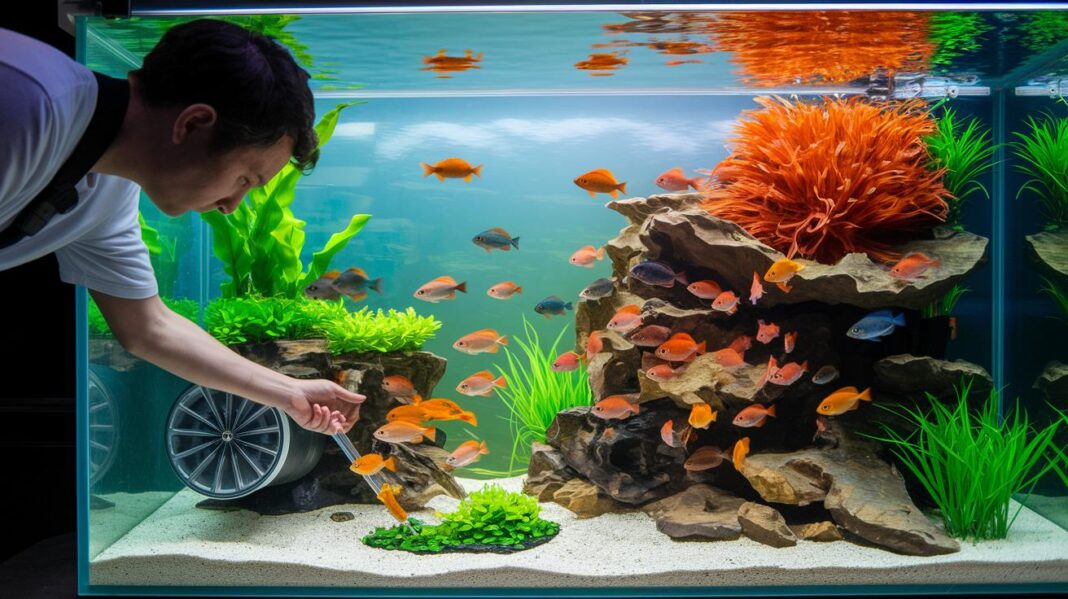

Ever feel like your aquarium filter is more of a nuisance than a help? I’ve been there too until a few small changes turned my stubborn setup into a smooth-running water wonder. In this guide, we share easy tips, like trading out throwaway parts for ones you can reuse, that will give your filter a big boost. Get ready to improve your tank’s water flow and create a healthier home for your fish with step-by-step ideas that really work.
End-to-End Aquarium Filter Performance Optimization
Before you dive into cleaning, here’s a fun fact: I used to struggle with a filter that constantly clogged and lost water flow until I switched to a reusable system. The first trick is to add a prefilter sponge to your filter’s intake tubes. Think of this sponge as a friendly landing pad for good bacteria that help break down harmful nitrogen compounds, much like welcoming new friends to make your tank safer.
Next up, it’s time to ditch the disposable cartridges like filter floss and activated carbon, which get clogged with waste pretty fast. Imagine it like changing out old, worn car parts to keep everything running smoothly. Once you remove these, your filter is all set for a serious upgrade.
Then, install reusable media, a mix of coarse foam sponge and bio rings, to boost your filter’s strength up to four times. Rinse these parts in some old tank water once a month to keep those beneficial bacteria in top shape. I remember feeling like I was giving my tank a fresh start, turning an exhausted filter into a vibrant system of natural purification.
Finally, keep your filter in tip-top shape with a monthly check-up. Clean out any debris and swap out fine poly pads to catch even the tiniest bits. Adding smart controllers can help automate water flow adjustments and send you friendly reminders when it’s time for maintenance. It’s like having a personal assistant making sure your aquarium stays clear and inviting, day after day.
Expert Water Circulation Strategies for Enhanced Filter Performance
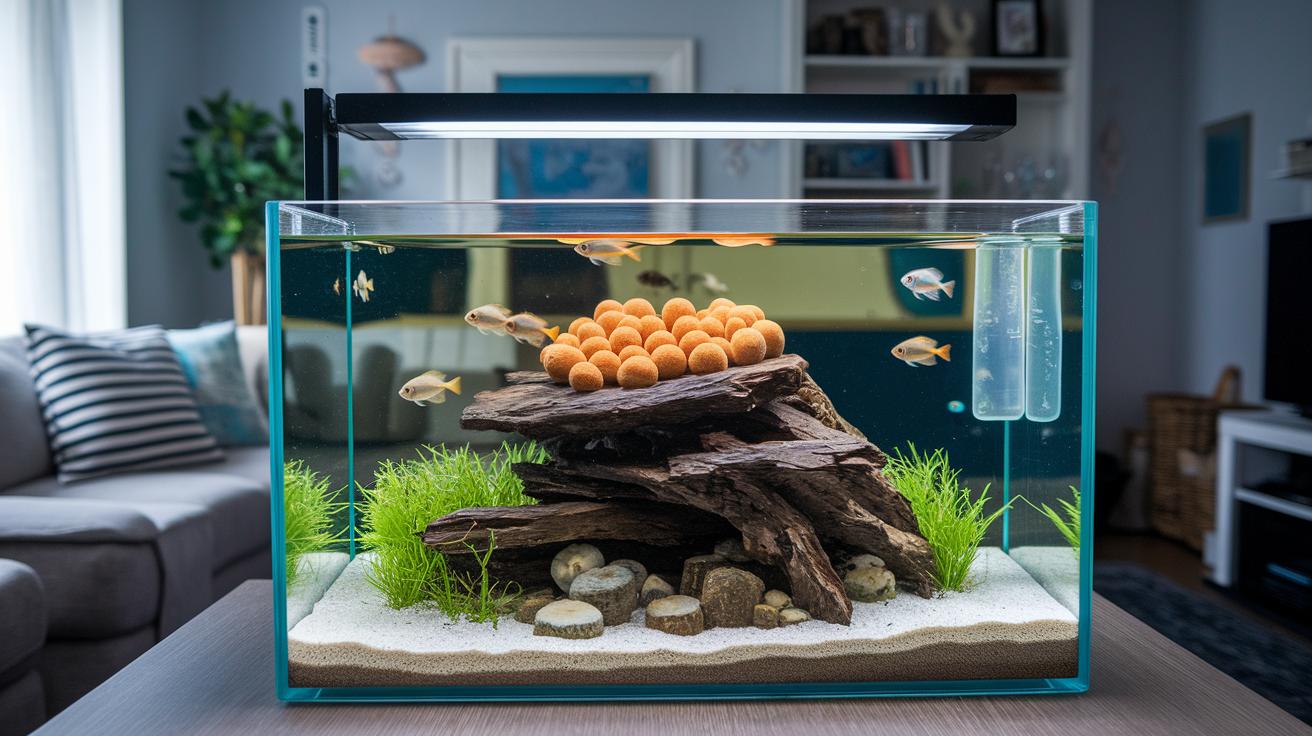
Consider adding an air stone to your sponge filter. This simple trick turns big, disruptive bubbles into a gentle stream of tiny ones, much like swapping a clumsy fountain for a calm, steady flow. It not only boosts water circulation but also tones down the pump noise.
Next, adjust your spray bars or nozzles so water spreads evenly throughout the tank. When water pools in one area, it can stress your aquatic friends. Make it a habit to check and fine-tune flow valves or digital pump controllers about once a month to suit your tank's needs. In a typical 75-gallon setup, aim for a flow of around 200 to 500 liters per hour.
You can also check your water flow using an inline flow meter or with a simple test using a stopwatch and container. This lets you see firsthand that your changes are making a real difference. Using these tips, you'll create a balanced and tranquil environment where both your fish and plants can thrive.
Optimizing Submerged Filtration Methodology with Tailored Media Selection
Switch out your usual filter cartridges for a layered system that really gives your filter a boost. Start by placing a coarse foam sponge in your stack, which works like a big net catching leaves and other larger bits. Next, add bio rings that serve as a cozy home for friendly bacteria. These helpful critters break down harmful compounds naturally. Finally, finish off the setup with a fine poly pad that traps those tiny particles, leaving your water crystal clear. If you don't have a dedicated carbon chamber, you can slip in a layer of activated carbon between the sponge layers to soak up tannins and any leftover medicine. Imagine the difference when you move from a paper filter to this layered approach, the water becomes clearer almost instantly!
Remember, that coarse sponge and the bio rings need a weekly rinse in water from an established tank to keep working at their best. The fine pads, however, should be replaced every 4–6 weeks, based on how many fish and plants share your tank. By blending these different media, you're taking care of mechanical, biological, and chemical filtering all at once. This multi-layer approach not only keeps your water sparkling but also helps reduce waste, making your aquatic space healthy and full of life.
Efficient Solid Waste Removal Methods in Advanced Aquarium Filtration
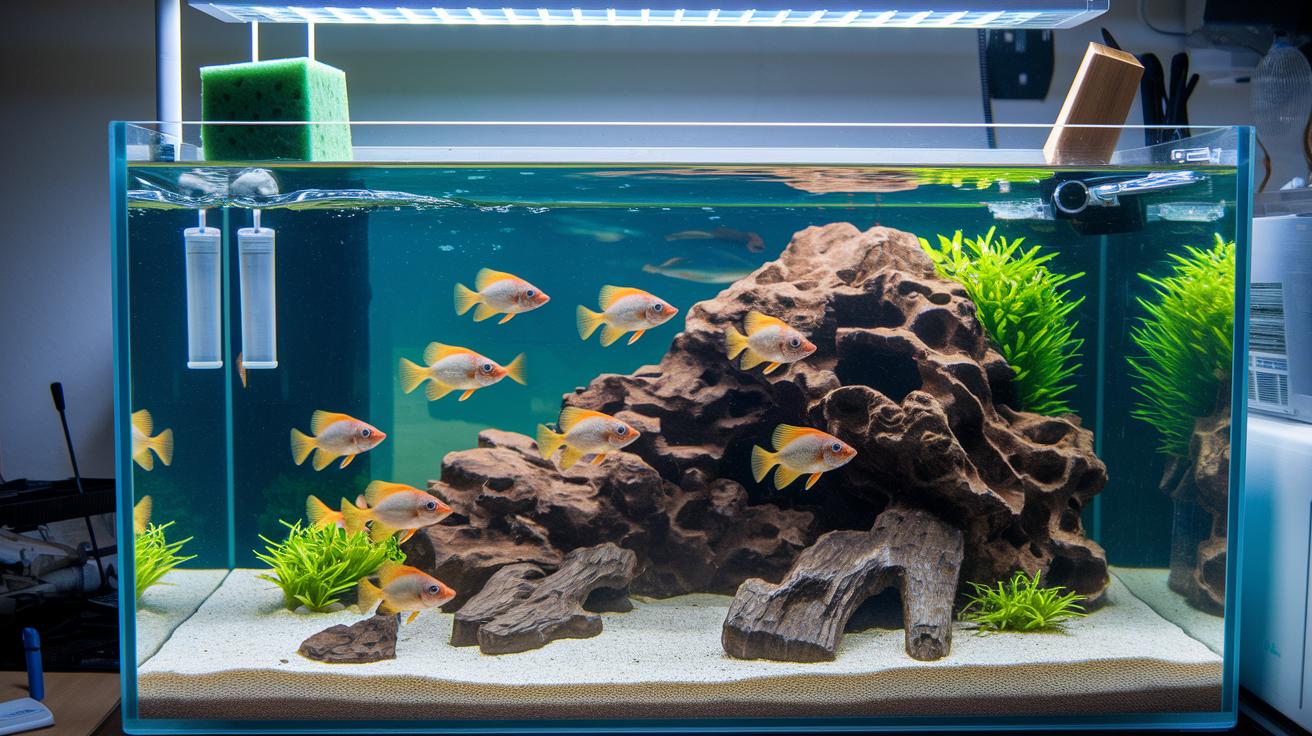
Prefilter sponges work like your tank’s first line of defense. They catch bits of fish food, plant bits, and other debris before they reach the pump. This simple step helps your filter run smoothly and stops waste from building up and clogging parts.
Taking time each week to vacuum the gravel during water changes is another handy trick. This cleaning removes waste that settles on the bottom, keeping the water moving freely. It’s a hands-on way to keep your tank bright and healthy.
You might also try using baskets or trays in canister filters. These parts trap clusters of solids so you can easily remove them without shutting the system off. And for tanks that house lots of fish, a special sieve setup on sump inlets catches even tiny bits of waste, keeping everything neat.
- Prefilter sponges catch debris right from the start.
- Weekly gravel vacuuming stops waste from piling up.
- Baskets or trays let you quickly pull out solids.
- Special sieve attachments boost capture in busy tanks.
Intensive Pump Performance Adjustment and Maintenance Tips
Every month, take a little time to disassemble your pump and check out the impeller and shaft. Just like you’d inspect your favorite fishing gear before a trip, clearing away any hair or debris helps keep everything running smoothly and stops clogs before they happen.
Next, compare your pump’s output with the manufacturer’s specs. Adjust the control valves or digital speed controllers until the flow matches the target rate, like fine-tuning a guitar so the melody sounds just right.
Once a year, replace the impeller bearings to keep your pump in top form. Also, give the intake screens and tubing a good clean often, and use a bit of silicone lubricant on the O-rings to ensure everything glides along easily.
- Inspect impeller and shaft monthly.
- Adjust pump output with precise control valves.
- Replace bearings annually.
- Record flow rates and noise levels in a maintenance log.
Keeping a maintenance log is like having a diary for your pump, tracking flow rates and noise helps you catch small issues before they grow into bigger problems.
Robust Aquarium Filter Diagnostics and Troubleshooting Techniques
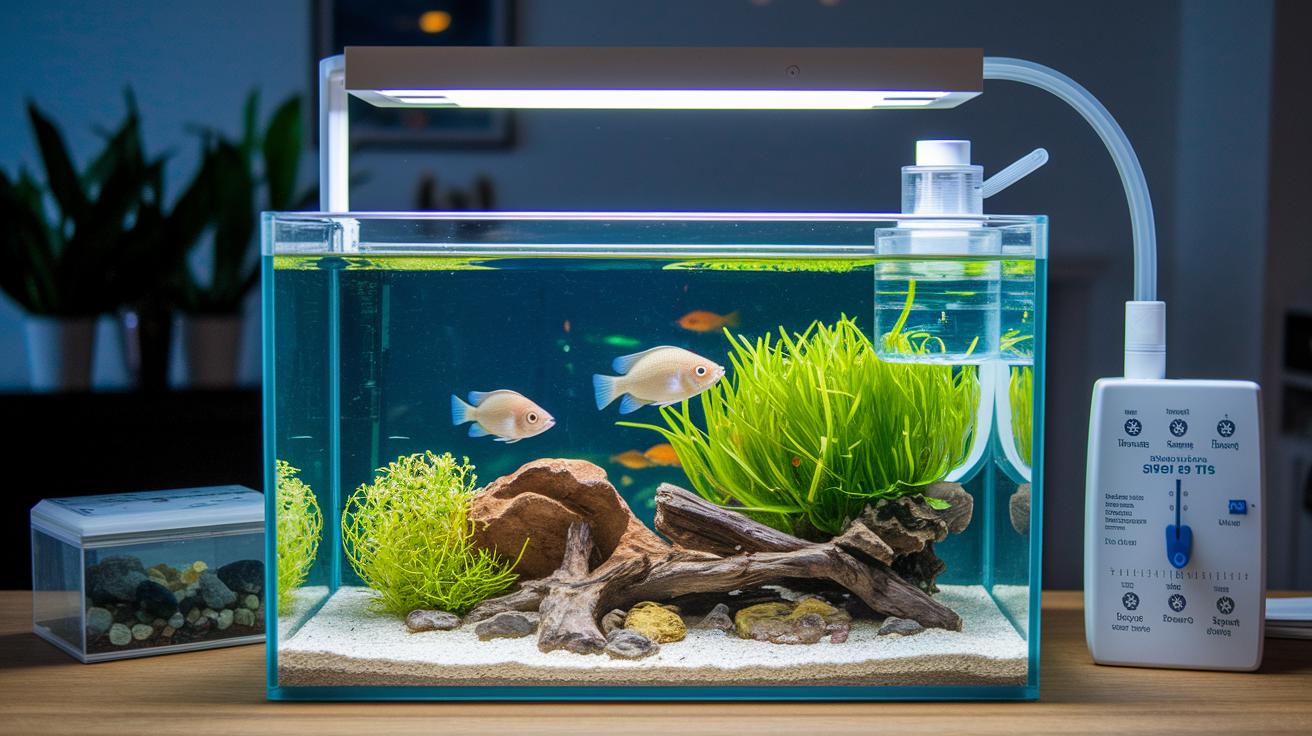
Begin by checking your tank’s water flow. Compare the current liters-per-hour with your baseline. For example, take a graduated container and use a stopwatch every six weeks to see if the flow remains steady, almost like timing a race to ensure each fish has its normal pace.
Then, do a water test every month for ammonia, nitrite, and nitrate. These tests help you know if your tank’s natural cleaning system is working well. Also, take a close look at the intake, filter media, and impeller to check for any blockages or bits of debris. Don’t forget to inspect the seals and tubing for airlocks or leaks that could slow things down.
It’s a good idea to keep a simple log, maybe in a spreadsheet, to note the flow rates, water test results, and any cleaning or repairs you make. This record can help you catch any small declines early, so if you detect a sudden drop in flow, you can start trouble-shooting right away.
| Issue | Diagnostic Test | Recommended Action |
|---|---|---|
| Flow Drop | LPH measurement | Clean intake & media |
| High Ammonia | API test kit | Add bio media & water change |
| Noisy Pump | Visual impeller check | Remove debris & lubricate |
| Overflowing Filter | Water level monitor | Adjust flow valve & tray height |
Keep track of every check and fix. This way, your filter stays in top shape and your underwater world stays healthy.
Final Words
In the action of improving aquarium care, we covered everything from prefilter sponges to pump maintenance. We explored clever ways to use reusable media and fine-tuned flow adjustments. Each step helps create a beautiful, healthy underwater home. The roadmap we shared in this advanced guide to optimizing aquarium filter performance gives you the know-how to keep your filter running smoothly while making tank care a pleasant routine. Keep these tips close, and enjoy the calming wonder of your aquatic oasis.
FAQ
Advanced guide to optimizing aquarium filter performance review and instructions
The advanced guide to optimizing aquarium filter performance explains how to boost efficiency by adding prefilter sponges, replacing disposable media with reusable options, and scheduling monthly upkeep to keep your water clear and healthy.
Aquarium sponge filter with air stone
The aquarium sponge filter with air stone combines sponge media for biological filtration with an air stone that breaks up bubbles, creating a steady, gentle flow that lowers noise and improves water circulation.
How to layer aquarium filter media
The layering of aquarium filter media starts with a coarse sponge to catch larger debris, followed by bio rings to support beneficial bacteria, and finishes with a fine pad to polish water by removing tiny particles.
Sponge filter pros and cons
The sponge filter supports beneficial bacteria growth and provides gentle filtration, though it usually needs frequent cleaning, while cartridge filters offer less maintenance but may house fewer bacteria for natural water cleaning.
Internal filter vs hang on back
The internal filter offers a neat, hidden setup, whereas the hang-on-back filter provides easier access for routine cleaning; both systems can be effective when maintained properly according to your tank’s needs.
What is filter media in a fish tank
The filter media in a fish tank refers to materials like sponges, bio rings, or carbon that trap debris and foster beneficial bacteria, helping to keep your water clean and supporting a healthy aquatic environment.
Sponge filter vs cartridge
The sponge filter promotes a natural home for beneficial bacteria and gentle water flow, while the cartridge filter provides efficient mechanical cleanup with less frequent maintenance, so your choice depends on your tank’s specific requirements.
How do you optimize an aquarium filter
Optimizing an aquarium filter means regularly cleaning and replacing media, using prefilter sponges to boost surface area for bacteria, and adjusting pump flow with smart controllers to maintain clear, healthy water.
How to make an aquarium filter more efficient
Making your aquarium filter more efficient involves updating disposable media with reusable options, fine-tuning flow settings, and performing a monthly cleaning routine to ensure continuous, high-quality water purification.
What order should I put my filter media in
The proper order for filter media should start with a coarse layer to trap debris, followed by bio media to cultivate beneficial bacteria, and finish with a fine pad to polish the water by capturing sub-micron particles.
What should my aquarium GH and KH be
The ideal GH and KH levels depend on your fish species, but many tropical fish do well with a GH of around 4–8 dGH and a KH of about 3–6 dKH, which help maintain proper water balance.