

Ever wonder if a simple water change could help cut down on that pesky algae? Changing the water isn’t just about swapping it out; it also washes away extra nutrients that algae love to feast on.
Most aquariums do well with a weekly refresh. This little routine not only keeps algae in check but also supports your fish and plants by creating a fresh and balanced underwater world. Stick with this method and soon you’ll see your tank transform into a lively, inviting home for all your aquatic friends.
Core Principles of Water Changes for Algae Control
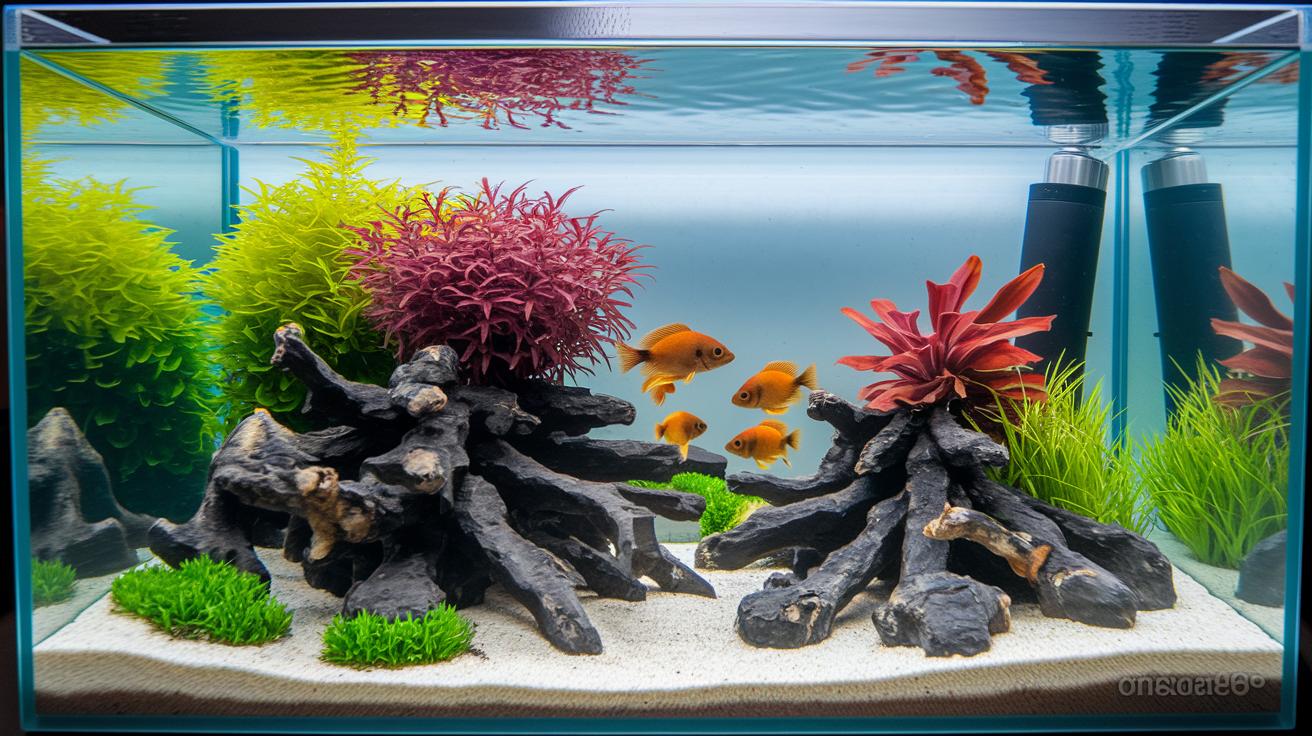
Regular water changes help sweep away extra nutrients, like nitrogen and phosphorus, that feed unwanted algae. When you swap out about 30% to 80% of your tank’s water each week, it’s like gently wiping away smudges on a living canvas, leaving a clear, fresh space for both plants and fish.
In a new tank, those first water changes are especially important because they clear out harmful ammonia spikes from nutrient-rich substrates. And if your tank is filled with plants, these changes boost the natural defenses plants create through antimicrobial chemicals. It’s a simple upkeep tip: keeping your water clean helps your underwater friends stay happy and healthy.
Siphoning the substrate during water changes gets rid of leftover food and debris before they break down into waste. Even your filters get a bit of a refresh when you use tank water, preserving the helpful bacteria that break down waste. It all feels like giving your aquarium a gentle massage, each change revitalizes the water chemistry and sets the stage for a lively, balanced ecosystem.
Ultimately, one well-planned water change can transform an algae-prone tank into a vibrant haven, much like a cool breeze on a warm day, ensuring that both your fish and plants can thrive.
How to reduce algae with proper water changes!

Keeping your tank fresh is a simple, natural way to cut down on the extra nutrients that help algae grow. For most tanks, a gentle water change of about 30% to 50% once a week makes a big difference. If you notice only a light tinge of algae, a 30% swap each week is usually just right. But if you're just getting started, especially with nutrient-rich soil, a 50% water change twice a week can help keep those ammonia spikes in check. And remember, limiting your tank’s light to 6–8 hours a day helps slow down algae growth, making your tank sparkle just like a clear stream.
A steady water change routine is like the soft rhythm of a flowing river. By refreshing your tank’s water consistently, you remove the extra nutrients that algae thrive on and create a healthy space where your plants and fish can flourish.
| Algae Bloom Level | Water Change Recommendation |
|---|---|
| Light bloom | 30% change weekly |
| Moderate bloom | 50% change weekly |
| Heavy bloom | 75% change weekly |
Following these easy steps helps keep unwanted algae in check and nurtures the overall health of your tank. Adjust your routine based on what you see, and soon you’ll have a bright, balanced, and inviting aquatic world where your fish and plants can truly shine!
Techniques During Water Changes to Enhance Clarity
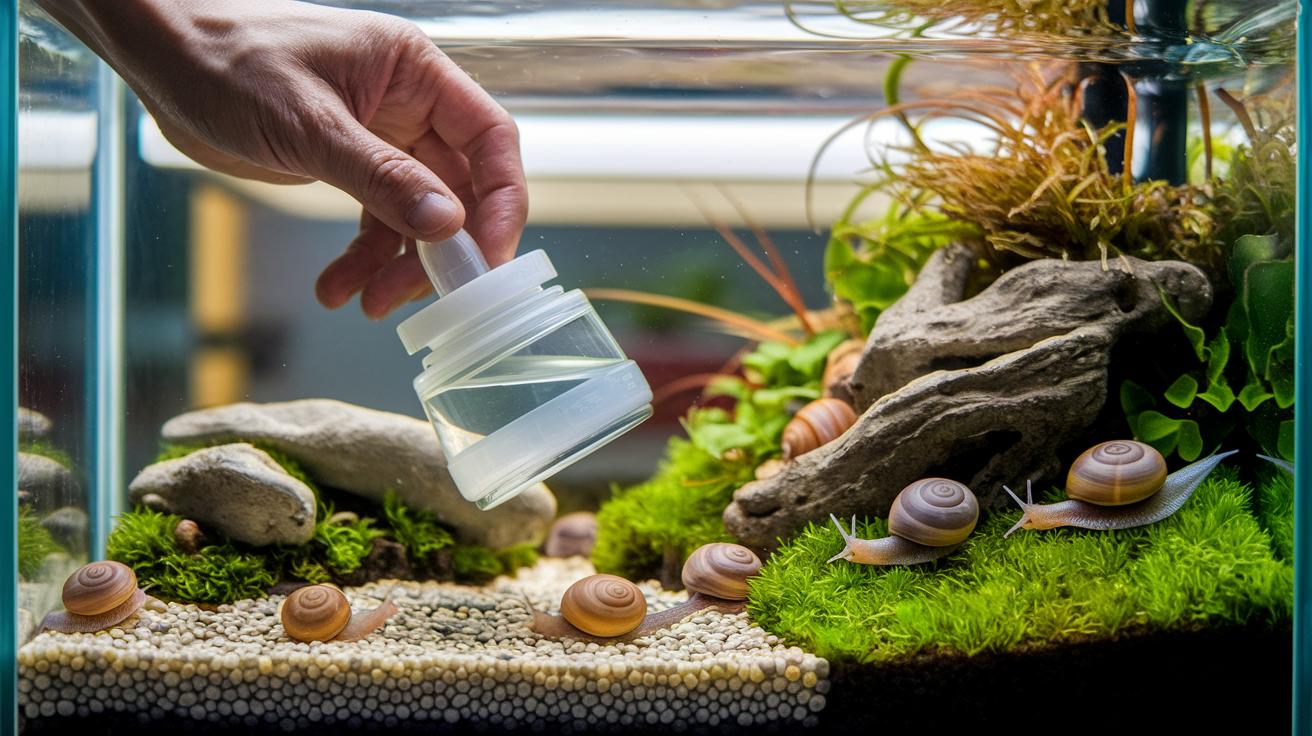
When you change your tank water, start by using a siphon to gently clean the substrate. This helps you remove bits of decaying food and debris that can feed algae, much like tidying up crumbs to avoid pests. Think of the siphon as a mini vacuum that carefully picks away leftovers.
Next, remember to use water from the tank instead of chlorinated tap water when you clean the filter media. This keeps the helpful microbes safe and sound, they work quietly to keep your aquarium balanced and clear.
Before you add fresh water, take a moment to wipe off any visible algae from the glass and decorations. Picture it like cleaning a steamed-up mirror so it stays clear and shiny. After finishing the water change, you might want to add some algae-eating shrimp or snails. These little helpers munch on any remaining algae, keeping surfaces neat and adding a fun, natural touch to your tank care routine.
Using these simple steps during water changes makes it easy to keep your aquarium sparkling and your aquatic friends happy.
Adjusting Water Chemistry After Changes to Inhibit Algae

After you change your tank water, it's a smart move to check the water's chemistry to keep algae from taking over. Fresh water helps wash away extra nutrients, but you still need to make sure nitrate and phosphate levels stay low. I like using an API Freshwater Master Test Kit because it makes checking your water quality feel as easy as a gentle swim on a calm day.
| Parameter | Recommended Range |
|---|---|
| Nitrate | <20 ppm |
| Phosphate | <0.05 ppm |
| Temperature | 72–78°F |
| CO2 | 20–30 mg/L |
Think of your water's chemistry like a delicate dance where every water change resets the stage for your plants and fish. Always check these values right after a water swap. If you see nitrate or phosphate levels creeping up too high, it might be time to cut back on fertilization or trim away extra decaying leaves. If a reading goes above the safe range, act quickly, just like a scientist rechecking an experiment, to adjust your dosage.
Another key point is keeping CO2 levels steady. Sudden drops can stress out your plants, so they won't be as good at fighting off algae naturally. Staying within a steady temperature of 72–78°F also helps slow algae growth, making your tank a more peaceful place. And in tougher moments, you might try a spot treatment with 3% hydrogen peroxide. Regularly checking your water balance not only helps your plants grow strong but also keeps that pesky algae under control.
Integrating Water Changes with Overall Tank Maintenance

Water changes aren't just a task; they're a caring part of your tank's routine. When you refresh your water often, you keep nutrient levels in check and clear out the build-up of organic bits. It’s like offering your aquatic friends a clean, refreshing home where both fish and plants can thrive.
Make sure you give your filters a little care every month using water right from the tank. This simple step helps preserve the good bacteria that break down waste, picture it as a gentle rinse that keeps your favorite dish fresh. Plus, trimming your plants to cover about 80-100% of the substrate not only makes them look neat but also stops overcrowding and helps them compete with pesky algae.
Next, pay close attention to how you add fertilizers. Think of it like sprinkling just the right pinch of seasoning on a meal. You want to feed your plants without giving algae too much to nibble on. Also, remove any decaying leaves and driftwood since these can release extra nutrients that fuel algae blooms.
Finally, stick to a regular lighting schedule of 6-8 hours a day. A steady routine of water changes, filter care, plant trimming, and balanced feeding creates a calm, healthy pond-like environment. It’s all about creating a space where your aquatic friends can peacefully glide and your plants can soak up the light and grow.
Monitoring Results: Tracking Algae Suppression Over Time
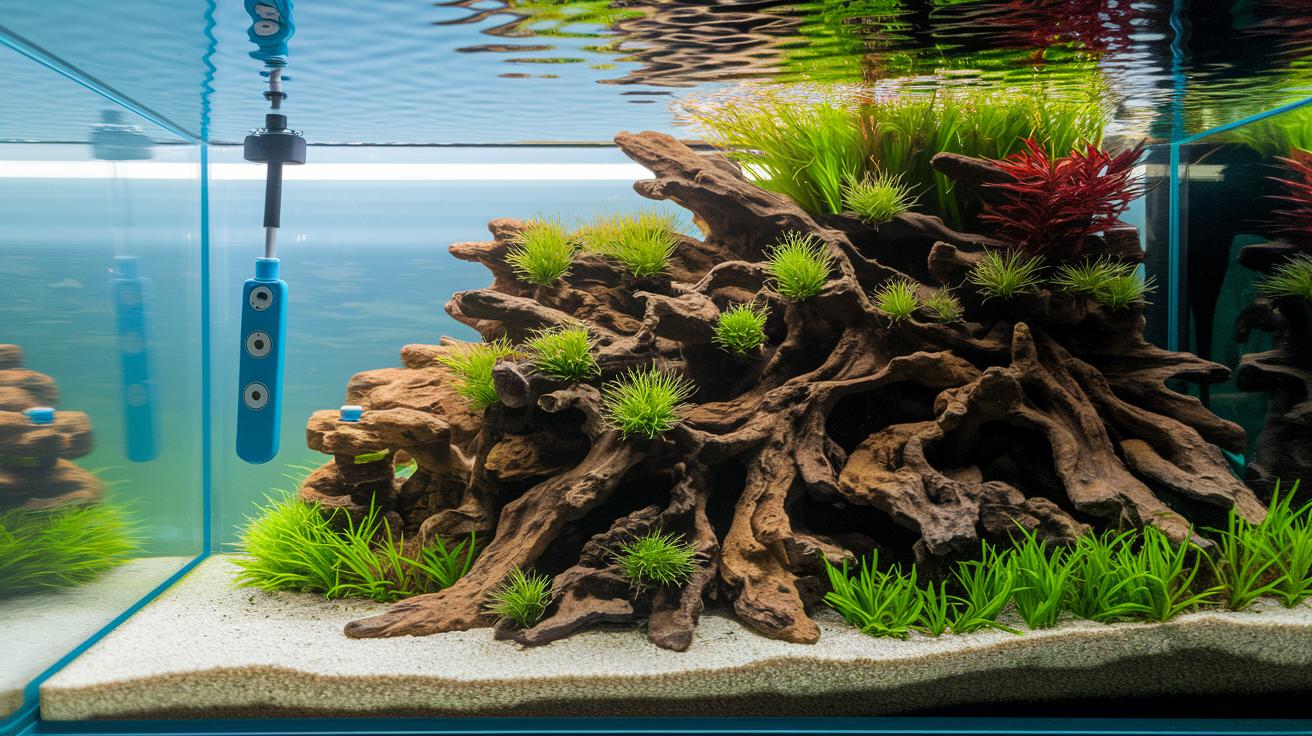
Keep a careful log of when you change your water, how much you swap out, and any test readings you take. It’s a bit like tracking the gentle ripples in an aquarium to see if your tank is staying clear. Write down the details, for example, if you change 30% of your water one time and 50% the next, note any shifts in nitrate or phosphate numbers. This way, you can really tell if your routine is working as planned.
One friendly tip is to snap a photo of your tank every week. These pictures act like a visual diary of your tank's journey, showing you clearly how much algae is growing or shrinking. Compare the images with your recorded numbers to find patterns and tweak your methods as needed. If you notice that algae still hangs around after four weeks of steady water changes, it might be time to increase the swap or adjust the timing. This simple check helps you keep things balanced and your fish happy.
Stable, thriving plants often help clear the tank and can reduce algae by up to 90% in a month. By keeping an eye on these changes, you can fine-tune your routine and keep your underwater world both beautiful and healthy.
Final Words
In the action of setting up your tank's routine, we shared effective water change tips to clear out extra nutrients that feed algae. We covered the right volumes, scheduling, and even cleaning techniques to boost your tank’s health. A balanced water chemistry and regular care lead to a clear, healthy environment that lets your plants and fish thrive. Remember, knowing how to reduce algae with proper water changes keeps your underwater world pristine and welcoming. Keep swimming forward with a refreshed and vibrant aquarium.
FAQ
How to reduce algae with proper water changes in a fish tank?
Reducing algae with proper water changes means regularly removing 30–75% of the water to lower excess nutrients. This process, including siphoning debris, cuts down algae food sources effectively.
How does stopping green algae in a fish tank work?
Stopping green algae in your fish tank involves routine partial water changes and substrate cleaning. By reducing excess nutrients and light exposure, you create a less favorable environment for green algae to thrive.
How do you get rid of algae in a fish tank naturally?
Getting rid of algae naturally means using partial water changes, siphoning detritus, and sometimes adding algae-eating creatures like snails. These steps help remove the nutrient buildup algae love.
How do you get rid of algae on aquarium plants?
Getting rid of algae on plants is achieved by regular water changes that lower nutrient levels and manual removal of visible algae. This helps your plants stay healthy and limits unwanted buildup.
Do water changes help with algae?
Yes, water changes help reduce algae by cutting down excess nitrogen and phosphorus. This removal of key nutrients makes it harder for algae to grow while supporting a cleaner tank environment.
What can you put in water to prevent algae?
To prevent algae, small, controlled doses of hydrogen peroxide can work well. Along with regular water changes and the help of algae-eating tank mates, these measures keep algae levels in check.
Should you ever do a 100% water change in an aquarium?
A complete 100% water change isn’t recommended because it can shock fish and remove beneficial bacteria. Instead, partial water changes help maintain a stable and healthy tank.
What are some types of aquarium algae and aquatic plants?
Aquarium algae can vary by appearance, while popular aquatic plants include coontail, Java moss, Hygrophila difformis, Anubias, Elodea densa, and Leptochilus pteropus. Each adds unique visual charm and function to your tank.