

Ever wonder if changing your water might upset the peaceful balance of your aquarium? It's a bit like tossing a small pebble into a quiet pond, a tiny mistake can create ripples that spread far and wide.
In this guide, I'll share some friendly tips to help you spot and fix water quality issues before they disturb your fish's calm world. We even cover why your fish might start swimming slowly and explain how to check levels of ammonia (that waste substance), pH (which shows how acidic your water is), and temperature to keep everything in balance.
Stick with us as we walk through easy steps to bring back that gentle, perfect flow in your aquatic home. Sometimes, a little attention to detail is all it takes to keep your underwater world looking as serene as a glimmering stream on a sunny day.
Troubleshooting Water Quality Issues After Water Changes: Step-by-Step Diagnostic Guide
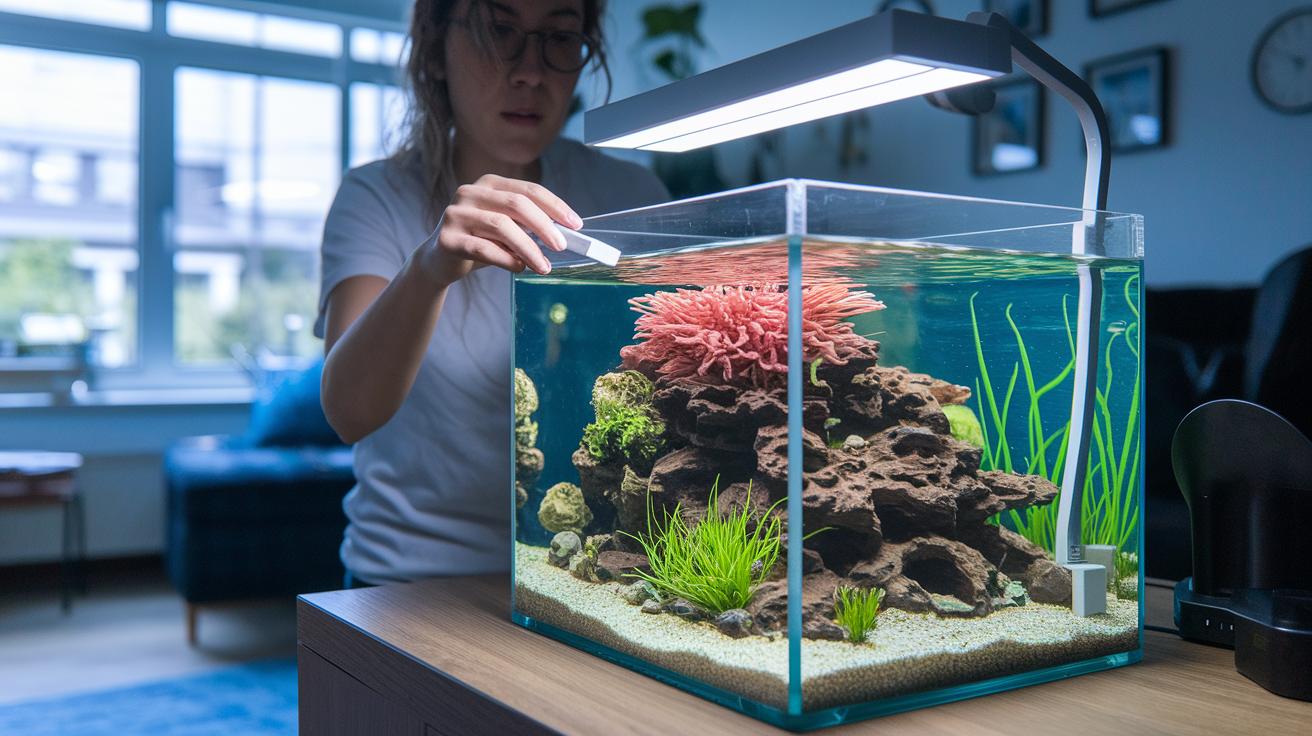
When something feels off after a water change, it's like a tiny pebble rippling through a calm pond. Even a small mistake can upset your fish and bring the whole system out of balance. A quick check helps you spot issues before they worry your aquatic friends.
After a big water change, you might notice your fish swimming slowly or holding their fins tight. These signs tell you the water chemistry might be off or that your filter isn't keeping up with the waste. It’s a bit like noticing a change in the water's sparkle on a sunny day; little details matter.
Regular water changes are crucial for keeping your fish happy and healthy. Think of it like tidying up a favorite spot by the water, every careful scoop helps maintain the magic. Keeping a close eye on water checks after a change is key to avoiding sudden spikes or drops in things like ammonia and pH.
Taking time to test your water also makes sure that all your equipment is working as it should. Even well-sized filters can get clogged with debris or have reduced flow sometimes. A little post-change review ensures every part of your setup blends together perfectly, just like a tranquil school of fish moving in unison.
- Check ammonia levels to see if the biofiltration is still settling in or if there’s an issue with a high-protein diet.
- Test the pH to catch any swings that could be caused by low carbonate hardness.
- Use a test kit to measure nitrate levels, and keep an eye out if they rise above 10 mg/L.
- Verify that your filter’s flow is steady by making sure the pump and media are working right.
- Confirm the water temperature stays stable so your fish don’t get stressed.
Doing these checks right after a water change helps you catch problems early and keep your tank as clear and soothing as a gently flowing stream.
Diagnosing Major Parameter Fluctuations After Water Changes

After a water change, it’s important to check your tank’s water quality. By testing key values like ammonia, nitrite, nitrate, and pH, you can quickly spot any changes before they affect your fish. It’s like listening to the soft murmur of your tank and noticing when something feels off.
Ammonia Spike Recognition
Sometimes, you might see a sudden jump in ammonia. This can happen if your filter isn’t fully set up or if you’ve changed your fish’s diet. When the helpful bacteria are still getting established, even a small spike is a sign to watch closely. Keeping an eye on these numbers can tell you if you need to do more frequent water changes or ease up on feeding for a little while.
Nitrite Surge Analysis
A quick surge in nitrite is another hint that things are shifting. This usually means the bacteria that change ammonia into safer compounds aren’t quite up to speed yet. Even in a nearly balanced tank, a nitrite burst signals that the process is a bit delayed. Regular tests can help guide you on when to change the water, keeping your aquatic friends safe.
Nitrate Accumulation Solutions
Nitrates can slowly build up over time, especially if you rely only on natural cycling in the tank. A few water changes covering 10–25% of the tank can help keep these numbers in check. Adding live plants is another smart move because they naturally soak up nitrates. When you monitor nitrate levels, you gain a clear idea of how to tweak your water change routine to keep your tank balanced.
pH Imbalance Identification
If you notice your pH drifting, it might be linked to low carbonate hardness, or kH. When kH drops below 3 dKH, your pH can start to wander away from its normal range. Small water changes of about 10% every other day can help slowly restore that balance. Keeping the pH steady is essential for a healthy, happy tank.
| Parameter | Normal Range | Common Post-Change Cause | Recommended Action |
|---|---|---|---|
| Ammonia | 0 ppm | Incomplete biofiltration, diet changes | Monitor frequently, adjust feeding |
| Nitrite | 0 ppm | Delayed nitrification | Increase water change frequency |
| Nitrate | <10 mg/L | Accumulation from cycling | Targeted water changes, add live plants |
| pH | 6.8-7.5 | Low carbonate hardness | Gradual water changes to stabilize kH |
Evaluating Filtration, Circulation, and Aeration Performance

After a water change, it's a good idea to check your equipment just as carefully as you test the water. Think of your filters, circulation systems, and aeration devices as part of a team working together to create a calm, safe home for your fish. Using a filter that's about one and a half to twice the size of your tank and giving the filter media a check every month helps keep trouble from building up. Keeping the water moving steadily and your air stones clean is just as important as making sure the water looks crystal clear.
Here are some simple checks you can do:
| Check | Description |
|---|---|
| Filter Media | Take a peek to see if it’s clean and free of debris; rinse or replace it if needed. |
| Flow Rate | Make sure the pump is moving enough water so that the tank’s content is completely cycled 4 to 6 times every hour. |
| Impeller | Confirm that the pump’s spinning part moves smoothly without any blockages. |
| Heater | Check that the heater warms the water slowly and steadily, ideally changing by no more than 2°F per hour. |
| Air Pump | Test the air pump to ensure it produces a steady stream of bubbles, and that the air stones and tubes are clean. |
| Sensors | Calibrate your sensors so you can trust the temperature and water flow readings. |
Going through these checks can reveal little issues that might disturb your tank’s balance. For instance, a clogged filter or a slowing impeller can mean your water isn't circulating enough, leading to waste buildup and less oxygen for your fish.
If you spot any problems, take care of them right away by cleaning or replacing the affected parts. Remember to adjust things like the heater or air pump gently to avoid sudden changes that could stress your fish, ensuring your underwater world stays stable and healthy.
Post-Refill Maintenance Protocols to Sustain Water Quality

After topping off your tank, it's important to follow a few simple steps to bring back that balanced, healthy feel for your underwater friends. By boosting oxygen, keeping the ecosystem steady, and clearing away any mess, you help your fish enjoy smooth sailing in their watery home.
Dissolved Oxygen Optimization
Right after you refill, keep the air pump running for about one hour nonstop. This steady burst of bubbles works like a cool breeze on a sunny day, boosting oxygen levels and giving your beneficial bacteria a chance to bounce back. It’s like refreshing the water with a gentle, reviving gust.
Ecosystem Balance Practices
Next, add a dose of good bacteria supplements to help your tank’s natural filter recover quickly. Keep around 20–25% of your tank filled with plants, they help soak up extra nutrients and keep the water looking its best. Also, adjust the temperature slowly, no more than a 2°F change per hour, so every fish feels comfortable settling in.
Manual Cleaning Techniques
Finally, take a soft, careful pass with a substrate vacuum to clear out any debris stirred up during the refill. This gentle cleaning method gets rid of extra mess without disturbing the friendly bacterial colonies that keep your water clear and safe.
Ensuring Clear Water and Algae Control After Refill

First, take a gentle look at your tank's water. Simply compare it to a clear glass to see if it looks clean or if it's a bit cloudy, green, or even has a slight smell. If you spot a green tint, it might mean the tank is getting too much light, much like when sunlight too strongly kisses a sparkling river. Hazy water, on the other hand, can be a sign that your filter isn’t keeping up with the flow.
Next, keep algae from taking over with a few easy steps. Try moving your tank away from direct sunlight to give it a shady spot, similar to a cozy nook under a tree. A test kit can be your best friend here, checking phosphate levels and ensuring they stay below 0.5 mg/L. This low phosphate number works to stop algae growth, just like keeping a gentle current flowing to clear away debris.
Finally, if the water still seems a bit murky, it might be time to give your filter some extra care. Think of it like wiping away a foggy window to enjoy a clear view of the world outside. Clean or replace the filter media, or even use a temporary diatom filter, to polish your water back to its sparkling, inviting self. Small tweaks in these areas can make a big difference, leaving your tank as clear as a mountain stream.
Selecting and Calibrating Diagnostic Tools for Reliable Analysis
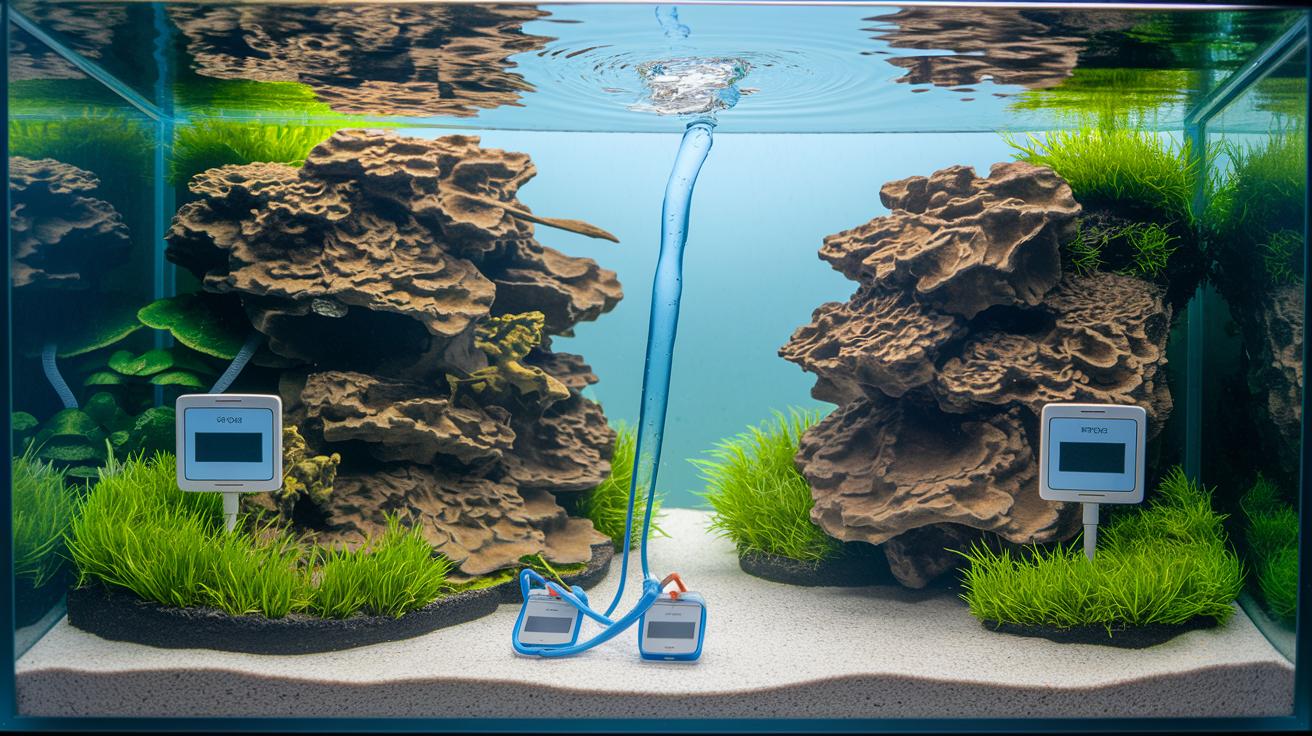
Imagine your testing gear as the gentle flow of a stream, always steady and true to its purpose. When your equipment is tuned right, it’s like having a pair of clear eyes that spot every tiny change in your water, a real lifesaver for your aquatic friends.
When you pick your test kits, go for ones that check several things at once: ammonia, nitrite, nitrate, pH, and kH. These kits give you a full picture of your water, like seeing every color in a beautiful rainbow. And remember, tossing out old test strips is a must, using expired ones is like trying to see the world through a blurry window.
Digital sensors are a bit like musical instruments that need tuning. Every month, use the manufacturer’s buffer solutions to calibrate your probes and keep them on track. This regular check-up stops them from drifting off course, much like tuning your favorite guitar to capture that perfect melody. Even after a big water change, consistent calibration helps keep the numbers steady.
Finally, keep your electrodes sparkling clean after major water changes. A quick rinse isn’t just refreshing, it makes sure you trust your readings every time. After all, the care you give your tools shows in every tiny measurement, just like tending to a beloved, well-kept aquarium.
Long-Term Maintenance Schedules and System Optimization

Keeping your water clean is like tending to a peaceful pond. When you check your tank every day, you help it stay balanced and spot little changes early on. Daily, weekly, monthly, and quarterly tasks, like checking ammonia, nitrite, nitrate, pH, and kH levels, make sure everything stays in the perfect range (for example, kH between 4 and 8 dKH, pH from 6.8 to 7.5, ammonia and nitrite at 0 ppm, and nitrate below 10 mg/L).
I keep detailed logs to track these changes, which is like watching the soft ripple of water over stones; it helps you notice subtle shifts before they turn into big problems. In marine setups, using an automatic top-off system keeps salt levels steady, just like a loyal friend who helps you keep an eye on things. This steady routine builds a strong foundation so your tank can thrive.
| Maintenance Stage | Frequency | Key Actions |
|---|---|---|
| Daily | Every day | Record water measurements, add water if needed, and check equipment quickly |
| Weekly | Once a week | Test for ammonia, nitrite, nitrate, and pH; inspect filters and clean surfaces |
| Monthly | Every month | Clean or replace filter media, calibrate sensors, and note trends |
| Quarterly | Every three months | Deep clean your setup, review overall performance, and update logs |
Sticking to a regular routine is the secret to both sparkling water and happy fish. This careful upkeep not only stops problems before they start but also makes your little underwater world as inviting as a calm lake on a sunny day. Every check and log makes you more confident that your aquatic paradise remains vibrant and balanced.
Final Words
In the action of maintaining a vibrant aquatic habitat, we walked through key diagnostic checks, equipment reviews, and post-refill care steps. Each phase helps pinpoint areas like pH shifts or ammonia spikes to keep your water crystal clear.
Using these insights, you'll refine your routine and enjoy a balanced tank. Keep troubleshooting water quality issues after water changes with care, and watch your underwater world flourish with every thoughtful adjustment.
FAQ
How can I troubleshoot water quality issues after a water change?
Troubleshooting water quality issues after a water change means checking your filter operation, testing water parameters, and reviewing your water-change routine. This approach helps quickly pinpoint common causes like ammonia spikes or pH swings.
What signs indicate poor water quality in an aquarium?
Signs of poor water quality in an aquarium include cloudy or dirty water, unusual odors, stressed fish, and algae growth. These clues prompt you to test key parameters and inspect your filtration system.
How can I fix poor water quality in my fish tank and clear cloudy water?
Fixing poor water quality and clearing cloudy water often involves increasing water changes, improving filtration, and checking your water conditioner routine. Consistent maintenance helps settle sediments and balance the water chemistry.
What causes a bacterial bloom after a water change?
A bacterial bloom after a water change often means there’s an excess of organic matter or nutrients in the water. This issue can arise from sudden changes, prompting bacteria to multiply rapidly until the balance is restored.
Why might my fish act weird after a water change?
Fish acting weird after a water change could be due to sudden shifts in water parameters or added chemicals. Mild stress is common, but monitoring and gradual changes help your fish settle back into their routine.
Can I test water immediately after a water change, and why might it appear dirty?
Testing water right after a water change is possible, though it may show temporary spikes in parameters. Dirty water sometimes appears due to suspended particles or residual chemicals that need a little time to settle.
How long does new tank syndrome last?
New tank syndrome typically lasts a few weeks as the biofilter establishes itself. During this period, regular testing and gradual water changes help in stabilizing ammonia and nitrite levels for a healthier environment.
What water conditioners like API Aquarium Accu-Clear or Seachem Prime are recommended?
Recommended water conditioners such as API Aquarium Accu-Clear, Seachem Prime, API Stress Coat, API Tap Water Conditioner, and API Stress Zyme help neutralize chlorine, detoxify ammonia, and protect fish, ensuring a safer water environment.