

Ever wonder if your fish are really enjoying their meals? It’s more than just dropping a handful of food into the tank. There are feeds like light flakes and slow-sinking pellets, each with its own special mix of nutrients that can really boost your fish’s well-being.
In this guide, we chat about different aquarium diets in simple terms. You’ll learn which feeds provide important proteins and vitamins that help your fish thrive. Keep reading to see how these meals keep your aquatic friends healthy and happy.
Complete Nutrient Breakdown of Popular Aquarium Fish Diet Formats
Feeding our aquarium buddies is more than just tossing food into the tank. It starts with knowing what each feed offers in nutrients. For example, flakes are light and float on water, making them ideal for fish that love to swim near the top. Think of a bright school of fish grazing at the surface, the flake brings a taste of home.
Pellets work a bit differently. They sink slowly so that all the fish, whether they swim high or low, get a fair share of proteins and vitamins. Imagine a tank full of fish where every creature, from the fast to the slow swimmers, enjoys the same balanced bite.
Wafers are a fun option too. They dissolve slowly, encouraging fish to nibble and enjoy every mouthful. I remember watching a bottom-dweller carefully press a wafer against the glass, taking its time with each bite, almost like enjoying a little feast.
Frozen foods really pack a punch. They often contain whole fish, shrimp, or other crustaceans, offering a meal that feels close to nature. This makes them a great pick for fish that prefer a diet similar to what they’d hunt in the wild. On the flip side, freeze-dried foods are super handy and easy to store, even though they might have a bit less protein.
| Feed Format | Typical Protein Source | Key Nutrient Note |
|---|---|---|
| Flakes | Fish meal or plant proteins | Light and floats for surface feeders |
| Pellets | Concentrated fish meal blend | Sinks slowly for an even nutrient mix |
| Wafers | Mix of fish and vegetable matter | Slow-dissolving for longer feeding time |
| Frozen | Whole fish, shrimp, or crustaceans | Nutrient-rich, mimics natural prey |
| Freeze-dried | Dried fragments of fish or shrimp | Slightly lower protein with long shelf life |
In truth, a balanced aquarium diet comes down to matching the feed with your fish’s natural habits. Just as you’d pick the right snack for a busy day, choosing the best mix for your tank keeps your fish happy and healthy. Isn't it amazing how something as simple as food can make a big difference in your aquatic world?
Amino Acid and Protein Source Analysis in Fish Diets
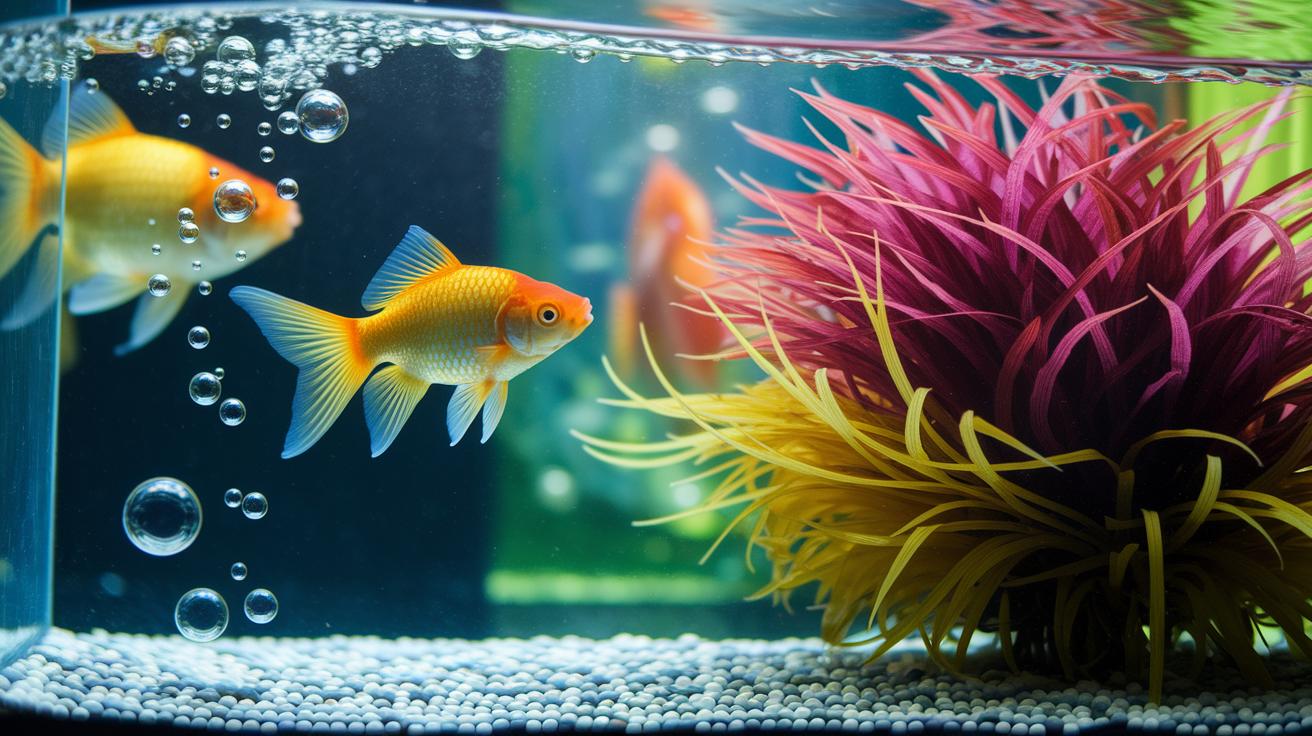
Carnivorous fish stick to a menu filled with small fish, bugs, worms, snails, and shrimp. These meaty delights pack the full range of amino acids that help them stay active and grow strong. It’s a bit like a chef mixing just the right ingredients for a tasty dish. Fun fact: wild goldfish would hunt tiny prey to give them a quick boost for growth!
Herbivorous fish, on the other hand, get their protein from algae, different veggies, and even a few fruits here and there. This plant-based buffet mirrors what they’d naturally nibble on in the wild, fitting perfectly with their slow, steady feeding habits. And then there are omnivores like the Cory Catfish, who enjoy a mix of both animal and plant proteins to help them grow nicely while sampling different textures and flavors.
When fish eat the kinds of food they would find in nature, it helps them develop well and keeps them feeling lively. Whether they’re chasing prey in a flash or quietly grazing on plants, the source of their protein is key to keeping our underwater friends healthy and full of life.
Evaluating Vitamins and Minerals in Aquarium Fish Foods
Vitamin A is like the star of the show for our fish. It helps them see clearly, grow strong, keep their skin healthy, and even breed successfully. Picture a bright, speedy fish darting through warm, sunlit water, its vivid colors showing off the perfect amount of Vitamin A.
Water-soluble vitamins jump into action fast, keeping your fish lively and full of energy. On the other hand, vitamins like Vitamin A that mix with fats build up slowly to boost the immune system, keeping dull, fading colors at bay. When fish don’t get enough Vitamin A, their scales might lose that extra sparkle, much like a dim light in a bustling tank.
Minerals play a big role in your fish’s overall wellness too. For example, calcium and phosphorus help build strong bones and smooth, shiny scales. Imagine a fish gliding over a smooth rock with each scale catching the light just right, thanks to a perfect balance of these minerals.
Mixing up your fish’s diet by offering different types of feed is a smart way to avoid any nutrient gaps and even boost their breeding health. This blend of foods makes sure that every nutrient, whether it acts quickly or slowly, works together as harmoniously as ripples on a quiet stream. Isn’t it amazing how vitamins and minerals team up to keep our underwater friends so vibrant and happy?
Lipid, Fiber, and Carbohydrate Profiles in Common Fish Feeds

When it comes to feeding our aquatic friends, the fats, fibers, and carbs in their diet play a big role in keeping them energetic and healthy. Fats, also known as lipids, are like little energy reserves for the fish. For instance, carnivorous fish often enjoy a mix of insect meal and fish oil. Think about it like a quick, tasty bite that gives a burst of energy when you need it.
Herbivorous fish get plenty of fiber from feeds made with algae and wafers. This fiber slows down the way food moves through their bodies, much like a slow, calming stream that makes every ripple count. It helps keep their digestion smooth and their gut happy.
Different types of fish food also bring in various carbohydrate sources. Feeds like flakes or freeze-dried foods use cereal binders to quickly supply energy. On the other hand, frozen diets pack more natural, energy-rich ingredients that maintain a higher energy level. By balancing these fats, fibers, and carbs, each type of feed meets the unique needs of different fish, ensuring they stay active and thrive in their underwater world.
Feeding Practices and Nutrient Uptake in Freshwater Tanks
Feeding your fish twice a day is key to keeping their nutrients steady. Instead of one big meal, try offering small, frequent portions so every morsel is enjoyed. When you mix up the food types, your fish can choose what suits their taste best. For example, tossing in different textures and feeding at various water heights keeps everyone, from those nibbling near the surface to the bottom dwellers, happily active and healthy. I remember watching a Pleco carefully sifting through the tank when Vallisneria Gigantea was present; it felt like the plants were gently guiding its meal choice.
Matching the food to each fish's natural habits really helps with nutrient uptake. Notice those little hints, like a fish darting for a flake at the top or a slow-moving bottom dweller grazing quietly. Adjusting portions based on these cues prevents waste and keeps the tank’s rhythm smooth. Regular, well-timed feeding gives your fish a happy tummy, letting them absorb proteins, vitamins, and minerals just like they would in the wild. It’s like setting up a gentle, underwater dance routine, carefully planned and full of life.
Final Words
In the action, this article presented a clear nutrient breakdown of popular fish feeds. We covered the unique traits of flakes, pellets, wafers, frozen, and freeze-dried diets. We also looked at protein sources, essential vitamins and minerals, and the roles of lipids, fibers, and carbohydrates. Feeding practices and nutrient uptake in freshwater tanks were also discussed. Exploring the nutrient profiles of common aquarium fish diets can truly help create the best environment for your aquatic companions. Enjoy creating that beautiful underwater world!
FAQ
What do nutrient profiles of common aquarium fish diets pdf show?
The nutrient profiles of common aquarium fish diets pdf explain how different feed types—flakes, pellets, wafers, frozen, and freeze-dried—compare in protein content and macro-nutrients. They help aquarists choose balanced feeds.
What roles do vitamins for fish growth play?
The vitamins for fish growth support vision, healthy skin, and reproduction. They also help maintain vibrant color and proper immunity, ensuring fish get what they need for a balanced aquatic diet.