

Ever noticed how some fish gobble their food like they're in a race while others nibble slowly? In your tank, the bold ones thrive on protein-packed bites that fire up their energy, while the more timid fish prefer delicate meals that let them savor each nibble.
This guide is your handy little map to pairing the right nutrients with your fish's unique personality so that every finned friend feels safe and content. Keep reading to find the perfect feeding plan to keep your aquatic world balanced and lively.
Contrasting Nutritional Needs of Aggressive and Shy Aquarium Fish
Aggressive fish are like little athletes in your tank. They need hearty meals that boost their energy, such as high-quality pellets, frozen foods, or even live offerings. This extra protein fuels their lively, competitive behavior, much like a pre-game snack energizes a sports team.
Shy fish, on the other hand, enjoy a gentler approach. They do best with food that releases nutrients slowly, giving them all the time they need to nibble at their leisure. Gel foods that last in the water for up to 24 hours work wonderfully, and small portions of modified flakes or dry food mixed with their favorite treats can help them feel safe while they eat.
Taking care of both types means balancing their different needs. It’s like setting up a well-planned aquarium where every fish gets just the right snack to keep them happy and healthy. Check out the table below for a quick guide on protein needs, feeding frequency, and food types for each fish personality.
| Behavior Type | Protein Requirement | Feeding Frequency | Recommended Food Types |
|---|---|---|---|
| Aggressive Fish | High protein boost | 2-3 times daily | Protein-rich pellets, frozen foods, live offerings |
| Shy Fish | Moderate protein intake | Multiple small feedings or constant grazing | Gel foods, modified flakes, small portion meals |
Aggressive Aquarium Fish Diets: Protein-Rich and High-Energy Feed Options

Aggressive fish are always on the go and need meals packed with protein to fuel their spirited routines. Frozen treats like baby brine shrimp and bloodworms provide a rich protein boost. The crunchy shells add a bit of fiber that helps digestion, almost like a fun, crunchy snack that keeps their system in balance. For example, try offering a small serving of frozen bloodworms. It’s a bit like letting them enjoy a mini hunt in your tank!
Live foods such as whiteworms, daphnia, and blackworms not only pack essential nutrients but also fire up those natural hunting instincts, which can be great for lean or breeding fish. Dry feeds like pellets and special flakes give a steady dose of protein, though regular flakes might break apart too quickly. Many keep water cleaner by choosing premium pellets that hold together better.
Gel foods can be a great alternative too. When mixed with vitamins or medications, they serve up a calorie-rich blend that stays intact in the water. Specialty feed options , like freeze-dried krill or insect larvae , boost amino acids while adding variety to your fish’s diet. Rotating these different feeds keeps mealtime interesting and fresh.
Mixing these options also means you can add healthy fats. A little fish oil or omega-rich supplement can boost overall energy and help maintain muscle strength. By often changing up the protein and energy-packed meals, you’re meeting the high demands of your aggressive fish in a way that feels natural and engaging.
Shy Aquarium Fish Feeding: Slow-Release and Targeted Meal Techniques
Gel foods give a slow, steady dose of nutrients that's just right for shy fish. They hold their shape for up to 24 hours, so your timid swimmers can snack at their own pace. When you prepare these treats, consider mixing in some pureed veggies, like a bit of gently cooked zucchini, to boost the flavor and appeal.
Blending new ingredients into a familiar gel base helps your shy fish feel safe while they try different tastes. Serving small, manageable portions keeps stress low and waste to a minimum. And adding a smidge of live food every now and then can inspire natural feeding habits without overwhelming them.
Here are some quick tips for feeding your shy fish:
- Choose gel foods that keep their form underwater for up to 24 hours.
- Gently mix in extras like a pureed vegetable blend directly into the gel.
- Lightly cook and mash veggies such as zucchini before adding.
- Offer tiny amounts of live food to mimic natural feeding cues.
- Serve small, careful portions to keep mealtimes calm.
For more ideas on a balanced fish diet that keeps your aquatic friends healthy and happy, check out our further reading guide.
Scheduling and Portion Control for Aggressive and Shy Aquarium Fish

When you have aggressive fish in your tank, think of meal times like a burst of exciting energy. These lively fish do best with two to three quick feedings each day, with each meal lasting only two to five minutes. It’s a bit like a fast-paced dash for food. Try giving them a little bit of protein-packed pellets or even some live treats, and watch them gobble it up in just a few minutes. Adjust the amount of food based on the size of your fish and how many are in the tank, much like dishing out the perfect bite at a busy family dinner.
On the other hand, shy fish need a slower, gentler approach. They really enjoy having four to six smaller meals scattered throughout the day, or even a constant supply of gel cubes that let them nibble at their own rhythm. This way, they can take their time, feel safe, and avoid any meal-time stress. And remember, after each feeding, make sure to remove any leftover food so your water stays clean. This careful approach saves energy, keeps the tank tidy, and ensures every fish gets just the right nutrients without any waste.
Ingredient Selection and Nutrient Balancing in Aquarium Fish Meals
When you mix up a meal for your fish, it’s like crafting a gourmet dish. Start with high-quality flake food that delivers the essential proteins, carbs, and fats. Sometimes, though, these flakes miss out on long-chain fats, so why not add some omega-rich pellets or a little fish oil to help balance things out?
Another cool option is gel feeds. They hold their shape in the water, making them perfect for mixing in vitamins. Try stirring in vitamins A, C, and D3 along with a touch of minerals like manganese for strong scales and healthy bones. A few drops of a liquid mineral supplement can boost the calcium too, ensuring every detail counts.
Frozen crustaceans are another treat for your fish. Packed with chitin, they add a fiber-like boost that helps tidy up your fish’s gut. Extras like Catappa leaves and dried seaweed offer more fiber and antioxidants, giving their immune systems a nice lift. And for fish that enjoy both plants and animals, mixing vegetable purees with animal proteins makes sure every nutrient is covered.
In the end, each meal should blend these nutritional elements to create a balanced plan. By doing so, you help keep your aquatic friends happy and healthy while meeting all of their dietary needs.
Behavior-Adaptive Feeding for Aggressive and Shy Aquarium Fish to Minimize Competition and Stress
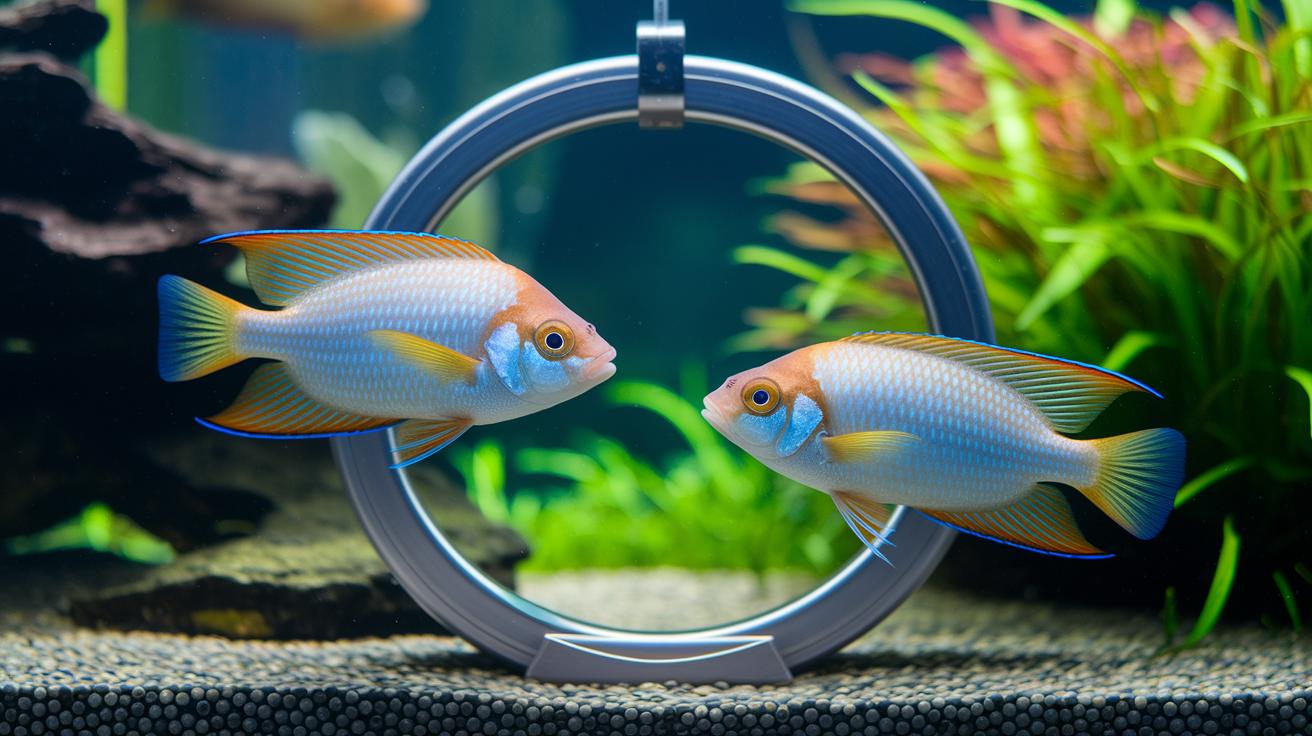
Feeding your fish based on their behavior can keep your tank calm and make sure all your friends get a fair bite. Try giving them a hearty meal about 30 minutes before you add any new fish. It works like setting up a festive banquet, encouraging the more dominant fish to settle down and leaving the less assertive ones feeling safe.
Offering several feeding spots or using feeding rings is a great way to let shy fish eat in peace. Separating the overly bossy fish in a breeder box for one to two weeks can help reset the pecking order, making the tank a more relaxed place. And when you introduce new fish, dimming the lights or even using a mirror can distract territorial behavior and create a calmer vibe.
Adding a few lively dither fish is another neat trick. Their constant swimming acts like a gentle ripple, distracting both the aggressive and timid fish. With these simple adjustments, every feeding time becomes a nourishing and stress-free event for your underwater community.
Final Words
In the action, we explored the unique feeding habits of both assertive and gentle fish. We reviewed different food types, flakes, gels, frozen, live, and discussed tailored feeding schedules to create a calm underwater setting. We even shared a few simple techniques to help those slow-eating residents enjoy their meals at their own pace. Remember what to feed aggressive versus shy aquarium fish for optimal nutrition, and your aquatic home will feel as balanced and lively as a serene, sparkling lagoon.
FAQ
What does dither fish mean and which types work best for cichlids, bettas, Oscars, Apistogramma, and South American cichlids?
The term dither fish refers to small, active fish used to calm and stimulate feeding behavior in more aggressive species. They often include small schooling fish like guppies, mollies, or tetras.
How do you feed a shy fish and help it become less timid at mealtime?
Feeding shy fish involves using slow-release gel or live foods placed near hiding spots, paired with smaller, frequent portions that gently coax them to feed without feeling overwhelmed.
How can you stop food aggression in fish during feeding times?
Stopping food aggression means creating multiple feeding stations, adjusting portion sizes, and sometimes adding distraction elements like dither fish to help balance competitiveness among tank residents.
Which fish food type is best for maintaining aquarium health?
The best food type for maintaining aquarium health is a balanced mix including dry feeds, frozen options, gel formulations, and live foods that meet essential nutrients for a variety of fish dietary needs.
Feeding Comparison for Aggressive and Shy Fish
| Behavior Type | Protein Requirement | Feeding Frequency | Recommended Food Types |
|---|---|---|---|
| Aggressive Fish | High protein | 2-3 feedings per day | Premium pellets, live, and frozen foods |
| Shy Fish | Moderate protein | Frequent, smaller meals | Gel feeds, customized flake options, and frozen specialties |
Slow-Release and Targeted Meal Techniques
- Offer intact gel foods that remain available for up to 24 hours.
- Mix new foods with established favorites to boost acceptance.
- Provide smaller portions to mimic natural grazing.
- Position food near sheltered areas to reduce stress.
- Use multiple feeding stations to ensure equal access.