
Have you ever wondered what really happens when your fish take a nibble? Imagine a tiny kitchen inside each fish where every bit of food is carefully chopped up and mixed with natural enzymes. This process happens in two clear steps that turn each meal into energy and strength, almost like magic under the water.
It’s a simple yet amazing method that not only keeps your fish strong but also helps maintain a clear, healthy aquarium. Think of it as a gentle ripple of activity, much like watching light dance over smooth stones. In this article, I’m excited to share the details behind this natural process, using clear examples and easy-to-understand language, just like chatting with a close friend about your latest aquarium discoveries.
Fundamentals of Digestion in Aquarium Fish
Fish break down their food in two lively stages, mechanical and chemical digestion. It all starts at the mouth, where parts of the fish physically chop and soften the food, much like how we chew our meals before swallowing. Then, enzymes jump in to work their magic, turning the food into nutrients the fish can easily absorb. Ever watch a fish quickly gulp water and food particles? It’s a bit like a mini-blender whirring things up before the chef adds the finishing touches.
Once the food is in the system, it follows a clear path. First, it enters the mouth, then slips down a short but stretchy tube called the oesophagus. From there, it lands in the stomach where it gets mixed up nicely. Next, the pyloric caeca take over, they help break the food down a bit more while also soaking up some nutrients before the food continues into the intestine for full nutrient absorption. Finally, what’s left is pushed out through the cloaca, and any extra ammonia is released through the gills, keeping the water fresh and clean.
- Eating begins at the mouth.
- The food first gets physically broken down in the mouth and stomach.
- Enzymes then chemically digest the food.
- Nutrients are absorbed in the intestine.
- Waste leaves through the cloaca, with extra cleaning done by the gills.
This steady process, from the first catch of food at the mouth to its final exit through the cloaca and gills, shows how neatly mechanical and chemical digestion work together. It’s a wonderful reminder of the careful balance in nature that keeps our aquarium fish healthy and happy.
Anatomy of the Gastrointestinal Tract in Aquarium Fish
Mouth Adaptations
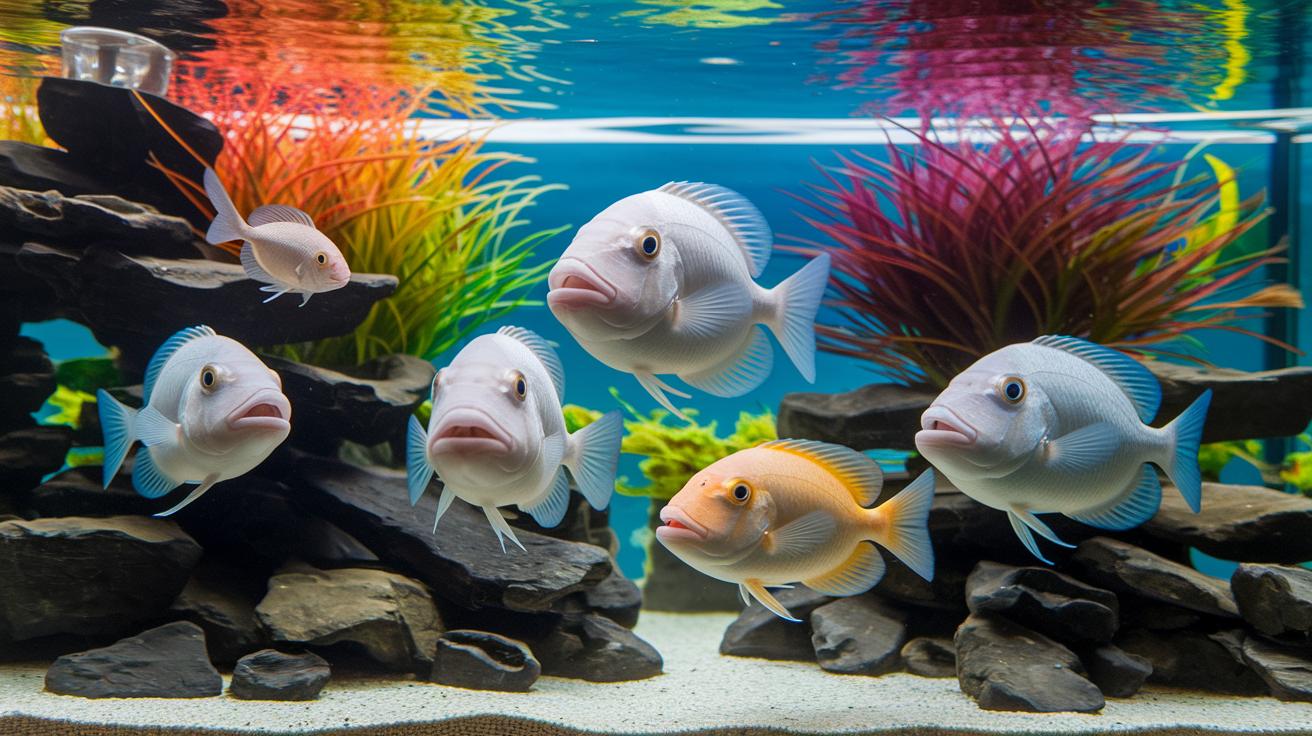
Fish come in all shapes, and so do their mouths depending on what they like to eat. Some fish use a neat suction trick that pulls in water and food in one quick gulp. Others gently nip or graze on plants, almost like they're picking little bits off a water garden. These handy designs mean each fish can grab the perfect treat for its underwater world.
Oesophagus Function
Once food is caught, it journeys through a short, stretchable tube called the oesophagus. Think of it as a flexible tunnel with sturdy walls that push bigger bits of food along. This clever passage lets fish enjoy snacks that might even be larger than what their mouths can normally take in.
Stomach Variations
Fish stomachs can look very different depending on their diets. Meat-loving fish usually sport a straight or slightly curved pouch filled with muscles and special glands that help turn solid food into a soft liquid. Meanwhile, fish that munch on plants sometimes skip having a true stomach or have a very simple version, showing just how unique every fish’s dining style can be.
Pyloric Caeca & Intestine
Just after the stomach, you'll find the pyloric caeca, these little, finger-like helpers mix and absorb nutrients as food makes its way along. Then comes the intestine, which varies a lot from one fish to another. Predators often have a short intestine, while plant-eaters sport a long, twisting gut that helps them soak up all the goodness from their leafy meals.
Role of Enzymes and Chemical Processes in Aquarium Fish Digestion
Have you ever wondered how our finned friends turn their food into energy? Since fish don’t have salivary glands, their stomach or intestine jumps right in, starting the digestion process as soon as food arrives. Special enzymes break meals down into smaller parts, making it easier for fish to absorb the nutrients, just like the gentle flow of water carrying away tiny particles.
Proteases are the first team players in this natural process. They work like little scissors, snipping large protein molecules into smaller, workable pieces. In the acidic environment of a predatory fish’s stomach, these enzymes shine by breaking proteins down into building blocks that the fish needs to grow and repair its body.
Lipases play their part by tackling fats. They break down fats into fatty acids and glycerol, especially when bile salts help mix things up, think of it as a natural detergent. This process is crucial since fats serve as a key energy source for fish, much like a tasty snack that keeps them going throughout the day.
Amylases join the group by transforming starches into simple sugars. Even though many fish don’t rely primarily on carbohydrates, these enzymes are important for digesting any plant material they might nibble on. They steadily convert starch into sugars that the fish can easily absorb.
Together, these enzymes create a well-coordinated system, ensuring that proteins, fats, and carbohydrates turn into nutrients ready to fuel the fish’s lively life.
Mechanical Food Processing and Gut Motility in Aquarium Fish
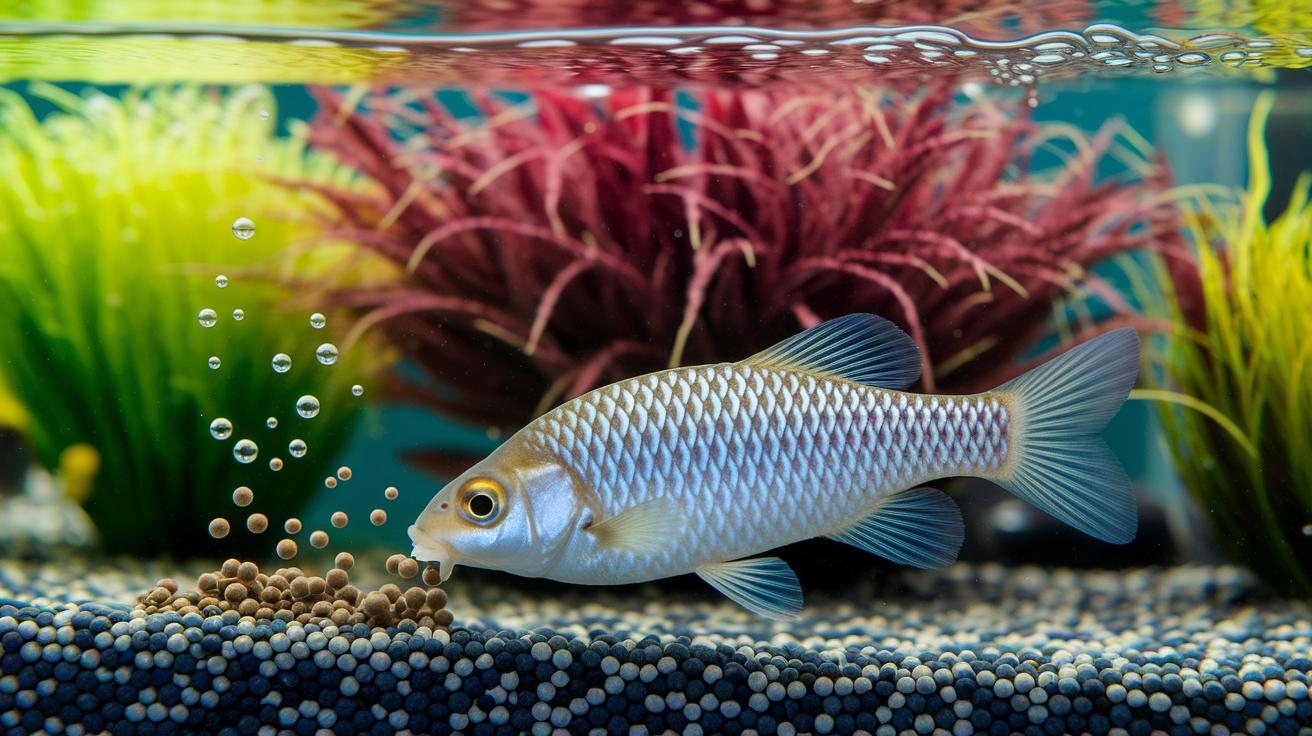
When a fish first starts to digest its food, the process begins right at the mouth. They either use their teeth or suction to grab and break the food into smaller pieces, much like grinding grains before making a meal. Each fish adapts its method to match the type of food it finds, so even bigger pieces get broken down enough to be swallowed with ease.
Once the food leaves the mouth, the stomach takes over. The fish’s stomach muscles work like the gentle, rhythmic flow of water rippling over smooth rocks. This soft churning is like a relaxing massage that breaks the food down further. Then, as the food moves into the intestine, strong, wave-like motions, called peristaltic waves, carry on this process, gently massaging the food until it meets the surfaces where nutrients can be absorbed later.
How fast the food moves along, known as the transit time, plays a big part in how well the fish gets its nutrients. If the food goes by too quickly, there isn’t enough time to break it down, but if it lingers slowly, there’s more time for all the digestive magic to happen. This balance is key in ensuring that the fish gets the nourishment it needs to thrive.
Nutrient Absorption and Metabolic Pathways in Aquarium Fish
Inside a fish’s gut, tiny little branches called microvilli help nutrients slip into the body. These microvilli boost the area where fish can grab what they need, much like having lots of small doors for easy entry. Some fish even soak up dissolved nutrients through their gills, a neat extra trick for staying healthy.
Once the nutrients are in, proteins and fats take center stage as energy sources, while sugars play a smaller role. The amino acids from proteins and fatty acids from fats travel through special pathways, breaking down much like a busy little workshop turning raw stuff into useful pieces. For example, processes like the Krebs cycle and beta-oxidation work like nature’s own energy factory, crafting simple building blocks that help the fish grow and repair itself.
The final piece of the puzzle comes with ATP, the fuel that powers every cell. Thanks to these clever metabolic steps, ATP gets made, giving fish the energy they need to swim, grow, and even keep their water clear. It’s a well-tuned system, from nutrient intake through microvilli to energy production, that keeps our aquarium friends thriving.
Gut Microbiome and Its Impact on Digestion in Aquarium Fish
Imagine a team of tiny helpers working hard inside each fish. These friendly bacteria break down tricky sugars that the fish can’t handle on their own and even whip up B-vitamins that give the fish the energy to swim, play, and explore their watery world.
Probiotic supplements are often recommended as a way to boost these gut buddies. But research is a mixed bag. Sometimes, adding them feels like sprinkling a little extra seasoning on an already tasty meal. Other times, there isn’t a big change. Scientists are still figuring out if these supplements can truly balance the gut’s micro-life for the best possible health.
Keeping the water crystal clear, offering a steady and nutritious diet, and reducing stress are key to a happy gut for your fish. By checking your tank’s water and feeding high-quality food, you create a cozy home where these good bacteria can thrive. Ever notice how a calm, clean tank can really brighten your day? It’s all about letting nature’s helpers do what they do best, helping your fish make the most of every meal while staying strong and healthy.
Influence of Diet and Feeding Behavior on Aquarium Fish Digestion
Getting the right mix of proteins and carbs in your fish’s food is a bit like setting up a gentle current that helps everything flow smoothly. When young fish don’t get at least 40% protein, they can grow slower. On the other hand, having over 50% protein only gives a tiny extra boost. A balanced blend is what really helps them grow strong and healthy. Carbs aren’t as powerful as proteins but adding a little here and there is just fine. When your fish enjoy quality feed in the right amounts, they not only grow better but also make your tank water clearer, much like a well-set table for a delightful underwater dinner.
How you feed is just as important as what you feed them. A steady feeding schedule helps your fish release the natural enzymes needed to break down their food. Instead of one big meal, try offering several small feedings throughout the day. This keeps their energy steady and helps them absorb the nutrients more easily. Plus, giving them food that fits just right in their little mouths means less waste and a happier, more balanced environment. When you combine top-notch food quality with careful portion control, your fish will thrive, and your tank will sparkle like sunlight on a calm lake.
- Keep protein levels at or above 40% for young fish.
- Ensure the feed includes balanced lipid sources.
- Use carbohydrates in moderation.
- Offer several small feedings throughout the day.
- Select pellet sizes that match your fish’s mouth dimensions.
- Watch your water clarity and adjust feeding amounts as needed.
Comparative Digestive Strategies Across Aquarium Fish Species
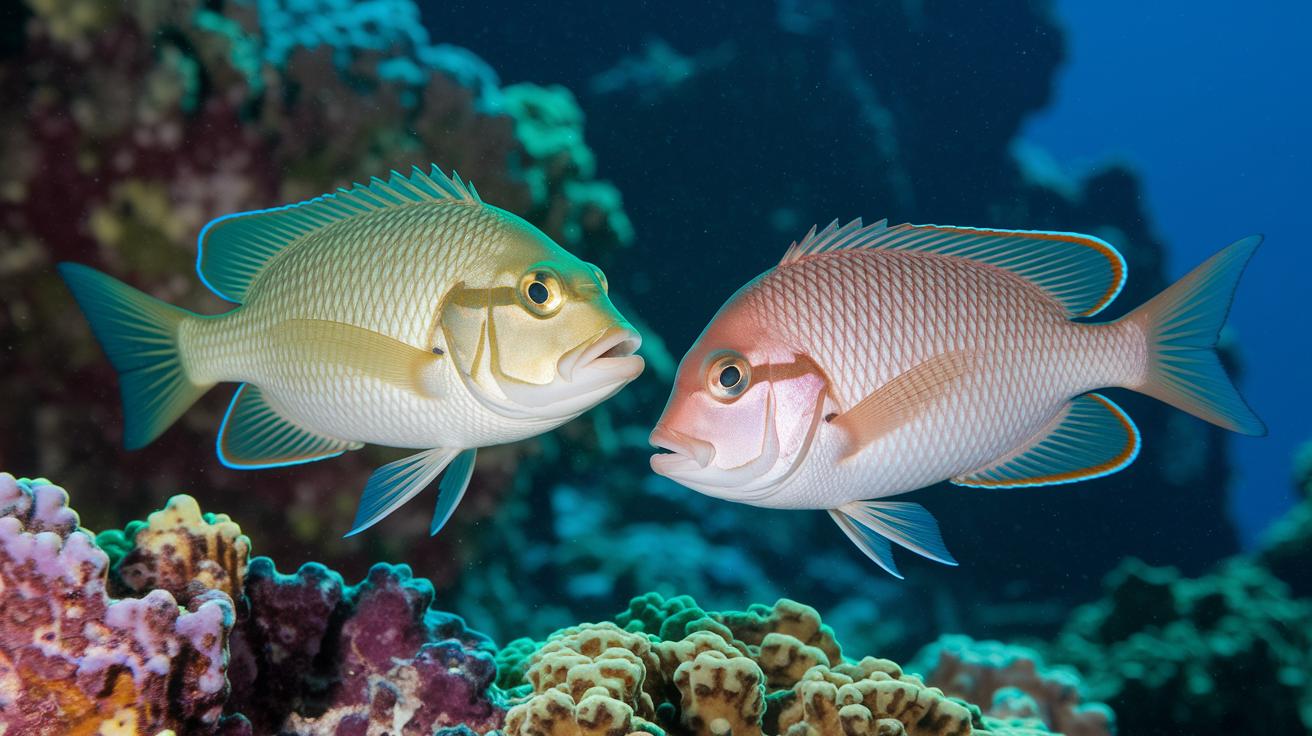
Fish have unique ways to handle their meals, just like different chefs in their distinct kitchens. Carnivorous fish tend to have short guts with powerful stomach acids that quickly break down proteins. In contrast, herbivorous fish sport long, winding intestines with gentler acids to help squeeze every bit of goodness from their plants. Some species even skip having a real stomach, relying instead on a longer intestinal journey to get the job done.
These differences shine through when you look at the enzymes at work. In meat-eaters, enzymes like proteases thrive in a highly acidic setting, while plant-eaters use enzymes that are built to work well in a longer, less acidic digestive process.
Evolution has beautifully tuned these systems to fit each fish’s natural diet. Features like mouth shape, enzyme production, and gut length have all evolved to meet the specific needs of each fish. Carnivores needed a quick, efficient system for breaking down food, and herbivores developed longer passages to maximize nutrient extraction from foods that aren’t as energy-rich.
In truth, these adaptations show us the amazing balance between a fish’s structure and its function, a reminder that nature’s designs are as diverse and enchanting as the underwater world itself.
Final Words
In the action of exploring aquarium fish digestion, the post covered how mechanical processing and chemical breakdown work together. We looked at the order of digestive organs, the role of enzymes, and even the gut microbiome, all critical for a healthy tank.
The science of digestion in aquarium fish shows us that each step, from the first bite to waste excretion, creates a balanced underwater home. Embrace these insights to keep your aquatic haven clean, comfortable, and truly lively.
FAQ
What documents detail the science and structure of fish digestion in PDFs and PPTs?
The PDF and PPT documents detail fish digestion processes, showing mechanical breakdown at the mouth, chemical actions of enzymes, organ sequence from the mouth to the cloaca, and nutrient absorption pathways.
How is fish digested in the human body?
The digestion of fish in a human body means the stomach acids and enzymes process fish proteins much like other foods. This process differs from fish digestion, which uses unique organ sequences and enzyme profiles.
What is the process of digestion in fish?
The process of fish digestion begins with ingestion, then proceeds with mechanical breakdown in the mouth and stomach, followed by chemical digestion via enzymes, nutrient absorption in the intestine, and waste excretion through the cloaca.
What helps with digestive processes in fish?
The support for fish digestive processes comes from high-quality, protein-rich feed, proper feeding size, and good water conditions. These factors aid enzyme efficiency and organ function during both mechanical and chemical digestion.
How do fish digest food without a stomach?
The fish that lack a stomach digest food by relying on long intestines and pyloric caeca for chemical breakdown. Enzymes work along these structures to continue nutrient absorption even in the absence of a true stomach.
What are the seven steps of digestion in fish?
The seven steps of fish digestion include ingestion, oral processing, mechanical breakdown, enzymatic chemical digestion, thorough mixing, nutrient absorption, and waste excretion. Each step contributes to effective energy extraction from feed.