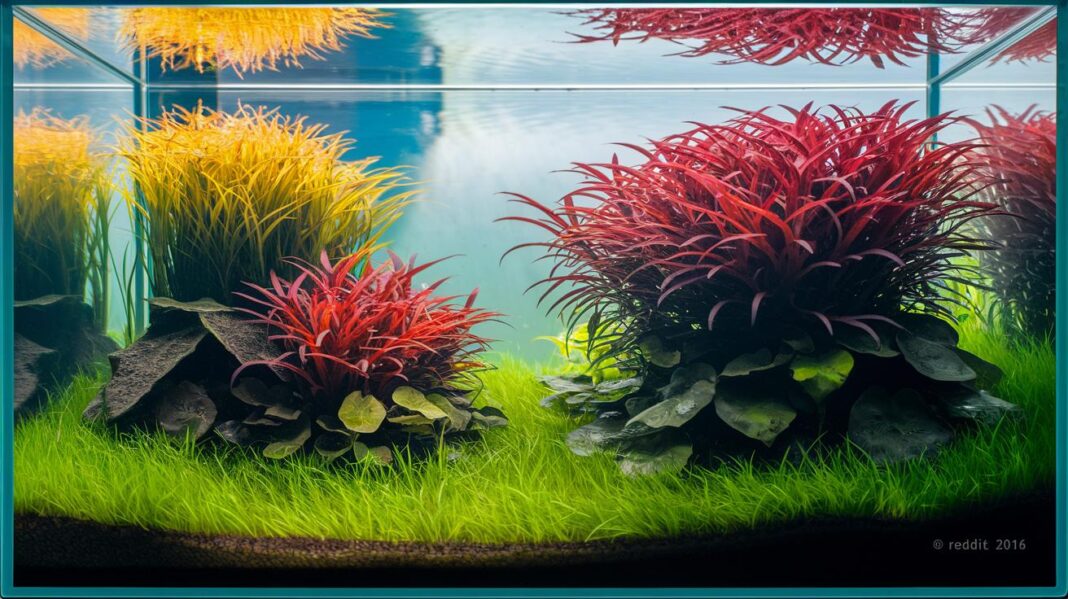

Ever thought about turning your fish tank into a charming little garden? Picture potted plants adding a splash of green to your underwater world, just like a gentle current carrying fresh petals over smooth stones.
These little wonders do more than brighten your view. They clean your water and boost oxygen levels, making your tank feel as inviting as a sunlit stream. And they create fun hideaways for your fish, much like secret coves along a winding river.
Imagine each plant snug in its own pot, like a tiny display that you can easily trim or rearrange as needed. Even if you're new to aquariums, these potted treasures work hard to keep your tank healthy and full of life.
potted aquarium plants Shine with Ease!
Imagine having a little garden right inside your fish tank, where each plant is in its own neat little pot. These containerized plants not only beautify your tank but also work hard to keep your water clean by soaking up extra nutrients like nitrates and boosting oxygen levels. They create cozy nooks and fun play spots for your fish, especially useful for anyone setting up their first aquarium. Picture the soft leaves of a Java Fern and the sturdy shape of an Amazon Sword, each in their own pot, making your underwater world healthier and more inviting.
These potted plants go beyond just looking pretty, they bring a practical side to underwater gardening. Because they’re kept in containers, you get to decide exactly where they go, making tasks like trimming or cleaning up the bottom of your tank much easier. This setup lets you mix and match different species, design a layout that looks great, and tweak care routines with ease. It’s like having nature’s little helpers working in harmony to keep your aquatic space both beautiful and well-maintained. For more tips on picking the right plants, setting up your planters, or keeping everything in check, dive into our extra sections on species choice, planter setup, and maintenance tips.
Choosing the Right Potted Aquarium Plants for Your Tank

Picking the best potted plants is a great way to help your aquarium thrive. Every type of plant settles in its own unique way and grabs the nutrients it needs. Some, like Java Fern, Anubias, and Bolbitis, love to cling to rocks or driftwood and don’t need to be planted in the substrate. Others, like the heavy-feeding Amazon Sword and Red Flame Sword, feel best when their roots are tucked under the soil while their crowns stay above, especially when given a little extra boost with root tabs. If you’re in the market for live freshwater greenery, swing by https://sweetfysh.com?p=211 for some top-notch options and handy tips on picking vibrant plants.
When choosing your plants, think about each one’s habits and how they mingle with their surroundings. For instance, Cryptocoryne types do best when their roots are hidden in the substrate and given a bit of extra nourishment from root tabs. Plants like Vallisneria, Dwarf Sagittaria, and Micro Sword spread out using stolons, so giving them about 2-3 inches of space lets them grow without crowding one another. And don’t forget floating greens like Frogbit, Duckweed, or Dwarf Water Lettuce, they dance on the surface and add a lively touch without overwhelming your tank. Fun fact: some aquatic plants can grow robustly just by hanging onto a stone, turning your tank into a little slice of nature’s art gallery!
| Plant | Description |
|---|---|
| Java Fern | Clings to hard surfaces and does well without being planted in the substrate. |
| Anubias | Sturdy and easygoing, it attaches well to driftwood or rocks. |
| Bolbitis | Grows best when clipped onto décor rather than planted in soil. |
| Amazon Sword | Prefers its roots buried with extra nutrients from root tabs. |
| Cryptocoryne | Flourishes with hidden roots and a little supplemental feeding. |
| Vallisneria | Spreads via stolons and needs a few inches of space between each plant. |
| Frogbit | Adds a charming floating touch without covering the whole surface. |
Setting Up Your Potted Aquarium Planters
When you’re ready to set up your potted aquarium planters, gently remove your plants from their pots and carefully brush off any rock wool. If you’re working with carpeting plants or using a mesh planter, you can skip this step so nothing gets in the way of the roots growing strong.
Next, give the plant roots a good rinse with fresh water to wash away any debris that may slow their growth. After that, grab your aquarium tweezers and place each plant just where you want it in the substrate. Make sure you tuck the roots completely into the substrate while letting the tops stay above; that way the parts needing light and nutrients are safely exposed, while the roots get a solid anchor.
For stem and bulb plants, it helps to add small weights or supports until their roots settle in well. These careful moves not only protect the fragile roots but also build a strong base for healthy, vibrant growth.
A proper setup lets water gently flow around each plant, delivering essential nutrients for a thriving underwater garden. Plus, it makes your aquarium look natural and inviting.
| Substrate Type | Pros | Cons |
|---|---|---|
| Sand | Provides a smooth finish and is easy to clean | Can compact over time, reducing oxygen around the roots |
| Gravel | Offers excellent root anchoring and is widely available | May trap debris and require frequent cleaning |
| Aqua Soil | Rich in nutrients to promote robust plant growth | Can initially change water parameters, needing careful monitoring |
Essential Care and Maintenance for Potted Aquarium Plants
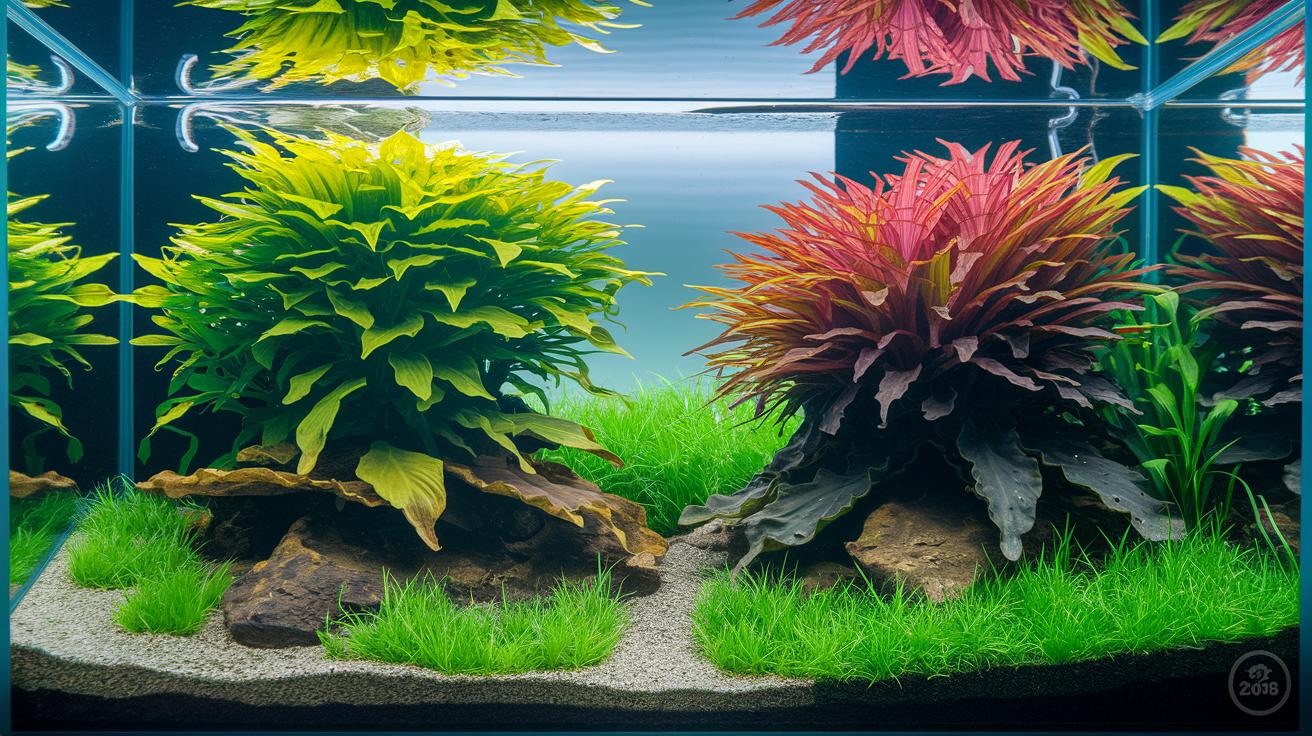
Lighting is like a gentle embrace for your underwater garden. When you set up your tank, think about how each plant has its own favorite light, a few love a bright, steady shine, while others do best with a softer glow. It’s a bit like creating a daily routine for your aquatic world, where the light sets the mood, much like tuning in to your favorite radio station.
Next, make it a habit to check your water each week. Simple tests for pH, hardness, and nitrate levels help ensure your tank is as welcoming as a cozy lagoon for both your plants and fish. These checks keep everything balanced so that your underwater haven flows smoothly and naturally.
Also, don’t forget to nourish your green friends. Adding liquid fertilizers and root tabs is like serving up a nutritious meal for those thirsty plants. Trim away any decaying leaves or stems, kind of like pruning a garden vine, to invite new, lively growth. And a little clean-up around the pots keeps algae under control and ensures the bottom of your tank stays well-oxygenated. With a regular routine of water tests, nutrient adjustments, and cleaning, your aquarium will thrive, much like a well-tuned engine making every ripple shine.
Troubleshooting Common Issues with Potted Aquarium Plants
When you see your aquarium plants with yellowing leaves, it's a friendly hint that they might be missing key nutrients like nitrogen or iron, think of these as the vitamins for your green friends. The gentle fade in color is like a soft murmur saying, "I need a little extra care!"
Sometimes, you might notice the plants looking pale or stretched out. That usually points to a lighting issue. Too much light, or even not enough, can upset the balance, much like how a sudden splash of cold water can startle a fish. This imbalance can lead to algae blooms, which turn your clear water into a less welcoming home for your aquatic companions.
If your tank’s water seems a bit off, a few simple changes can help calm the waters. Try doing a partial water change and give the water a little test for pH and hardness, pH being the measure of how acidic or basic the water is. These easy steps help keep the water conditions just right for plant growth.
Should you spot soft or decaying roots, it’s a clear sign to trim away the damaged parts and boost the air flow in the substrate (the bottom layer of your tank). Tidying up these parts and fine-tuning your nutrient and light levels will help your potted plants bounce back and shine once more.
Propagation and Expansion of Your Potted Aquarium Flora
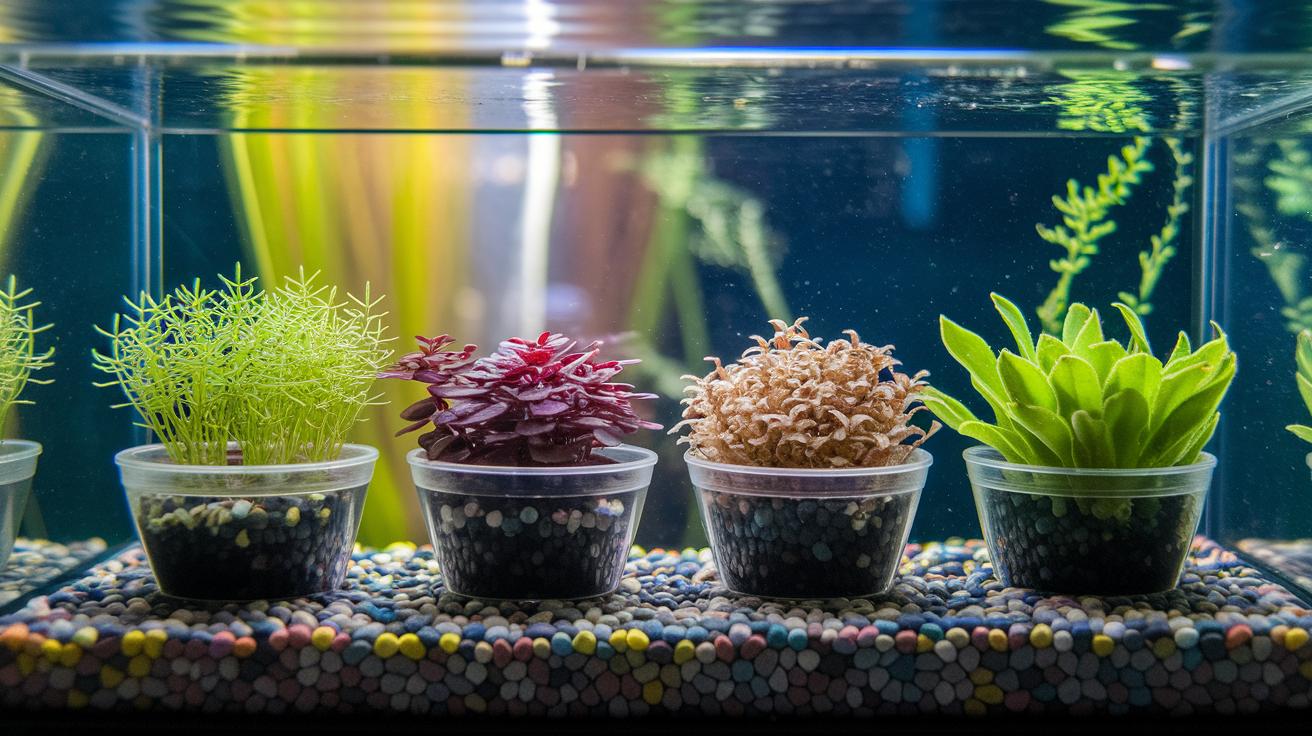
Expanding your underwater garden can be fun and simple. You can start by using basic methods to help your plants multiply. For example, take a part of the rhizome from Anubias, Java Fern, or Bolbitis and let nature do its work. When dealing with stem plants such as Bacopa, Pearl Weed, or Pogostemon, trim a 2–3-inch piece and place it in your tank so it can settle and grow roots.
Advanced techniques tested in November 2024 confirm that these easy steps can quickly spread your aquatic greenery. Here’s something cool: cut a small piece of Java Fern’s rhizome and in just a few weeks, you might see brand new fronds emerging like a burst of life in your tank.
You can also take runners from Vallisneria or Dwarf Sagittaria to grow fresh plantlets. Snip off small bits from Java or Christmas Moss to create new mats of green that spread slowly and steadily. For added variety, try using offsets from banana plants or lily bulbs, these will push out new shoots in just one to three weeks.
Finally, clip a tiny piece of Christmas Moss and carefully attach it to a rock. Before you know it, a gentle carpet of green will start to cover your aquarium, making it feel even more like a natural underwater haven.
Aquascaping and Design Ideas with Potted Aquarium Plants
Mixing pots of different sizes and shapes can add a real sense of depth to your underwater world. You might try ceramic pots, sparkling glass planters, or even craft a DIY mesh container to give your tank that unique touch. Imagine a tiny glass planter catching the light, turning your aquatic garden into a hidden treasure. Secure these planters with driftwood or stones so they stay in place as water gently flows by.
Grouping plants by height and leaf texture creates a natural balance, much like neatly arranging books so each title stands out while still being part of the whole. This creative layout not only makes your tank look inviting but also lets each plant shine in its own way.
Try floating small planters on the surface to bring about a light and airy feel that still lets sunshine reach the deeper plants. This clever design twist adds a lively sparkle along the waterline. You can even save money by repurposing old containers lined with mesh or gravel, which bring both charm and smart practicality to your aquarium.
Experimenting with these ideas turns your tank into a warm and thoughtfully styled space, a perfect stage for a vibrant, containerized aquatic garden.
Final Words
In the action, this article has shown how containerized aquarium greenery brings beauty and benefits to your underwater home. You’ve seen clear tips on selecting the perfect species, planting them carefully, and keeping routines that help them thrive. We also touched on troubleshooting issues and easy ways to expand your setup. When you work with potted aquarium plants, a balanced and appealing environment awaits. Enjoy every step of crafting a vibrant, healthy space for your aquatic life.
FAQ
What distinguishes potted aquarium plants from bare root plants?
The difference between potted aquarium plants and bare root plants is that potted ones come in their own container, making setup easier, while bare root plants need extra attention to anchor their roots in the tank.
What potted aquarium plants are recommended for beginners?
The potted aquarium plants for beginners offer an easy start. They come already contained, making it simple to add live greenery that improves water quality and provides natural hiding spots for fish.
How do large potted aquarium plants differ from small ones?
The difference between large and small potted aquarium plants is in space and design impact. Large plants create bold focal points, while small ones allow for more intricate layouts around your aquatic world.
Where can I buy potted aquarium plants?
The potted aquarium plants for sale can be found at aquatic stores and online retailers, offering ready-to-use greenery that instantly boosts your tank’s natural look.
Can I leave aquarium plants in their pots while in the fish tank?
You can keep aquarium plants in their pots, simplifying care; however, the pots may need periodic cleaning to ensure optimal water flow.
How do live aquarium plants benefit beginners?
Live aquarium plants not only beautify your tank but also improve water quality. They provide natural cover and require straightforward care, making them a friendly choice for newcomers.
How can I create my own DIY aquarium plant pots?
Creating DIY aquarium plant pots means you can repurpose small containers and mesh liners to suit your style. This approach is a fun and personal way to design your own underwater garden.
Do potted aquarium plants need substrate?
Potted aquarium plants generally benefit from substrate, which helps anchor their roots and deliver nutrients, even though some plants may attach directly to surfaces.
Can aquarium plants be kept in a bucket?
While it is feasible to keep aquarium plants in a bucket temporarily—such as during propagation—a bucket does not offer the stable conditions required for long-term growth.