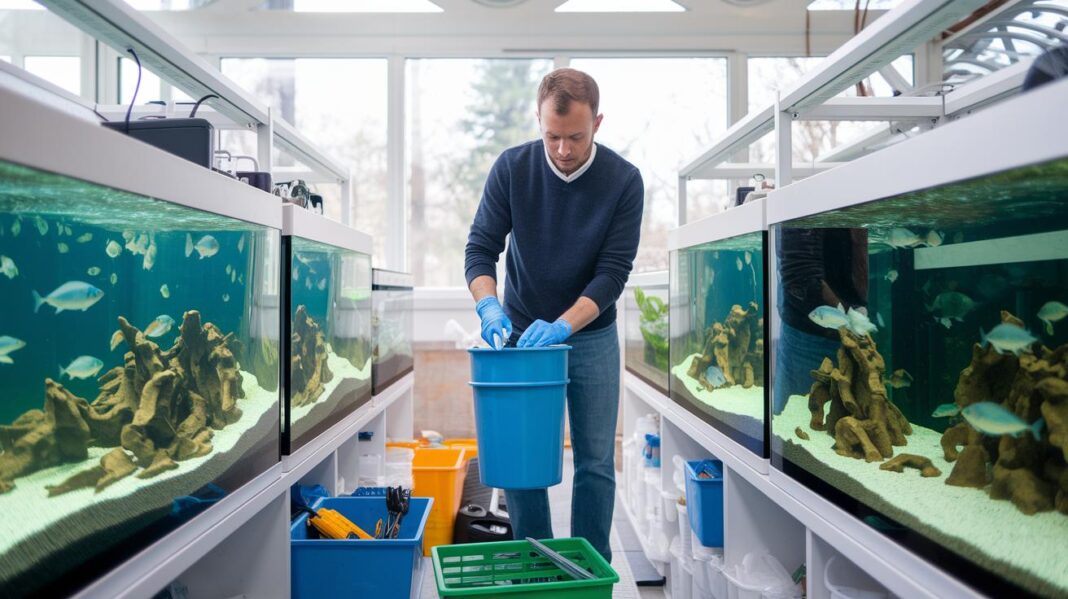

Ever wonder why some aquariums seem just right while others feel off? It might be because a little care makes a big difference. Think of it as giving your favorite toy a quick tune-up every now and then.
Check your filter, heater, and lights each month to nip problems in the bud. This simple routine creates a cozy haven for your fish, like a gentle current that keeps everything flowing smoothly.
Curious to see how a few easy checks today can keep your tank sparkling and your fish thrilled?
Key Practices to Extend Aquarium Equipment Longevity
Keeping your aquarium happy and healthy means giving it a little monthly TLC. When you stick to a regular schedule, you create a safe and cozy spot for your fish and plants. This way, you can avoid issues like clogged filters that slow down water flow or heaters that cause sudden temperature changes.
Start with your filter. Gently take out the filter media, brush off any gunk, and rinse it using water from your tank to keep those helpful bacteria intact. It's a bit like cleaning a coffee filter to enjoy a smooth cup of brew. Notice the water flow too, if it seems slower than usual, it might mean debris is building up and needs a quick fix.
Then check the heater. Carefully examine the heater tube for any signs of scale or rust. It’s a good idea to test the thermostat so your tank stays at just the right temperature, like making sure your car’s gauge is spot on before a long drive. A little extra care here can prevent bigger problems down the road.
Don’t forget about the lights. Wipe off any mineral deposits from the light covers and change any bulbs that have burned out. Imagine swapping a dim bulb in your favorite lamp so you can see every bright color in your tank. This simple step keeps your plants growing well and your aquarium shining like a small underwater paradise.
Here are a few friendly reminders for your monthly routine:
| Step | What to Do |
|---|---|
| Filter | Clean the media and check the water flow |
| Heater | Inspect the tube and verify the thermostat |
| Lighting | Wipe the covers and replace faulty bulbs |
By keeping up with these simple tasks, you'll catch little issues before they become big headaches. Plus, you’re giving your underwater friends a home they can really thrive in, turning maintenance into a fun and rewarding ritual. Enjoy the little moments of care, every effort counts in creating a balanced and vibrant aquatic world.
Aquarium Filter Equipment Maintenance for Reliable Performance

Keep your aquarium filter in tip-top shape by making it a monthly habit. Your filter is like the beating heart of your underwater world. Start by taking it apart so you can clean every little piece, just as you’d gently wash the smooth stones along a riverbed. Fun fact: cleaning your filter is much like changing your car’s air filter, it stops clogs in their tracks and keeps the water flowing nicely. When you rinse the filter media, use water straight from your tank to look after the friendly bacteria that keep your water balanced.
As you clean, take a close look at every part. Check the O-rings, the filter housing, and the intake tubes for any signs of wear, leaks, or buildup. Catching these small issues early on is like spotting a ripple before it turns into a wave, ensuring your filter stays reliable.
If you find any media packed with debris, swap it out right away to keep the flow smooth. Make sure you use quality cleaning tools like filter brushes and sponges, along with fresh filter media, so no harsh chemicals disturb your aquatic haven.
| Task | Procedure |
|---|---|
| Disassemble and Clean | Take apart the filter and rinse the media with tank water to protect helpful bacteria |
| Component Inspection | Examine the O-rings, housing, and intake tubes for any signs of wear, leaks, or buildup |
| Media Replacement | Replace clogged filter media to ensure water flows smoothly |
| Flow Check | Monitor the water output to make sure it stays consistent |
Pump and Heater Maintenance Tips for Prolonged Aquarium Equipment Performance
Taking a little time to care for your pump and heater can keep your aquarium water sparkling and its temperature just right. Every few months, take a break from your busy day to open up your pump and gently clean out the little blades and chambers where algae or sediment might hide. It’s a bit like cleaning your bike chain, removing tiny gunk bits now can save you from bigger headaches later. And if you notice any unusual wear on these small parts, you can catch problems before they disturb the lovely flow of water.
Next, check the heater tube for any scale buildup. These deposits may slow down the heat transfer, impacting the water temperature in your tank. Just like checking the settings on your oven to make sure it's just right, test your heater’s thermostat so your finned friends stay cozy. Keeping the thermostat calibrated means your heater will work accurately and prevent sudden temperature changes.
Don’t forget about the pump’s bearings. A gentle drop of oil goes a long way in keeping them smooth and rust-free, much like giving a good polish to your favorite gear. A bit of lubrication now can help save you from expensive repairs later while keeping your pump running happily.
| What to Do | Why It Helps |
|---|---|
| Clean pump impellers and chambers every few months | Keeps the water flowing smoothly |
| Inspect impellers for wear | Prevents disruptions in water flow |
| Check heater tubes for scale buildup and test the thermostat | Maintains accurate temperature |
| Lubricate pump bearings | Prevents corrosion and friction |
By taking these simple steps, you’re ensuring your aquarium stays as welcoming as a sunlit pond on a calm day. Ever notice how a little maintenance makes your tank feel more like a natural, living piece of art? Enjoy the process, it’s a small investment in a beautiful, vibrant underwater world.
Aquarium Lighting and Electrical Equipment Maintenance Strategies
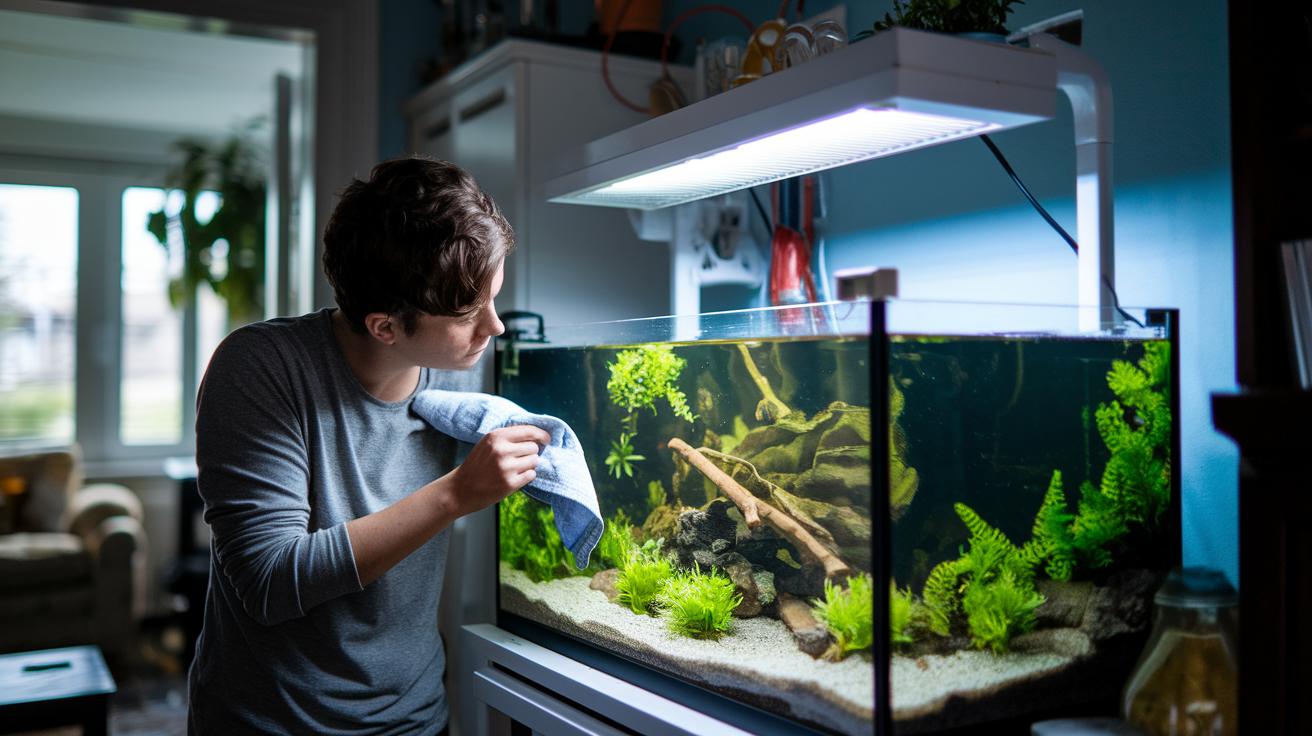
Every month, take a few moments to check over your tank’s lights. Think of it like noticing when your favorite lamp starts to lose its glow. Look at each light bulb or LED fixture for any signs of dimming or burnout, small changes, like a spark fading, might be telling you it’s time for a new one.
Next, gently clean the fixture covers. Wipe away any salt deposits or mineral buildup, much like cleaning a window to let the morning sunshine in. Keeping everything sparkling not only makes your setup look neat but also helps keep your water quality in check by stopping unwanted residues from causing mischief.
- Give your power cords and waterproof connectors a once-over for any damage or corrosion.
- Test your timer and ballast functions to make sure your light cycles stay predictable and steady.
These simple checks help your electrical components work just right and prevent any risky short circuits. When your tank’s lights cast a consistent, inviting glow, it feels just like a well-tuned spotlight on your own little underwater world. Enjoy the process, and your aquarium will thank you with a vivid, lively display!
Inspection, Cleaning Schedules, and Troubleshooting for Aquarium Equipment Durability
Start by checking your aquarium's water flow and temperature once a week. Think of it like feeling a soft ripple on smooth stones, a gentle reminder that it might be time to clean your filter before any problems sneak up.
Keep a simple log where you jot down the dates you clean your tank, any parts you swap out, and little changes you notice, such as a temperature shift of more than 2°F or a light that starts to flicker. This diary of your tank's health is a handy way to catch small signs before they turn into bigger issues.
It also helps to have a clear flowchart for troubleshooting. Check each piece of your equipment one at a time. If your filter isn't flowing as well as usual, it might be clogged with debris. If your pump seems slower, it could be a sign the impellers are wearing out. And if your heater isn’t keeping a steady temperature, there might be scale buildup or a thermostat problem.
Stick to a regular care routine: clean your filter every month, service your pump every three months, and check your light fixtures every two months. This kind of schedule stops minor issues from turning into major headaches. I once noticed a small drop in my filter’s flow, checked my log, and saw it was time for a cleaning, it saved me from a real mess later on!
| Task | Frequency |
|---|---|
| Filter Cleaning | Monthly |
| Pump Service | Quarterly |
| Light Fixture Check | Bi-monthly |
Using your maintenance log and regular checks, you can spot and fix issues quickly, keeping your aquarium healthy and thriving.
Final Words
In the action, taking simple steps, from checking filters and pumps to inspecting lighting, brings a sense of ease and peace to your tank. Routine cleaning and timely inspections help maintain a fresh, balanced aquatic environment that benefits both fish and plants.
Every task, whether a quick filter scrub or a detailed pump check, contributes to a resilient tank setup. Keep these aquarium equipment maintenance tips for longevity in mind, and enjoy a vibrant underwater haven that continues to impress every day.
FAQ
Frequently Asked Questions
How should I maintain freshwater aquarium equipment for longevity?
The freshwater aquarium maintenance guidelines suggest following a monthly checklist to inspect filters, heaters, and lighting while removing debris. This routine supports steady water quality and extends your tank’s life.
How do I get started with aquarium care if I’m a beginner or want to maintain my fish tank at home?
Aquarium care for beginners involves basic steps like regular water tests, gentle cleaning, and routine checks on filters and heaters. Such simple care builds a stable and healthy environment for your fish.
What should my fish tank maintenance checklist and schedule include?
A good checklist starts with weekly water checks, monthly filter cleanings, and quarterly pump inspections. This steady schedule helps maintain clear water and smooth-running equipment while keeping fish comfortable.
How can I keep a fish tank clean without frequently changing water?
Keeping your fish tank clean without constant water changes involves proper filtration, substrate vacuuming, and routine debris removal. This method maintains water clarity while reducing the stress of regular full water replacements.
What is the golden rule for tank maintenance?
The golden rule is to check and clean your key equipment—filters, heaters, and lights—on a regular basis. Consistent care keeps water quality up and prevents small issues from growing into major repairs.
What is the average lifespan of an aquarium and its equipment?
An aquarium’s lifespan depends on regular upkeep and timely repairs. With routine cleaning and careful maintenance, tanks and their equipment can serve you well for many years, offering enduring beauty.
Can I leave my aquarium light on 24/7?
Leaving aquarium lights on all day may upset fish and disrupt plant cycles. It’s best to use a timer that simulates natural day and night cycles, keeping your underwater world calm and balanced.
What do professional aquarium maintenance services include, and what is the typical cost?
Professional services typically mean thorough equipment cleaning, expert water testing, and detailed inspections. Costs vary by service level, but these plans help catch issues early and keep your tank in top shape.