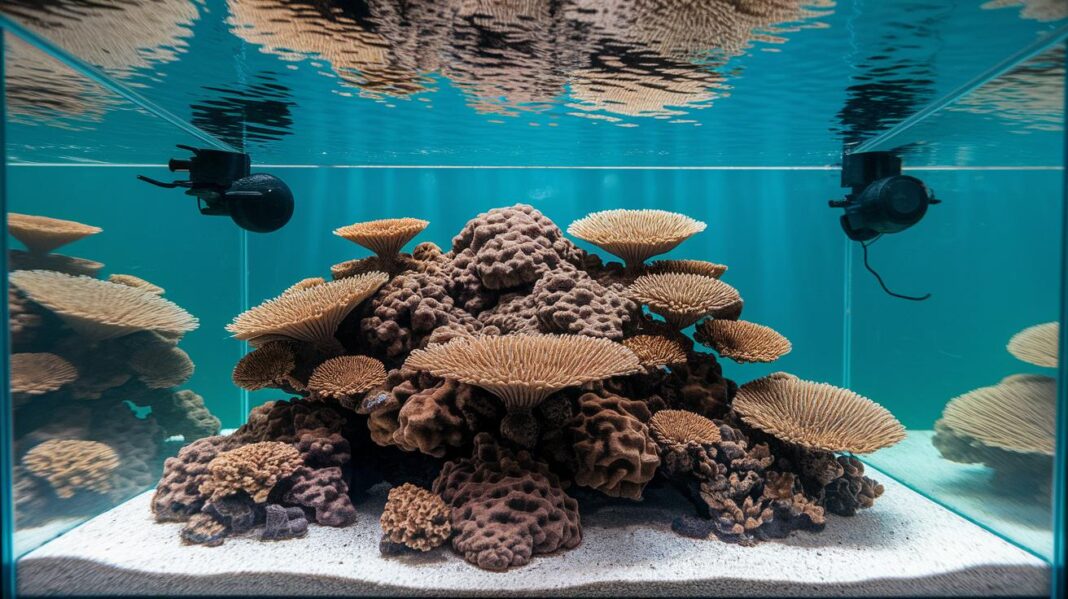

Ever wonder if a little change could make your reef tank feel more like home? Regular water changes are more than just a routine, they’re like giving your tank a cool, refreshing sip that keeps it sparkling. When you swap out about 10 to 20% of the water, it washes away the yucky stuff and lets your fish and coral relax in clean water. Today I’m sharing some simple steps for these water changes and chatting about why steady upkeep is the secret to a happy underwater world.
Reef Tank Water Change Fundamentals: Timing, Methods & Benefits
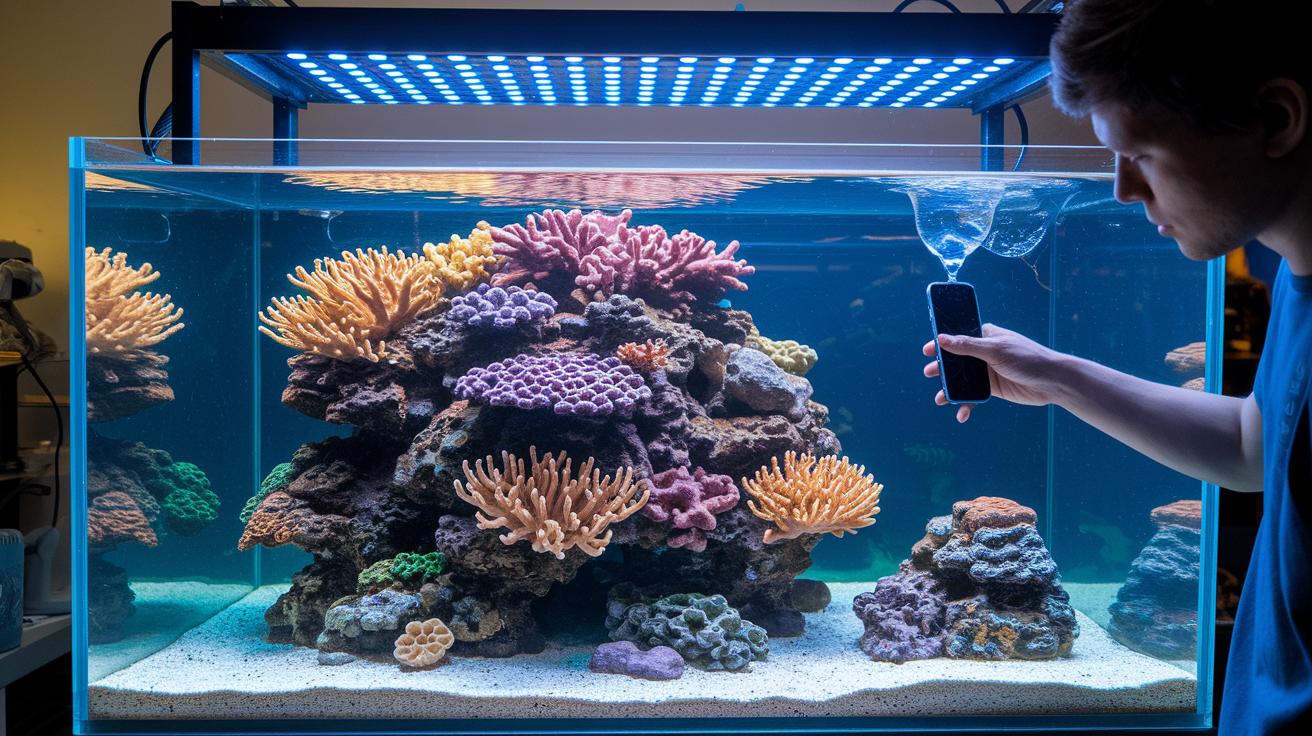
Regular water changes in your reef tank might seem simple, but they work like a gentle wave protecting your home underwater. Swapping out 10% to 20% of the water every 7 to 14 days is like giving your tank a refreshing drink. It helps lower toxins and supports the hidden well-being of your curious fish and colorful corals, much like a marathon runner who needs regular sips to keep going strong.
This routine refresh not only keeps the water's chemicals in balance but also flushes out extra nutrients that tests might miss. When your tank is filled with clean water, you'll notice your corals glowing and your fish swimming more energetically. It's a smooth way to ease any minor imbalances that build up over time.
One friendly tip is to plan each change carefully. Start by checking your water's details, salinity, temperature, and pH, and adjust them to match the conditions your tank loves best. Think of it like checking the water temperature before a relaxing bath, ensuring every creature feels cozy and secure.
Best of all, these water changes are a budget-friendly way to care for your marine life. They do more than just clear the water, they nurture a balanced ecosystem that keeps every splash of life in your tank happy and healthy.
Mixing and Preparing New Saltwater for Your Reef Tank
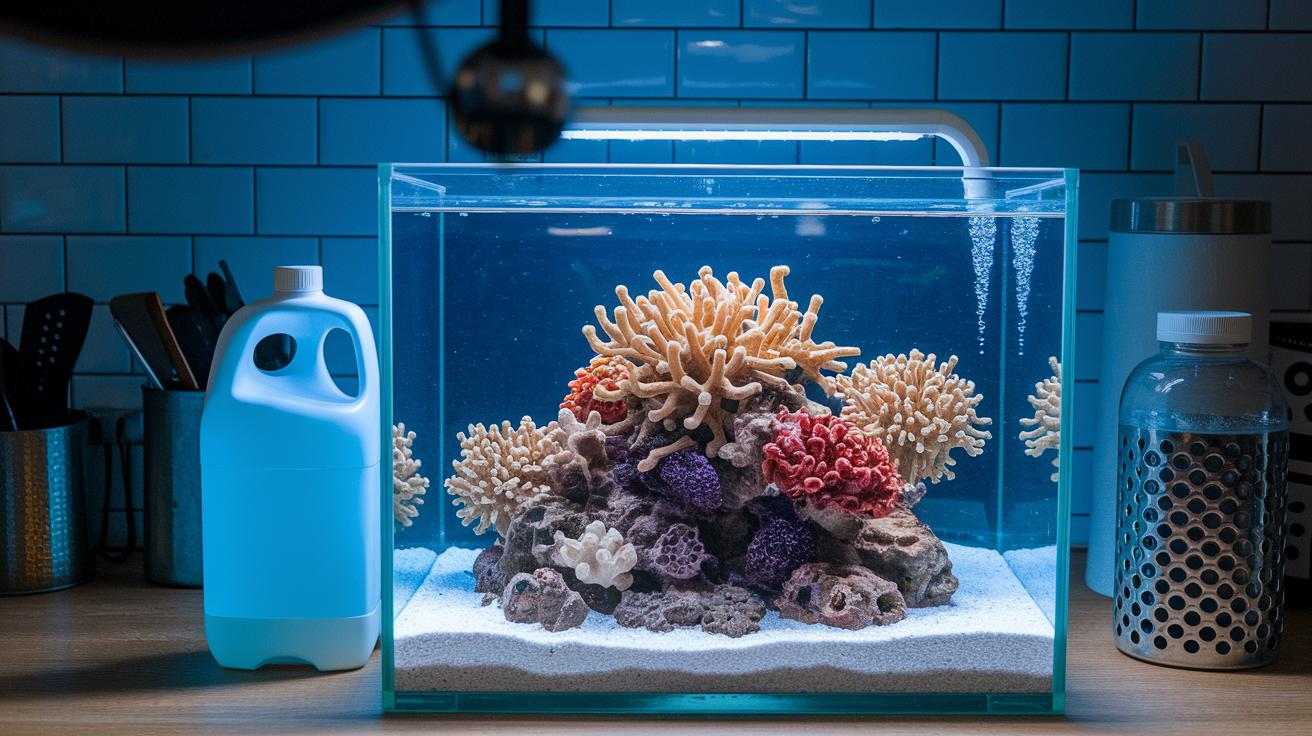
When it's time to refresh your tank, plan ahead by mixing your new saltwater 12 to 24 hours early. This extra waiting period gives the salt time to dissolve completely and helps the water get in tune with nature's flow. Instead of tap water, use bottled deionized water to keep harmful chemicals like chlorine and other impurities away from your precious aquatic friends.
Make sure the new water matches your existing setup when it comes to salinity, temperature, and pH. This careful matching helps prevent any stress or shock for your marine life. A trusty aquarium salt mix calculator is like following a well-loved recipe, it tells you exactly how much salt to use based on your tank size.
Follow these simple steps to prepare your seawater:
- Measure out the exact amount of bottled deionized water.
- Add the right amount of salt mix as per your calculator’s advice.
- Stir the mixture well and set it aside in a clean container for 12 to 24 hours.
- Keep an eye on the temperature and salinity to ensure they mirror your tank’s conditions.
By taking these careful steps, you create a safe and stable environment that your reef will appreciate every time you change the water.
Determining Reef Tank Water Change Frequency and Schedules
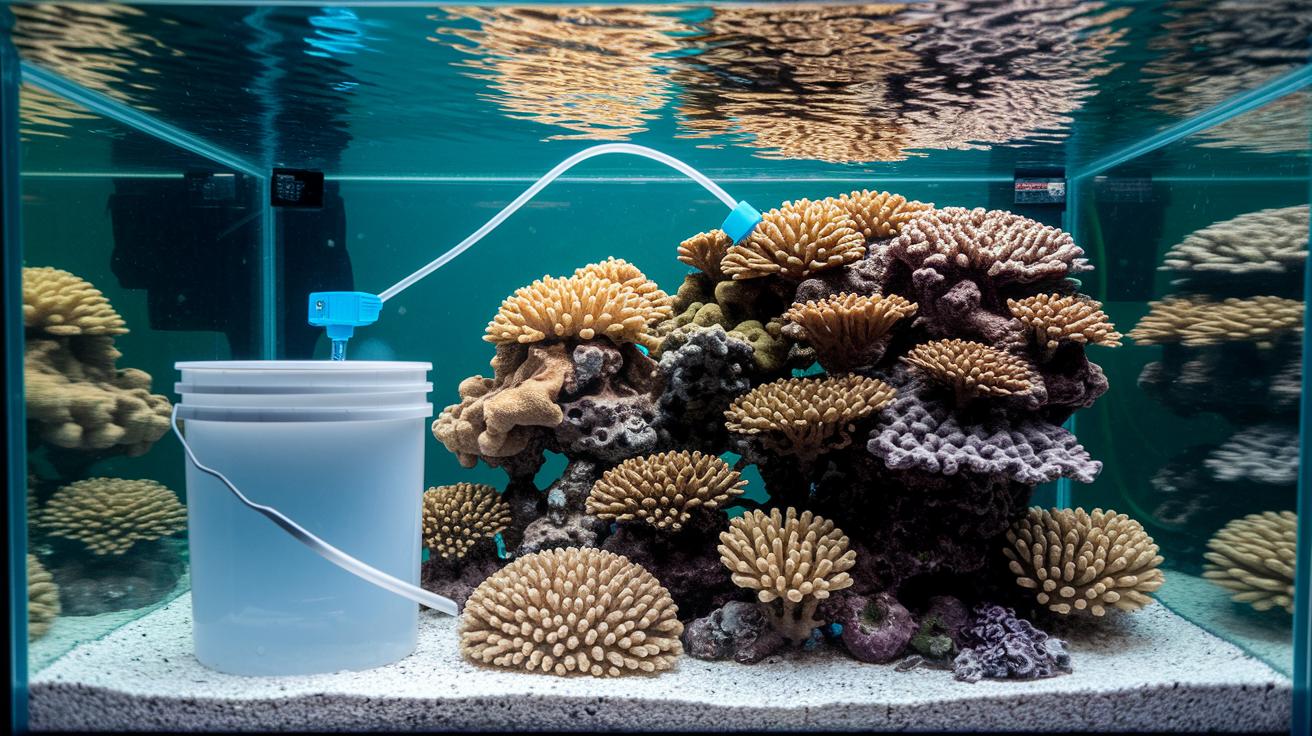
Most aquarists start by swapping out about 10% to 20% of their reef tank water every week or two. If your tank is teeming with life and activity, a weekly 20% change might keep unwanted algae and excess nutrients in check. I once adjusted my own schedule after noticing the water get a bit cloudy and algae starting to grow, it really helped my tank settle down.
For tanks that need extra care, daily, small water changes can work wonders. These gentle tweaks help keep the pH, salinity, and temperature steady, especially when sensitive corals are involved. Checking your water parameters after each change is a smart way to catch any small shifts early on.
| Tank Type | Water Change Approach |
|---|---|
| Standard Bioload | 10%-20% every 7-14 days |
| Heavy Bioload | 20% every 7 days, with gradual adjustments if needed |
| Sensitive Corals | Daily low-volume exchanges to maintain stability |
- These suggestions let you tweak your routine to suit your tank's unique needs.
- Regularly testing your water helps you decide the best plan for your setup.
By watching your tank closely and fine-tuning your water changes, you can enjoy a bright, healthy reef that feels just as calm and lively as a gentle tide on a quiet shore.
Manual vs Automated Reef Tank Water Change Techniques
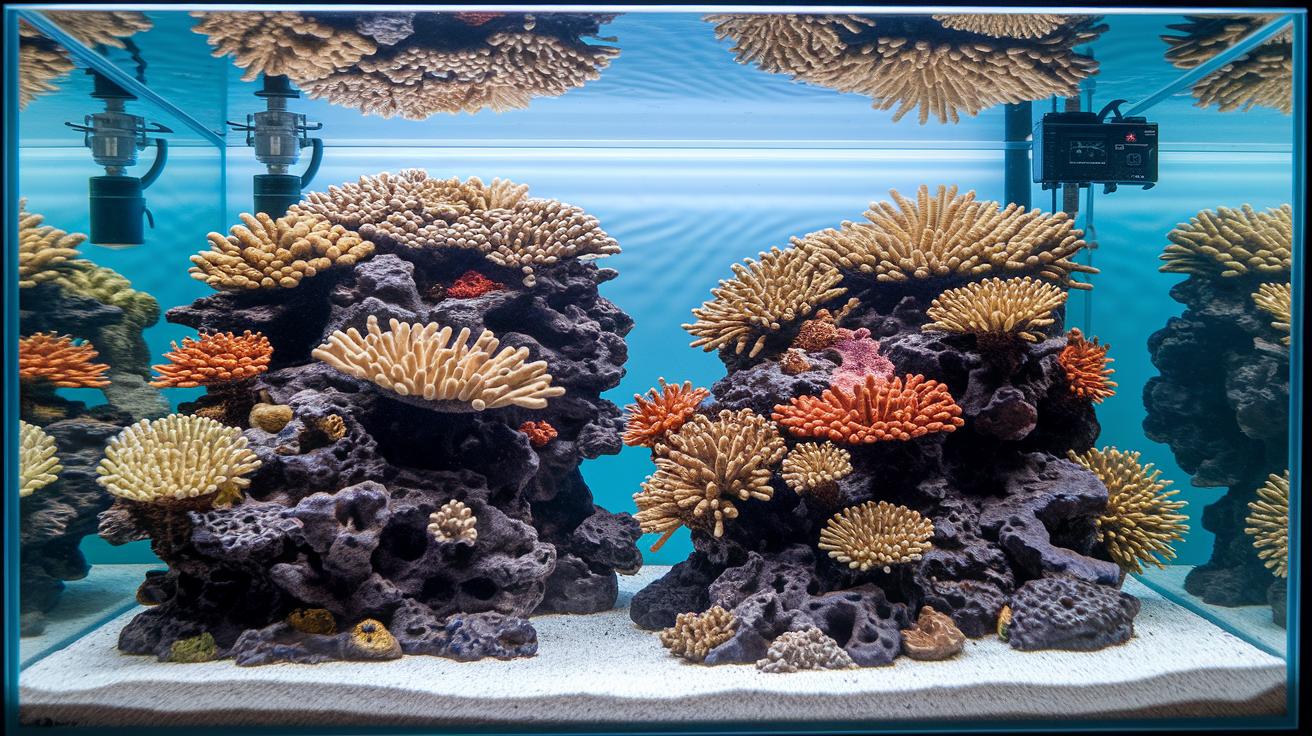
When you do manual reef tank water changes, you're really getting hands-on and paying attention to every little detail. It's like cleaning your room and making sure you dust every corner. With siphon hoses and buckets, you're in full control of what goes in and out of your tank.
But if you'd rather let technology take over, automated systems might be your cup of tea. These setups use dosing pumps and programmable sumps that sort of work like a timer for your garden sprinkler, set it up and then let it run on its own. It's all about precision and convenience, especially when you want to skip the repetitive tasks.
There's also a neat middle-ground option: a DIY marine water change system. By mixing motorized pumps with timers, you can perform gentle swaps on a daily or weekly schedule. This way, you get the hands-on control of manual work along with the ease of automation, keeping your marine life relaxed with small, regular adjustments.
| Method | Key Points |
|---|---|
| Manual | Complete control, more effort |
| Automated/DIY | Less labor, consistent maintenance |
At the end of the day, it's all about finding the right balance between effort and ease. Consider what works best for you and your aquatic pals, and then enjoy watching your reef tank thrive, like a sparkling underwater oasis on a calm day.
Essential Equipment and Setup for Reef Water Changes
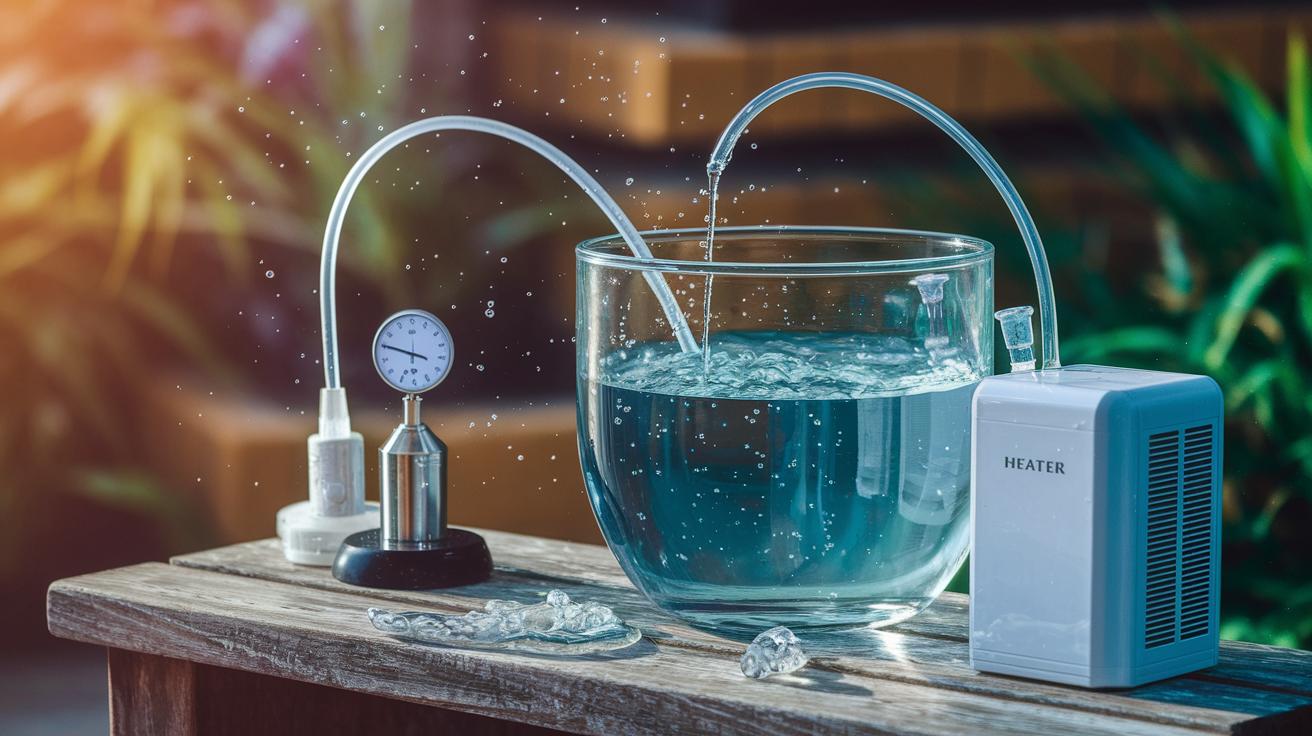
When you have the right tools, changing your reef water becomes a gentle and safe process for all your aquatic friends. Begin with a trusted mixing container to prepare your new saltwater, and add a heater or chiller to keep the temperature just right. A solid circulation pump spreads the salt mix evenly, making sure it dissolves well and stays stable. You'll also need a good hydrometer or refractometer (a tool that checks how salty the water is) and food-grade tubing to make sure every transfer stays clean.
For those with a more advanced setup, sump connections and quick-disconnect plumbing can make everything easier. These useful touches help you avoid messy and time-consuming steps. In larger tanks, you’ll find many sump options available. With more than 30 different configurations, you can select one that fits your tank’s size and space perfectly.
If you’re after a more affordable option, low-cost reef exchange systems still deliver great results. For extra tips on picking the right equipment for your setup, check out Best practices for marine water replacement (https://sweetfysh.com?p=3100).
Troubleshooting Common Reef Tank Water Change Challenges
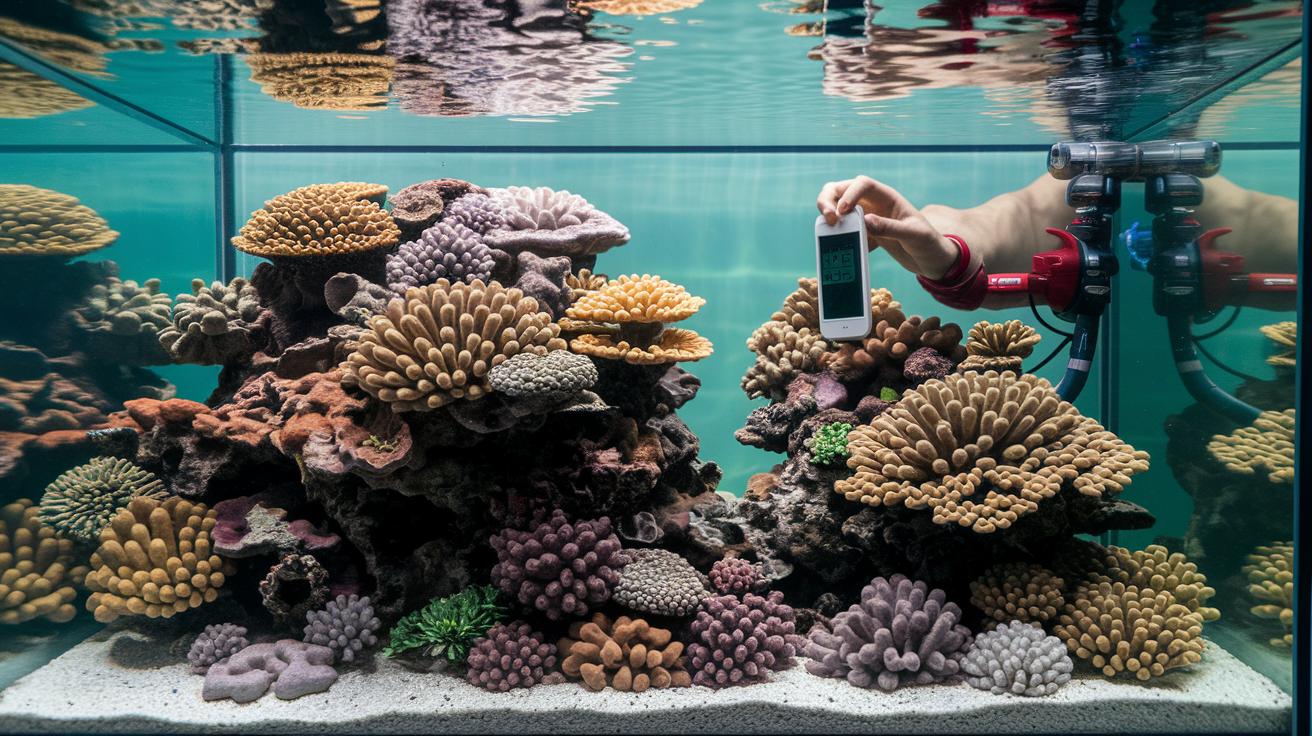
When you switch the water in your reef tank, even small mistakes can stress your aquatic buddies. A common mix-up is using new saltwater that isn’t the same temperature or saltiness as your tank. Imagine if the new water is just a bit cooler, your fish could feel a sudden chill, much like diving into an unexpected cold current. Checking the temperature and salt level before adding the new water helps keep your friends comfortable.
Also, make sure to look over your tubing and hoses for leaks or clogs. Sometimes, a blocked hose or a worn pump might work too hard, slowing down your water change. A quick look before every change can catch these issues early and save you some trouble later.
Sometimes you might also spot a drop in important minerals like alkalinity and calcium after a water change. These minerals are essential for coral health, kind of like the vitamins for your coral. Restoring these minerals gradually can keep your coral bright and thriving.
- Use digital tools to check water temperature and salt levels.
- Inspect hoses and pumps for signs of clogs or wear.
- Monitor water parameters after each change to adjust mineral balance.
By keeping an eye on these common slip-ups, you can help your reef tank stay steady and your marine life feel right at home with every water change.
Monitoring Water Parameters Before and After Reef Tank Water Changes
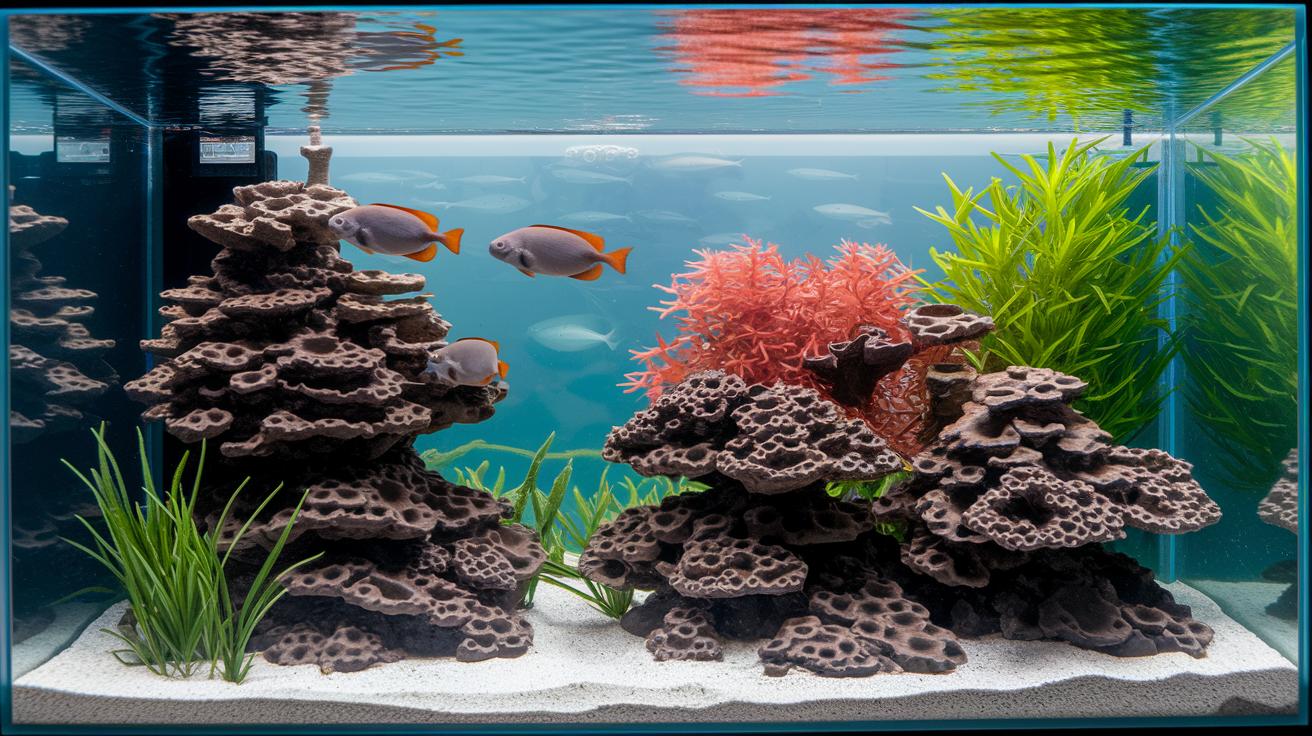
Keeping a close watch on your water is like giving your tank a gentle checkup. Before you change the water, and again afterward, take a moment to look at the temperature, salt levels, pH, alkalinity, calcium, and magnesium. These quick tests are like a health check for your marine friends, helping you spot any changes that need your attention.
Using digital refractometers and probes is a lot like checking your phone for the day’s weather. I always start by checking the temperature and salinity, just to be sure everything is in balance before the day gets busy. This simple habit helps prevent any sudden shifts that might unsettle your delicate corals or fish.
Regular water changes not only refresh your little ocean world but also help manage nutrients. By removing some water, you can lower the buildup of things like phosphate and nitrate while keeping vital trace elements steady. Recording your numbers each time builds a routine that keeps your water chemistry smooth and your aquatic pals thriving.
- Measure key parameters before and after each water change
- Log your readings with reliable tools
- Adjust the water chemistry based on what your tests tell you
For more tips on checking water quality, visit the article on fish tank water quality testing and maintenance at Sweetfysh.com?p=3285.
Final Words
in the action, we've seen how careful planning and simple steps let you create a vibrant home for your aquatic friends. We covered mixing new saltwater, setting up a solid schedule, and choosing between manual or automated methods. Quality tools and careful adjustments help keep challenges at bay and water parameters balanced. Small tweaks in routine create big splashes in overall tank health. Keep up reef tank water changes to enjoy a bright, lively underwater space.
FAQ
Q: What is the recommended water change percentage for a reef tank, and is 10% water change enough or should I use 25% sometimes?
A: The recommended water change for a reef tank is 10%–20% every 7–14 days. In some cases, a 25% change may be needed for tanks with heavier stocking or higher nutrient levels, while 10% often suffices for smaller setups.
Q: How can I reduce the frequency of water changes in my reef tank?
A: Reducing overall water change effort is possible by using automated systems or daily low-volume exchanges. These methods help keep water chemistry stable while minimizing larger, less frequent maintenance sessions.
Q: How do water changes differ for nano reef tanks?
A: Nano reef tanks often need smaller, more frequent water changes due to limited volume. A 10%–15% replacement on a weekly basis helps control toxins and maintain steady water quality in a compact setup.
Q: What does a reef tank daily water change involve, and is it necessary?
A: A reef tank daily water change means swapping a small volume each day to keep nutrients and toxins in check. While not always required, daily exchanges can benefit systems seeking ultra-stable conditions for sensitive coral and fish.
Q: What is the optimal water change frequency for a reef tank and how does this compare to a fish tank with a filter?
A: Reef tanks typically need a 10%–20% change every 7–14 days. In contrast, fish tanks with filters often do well with weekly top-offs or a 25% change based on their stocking and waste levels to maintain clear water.
Q: Are water changes necessary in a reef tank, especially for saltwater aquariums?
A: Regular water changes in saltwater aquariums help keep toxins low, support coral and fish health, and restore trace elements. They are a vital part of the maintenance routine that keeps your underwater world thriving.