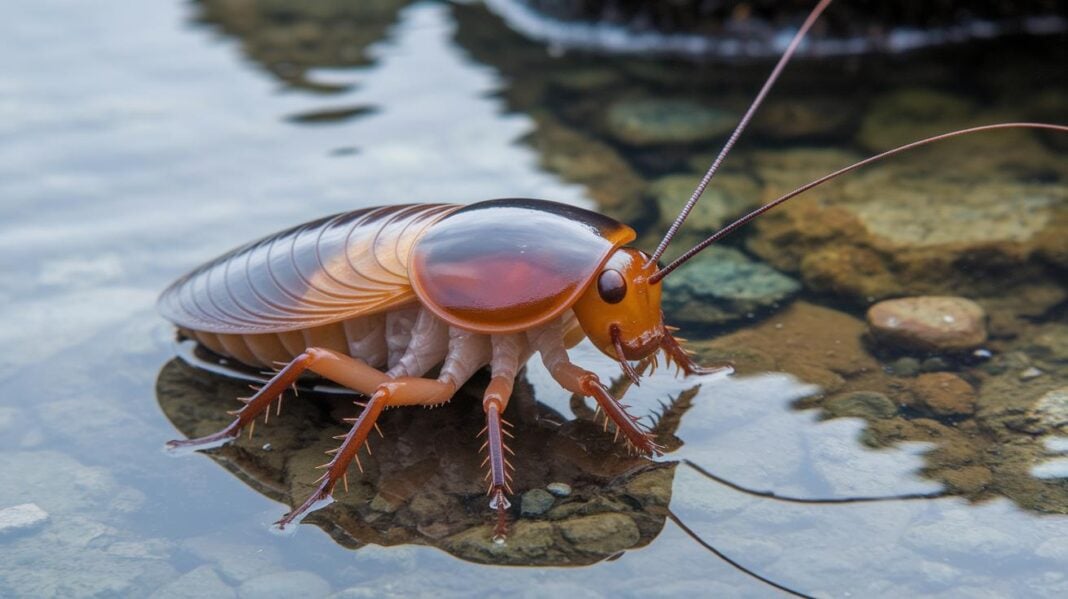

Ever wonder if the little creature nicknamed the sea’s cockroach might be hiding a special charm? Some folks even say that American lobsters remind them of land roaches because of their strong, plate-like shells and quick, many-legged moves. It’s kind of like watching a busy critter scuttle along the ocean floor, always on the go.
Out in the deep blue, these ocean wanderers do more than just catch our eye. They help keep the ocean floor clean by munching on leftovers, which in turn feeds bigger fish, and sometimes even people. Think of them as nature’s own little janitors, keeping everything tidy with each graceful step.
With their tough, armor-like covers and a real knack for survival, these creatures turn the sea into a hidden world of balance and beauty. Each gentle move they make sends ripples of natural charm through the water. Isn’t it amazing how even the smallest beings can bring such wonder to a vast world?
Defining the Sea’s Cockroach: Species, Nickname Origin, and Ecological Role
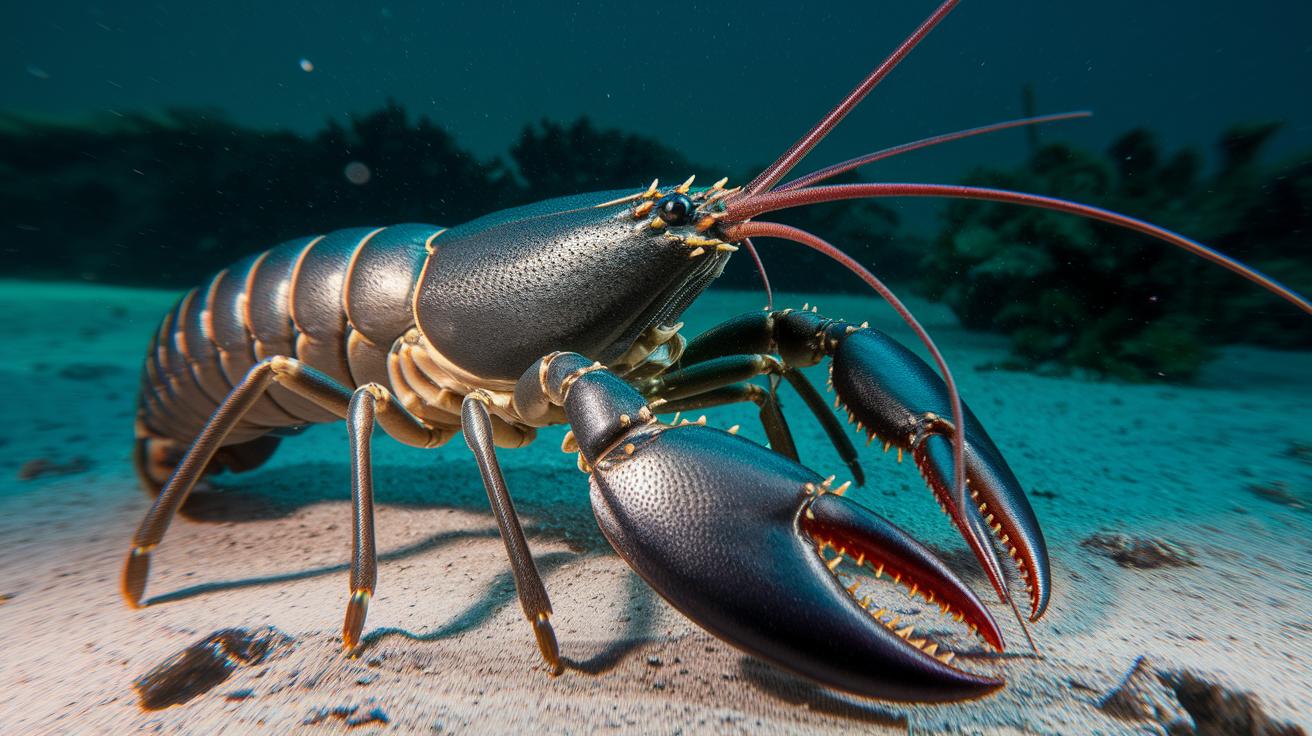
Back in December 2008, a story introduced us to these ocean wanderers with tough, plate-like shells, plenty of legs, and long antennae. One of these critters, the American Lobster (Homarus americanus), has a segmented shell that reminded folks of the cockroaches scurrying on land. Imagine a creature gliding along the sea floor with a sturdy, almost armor-like cover and multiple legs perfectly built for exploring, much like its urban counterpart. This resemblance is what inspired the playful nickname that links the land and the sea.
In the deep blue, these sea roaches are key players in the ocean’s food web. They hunt small mollusks and munch on detritus, while also serving as a meal for larger fish and even humans who enjoy lobster as a treat. Their scavenging helps clean up the ocean floor and recycle important nutrients, keeping our marine world balanced. In short, the sea’s cockroach mixes fascinating looks with a vital job in nature, showing off the adaptability and charm of ocean life in a way that captivates both fish enthusiasts and nature lovers alike.
Cockroach of the Sea Radiates Natural Charm
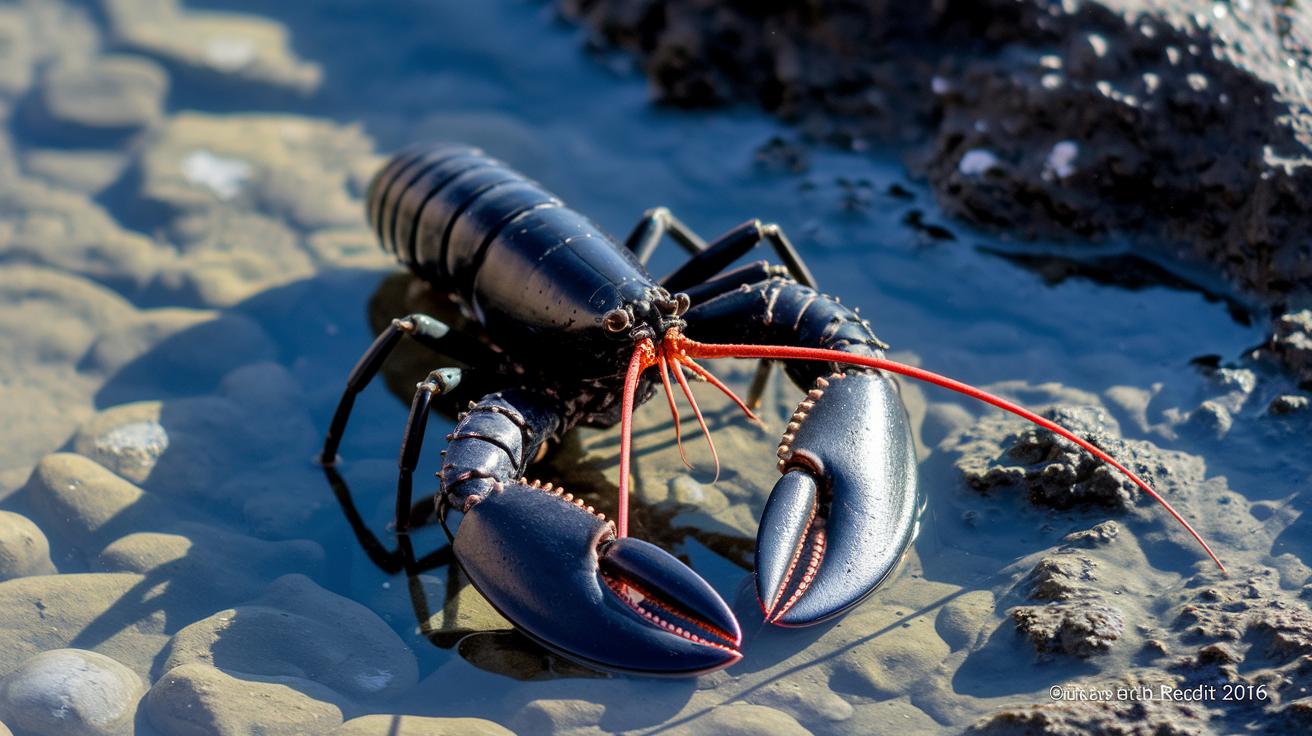
Imagine strolling along a rocky Atlantic shore and stumbling upon secret spots where American lobsters make their homes. These clever ocean dwellers nestle into crevices from Newfoundland to New Jersey, whether in shallow tide pools or in waters as deep as 480 meters. They find safe hiding places away from predators and snap up small bits of food, kind of like discovering a hidden garden in your own backyard. Picture a gentle tide pool where soft light plays over uneven rocks, creating a peaceful little retreat that feels almost magical.
But the nickname “sea roach” isn’t just for lobsters. Deep-sea isopods, with their own quiet life, also earn this name as they wander along continental slopes and within the dark, quiet plains of the deep ocean. These places, filled with scattered rocks and varied ground, offer just the right conditions for survival, even if they seem far removed from the lively coastal zones.
| Habitat | Description |
|---|---|
| Coastal Crevices | Rocky nooks in shallow subtidal zones where light dances over rough stone |
| Continental Slopes | Deep, dark underwater areas that offer a hideaway from the bustling coast |
| Abyssal Plains | Quiet, hidden pockets far below the surface where survival strategies shine |
Each of these unique homes plays a part in the lobster’s natural charm, showing us how nature weaves beauty and clever survival tactics into even its most secret corners. Isn’t it amazing how every ripple and crevice tells a story of life under the sea?
Sea Cockroach Anatomy: Exoskeleton, Legs, and Antennae
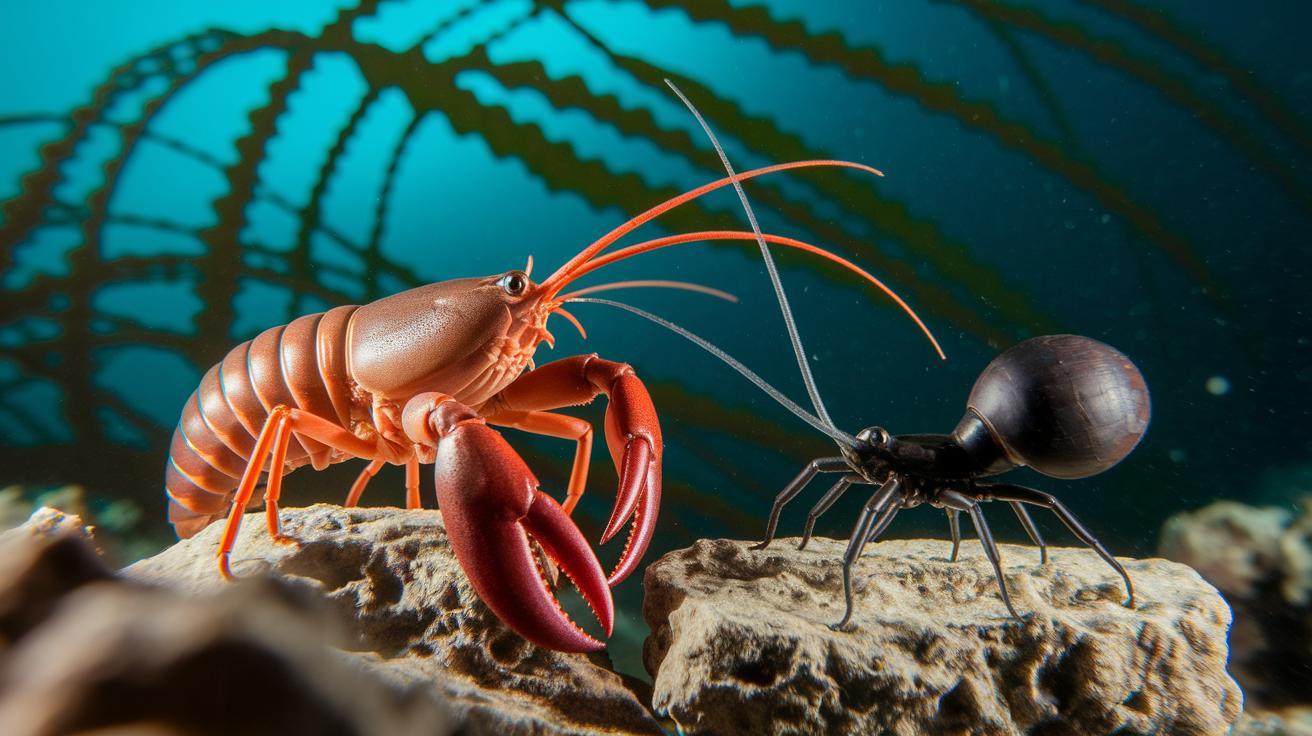
Marine roach anatomy is really interesting and full of little surprises. Both American lobsters and deep-sea isopods carry a hard, shell-like covering that is split into clear parts: the head, thorax, and abdomen. This sturdy outer shell not only keeps them safe but also gives them a robust, almost rock-like appearance, kind of like the familiar land roach you might see scuttling around.
Lobsters come with five sturdy pairs of walking legs, plus a special pair of big claws that help them grab and tear their meals. By contrast, marine isopods show off seven pairs of walking legs, called periopods, which let them glide smoothly over rocky surfaces. Imagine a lobster weaving through tide pool crevices, its legs moving together like a perfectly synchronized crew.
Both of these creatures boast two pairs of antennae that act like their own underwater sensors. Their slim antennae are always moving, picking up chemical hints from the water to find food or steer clear of danger. Ever notice how a lobster slowly sways near a hidden rock? Its delicate antennae are busy exploring, almost like a tiny radar scanning the underwater world.
This segmented shell, strong leg setup, and flexible antennae remind us a bit of a land roach. Their similar body design has earned them a playful nickname. Every single feature, from that shiny, armor-like shell to the agile, multi-part legs, adds to the natural charm of these ocean dwellers, inviting us to marvel at the wonders hidden beneath the waves.
Sea Cockroach Taxonomy: Crustacean Lineage and Evolution

Lobsters and marine isopods are part of a cool group called Crustacea. This big family split from the insect branch over 500 million years ago, creating two unique paths in the vast world of arthropods. Even though they look a bit like land roaches, that similarity is just skin deep.
In the ocean, lobsters are tagged as Decapoda, which means "ten-footed" because they have five pairs of legs. Isopods, on the other hand, belong to the order Isopoda with their seven similar pairs of legs. This shows they share an old common ancestor while nature has mixed things up over time.
That cockroach-like look comes from their tough, protective shells and many jointed legs. It doesn’t make them close relatives of the bugs we see indoors, it’s just nature's way of solving problems in different environments. Think of it like comparing a rugged mountain climber to someone walking a busy city street; each developed the tools they needed for their own unique world.
Taking a closer look at these links lets us admire the twists and turns of evolution under the sea. Isn’t it amazing how life adapts, just like the gentle flow of water over smooth rocks?
Sea Cockroach vs. Lobster: Culinary and Cultural Comparisons

Imagine sitting down to a meal where lobster takes center stage, celebrated for its soft, tender meat and delightful taste. Now, think about a creature called a sea roach, a type of marine isopod. The idea of eating a sea roach might send a shiver down your spine, even though both lobster and sea roaches share a hard outer shell. It's kind of like calling the same critter gourmet in one setting and unappealing in another.
Cultural views shape how we feel about food. Lobster has long been seen as a luxurious treat, enjoyed on special occasions by food lovers along the coast. On the flip side, marine isopods, often dubbed sea roaches, rarely show up on anyone's dinner table because their name brings along some not-so-nice thoughts.
- Lobster is celebrated as a gourmet delight.
- Sea roaches remain mostly unknown and are generally avoided in kitchens.
This tasty debate reminds us that sometimes a simple name can change everything about what we expect from our food. It's like watching the gentle ripples on water that shape our views, blending tradition with the power of perception.
Sea Cockroach Behavior: Diet, Predators, and Survival Strategies
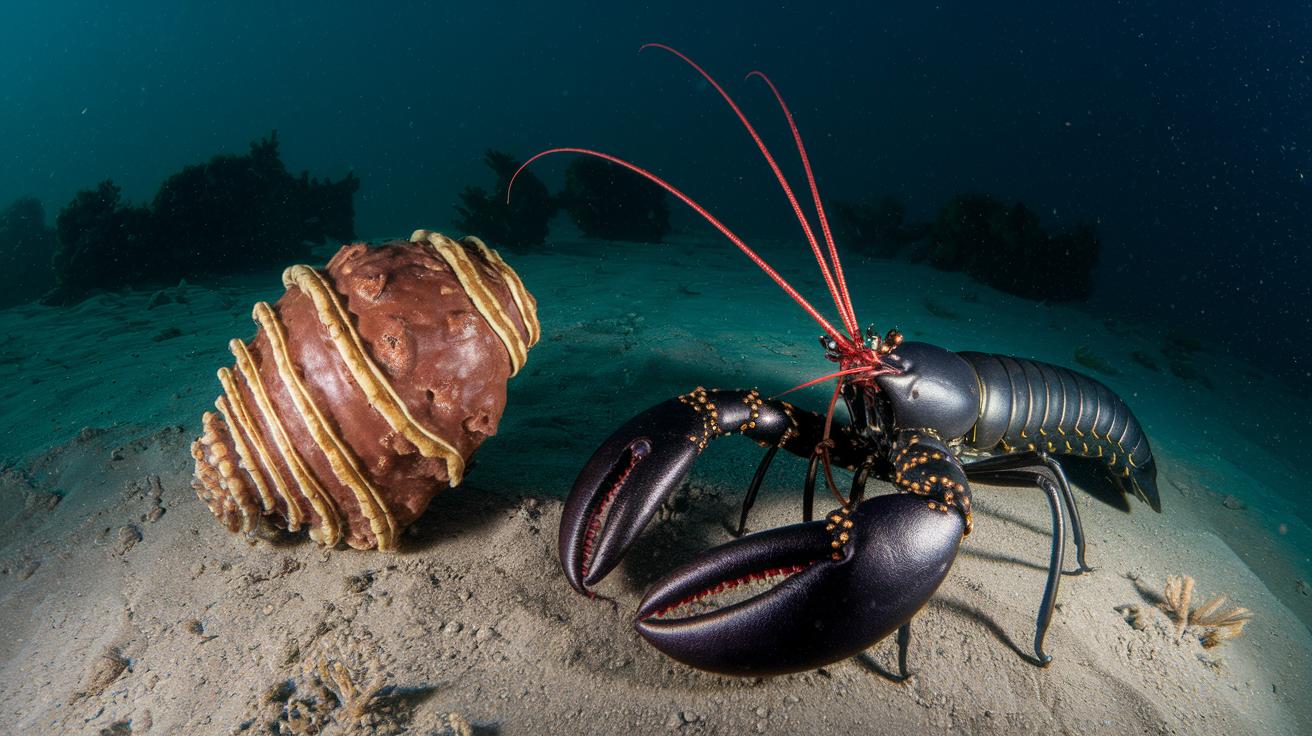
Down in the ocean’s depths, these amazing critters show off tricks that help them thrive. Lobsters, often called the sea’s cockroaches, work as true scavengers. They roam the ocean floor, gathering little bits of food from mollusks, old organic matter, and leftovers from other meals. It’s like they’re nature’s tidy-up crew, keeping the seabed neat and recycling nutrients, almost like a busy pantry where every scrap is put to good use.
Deep-sea isopods, another type of ocean roach, have a similar way of life. They nibble on tiny bits of detritus, the little pieces of dead matter that you might miss. Their slow, steady search for food is like being on a gentle treasure hunt, where every find is a treat and every moment helps them save energy in the dark, deep waters.
A bunch of fish patrols the ocean floor, keeping an eye on these wandering feeders. Even we humans sometimes take an interest, especially with lobsters prized for their taste and texture. This constant look-out by fish and people alike shows that these creatures have to be smart about dodging danger.
What’s truly striking about deep-water isopods is how long they live. With a slow metabolism, they can stick around for decades, hiding under rocks and in crevices. Imagine a creature so perfectly designed to vanish against a rocky backdrop that it seems like a secret tucked away in the blue expanse.
Sea Cockroach Research and Conservation Efforts
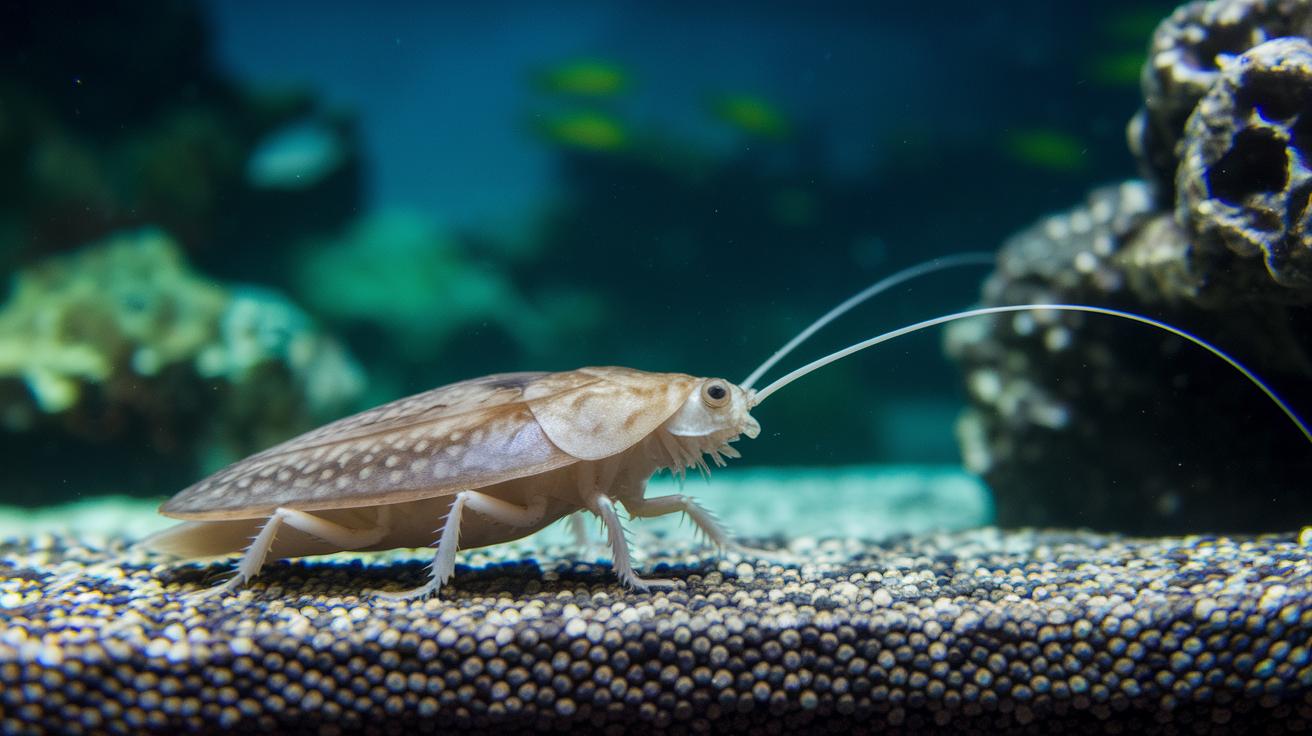
Sea roaches are small underwater critters that haven’t gotten as much attention as big topics like coral events or tracking whales by satellite. Lots of conservation projects work to protect the ocean floor, where these creatures live, but detailed studies focusing solely on sea roaches are still rare. Here’s an interesting note: while satellites give us a peek at whales, careful field studies on sea roaches remain few. This little gap makes them a quiet mystery beneath the waves.
Research on marine arthropods shows that keeping our ocean floors safe really helps not just lobsters but also these fascinating bugs. Protecting rocky, oxygen-rich seabeds is key to supporting sea roach populations and keeping the whole marine community in balance. Researchers gathering data from annual reports and news updates stress that safe, well-oxygenated seabeds are a win for these unique animals.
| Key Point | Description |
|---|---|
| Underfunded Research | Deep-sea roach research gets little financial support. |
| Broader Marine Protection | Conservation projects usually cover wider oceanic areas. |
| Discovery Potential | Focused studies could reveal new secrets about marine life. |
Linking these broader conservation plans with fresh studies on marine arthropods could open up exciting discoveries. Imagine a team of dedicated researchers, like a group of curious friends exploring tide pools, slowly piecing together the lives of sea roaches. Their work might one day shed light on the delicate balance that keeps our underwater world thriving.
Sea Cockroach in Captivity: Aquarium Potential and Care Basics
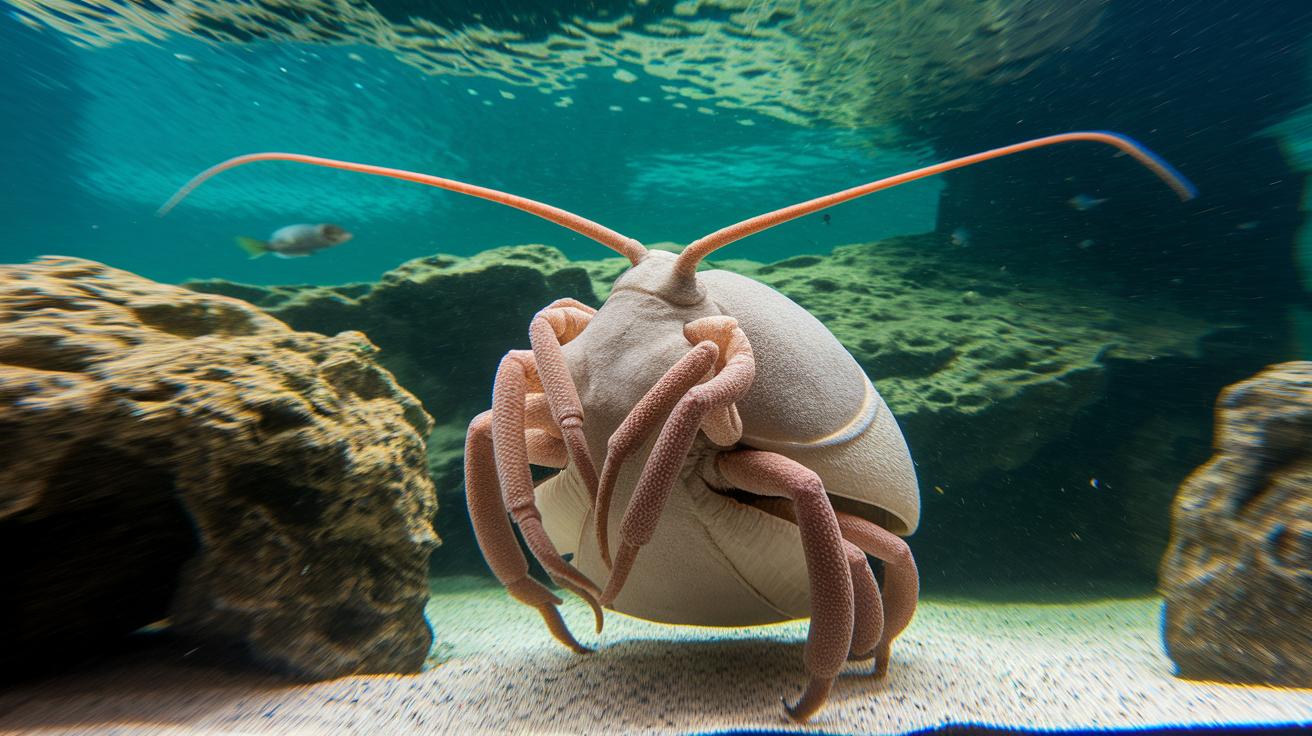
Keeping marine roaches in your home aquarium is like inviting a quirky guest to your watery world. Fish enthusiasts find it an exciting challenge, and the process is full of learning moments that remind you of the gentle flow of ocean tides.
Though care guides might not be everywhere, you can sometimes find giant isopods in the exotic pet trade. These critters feel their best in tanks filled with cool, oxygen-rich seawater and plenty of rocky nooks to hide in. Their natural homes are full of tiny crevices and rough surfaces, so creating a similar setting at home can make all the difference.
Setting up your tank is a bit like building a fun playground. Start by testing the water for quality and temperature, just as you’d watch over a hesitant new friend entering your cozy space. A slow, gradual introduction can ease your pet isopod into its new home.
Sometimes, sudden changes in water conditions or not enough oxygen can be too much for these creatures. Keeping a close eye on your water and making gradual tweaks can help your little friend thrive.
Here are some simple tips to remember:
- Keep the water cool and steady.
- Make sure the water has plenty of oxygen.
- Add lots of rocks or similar structures to give your pet spots to hide.
Follow these easy steps, and you may find yourself enjoying a truly rewarding experience caring for these fascinating marine creatures.
Final Words
In the action, we unraveled how this creature earned the nickname by comparing its sturdy shell and multiple limbs to its land cousin. We looked at where these sea dwellers thrive and what makes them unique in anatomy and behavior. We even touched on their role in the food web and the care they might need in aquariums. It’s clear that every bit of insight adds depth to our understanding of the cockroach of the sea. This fresh perspective leaves us excited about the wonders of our marine environments.
FAQ
Are shrimp cockroaches of the sea?
The claim that shrimp are cockroaches of the sea is incorrect, as shrimp and true marine cockroaches (isopods) differ in body structure and play different roles in their habitats.
Why are lobsters called cockroaches of the sea?
The nickname for lobsters comes from their rugged exoskeletons, multiple legs, and overall appearance that remind some people of terrestrial cockroaches.
How do lobsters compare to true sea cockroaches?
Lobsters are gourmet seafood with segmented shells, while true sea cockroaches (marine isopods) have different ecological functions and rarely enter culinary traditions.
What is known about the giant sea cockroach?
The giant sea cockroach generally refers to large marine isopods that feature flattened bodies and long antennae, perfectly built for life among rocky seafloor crevices.
Are sea cockroaches edible?
Sea cockroaches are not commonly consumed and are rarely part of a culinary tradition, unlike lobsters, which enjoy worldwide recognition as a premium seafood.
Are lobsters considered bugs of the sea?
Lobsters belong to the crustaceans and share some insect-like traits, but they are distinct from true bugs, thriving as bottom-dwellers in diverse marine environments.
What creature is called the cockroach of the sea?
The term “cockroach of the sea” is used for some marine arthropods, including certain lobsters and isopods, due to their tough exoskeletons and multi-legged appearance.
Why are shrimp sometimes called sea roaches?
Shrimp are sometimes mislabeled as sea roaches because of superficial similarities in movement and habitat, even though they are biologically distinct from true roach species.
What are Ligia oceanica, Ligia exotica, and similar isopods?
Ligia oceanica and Ligia exotica are marine isopods with a flattened body and resilient nature, often found on rocky coasts where they contribute to the local ecosystem.
How do these animals fit into the arthropod lineage?
Lobsters, isopods, and similar creatures belong to the arthropod family, sharing characteristics like exoskeletons and segmented bodies, while each group adapts uniquely to marine life.