

Are you fed up with old, dim lights that make your aquarium feel lifeless? Many fish lovers, just like you, have found that upgrading to LED lights turns their tanks into glowing underwater paradise.
These LED lights cast a bright, natural glow that helps your plants thrive and makes your fish look vibrant. I remember a friend telling me how switching his lights instantly refreshed his entire aquarium, giving it a new burst of life. In this article, I'll help you choose the perfect replacement LED that fits your tank just right and adds a lasting sparkle to your aquatic haven.
Replacement LED Aquarium Lights: Choosing the Right Upgrade
If you love your fish and want your tank to shine its brightest, LED lights might be your next best upgrade. Many aquarium owners are switching from old bulbs to LED options because they give off a clearer, more natural light that makes plants and fish look lively. I once heard someone say, "Using old fluorescent bulbs never brought out the true colors in my tank, but now, with LED, everything glows naturally." This change is simple to install, fitting right into your current setup while keeping your tank healthy.
Swapping in LED lights is like adding a burst of freshness to your underwater world. These lights provide steady, balanced brightness that helps plants grow and brings out beautiful fish colors. Plus, they run cooler and last a lot longer, which means less worry and more enjoyment for you.
When choosing your new LED module, keep these important factors in mind:
| Aspect | Why It Matters |
|---|---|
| Tank Size Compatibility | It needs to fit perfectly in your aquarium without any extra hassle. |
| Spectral Output & PAR | This ensures your plants can do photosynthesis easily and your fish look vibrant. |
| Mounting/Fixture Fit | A secure attachment means a safe and stable setup. |
| Power Draw per Gallon | Lower power use keeps your tank energy efficient and eco-friendly. |
| IP/Water-Resistance Rating | This tells you the light can handle moisture and keep working reliably. |
Checking these details helps you pick a light that not only brightens your tank but also supports a balanced, happy environment for your plants and fish. Isn’t it wonderful when a small upgrade makes a big splash in your aquatic world?
Specs and Compatibility for Aquarium LED Lamp Exchange
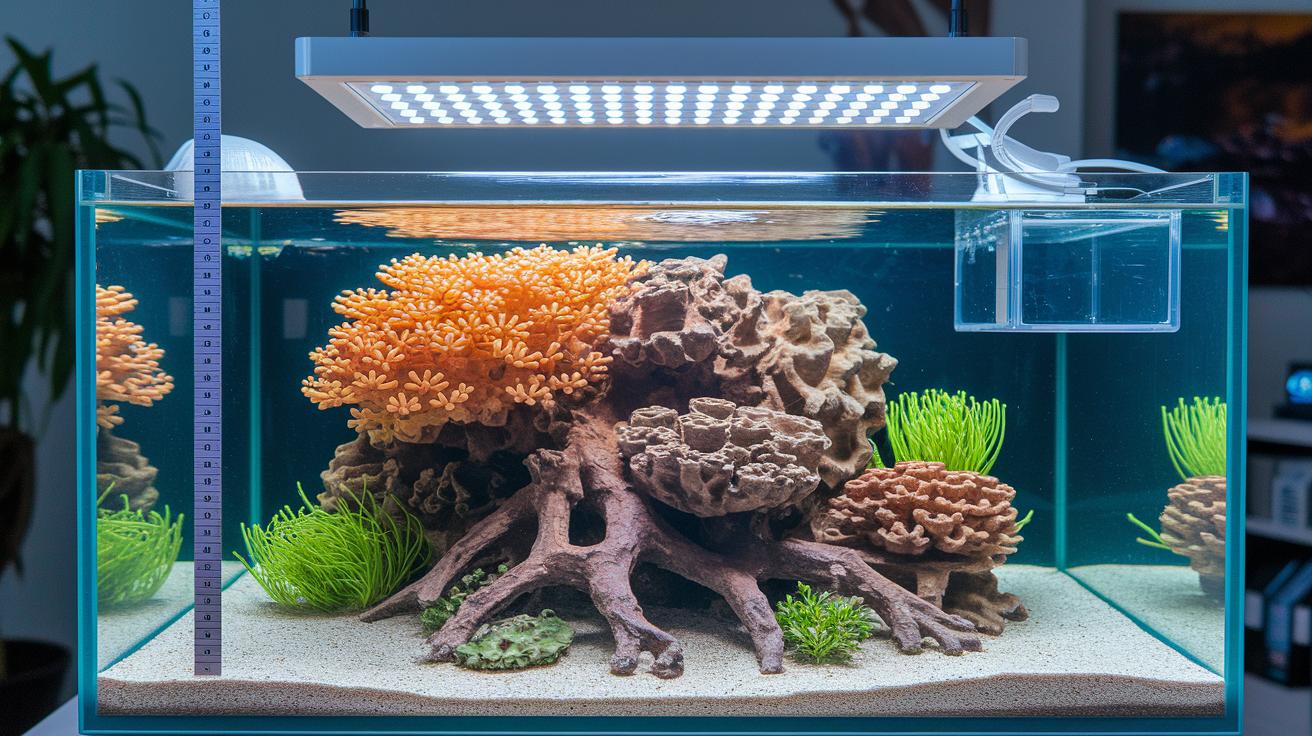
Upgrading your tank with new LED lights can feel like adding a splash of sunshine to your underwater world. Before you make the change, take a moment to check that the lights fit your tank and give just the right glow for your fish and plants.
Fixture Dimensions and Mount Types
Start by measuring the openings in your tank’s hood. Just like checking if your favorite fish can comfortably swim home, make sure your new LED light fits perfectly. Most options come with clip-on or rail designs, making them easy to attach. Getting the right dimensions ensures your light stays secure and fills your tank with a calm, even light.
Light Spectrum and PAR Output
Next, think about the light colors. Some LEDs mimic natural daylight, while others offer a special glow that helps your plants grow strong. Look for a balance in PAR values, which are like the recipe for plant food, making sure your plants get enough energy without overwhelming your fish with too much brightness.
Voltage, Wattage and Efficiency Ratings
Lastly, check the basics before plugging in. Look at the voltage range to match your home's electrical system. Keep an eye on wattage and efficiency numbers like lumens per watt. This way, you'll enjoy a bright, friendly tank while also saving energy, kind of like choosing a filter that keeps your water clean without using too much power.
Replacement led aquarium lights: Bright and Reliable
Safety and Preparation
Before you begin, switch off the power to your aquarium set-up. This keeps you safe from any shocks while you work. Double-check that each LED part is waterproof and fits snugly. Clear away any clutter around your tank to create a calm, open space, like arranging a quiet cove for your fishy friends.
Electrical Connections and Mounting
Next, carefully connect the power leads to your new LED module. Take your time to position the LED strips or bars so they sit evenly and securely. Many of these modules come with clip-on fittings or rails, which make mounting a breeze. Gently adjust the height above the water to spread the light nicely over your tank without coming too close to your aquatic pals. I remember testing my fish tank lights to see how the light spread before settling on the final spot, and it made a big difference.
Final Testing and Calibration
Now that the LED module is mounted, it’s time to turn the power back on slowly. Watch for any flickering or uneven light, these could be signs of a loose connection. Adjust the light’s spectrum and brightness as needed for your tank’s plants and fish. Set any timers so the lights follow a natural, steady cycle. Running a short test before a full cycle can be super helpful to see how the colors mix and settle. This testing step ensures your LED upgrade not only looks great but also creates a reliable and vibrant underwater glow.
Energy Efficiency and Maintenance of LED Substitution for Tanks

LED lights for aquariums use much less power than older bulbs like fluorescent or metal-halide ones. They draw a smaller amount of watts per gallon, which makes them cheaper to run, kind of like upgrading from a noisy old engine to a smooth electric motor. This smarter use of energy helps shrink your bill while still lighting up your underwater world with a steady, friendly glow.
LED lights can shine for around 30,000 to 50,000 hours, but over time, their brightness gently fades, much like watching the sun set slowly over calm waters. Many aquarium owners see this slight dimming as a helpful hint that it might be time to switch out a simple LED strip or driver. It’s a soft reminder that even great things change with time.
Keeping your LED system in tip-top shape is simple. A quick clean of the lens every month stops dirt from building up and dimming your light, and checking the seals once a year can catch any early signs of wear. In my own tank, I’ve noticed that replacing older parts now and then really helps maintain that perfect, balanced glow that both you and your fish deserve.
Replacement led aquarium lights: Bright and Reliable
If you’re looking to brighten up your aquarium with LED lights, this guide is here to help. Picture the gentle ripple of water as you compare different LED upgrades that can make your tank shine. Whether you're after a fancy setup or a budget-friendly option, each one brings its own little charm to your underwater world.
| Model | Wattage | Spectrum | Tank Size Range | Approx. Price |
|---|---|---|---|---|
| Top-Rated Full-Spectrum Bar | 45W | Full Spectrum | 20-50 gal | $150 |
| DIY Modular Strip Kit | 30W | Plant Focused | 10-30 gal | $90 |
| Budget Clip-On LED | 20W | Balanced | 5-20 gal | $50 |
Each option has its own set of perks along with a few trade-offs. The Top-Rated Full-Spectrum Bar provides bright, balanced light that makes your tank sparkle, even though its price might take more from your wallet. The DIY Modular Strip Kit is a fun, hands-on option that lets you adjust the light to your taste, perfect for those who love a little creativity in their aquarium setup. And if you need a simple and cost-effective solution for a smaller tank, the Budget Clip-On LED is a great pick, even if it doesn’t include all the fancy extras.
Think about your tank’s size, power needs, and style when choosing the right fit for your little aquatic paradise. Enjoy watching your underwater world come alive with the perfect glow!
Troubleshooting Common LED Module Exchange Issues

If your new LED replacement isn’t lighting up, take a moment to check the fuse and the connector connections. Make sure every wire is snug and free of any rust or corrosion, much like checking that every stream in a quiet river flows freely. Peek at the fuse for tiny burn marks that might show a problem, and double-check all your connections to keep things running smoothly.
When you notice the light seems patchy or uneven, it could be because the LED isn’t mounted firmly or the lenses are a bit dirty. Try readjusting the LED strip so it sits flat, just like smoothing out a pebble on a stream bed. A gentle wipe with a soft, damp cloth can refresh the lenses and help the light shine evenly throughout your aquarium. Double-check the mountings to ensure everything is in good contact.
If the controller or dimmer isn’t pairing as it should, a quick reset might do the trick. Unplug the module for about a minute and then plug it back in to prompt a reset process, just like a brief pause in the current of a river. Also, inspect any seals for signs of water intrusion and reapply waterproof sealant if necessary to keep your setup safe and sound. If the issues stick around, try resetting the controller again, and you should have your module gleaming once more.
Final Words
In the action, we explored how to refresh your aquarium setup with smart upgrades. We talked about the benefits of modern LED tank lamp exchange solutions, inspection of exact fixture dimensions, and fine-tuning your light spectrum. Small tips on safe installation and care rounds out this guide to keep your underwater home balanced and vibrant. Keeping your space bright with replacement led aquarium lights can boost fish health and plant growth, making every day feel like a sunny swim in clear, inviting waters.
FAQ
What are some popular replacement LED aquarium lights and where can I find them?
The popular replacement LED aquarium lights include models like Tetra, Top Fin, and Aqueon that fit tanks ranging from 10 to 55 gallons. Many are available on Amazon and at local pet shops.
How do replacement LED lights work for fish tank hoods?
The replacement LED lights for fish tank hoods are designed to fit seamlessly in your existing setups, providing bright, energy-saving light that supports both plant growth and fish health.
Do LED aquarium lights wear out over time?
The LED aquarium lights do wear out gradually as their brightness slowly declines over thousands of hours, so it’s smart to keep an eye on their performance.
How often should I replace my aquarium LED lights?
The recommended replacement for aquarium LED lights is when you notice a dimming or drop in performance, even though many last for over 30,000 hours under normal use.
Why do aquarium LED lights seem expensive and do they have replacement bulbs?
The aquarium LED lights seem expensive because they offer superior light quality and energy savings. They are designed as complete units, so replacement bulbs are not typically available separately.