

Have you ever thought about giving your fish their very own sunrise every day? With full spectrum aquarium lighting, you can turn an ordinary tank into a bright, underwater paradise. It mixes red, blue, and green light in just the right way. Red helps your plants grow strong, blue adds a cool, soothing vibe, and green keeps everything balanced.
Imagine the gentle ripple of light, like the soft glow of dawn by a quiet stream. This bright mix not only makes your tank look amazing but also helps both your fish and plants thrive together. Ever notice how the right lighting can calm your mind? It’s a simple way to bring a little piece of nature into your home.
How Full Spectrum Aquarium Lighting Meets Aquarium Needs
Full spectrum aquarium lighting mixes red, green, blue, and white light to create a vibrant underwater scene. It’s like having a gentle sunrise inside your tank. Red light helps boost plant stems and deepens red tones, green brightens up foliage, and blue supports healthy leaf growth while bringing out the cool colors of your fish.
This balanced light not only powers plant growth but also keeps your tank cool and reduces unwanted algae. It mimics the natural patterns of sunlight, giving your aquarium the calm, refreshing feel of a quiet pond under a clear sky. Adjusting the light’s brightness and duration helps both plants and fish live happily together.
For tanks with only fish, about eight hours of light a day works well. But if you have live plants or a reef setup, 10 to 12 hours is ideal to provide enough energy. Tanks with spawning or nocturnal species might also need around 12 hours. This careful scheduling keeps the water clean and the whole ecosystem in balance.
With RGB lighting fixtures, each color does its part. They’re designed so every hue supports a biological need while enhancing the tank’s beauty. It’s like curating a mini underwater masterpiece where every ray of light helps your aquatic friends thrive.
Technical Specifications and Wavelength Insights for Full Spectrum Aquarium Lighting
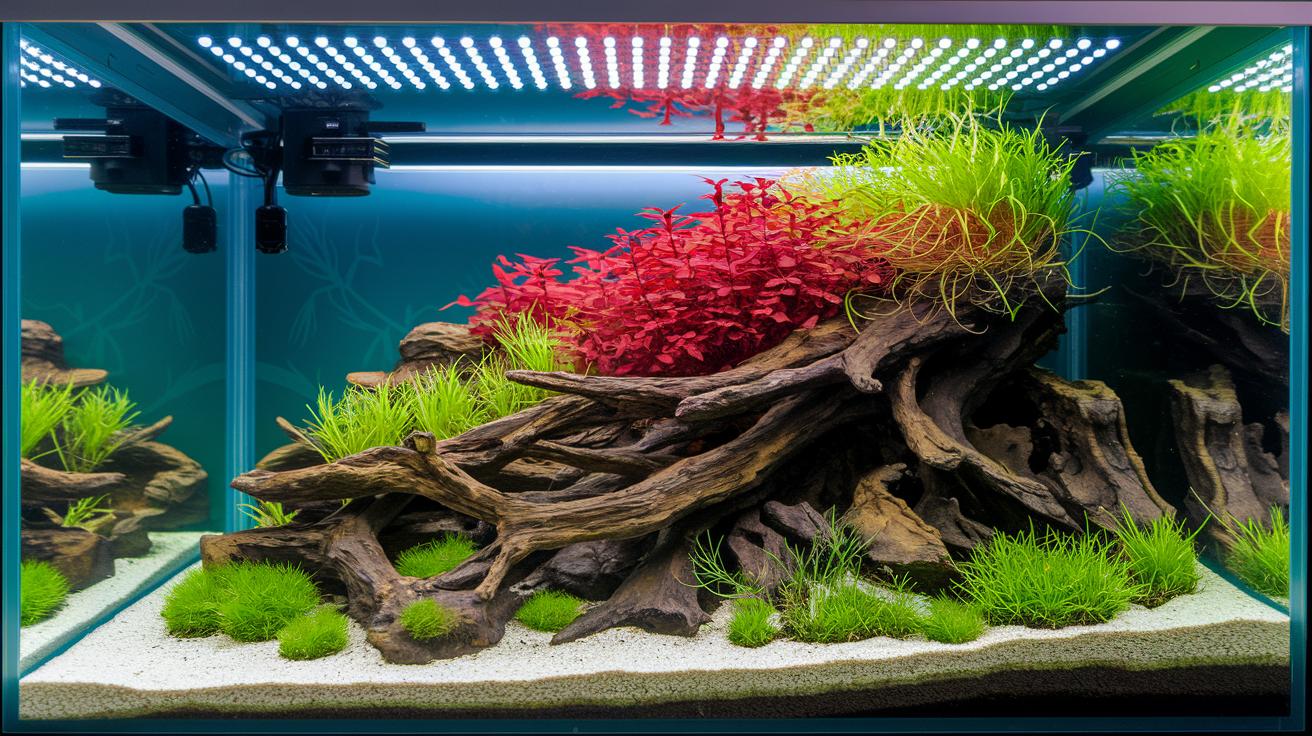
When setting up your aquarium, getting the lighting mix just right is key to a lively tank. Your plants and fish thrive under a balanced glow where each color plays its part. Bright blue at around 480 nm and bold red at about 680 nm work wonders for plant growth. Green light keeps everything balanced, making sure colors appear natural and true to life. Full-spectrum RGB systems blend these bright bursts with white light to create a radiant, all-round ambiance that’s good for both your aquatic life and the overall look of your tank.
To make sure your plants get enough energy for photosynthesis (that’s the magic process where plants make their food), many aquarists follow a simple rule: use about 1 to 2 watts per gallon. Whether you choose the 1:1 or the 1:2 rule, these guidelines help you set the perfect light intensity for your underwater world.
White light also has a special role. An 8,000K white light can give your plants a boost by producing more usable energy, while a 10,000K light makes blues and silvers pop, so your fish look even more striking. Imagine a tank shimmering like the clear midday sky, that’s the magic a 10,000K light can create.
| Color | Wavelength | Function |
|---|---|---|
| Red | ~680 nm | Enhances stem growth and deepens hues |
| Blue | ~480 nm | Stimulates leaf development and highlights features |
| Green | Balance | Maintains color harmony |
Maximizing Aquatic Plant and Fish Health with Full Spectrum Lighting
Full spectrum lighting gives your aquarium a fine blend of red and blue light that helps your plants thrive and makes your fish colors pop. In reef tanks, this mix not only boosts the bright glow of your corals but also strengthens their structures. Ever notice that gentle shimmer on a coral? That’s the red and blue light working its magic.
In these setups, the red light helps build stronger coral skeletons, while the blue light brings out their natural glow. It’s like watching nature paint an underwater masterpiece right before your eyes. You might say, "When my coral arches catch the dance of red and blue light, it feels like a tiny work of art in my home."
Plus, using full spectrum lighting can help your plants soak up nutrients before algae gets a chance, keeping your water crystal clear.
Scheduling, Intensity Adjustment, and Algae Control in Full Spectrum Aquarium Lighting

Creating a natural day and night cycle in your tank makes the whole underwater world feel more balanced. Picture the gentle rise of light at dawn, slowly waking up your fish, and a soft fade into dusk, allowing them to settle down and rest. Imagine your tank lighting increasing by 1% every minute until it reveals a lively, colorful scene, just like the first glimmers of morning.
Smart tools like the Aqueon BlueIQ app let you control each color with tiny 1% tweaks. This means you can adjust the light just right at sunrise and dusk, blending smoothly into your daily schedule. Think of it like watching the light slowly fade, echoing the quiet arrival of twilight on a calm lake.
By emphasizing smooth changes rather than simple on-and-off schedules, your tank stays balanced and healthy. This gentle approach also helps keep algae in check, preventing sudden shifts that might upset your underwater ecosystem.
full spectrum aquarium lighting Radiant Aquatic Life
When we chat about aquarium lights, it's clear that mixing good tech with energy efficiency makes all the difference. Sometimes, simple lights just don’t cut it, they can struggle with showing off the right colors and saving energy at the same time. For instance, many affordable lights online promise a lot but end up not giving enough wattage or the full spectrum of colors needed. This can really impact how well your plants grow and how vibrant your fish look.
Then there are the medium and high-tech options that lots of fish lovers are buzzing about. Fancy lights like the Aqueon OptiBright Smart LED offer a fantastic RGB range plus an extra white channel. This means you can tweak the brightness of each color, matching the perfect glow to your tank’s needs. It’s a bit like watching a gentle sunrise in your aquarium, each color flows naturally into the next. And with smart app controls, you can adjust the light by tiny 1% changes right from your phone.
Modern full spectrum LED systems are also champions when it comes to using less power. For example, look at models like the Marggoo 12 W RGB and the Sea Lantern 18 W RGB, both designed just for a 10-gallon tank. These lights show that you don’t have to use lots of energy to create a stunning visual display. They combine low power consumption with bright, lively colors that can really transform your underwater world.
If you’re weighing your options, the smarter, energy-saving fixtures are usually the way to go. Not only do they boost plant growth and enhance the natural colors of your fish, but they also help you save on electricity over time. It’s like turning your aquarium into a little slice of radiant, underwater paradise.
Installation Tips and Energy Efficiency for Full Spectrum Aquarium Lighting
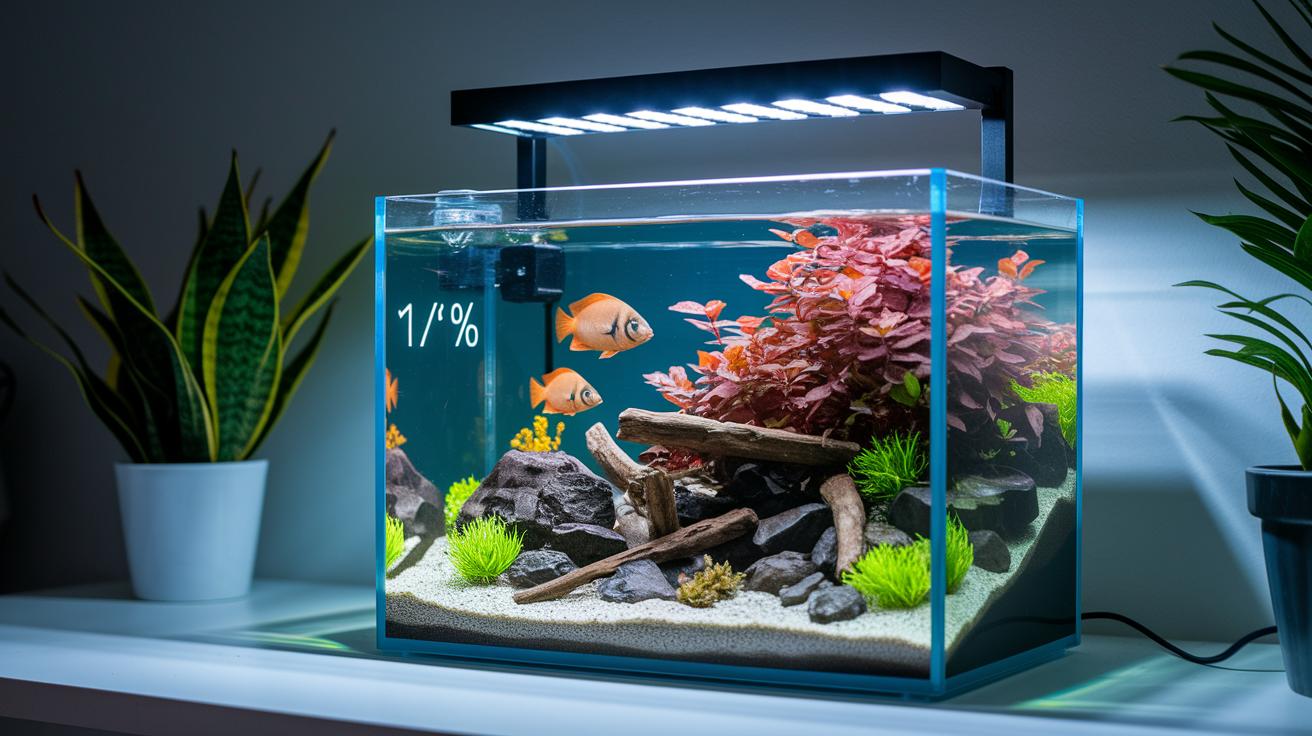
LED lights use about half the energy of old school fluorescent or metal halide lights. They give your aquarium a beautiful glow while helping you save on electricity bills. Using timers and dimmers makes it easy to adjust the light, much like watching a gentle sunrise over a quiet pond.
Here are a few tips to keep your tank lighting economical:
- Pick lights with high PAR-per-watt. In simple words, your plants enjoy more of the light they need to grow strong.
- Set up timers to dim or brighten the lights during busy hours. This helps you avoid wasting energy.
- Clean your light lenses and fixtures every month. A little cleaning goes a long way to keep them working well, just like giving your tank a refreshing rinse.
- Watch for smart firmware updates for your lights. These can add new features and boost efficiency over time.
Imagine a smart system that lets you adjust the light in tiny 1% steps. It creates a balanced, comfy glow that supports both your fish and your savings. These friendly tips help you build a setup that is kind to both your aquarium and the environment.
Final Words
In the action, we saw how full spectrum aquarium lighting meets both practical and aesthetic needs. We covered how balanced light channels promote plant growth, enhance fish colors, and keep algae in check. The post also broke down technical details and smart controls that help fine-tune light cycles for different tank types.
This guide leaves you with simple steps to brighten your underwater world. Embrace full spectrum aquarium lighting to create a healthy, energetic home for your aquatic friends.
FAQ
What are some popular options for full spectrum aquarium lighting and where can I buy them?
Popular full spectrum lighting options include well-reviewed models like Hygger Aquarium Light and Chihiros Aquarium Light. Many of these are available on Amazon and for sale through online specialty retailers, offering options for various tank sizes.
Are full-spectrum lights good for aquariums and what benefits do they offer?
Full-spectrum lights are excellent for aquariums as they deliver a balanced mix of red, green, blue, and white light. This mix enhances plant growth and enriches fish coloration while maintaining natural light cycles in your tank.
Do full-spectrum aquarium lights have UVB and are LED lights considered full-spectrum?
Full-spectrum aquarium lights mimic natural sunlight but usually do not emit significant UVB. LED versions can be full spectrum if they include channels for red, green, blue, and white, supporting both plant health and vibrant fish hues.
Which full-spectrum LED aquarium lights work best for plants?
Full-spectrum LED lights that deliver strong red and blue wavelengths support plant photosynthesis and stem growth, intensifying foliage color. These fixtures offer balanced illumination for plant and fish health in your tank.
What should I consider about different sizes, such as 48-inch or 30-inch full spectrum aquarium lights?
The choice between different sizes depends on the tank dimensions and your setup requirements. Larger tanks may benefit from a 48-inch fixture, while a 30-inch light can be perfect for medium-sized aquariums needing balanced full-spectrum coverage.