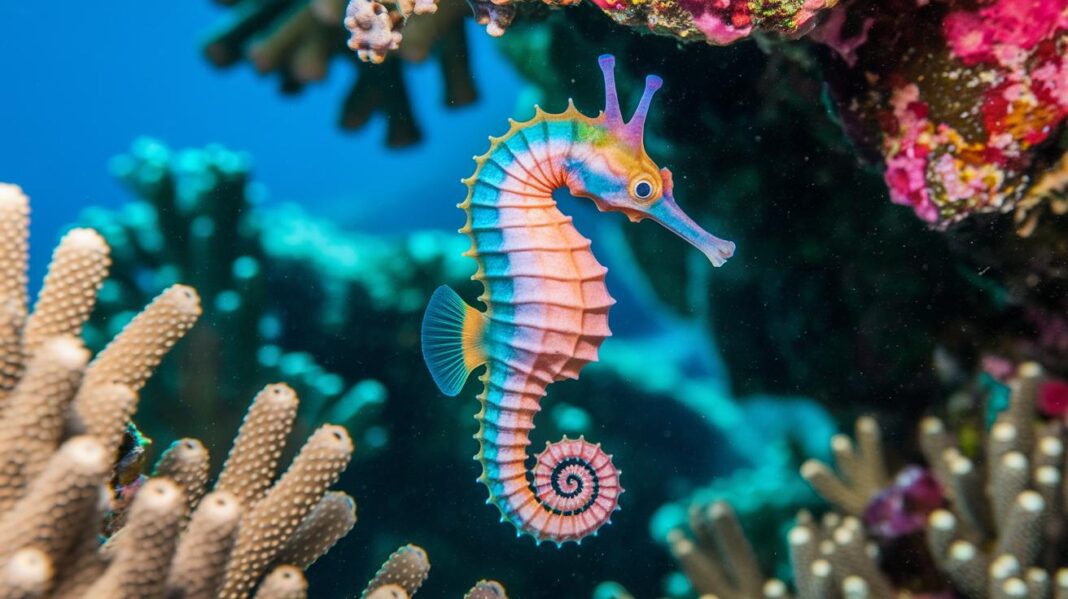

Ever thought about tiny knights hidden in the sea? Seahorses, with their hard, almost armor-like bodies, bring a smile to even the most casual fish fan.
These little creatures munch on plankton using their tube-like snouts, kind of like how you might sip a smoothie through a straw. And here’s a cool twist, they’re the only fish that carry their eggs in a pouch, much like a travel bag filled with treasure.
Today, let’s dive deeper into the unique charms of seahorses. Their special traits and brave, survival style remind us of how nature helps them thrive in the lively underwater world.
Sea horse Magic: Captivating Coastal Creature
Sea horses are charming little swimmers, part of the Hippocampus family found in oceans all around the world. There are about 50 different kinds, from the big Australian big-bellied seahorse that grows over 11.8 inches long to the tiny pygmy seahorse that is less than an inch. Their bodies are wrapped in a bumpy, bony coat that works like a mini suit of armor, guarding them against hungry predators, sort of like a knight’s protective gear, only for the sea.
These little fish have some very unique traits. Their tube-like snouts act like tiny straws, helping them sip up plankton and small shrimp. Their eyes move in different directions, letting them watch everything happening around them. And when the time is right, they can change color and grow skin filaments to hide among seagrass beds, mangrove roots, and colorful coral. They even wander into estuaries or deeper waters when the surroundings shift.
One of the coolest things about seahorses is how they make babies. Unlike most fish, it’s the males who carry the eggs in a special pouch during mating season. Then, when the babies, called fry, hatch, there can be anywhere from 50 to 2,000 of them, though very few end up surviving. In home tanks, seahorses usually live for three to five years, while in the wild, their lifespan is still a bit of a mystery.
Seahorse Anatomy: Structural Features and Physiology
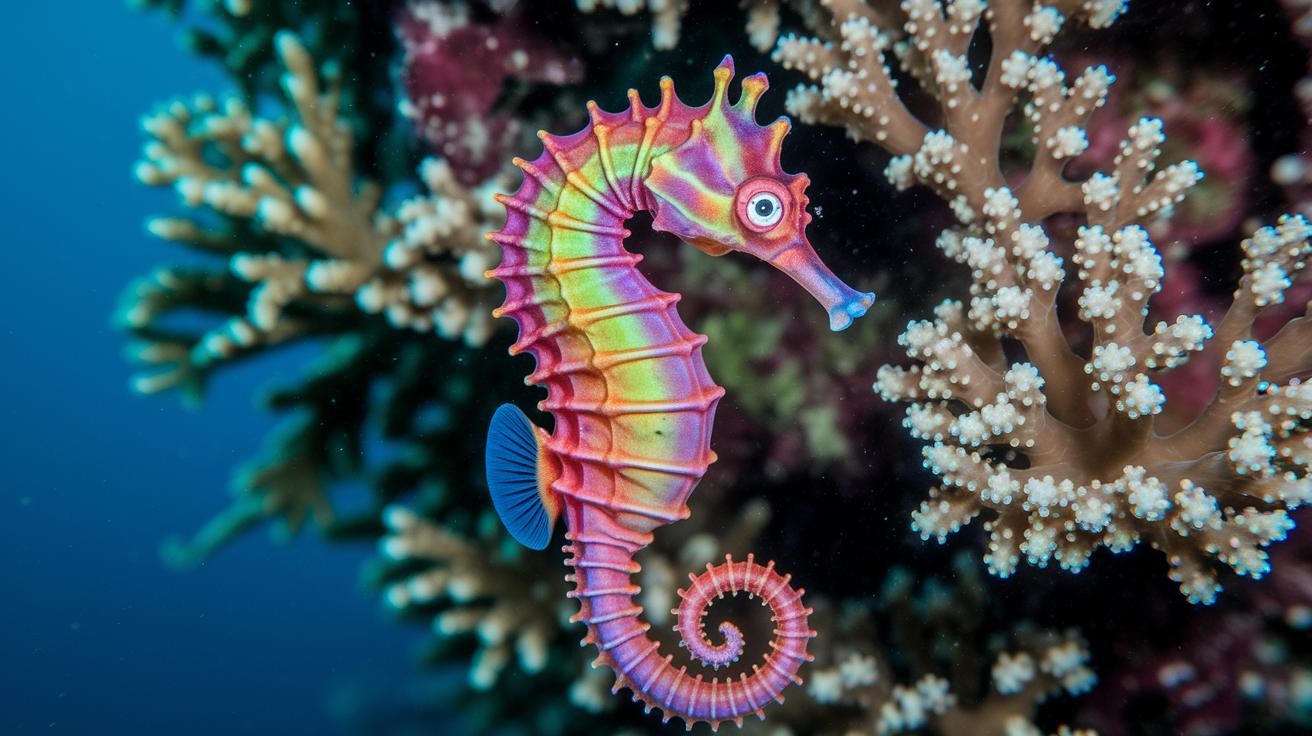
Seahorses have a really cool look that reminds you of a little horse with a long, tube-like nose. They don’t have teeth or even a stomach, so food flows right through them quickly. This means they need to nibble almost all day to stay full of energy. Think of their snout as a tiny straw, gently sipping a nutrient-rich smoothie from the sea. It’s one of the quirky ways nature makes sure every creature has what it needs.
Their bodies are like a suit of armor made of little bony plates that protect them from danger. They also boast a flexible tail that can grab onto seagrass and coral, keeping them steady in the easy sway of the ocean. It’s much like having a handy tool that holds you in place during a strong current. Meanwhile, tiny fins on their backs and sides help guide them with surprising precision in the water.
But that’s not all. Seahorses can move their eyes independently, change colors, and even grow skin filaments that help them blend into their surroundings. It’s as if they’re nature’s own experts at camouflage, quietly matching the gentle patterns and hues of their marine world. This adds a special charm, making you appreciate the clever ways these amazing creatures adapt to life underwater.
Seahorse Habitat and Global Distribution
Seahorses love living in bright, lively underwater homes. You can find them drifting in seagrass meadows, weaving through the curly roots of mangroves, or hiding in the snug corners of coral reefs. These spots give them just the right mix of sun, shelter, and gentle water flow. Plus, many seahorses can handle small changes in salt levels (that means they thrive even in waters where fresh and saltwater mix, like in estuaries). It’s like having a cozy, ever-shifting neighborhood.
Around the world, seahorses make their home in many warm seas, especially in the West Atlantic and Indo-Pacific areas. When the seasons change and the water gets cooler, some seahorses slip into deeper parts of the ocean. It’s a bit like birds migrating to find more food and fewer threats. Imagine one seahorse slowly gliding into shadowy, deeper waters during winter, nature’s way of keeping it safe and sound.
Seahorse Diet and Feeding Habits
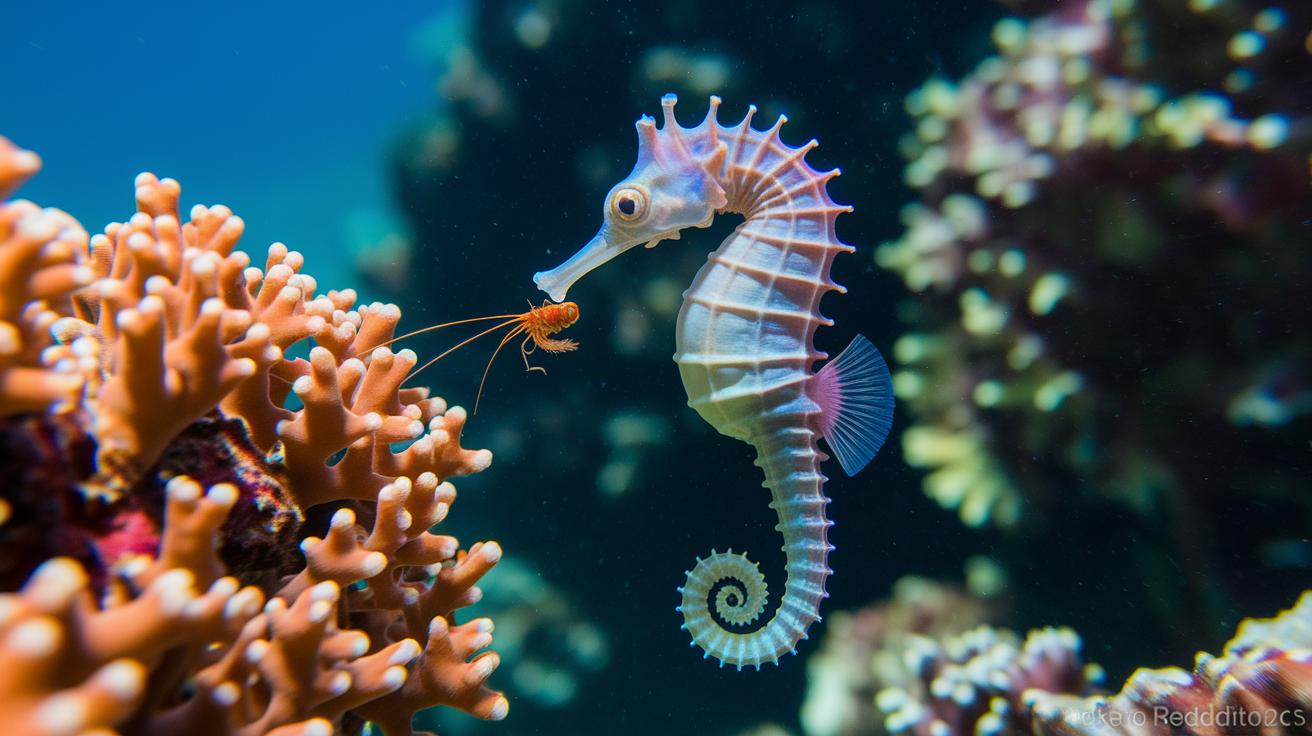
Seahorses have a neat way of eating, they use their tube-like snouts like little straws to suck in food. It’s kind of like taking a gentle sip from a natural smoothie. They grab tiny crustaceans such as amphipods and copepods, along with other little invertebrates, all while floating by in the water. It’s pretty clever how each quick gulp fills them with the energy they need!
Adult seahorses eat an astonishing 30 to 50 times a day. Since they don’t have teeth or even a stomach, food rushes through their bodies quickly. They have to eat almost constantly to keep up their energy, which is super important for both surviving and keeping the balance in their coastal homes. It’s a bit like a busy, underwater marketplace, every little meal counts!
Seahorse Reproduction and Lifecycle: The Male Pregnancy Phenomenon
In the seahorse mating season, these charming creatures come together in a brief, delightful pairing that sets the stage for an underwater miracle. They show off with subtle but vibrant color changes, twirling in spirals, and sharing soft clicking sounds, as if whispering secrets through the gentle ripple of water.
The male seahorse takes on a truly special role. Once the female carefully transfers her eggs into his warm, protective pouch, the journey of life begins. This nurturing chamber, much like a cozy nursery nestled in a calm current, holds the eggs for about two to four weeks while they slowly develop.
Key moments in their underwater dance include:
- Shifting colors that brighten like a sunrise over the reef
- Graceful, spiraling movements that mirror the flow of current
- Soft clicking sounds echoing like distant whale songs
- A careful egg transfer into his snug pouch
When the time comes, the male seahorse gives birth to a burst of tiny fry, sometimes anywhere from 50 to 2,000 little lives all at once. Once born, these fragile seahorses are on their own in a vast ocean, where the strong currents and lurking predators test their survival from the very start.
Seahorse Species Diversity and Taxonomy
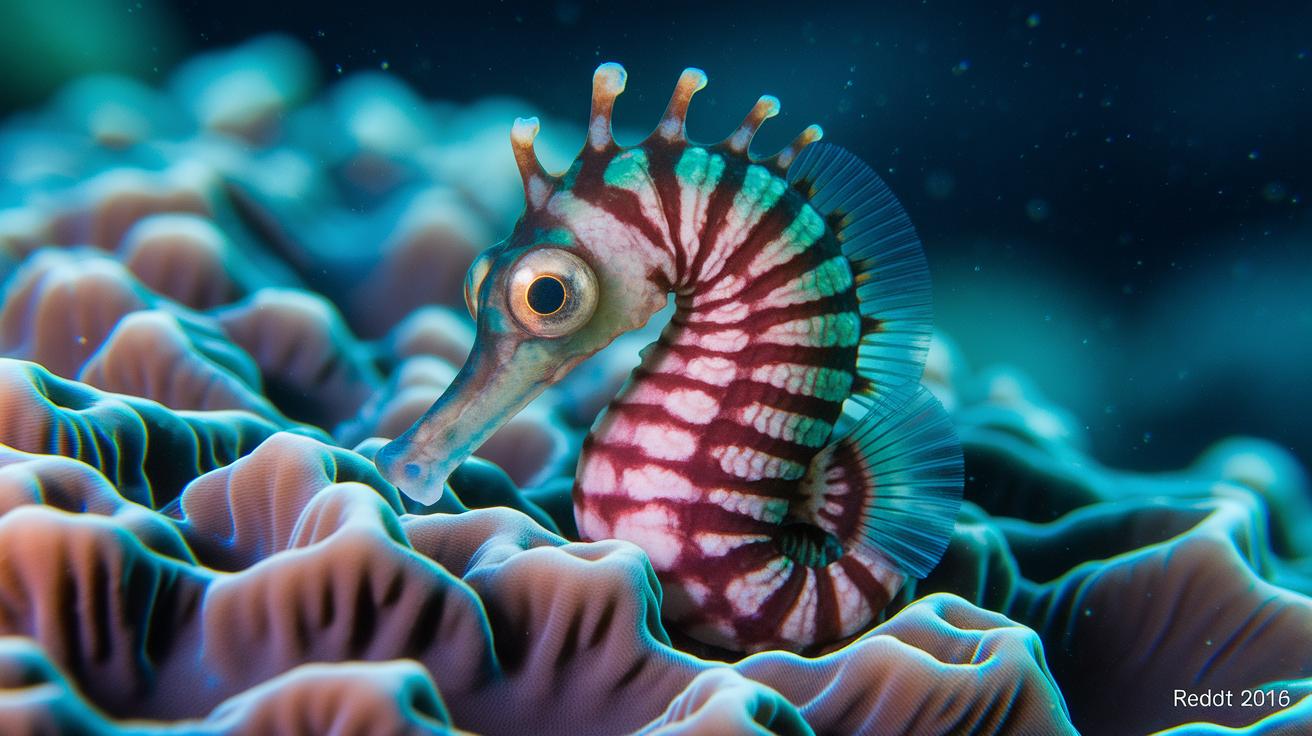
Seahorses are part of the Syngnathidae family and fall under the genus Hippocampus. There are about 50 known species, each perfectly tuned to thrive in their coastal homes. Their distinct looks and even their genes help scientists see how they fit in among other sea creatures, it’s like watching puzzle pieces come together.
One of the most interesting parts is the huge size difference among them. Take the tiny pygmy seahorse, less than an inch long, compared to the Australian big-bellied seahorse, which can be over 11.8 inches. This size range shows how each species adapts to its own habitat, like how a small boat and a big ship are built for very different journeys.
Then there are their close cousins, like the leafy, weedy, and alligator seadragons, which add even more color to their family tree. These relatives share common roots, offering a peek into how evolution comes into play. Seeing their unique, striking features really brings the amazing world of marine life into focus.
Seahorse Conservation Status and Threats
Every year, seahorses get caught in the net of human demand. More than 150 million of these small wonders are taken for traditional remedies, and almost one million find their way into curio shops and pet collections. With so many delicate creatures pulled from their homes, each one matters in our efforts to keep their populations afloat.
Scientists have studied 42 seahorse species, and their findings are a bit worrisome. They discovered that 12 species are at risk, 2 are in serious trouble, and 1 is almost in trouble too. While 10 species seem to be doing okay, 17 still need more study. Major threats come from losing their natural habitats because of coastal development, polluted waters, and changing climate patterns that disrupt their watery world.
There’s hope on the horizon, though. Groups like Project Seahorse and The Seahorse Trust are out there swimming alongside these creatures, studying them and working hard to protect their homes. More hands-on research and a better understanding of seahorse lives could help us find smarter ways to guard their environment and secure a brighter future for these enchanting animals.
Seahorses in Captivity: Aquarium Care and Setup Advice
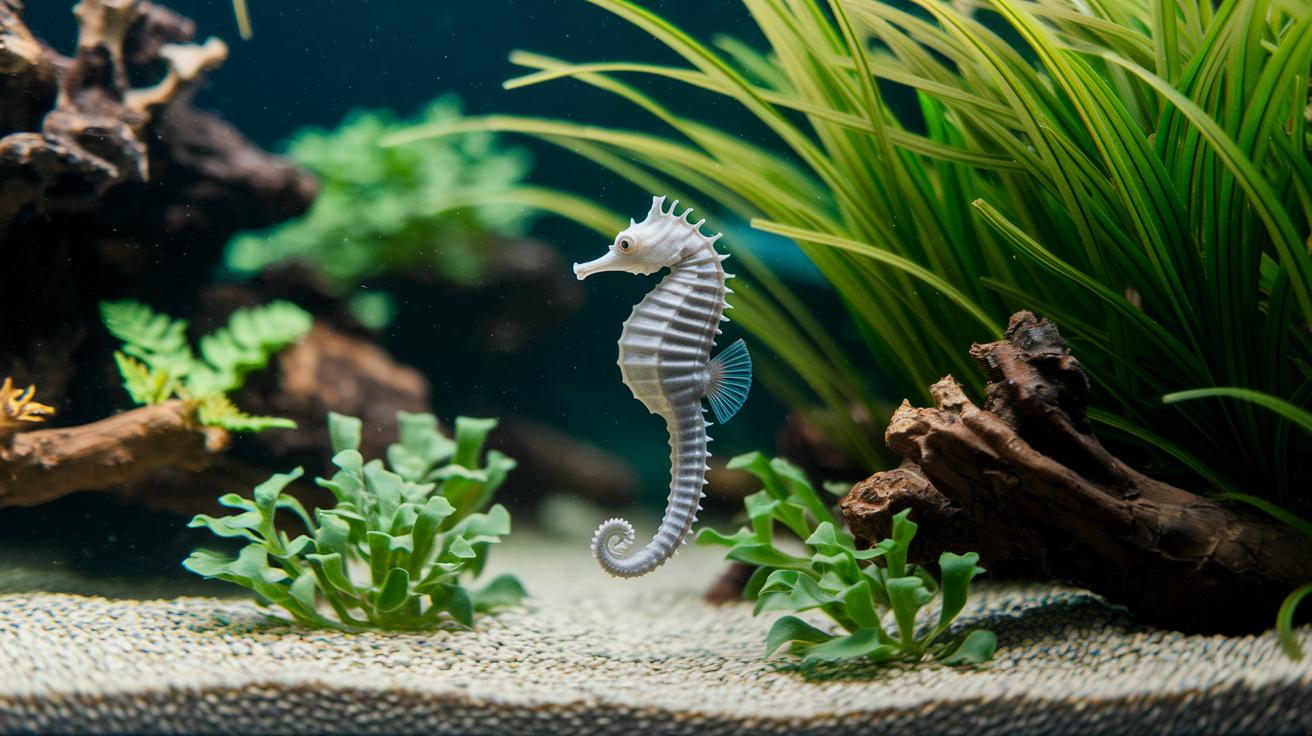
Keeping seahorses happy in your tank takes some thought and care. These little marvels do best in a calm, safe space that feels a lot like the ocean. Because they are small and a bit delicate, you need to keep an eye on the water quality and avoid sudden changes that could stress them out. For example, aim for water temperatures around 72 to 78 °F, a salinity between 1.020 and 1.025, and a gentle water flow so they can swim without being swept away. A peaceful tank lets seahorses feed and rest without being disturbed.
| Tank Tips | Why It Matters |
|---|---|
| Stable temperature and salinity | Keeps their body comfortable |
| Frequent live feedings | Mimics their natural hunting habits |
| Secure holdfasts | Lets them rest safely |
| Compatible, non-competitive tankmates | Ensures a peaceful community |
| Gentle filtration with regular water checks | Mimics a calm stream and avoids stress |
When you choose seahorses, go for suppliers you trust, ones that care about the fish as much as you do. Look for those who quarantine their animals and offer clear health guarantees. Checking on your tank daily lets you spot any little problems quickly, and a routine of water tests and cleaning keeps your seahorses active and thriving.
Every day matters. Adjust your tank settings bit by bit, much like nature does day by day, and always watch for small changes. Keep your care routine simple and steady, and you'll love watching your seahorses glide gracefully around their little underwater world.
Final Words
In the action of exploring this aquatic world, we reviewed unique anatomy, habitats, feeding habits, and those fascinating reproductive rituals. The article walked through how even delicate water dwellers fit into both wild ecosystems and carefully set-up aquariums.
A focus on elements like secure holdfasts and gentle filtration ties together style and function. Caring for a sea horse means enjoying a lively, balanced tank while staying true to their natural charm. Every step taken in maintaining your aquatic haven brings peace and a touch of underwater joy.
FAQ
Frequently Asked Questions
Sea horse price
The sea horse price depends on species, rarity, and location. In pet trade or research, costs vary and it’s wise to compare reputable sellers for the best deal.
Sea horse drawing
The sea horse drawing refers to artistic portrayals that capture the animal’s curved body and unique snout. These sketches often highlight its grace and distinct aquatic charm.
Sea horse size
The seahorse size varies among approximately 50 species. Some are tiny, measuring less than an inch, while others, like the big-bellied seahorse, reach over 11 inches in length.
Sea horse in Hindi
The term seahorse in Hindi is “समुद्री घोड़ा.” This phrase is used to describe these unique, horse-like marine fish in Hindi language contexts.
Sea horse classification
The seahorse classification places them in the family Syngnathidae and genus Hippocampus. This taxonomic grouping highlights their distinctive body armor and fish characteristics.
Sea horse is a mammal
The statement “seahorse is a mammal” is inaccurate. Seahorses are fish since they live in water and breathe through gills, not fulfilling mammalian criteria.
Seahorse scientific name
The seahorse scientific name usually starts with Hippocampus, followed by a species name. This naming system helps scientists differentiate among the roughly 50 recognized species.
Seahorse habitat
The seahorse habitat includes seagrass meadows, mangrove roots, and coral reefs in shallow coastal waters. They may also be found in brackish areas or migrate seasonally to deeper waters.
What are 5 facts about seahorses?
The five facts about seahorses are: they have horse-like features, they can change color, they exhibit male pregnancy, they sport segmented bony armor, and their sizes vary widely among species.
How long does a seahorse live?
The lifespan of a seahorse depends on the species and environment. Smaller species may live about one year in captivity, while larger ones often live between 3 to 5 years.
Can a sea horse be a pet?
The inquiry about keeping a seahorse as a pet shows that while it is possible, they require very specific tank conditions and care, making them a challenge for novice aquarists.
Is a seahorse a fish or not a fish?
The question about whether a seahorse is a fish confirms that seahorses are indeed fish, as they possess gills, fins, and other typical fish features despite their unusual appearance.