
Have you ever wondered if a tiny creature could create such marine magic? Sea squirts might seem simple at first, but their natural water filtering (a process that cleans the water like a little underwater pump) and built-in armor hide a world of secrets.
They work just like nature’s own water pump, drawing in food and sending out gentle currents that help life thrive. Today, we’re diving into two sea squirt wonders that show off hidden skills and special roles along our coasts.
Stick with us as we explore how these unassuming creatures quietly support the underwater world and gently challenge everything we think we know about marine life.
Overview of Sea Squirts: Definition, Classification, and Role
Sea squirts are little marine creatures that stick to hard surfaces in shallow coastal waters, like rocks, docks, and even shells. They wear a tough, flexible coat called a tunic, which is made of a cellulose-like substance known as tunicin. Think of it as their natural suit of armor that keeps them both supported and safe from hungry predators.
These creatures are extra special because each one makes both eggs and sperm, a trait called hermaphroditism. They release these into the water, where fertilization happens outside their bodies. Before you know it, a tiny, free-swimming larva appears. This little larva has temporary features like a notochord and basic nerve cells, and soon it finds the perfect spot to settle down and transform into its fixed, adult form.
What makes sea squirts really interesting is how they eat. They use two siphons, one to suck water in and another to push it out. As water flows through, they trap tiny food bits and plankton, which not only feed them but also help clean the water. Imagine having your own natural water filter that benefits both you and your neighbors in the ocean.
It’s amazing to view sea squirts as nature’s little water cleaners. Their unique way of filtering water plays an important part in keeping coastal ecosystems healthy and vibrant, much like a gentle current that supports a lively underwater community.
Sea Squirt Anatomy and Physiology Details
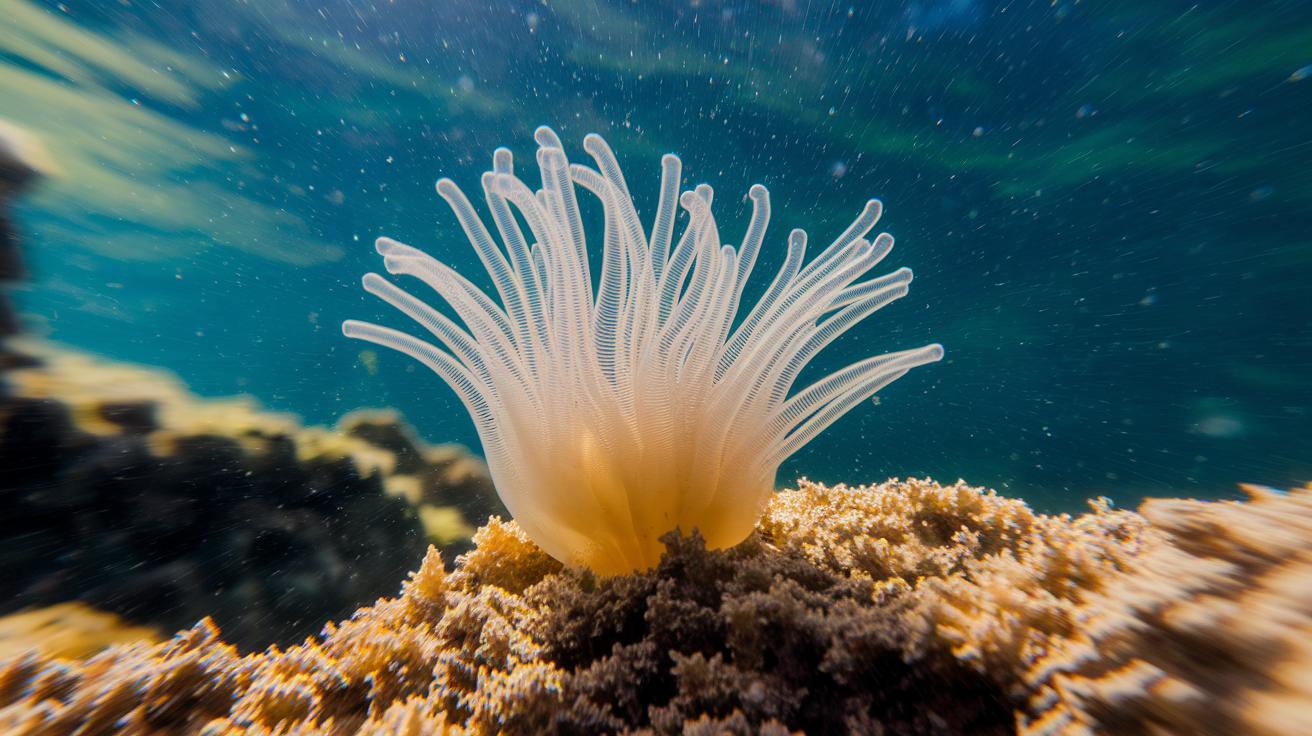
Sea squirts have a unique body design that is both amazing and smart. They come equipped with two special siphons – one to pull water in and one to push it out. As water flows in, it carries tiny bits of food like plankton that the sea squirt catches using a complex basket in its throat. Imagine a little water pump gently filtering bits of food, much like using a kitchen sieve.
Their outer covering, called the tunic, is built from a material known as tunicin. Think of it like a flexible suit of armor that protects them from predators and harsh surroundings while also giving their body structure.
The sea squirt’s feeding is powered by the wiggles of tiny hair-like structures in its throat. These create a steady current that carries in water and food. While growing from larva to adult, sea squirts go through a surprising change – they lose parts like their nerve tube and notochord, which helped the young, swimming version navigate its world. This change is often nicknamed the “brain-eating” phenomenon, even though it’s really a normal part of their growth.
All of these special features help sea squirts thrive as filter feeders, perfectly adapted to life anchored in one spot.
Sea Squirt Life Cycle: Larval Development to Adult
Sea squirts begin their journey in an unexpected way. Their parents release eggs and sperm into the water, and soon after, a tiny larva appears. This little creature, much like a small tadpole, has a tail, a notochord (a basic support rod), and a dorsal nerve cord that lets it swim freely for about 12 to 48 hours. It’s a brief, adventurous swim in its watery world.
After this short ride, the larva looks for any hard surface, a rock, pier, or shell, where it can settle in head-first. Once it finds a cozy spot, it starts a remarkable transformation. Over the next 24 hours, it slowly absorbs its tail and sheds its temporary neural parts, much like letting go of an old way of being. This change prepares the creature to live a quiet, settled life.
When metamorphosis is finished, the sea squirt becomes a filter feeder that stays in one place for the rest of its life, gently cleaning the water around it by catching small food particles. Its life after settling can vary from a few months to over a year, depending on the species.
- Adults gather and release reproductive cells into the water.
- Larvae swim freely with temporary parts like a tail and notochord.
- Metamorphosis transforms the larva into a stationary filter feeder.
Habitat, Distribution, and Ecological Impact of Sea Squirts
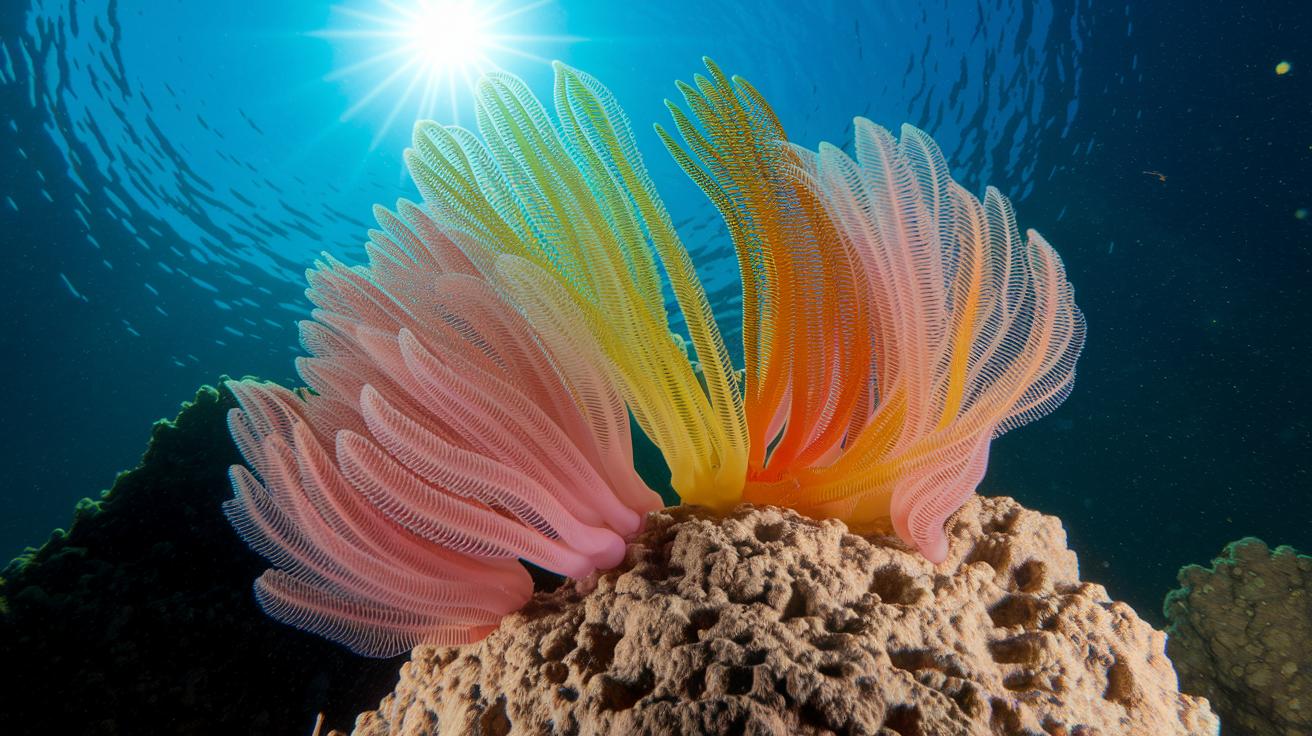
Sea squirts make their homes along coasts around the globe, from cool temperate shores to warm tropical spots. You might see them clinging to rocks, peeking out from piers, or even attached to ship hulls. They settle on all sorts of hard surfaces, each new nook offering a cozy place to live.
These little creatures are busy filter feeders. They draw water in and push it out through twin openings called siphons. As they work, they trap tiny bits of plankton and other particles, almost like a natural water cleaner. Ever watch a small pump in action in your backyard? It’s a bit like that, quietly keeping the water clear and fresh.
Sea squirts also play a key role in their underwater world. Their presence helps maintain a balanced food chain and supports the health of marine environments. But sometimes, species like Didemnum vexillum can take over. They form thick mats that crowd out local species, which can upset the natural flow of the ecosystem.
And then there’s their unique tunic, kind of like a protective coat. Not only does it shield them, but it also has chemicals that ward off would-be predators and keep unwanted buildup at bay. This clever shield is just one of the many ways sea squirts support and thrive in their aquatic surroundings.
Diversity of Sea Squirt Species and Notable Examples
Sea squirts are one of the most varied creatures in our ocean home, with over 3,000 different kinds known to science. They can be found alone, quietly clinging to rocks, or grouped together in lively clusters that bring extra life to underwater scenery. Imagine the gentle dance of water as you spot these hidden gems in nature.
Take the lightbulb sea squirt for example. Also called Clavelina lepadiformis, it lights up under UV light in a way that feels almost magical. Picture walking along a shore at dusk and catching a glimpse of these natural lanterns glowing softly, it’s like a secret underwater party.
Then there’s the sea pineapple. With its hard, bright orange covering, this little marvel (Halocynthia roretzi) is not only a visual treat but also a cherished dish in Korean cooking. Its firm texture and bold color make it as delightful to see as it is to eat.
And we can’t forget the panda sea squirt. This smaller species sports a unique mix of black and white, much like the fur of a panda, showing us nature’s playful side.
| Type | Description |
|---|---|
| Lightbulb Sea Squirt | Glows under UV light, found along UK shores |
| Sea Pineapple | Features a firm, bright orange tunic and is prized in Korean cuisine |
| Panda Sea Squirt | Displays a striking black-and-white pattern, reminiscent of a panda |
These sea squirts blend usefulness with beauty, playing a big role in making our coastal worlds not only vibrant but full of surprises.
2 sea squirt charms with marine curiosity
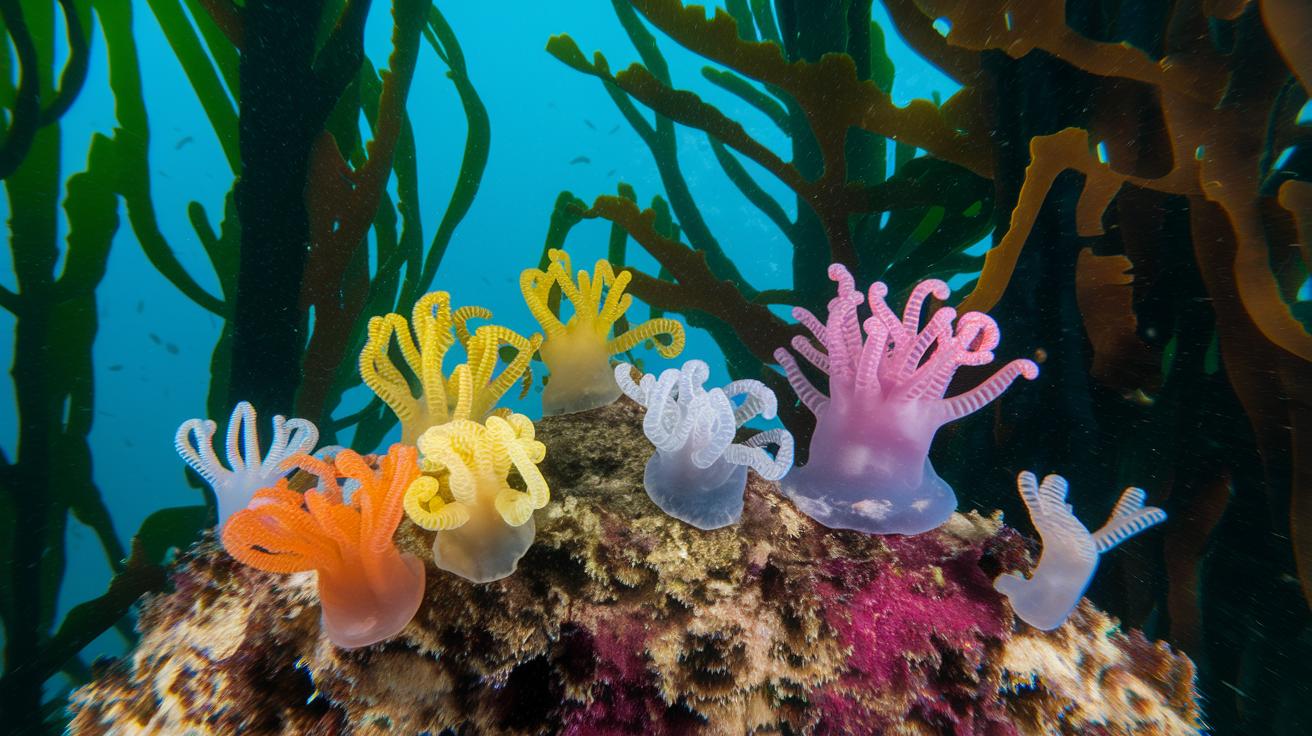
Watching sea squirts can be a real treat. When you're out snorkeling or diving, notice how their paired siphons peek out like little secret messengers from a softly glowing, leather-like covering. It’s like they’re inviting you on an underwater adventure.
Some of the best spots to see these cool creatures are in California’s kelp forests or in the vibrant, coral-filled waters of Papua New Guinea. Even along the rocky coasts of the UK and Mediterranean, you might spot them clinging to submerged surfaces. I always keep a waterproof camera handy, which makes it fun to snap pictures of their unique siphon spots, rich colors, and interesting colony formations.
- Paired siphons show how they feed.
- Their tough, textured tunics protect them.
- The different colony shapes can help you figure out what type they are.
Every dive becomes a new chance to marvel at the wonders of sea squirts, reminding you how mysterious and beautiful our underwater world really is.
Culinary Traditions and Recipes Featuring Sea Squirts
In Korea, sea squirt dishes are a cherished way to connect with the ocean’s bounty. Sea pineapple, or meongge, is often enjoyed raw with fresh, bright orange slices dipped in spicy gochujang. Imagine the gentle crunch of each bite mixed with a tangy kick, it’s like a mini ocean celebration on your plate. I remember the first time I tried sea squirt sashimi; its briny flavor blended with a hint of sweetness truly surprised me.
The taste of sea squirt is refreshingly unique. It has a salty tang paired with a subtle sweetness and a firm, crunchy texture, making it a treat for those who love a mix of flavors and textures. Plus, sea squirts pack about 18 grams of protein per 100 grams, are low in fat, and come with important vitamins like B12 and C. This makes them not just tasty but also a smart choice for a healthy meal.
Here are some ideas to try out in your own kitchen:
- Rinse the outer covering well to remove any bits of debris.
- Slice the sea squirt thinly across its siphons to perfect the sashimi texture.
- Mix things up by making a sea squirt ceviche with a light citrus marinade.
- Toss it in a chilled salad with fresh herbs for a modern twist.
For instance, you can prepare sea squirt sashimi by carefully laying out thin slices on your plate and letting them dip in gochujang. This blend of traditional Korean fare and modern twists not only honors the natural flavors of the sea but also lets your creativity shine in the kitchen.
Research, Conservation, and Future Directions for Sea Squirts
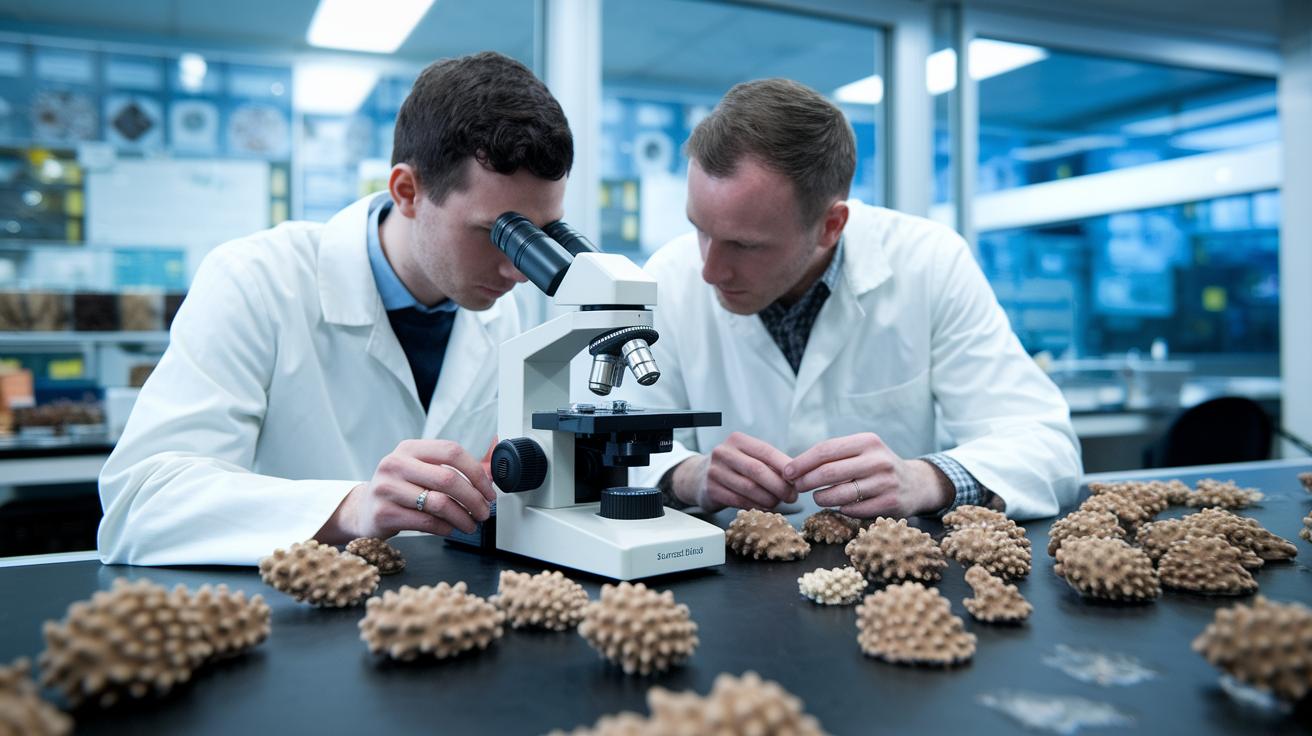
Scientists are diving into the world of sea squirts to learn more about our shared biology. They study creatures like Ciona intestinalis, a tiny marine model that shows us how early chordates developed important features such as the notochord and nervous system. It’s almost like checking an old family album where traits pass down from generation to generation.
Projects on urochordate genomes have found several genes that shape basic body structures. These discoveries help us trace how sea squirts evolved and give us a glimpse into the origins of many other animals. And then there’s the tunic, a natural covering made of tunicin. Research here is sparking ideas in materials science and medicine, hinting at the possibility of new, innovative materials.
On the conservation front, experts are keeping a close watch on sea squirts. They run monitoring programs to track invasive tunicates, which helps protect marine structures and native biodiversity. The focus remains on:
- Research in developmental biology of sea squirts
- Molecular studies on genetic evolution
- Conservation monitoring and environmental studies of tunicates
Final Words
In the action, we explored everything from the sea squirt’s body structure, like its paired siphons and tough, protective tunic, to its impressive life cycle and role as a filter feeder. We also touched on where they live and even their exciting place in kitchen traditions. Each point helps paint a clear picture of these fascinating creatures. Let your curiosity continue to grow as you notice the small wonders of the aquatic world. Enjoy every moment witnessing nature’s true marvels.
FAQ
What is a sea squirt?
The term sea squirt refers to a marine invertebrate that attaches to surfaces like rocks or docks and filters water for food. They live in shallow coastal waters and are part of the tunicate group.
What is the scientific name and phylum of a sea squirt?
The sea squirt is classified under the phylum Urochordata and class Ascidiacea. Its common name represents many species within this group known for their distinctive protective tunic.
What does sea squirt mean?
The name sea squirt is used for these filter-feeding animals that cover themselves in a cellulose-like coat. They play a role in cleaning their marine environment by filtering water.
What is the sea squirt larva like?
The sea squirt larva is tadpole-shaped, swimming freely with a simple notochord and dorsal nerve cord before settling and transforming into its sessile adult form.
What is known about the sea squirt brain?
The sea squirt larva shows a basic neural tube, but during metamorphosis, most of its neural structures are reduced, leaving the adult with a much simpler nervous system.
What are the key features of sea squirt anatomy?
Sea squirts have two siphons—one for drawing water in and one for expelling it—and a pharyngeal basket for filtering. Their protective tunic, made from tunicin, covers and supports their structure.
What type of food do sea squirts eat?
Sea squirts feed by filtering water, capturing tiny plankton and particles. This efficient feeding mechanism not only nourishes them but also helps maintain water clarity.
Are sea squirts edible and what do they taste like?
Sea squirts can be eaten, and in some cuisines they are prized for a briny flavor with a subtle sweetness and a firm, crunchy texture, providing a distinct taste of the ocean.
What is Korean sea squirt?
Korean sea squirt, often called sea pineapple, is an edible tunicate known for its vibrant orange, resilient tunic. It is typically served raw with spicy condiments, celebrating its unique flavor.
Can you have sea squirts as pets?
Sea squirts are unusual pets because they are sessile and depend on very specific marine conditions. They are best appreciated in natural habitats or studied in controlled marine settings.