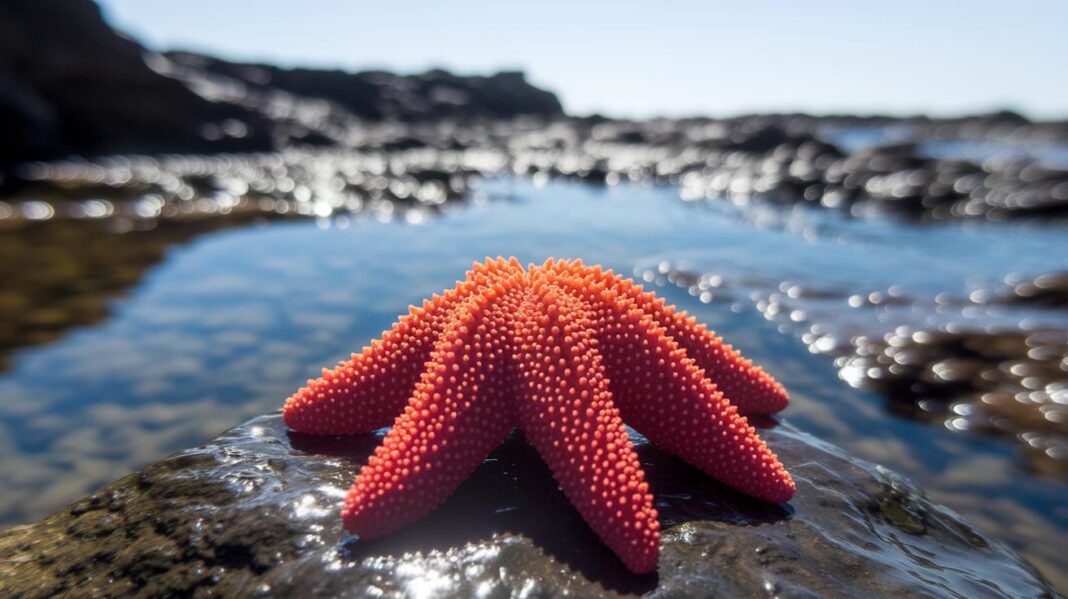

Ever wondered what secrets the deep blue holds? Sea stars are vibrant creatures with arms that spread like rays of sunshine. Their remarkable design does more than just catch your eye, it helps keep underwater life balanced.
These amazing creatures play a big role in managing prey and supporting a lively marine world. I once watched a sea star move slowly along the ocean floor and thought about how smart and caring nature can be.
In this article, we dive into the biology of sea stars, explore their special features, and see just how important they are to our ocean's health.
Sea Star Overview: Biology, Classification, and Ecosystem Role
Sea stars come from the class Asteroidea and are truly fascinating creatures. Today, we call them sea stars instead of starfish because it sounds more exact. They usually have five arms that spread out from a central disc, though some can show off six, seven, or even up to fifty arms. This unique shape works with a water vascular system, a simple network that uses water pressure to help them move and grab food. It’s like nature’s clever design, showing us how body structure and function are beautifully linked in the ocean.
In the underwater world, sea stars are like the keystones that hold the ecosystem together. They keep things balanced by controlling the numbers of mussels, bivalves, and other small prey. Their hunting method is pretty neat: they stick to their targets with tube feet and then digest their meals outside their bodies. This strategy not only makes them stand out among other sea creatures but also helps shape the community from shallow tide pools to the deep seafloor.
- Ochre Star
- Sunflower Star
- Crown-of-Thorns Star
But there’s more to sea stars than just eating. By keeping prey populations in check, they support a healthier and more stable marine community. When you see these colorful wonders thriving, it’s a good sign that the habitat is balanced. On the other hand, a drop in their numbers might signal an underlying environmental issue. In this way, sea stars are truly indispensable, guiding the dynamic and ever-changing rhythm of our ocean life.
Sea Star Anatomy and Adaptations
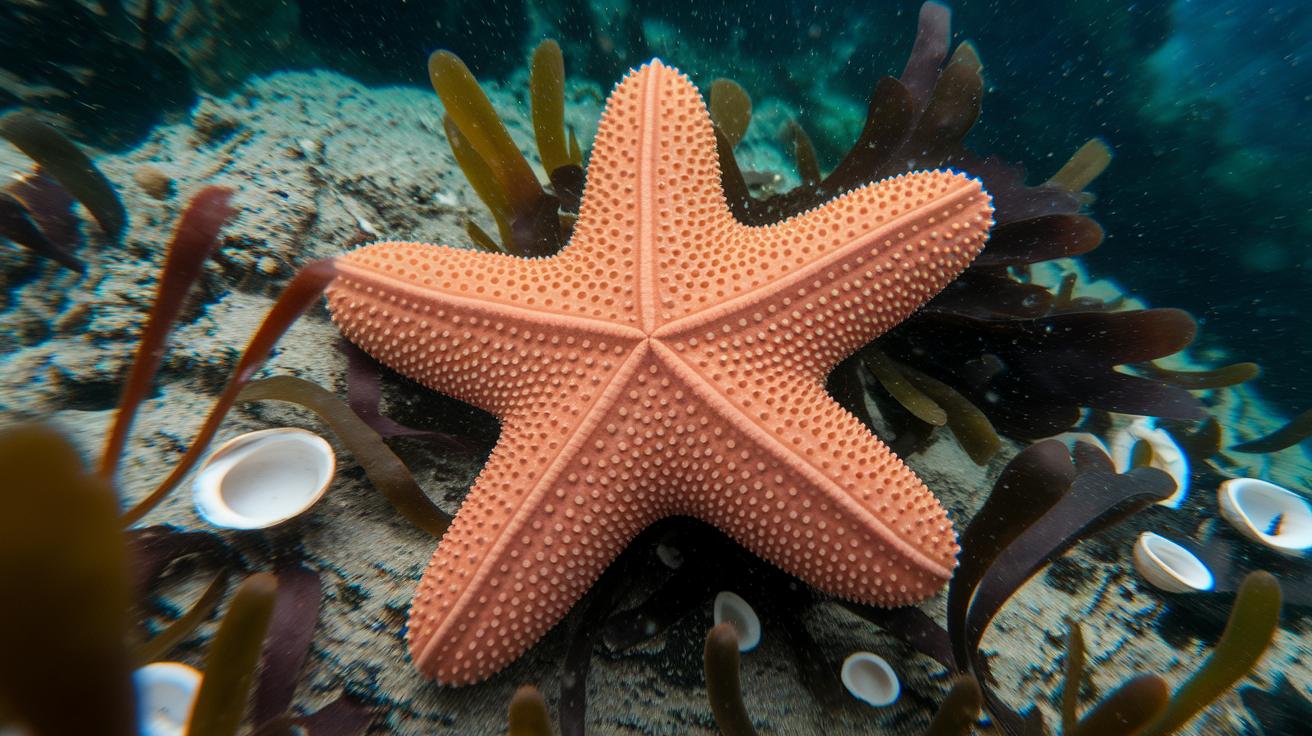
Sea stars are pretty amazing creatures with a unique design that makes them stand out in the vast ocean. Their bodies form a neat five-armed shape arranged around a central disc, almost like the gentle radiance of a lantern under the sea. Each arm is built on little chalk-like pieces called ossicles, which act like tiny bones that give structure and strength while still letting the arms flex. Ever notice how the arms of a sea star work like the spokes of a bicycle wheel, distributing balance no matter which way the current flows?
Then there’s the water vascular system, a natural water pump that keeps everything moving. It all begins at the madreporite, a small gateway where water enters the system. From there, water flows through radial canals to reach hundreds of tiny tube feet tucked into special grooves. These tube feet use water pressure to help the sea star move slowly along the ocean floor and grab food, much like a gentle tide pulling you along. At the end of each arm, sensitive cells help the sea star sense light and chemicals, alerting it to both a potential meal and any incoming danger.
| Feature | Function |
|---|---|
| Madreporite | Entry point where water flows into the vascular system |
| Stone Canal | Channels water from the madreporite to the radial canals |
| Radial Canal | Distributes water along each individual arm |
| Tube Feet | Help with movement and capturing food using water pressure |
| Ampullae | Control water flow to manage the tube feet’s movement |
Sea Star Feeding Habits and Predatory Interactions
Sea stars have a fascinating way of eating that feels as smooth as watching ripples on a quiet pond. They search for their food, like bivalves, snails, and even small fish, by picking up on tiny chemical hints and subtle vibrations in the water. Imagine their little tube feet as nature’s anchors, sticking them firmly to a shell or rock. Once they're in place, they do something truly amazing: they push their stomachs out to wrap around their meal and start digesting it right there.
Their feeding process goes like this:
- Detection – They sense the faintest chemical cues and water vibrations, which guide them to nearby food.
- Attachment – Using hundreds of tube feet, they cling tightly to their prey, much like a gecko clinging to a leaf.
- Stomach eversion – They extend their stomachs over their catch to begin breaking it down outside their bodies.
- Ingestion – After the prey softens from this external digestion, they pull it back in to complete the process.
This clever feeding method not only helps sea stars get the nutrients they need but also plays a big role in keeping the ocean’s food web balanced. Just like a calm, well-kept aquarium, their actions help maintain a steady and healthy marine environment.
Sea Star Reproduction, Larval Development, and Regeneration

Sea stars have a really cool way of making new life. They release eggs and sperm right into the water, a method called broadcast spawning. Once the eggs are fertilized, tiny larvae form, first as a simple bipinnaria and later as a brachiolaria. These little creatures float along with the ocean's currents until they find a cozy spot to settle and grow into young sea stars. This sexual reproduction mixes up their genes, which helps them adapt to different parts of the ocean. And when it’s hard to find a partner, some sea stars can even split in half through a process called fission, where a piece of their body grows into a whole new star. Scientists have noticed that this trick can quickly boost their numbers in lonely stretches of the sea.
Sea stars are also known for another incredible trick: autotomy. When danger is near, they can safely drop an arm to distract predators, and later, that arm grows back just as good as new. It’s like watching a magic show in the water, an amazing reminder of their hardy nature and super regeneration powers.
Larval Stages
As they begin life, sea stars go through a notable change. They start as free-swimming bipinnaria, moving gently like ripples in a pond, then shift into a brachiolaria form as they prepare to settle down. This transition is important for finding the perfect place to call home when they grow up.
Arm Regeneration
If a sea star loses an arm, don’t worry, it can grow back over a few months or even years. This regrowth happens thanks to special cells that start the repair process, showcasing nature’s own way of fixing things.
These amazing regrowth abilities have caught the eye of researchers, who are curious if the same tricks might help in healing human tissues. By studying how sea stars rebuild their lost limbs, we might learn new ways to speed up tissue repair and wound healing, inspired by nature’s own resilient design.
Sea Star Habitats: From Tide Pools to Deep-Sea Zones
Sea stars truly make their home in a variety of watery places. You can find them in bright, bustling tide pools near the shore and even in deep, dark parts of the ocean where the light barely whispers. It’s almost like they’re the ultimate swimmers in an ever-evolving marine dance.
Their homes range from rocky shores to sandy subtidal zones, coral reefs, and even the far-off abyssal plains. Think of it like this: each spot is unique, much like a different branch in a colorful underwater family tree.
In tide pools, water levels and temperatures shift with the ebb and flow of the tide. Sea stars tuck themselves safely under stones or sink into soft sand, much like finding a cozy nook to escape a sudden chill. On the gentle ocean floor in sandy areas, other sea stars enjoy much calmer surroundings.
And in bustling coral reefs or kelp forests, these creatures have plenty of tasty morsels and snug hideouts. Deep in the ocean, where pressure builds and light fades into almost nothing, sea stars have evolved clever ways to thrive. Their impressive ability to handle different temperatures and salt levels makes them true survivors in every watery corner.
Every one of these methods of living enriches the ocean floor, keeping the whole underwater world balanced and vibrant. Isn't it amazing how life adapts, just like the soothing ripple of water over smooth stones?
Threats and Conservation: Disease, Habitat Loss, and Protection Efforts

Wow, sea star wasting disease has really taken its toll on these beautiful creatures. This sickness, which quickly hollows out their tissues, has scientists scratching their heads as they study tiny genetic clues to figure out why some groups get hit harder than others. It’s like watching a once-bright tide slowly lose its shimmer.
At the same time, our busy coastal developments and pollution are making life tough for sea stars. Imagine their natural homes getting squeezed by careless runoff and expanding cities, it's as if human activities are pushing these delicate beings into a shrinking world. And with warmer ocean temperatures adding extra stress, these sea stars find it even harder to thrive.
- Marine protected areas act like cozy underwater hideaways where sea stars can safely reproduce and keep their home balanced.
- Captive research programs let scientists create a controlled space to watch how sea stars react to disease, sort of like setting up a mini underwater lab to discover survival tricks.
- Keeping a close watch on water quality is key. It works like an early alarm system that warns us when the water starts getting too polluted or warm.
Local community projects are also making waves by inviting passionate ocean lovers to help monitor sea star populations. This team effort not only spreads the word about these marine treasures but also strengthens the push for even more conservation work, keeping our ocean friends safe and our underwater world as magical as ever.
Aquarium Care for Sea Stars: Setup, Maintenance, and Ethical Considerations
When you set up a home for your sea stars, think of it as creating a mini ocean oasis. Start with a tank that closely mimics their natural habitat. The water should have a salinity of about 1.023 to 1.025 SG, be comfortably warm between 72°F and 78°F, and maintain a stable pH with plenty of oxygen. A tank with a sandy or rocky bottom gives sea stars a secure place for their tube feet, almost like the gentle grip of a tide on the shore. Choosing the right aquarium, pump, and overall gear is like recreating that peaceful, flowing rhythm of the open sea right in your living room.
Feeding sea stars is just as important as setting up the perfect environment. They thrive on a simple menu of mussels or specially prepared meaty foods. Keeping a regular feeding schedule not only helps your sea stars stay healthy, but it also prevents overfeeding that could upset the delicate balance of the water. Remember to remove any leftovers promptly so that unwanted waste doesn’t build up. And when it comes to sourcing your sea stars, always opt for ethical suppliers who help ensure that wild populations remain strong and sustainable.
- Routine water changes keep your tank fresh and well-oxygenated.
- Checking that any tank mates are compatible helps avoid stressing your sea stars.
- Monitoring water quality closely helps catch potential issues early.
- Ethical sourcing supports responsible breeding and protects wild populations.
- Choosing the right substrate gives sea stars a dependable grip for their tube feet.
Final Words
In the action, we chatted about sea star biology, unique anatomy, and feeding habits, and how they keep our oceans balanced. We touched on reproduction, habitats, and ways to care for them ethically in home aquariums.
This post tied together science, care tips, and conservation efforts with real-life insights for a cleaner underwater space. Every detail builds a better picture of a healthy environment for your sea star and other aquatic pals. Enjoy bringing this underwater rhythm into your realm!
FAQ
What is the difference between a sea star and a starfish?
The difference between a sea star and a starfish is that the term “sea star” reflects updated scientific understanding and classification, highlighting its nature as an echinoderm with unique biological features.
Can I keep a sea star as a pet?
While it’s possible to keep a sea star as a pet, they require very specific water conditions, careful tank setups, and ethical sourcing to ensure their delicate needs are met.
What does a sea star eat?
Sea stars mainly consume mussels, bivalves, and snails by using tube feet to attach to prey and externalizing their stomach for digestion.
What are 10 facts about starfish?
This covers key points such as their typical five-arm design, water vascular system, regenerative abilities, diverse species, updated classification as sea stars, and their role in controlling mussel populations.
What is the sea star scientific name?
Sea stars belong to the class Asteroidea, a group recognized for their radial symmetry and specialized water vascular systems in marine ecosystems.
What exactly is a seastar?
A seastar is a marine echinoderm typically characterized by five arms, a hydraulic tube feet system, and plays an essential role in supporting balanced ocean environments.
What is a sunflower sea star?
A sunflower sea star is a large species known for its numerous arms and bright appearance, playing a key role in its habitat by preying on mussels and other invertebrates.
What is a sea star aquarium?
A sea star aquarium means setting up a marine tank with controlled salinity, temperature, and proper substrate to create a natural-like environment where sea stars can thrive.
What are sea star shoes?
Sea star shoes are a footwear style inspired by the distinct shape and texture of sea stars, merging marine design elements with modern fashion trends.
What is the Sea Stars game?
The Sea Stars game is an engaging digital game featuring sea star characters and underwater adventures, designed to entertain and spark interest in marine life.