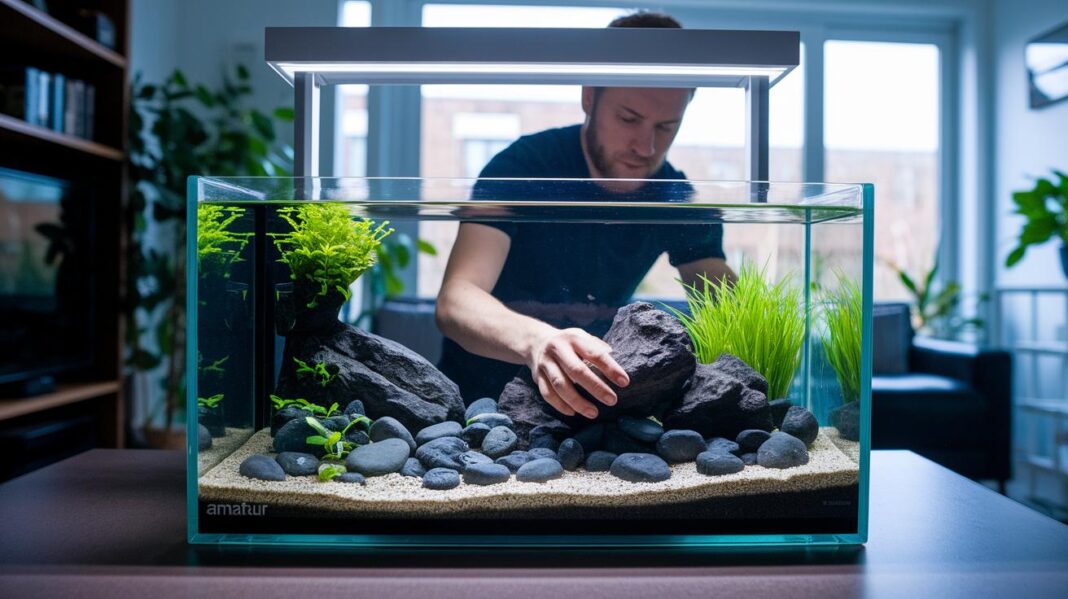

Have you ever thought that your fish might need their own little space to relax and recover? A small quarantine tank can be just the right hideaway for them.
When it’s set up properly, it creates a safe spot that keeps any pesky germs from mingling with your main display tank. Next, you'll find a simple guide with easy steps to build a clean, budget-friendly retreat for your aquatic pals.
Just imagine your fish enjoying a private, peaceful nook, kind of like their own underwater spa. Isn't that a comforting thought?
Key Steps for Quarantine Tank Setup for Fish
When you set up a quarantine tank, you’re giving your new or unwell fish a safe, separate home. This helps protect your main display by keeping the water clean and preserving the helpful bacteria. A quarantine tank usually holds between 5 and 30 gallons and should have a secure lid or glass top, just in case your fish like to jump. It’s best to place this tank at least 3 feet away from your main aquarium or in another room on a stable surface. Smaller tanks use less water and medicine, making any treatment easier on your wallet.
Follow these simple steps:
-
Choose a Tank Size and Spot
Pick a tank that fits the type of fish you need to quarantine. A clear plastic tub or a regular aquarium works just fine. Find a spot on a firm surface, far from any splashes coming from your main tank. -
Set Up Heater, Filter, and Lighting
Install a submersible heater and a simple filter, one that runs on air and doesn’t have extra media, to keep the water clear. Add the right lighting so your fish feel at home, almost like the gentle glow of a morning tide. -
Prepare and Cycle the Water
Treat your tap water with a conditioner, and then let it cycle until the ammonia and nitrite levels drop to zero. Think of it as letting the water settle like a quiet pond after a rainstorm. -
Add Décor and Hiding Spots
Include safe decorations like PVC tubes, plastic ornaments, or ceramic pieces that are easy to clean. These serve as cozy hideaways, much like a reef crevice where small fish might find shelter. -
Keep an Eye on Water Quality
Regularly check the water temperature, pH, and other quality markers to make sure everything remains balanced, just like tuning into the gentle rhythm of a flowing stream. -
Introduce Your Fish and Watch Closely
Once you’re sure the water conditions are right, add your fish to their new temporary home. Keep a close watch on them to see how they behave and feel. It’s a bit like getting to know a new friend all over again.
For all the needed tools, you can look at "aquarium fish supplies." Enjoy your little aquatic adventure!
Choosing the Right Size and Location for Your Quarantine Tank
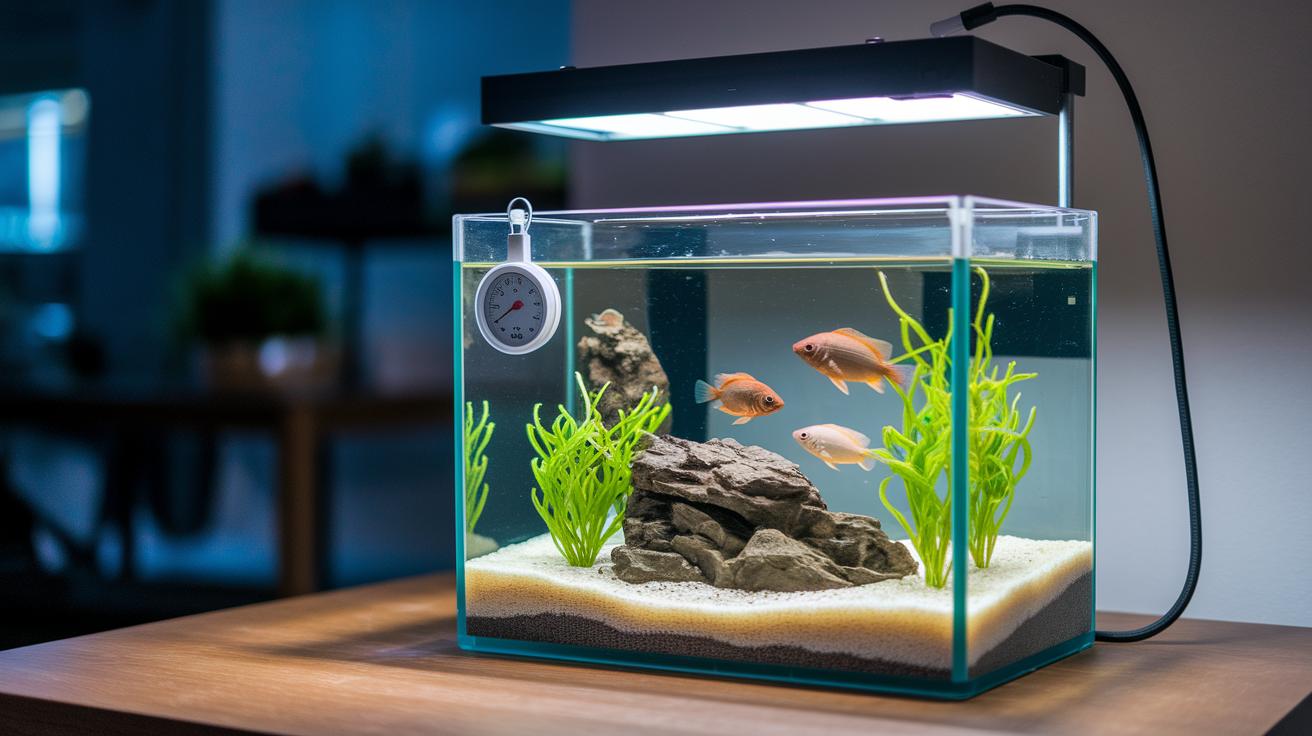
When setting up a quarantine tank, you need to choose a size that fits the fish you want to keep isolated. For example, bettas are happy in a cozy 2.5 to 5 gallon setup, while koi need an impressive 250 to 500 gallon space. Other fish like goldfish and cichlids have their own needs, so picking the right size is like choosing the perfect home for each friend.
A smaller tank means less water to treat, which can lower costs when medications are needed. It also makes it easier to manage any health issues that come up. And really, who doesn’t appreciate a simple solution when caring for their aquatic pals?
Place your quarantine tank on a stable stand and keep it at least 3 feet away from your main display. This spacing helps reduce the risk of splash-spread germs reaching your healthy fish. If possible, set the quarantine tank in a separate room for extra peace of mind, like a private sanctuary for your fish.
By carefully selecting both the tank size and location, you’re giving your fish a safe environment to recover in. Remember to keep an eye on the water quality, just like tuning in to the soft murmur of a filtration system, so every fish feels as comfortable as possible.
Essential Equipment Checklist for Fish Quarantine Tanks
First, gather the tools that help create a safe and healthy home for your quarantine tank. A sponge filter or a small internal filter is a must. An air-driven sponge filter, for example, mimics the soft flow of a natural stream. Just keep it free of extra media. If you use media from your main tank, make sure you sterilize it so no unwanted germs join the party.
Next, add a submersible heater that keeps the water at about 78°F. This steady warmth boosts your fish’s immune response without overheating things. Think of it like a trusted kitchen tool that cooks your meal just right. A reliable thermometer is key, too, it lets you check that the water stays as welcoming as a gentle bath.
Remember to keep separate tools just for the quarantine tank. Use nets, a gravel siphon, and an algae scrubber that are only for this setup. Label or color-code them to stop any mix-ups that might send contaminants back to your main tank. And after you work on your quarantine setup, wash your hands as carefully as you’d rinse a fresh fruit.
Finally, cover your tank with a lid or glass top. This protects your fish by keeping them safely inside, stopping any unexpected leaps, much like a safety cover on your favorite appliance.
| Equipment | Description |
|---|---|
| Sponge filter or small internal filter | Mimics the gentle flow of a natural stream without extra media |
| Submersible heater | Keeps water at around 78°F to support your fish’s health |
| Reliable thermometer | Ensures the water temperature stays just right |
| Separate nets, gravel siphon, algae scrubber | Use only for the quarantine tank to prevent mix-ups |
| Lid or glass top | Keeps your fish safely contained |
Preparing and Cycling Water in a Quarantine Aquarium
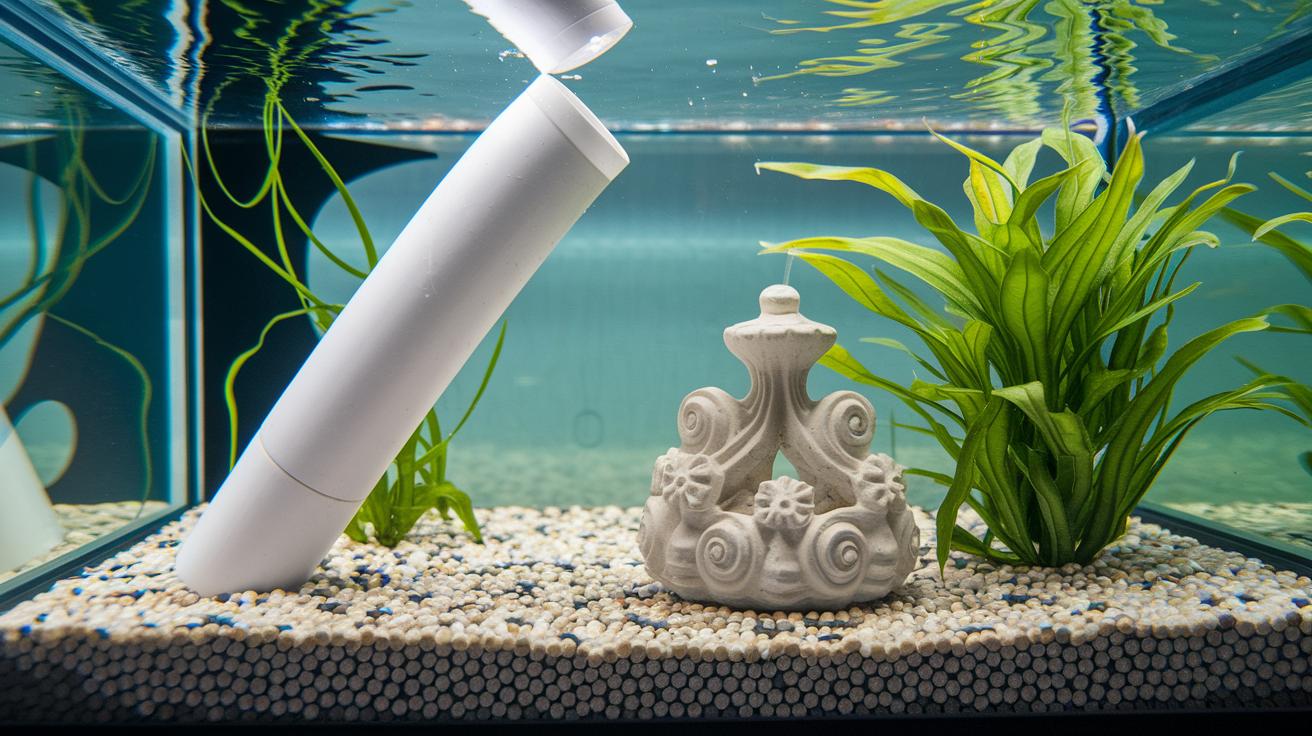
Begin by treating tap water with a conditioner like aquaLife Complete (or Procondition if you're using copper) to remove chlorine. If your fish are comfortable with a little salt, add a small amount of aquarium salt. Think of it like giving your water a refreshing splash on a warm day.
Next, help the tank build its own cleaning team by cycling it with filter media from your main aquarium or a bacteria starter. This process grows a colony of friendly bacteria that quietly break down waste, kind of like a team of tiny cleaners working behind the scenes. You can also add specific water treatments to support this process without stressing your fish.
Keep a close eye on your water by testing its condition every day. Check for ammonia, nitrite, nitrate, pH, kH, gH, and temperature until you see that both ammonia and nitrite have dropped to zero. Picture an ammonia spike as a sudden alarm that reminds you to wait before adding more fish.
- Treat tap water with a conditioner and add a little aquarium salt if your fish can handle it.
- Build biological filtration using media from your main tank or a bacteria starter.
- Test for ammonia, nitrite, nitrate, pH, kH, gH, and temperature every day.
- Wait until both ammonia and nitrite levels are zero before introducing fish.
Setting Up Safe Décor and Hiding Spots in Quarantine Tanks for Fish
Designing your quarantine tank with secure spots really helps your fish feel at ease while cutting down on stress. Try using items like PVC tubes, sturdy PVC fittings, plastic ornaments, or ceramic pieces that offer comfy nooks for your fish. These smooth, non-porous items are super easy to clean between medication sessions, which keeps everything in tip-top shape. One idea is to add a PVC tube that works like a little cave, fish love having a secret hideaway when they’re feeling overwhelmed.
Avoid using décor like gravel or calcium-rich rocks because they tend to soak up medications and trap unwanted residues, which can make treatments less effective.
- Use PVC tubes and large PVC fittings
- Use plastic ornaments and ceramic pieces with smooth surfaces
- Avoid porous materials such as gravel or calcium-based rocks
This simple strategy blends safe hideouts with easy-to-clean décor so you can maintain a healthy treatment environment for your fish.
Routine Maintenance and Water Change Schedule for Quarantine Tanks
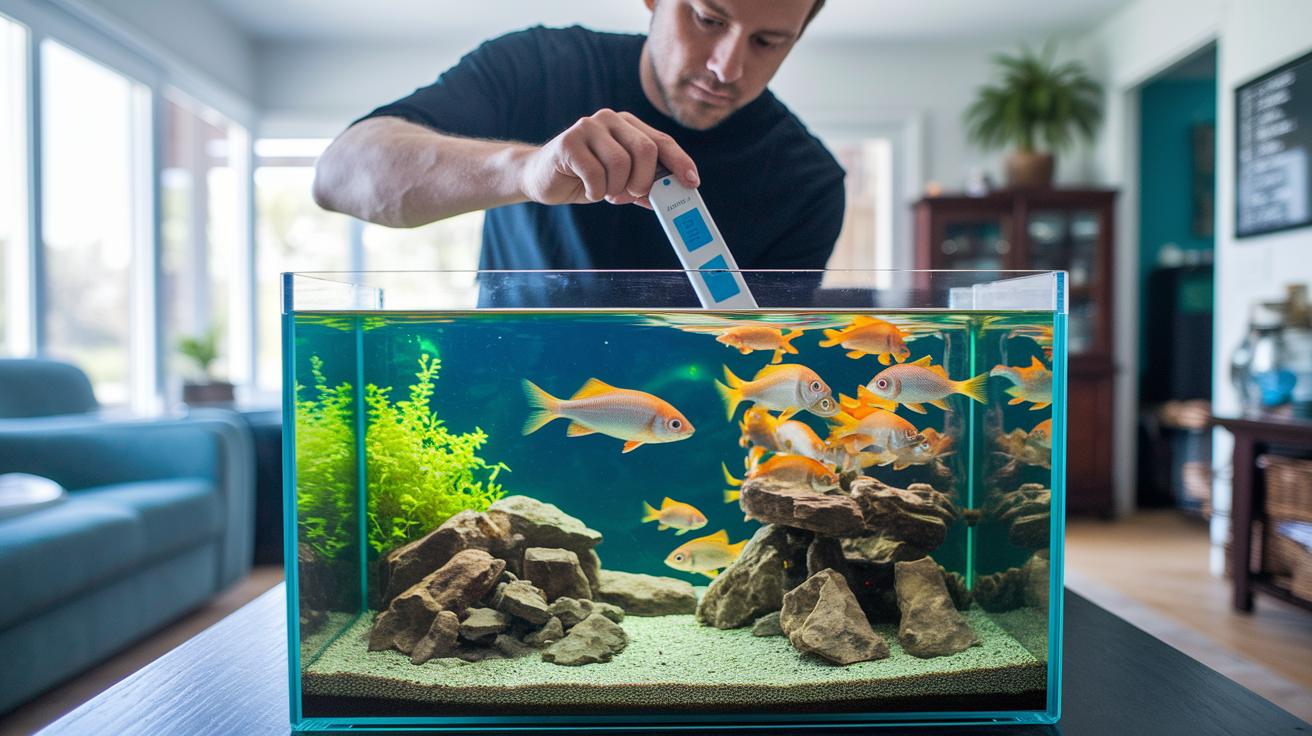
To keep your quarantine tank happy and healthy, you need to test your water every day. It’s a bit like giving your fish a morning checkup to ensure the water is fresh and safe. I like using a trusted testing kit to measure things like ammonia (which can be harmful), nitrite, nitrate, pH levels, kH and gH (which tell you about water hardness), and even temperature. Doing this daily helps you spot any changes right away so you can keep the tank just right.
Check your water parameters every day to catch any sudden shifts. Every 2-3 days, try changing around 25-50% of the water. And if you notice spikes in ammonia or nitrite, it’s a sign to perform a water change sooner rather than later.
After changing the water, treat the fresh supply with a tap water conditioner, and add a little aquarium salt if your fish can handle it, to balance everything out. Also, adjust the pH to match your fish’s needs, keeping the environment comfortable and stress-free.
By sticking with these routine steps, you help the good bacteria flourish while keeping harmful chemicals in check. In truth, this regular care creates a clean and healthy space for your fish, just as a well-tuned instrument stays in perfect rhythm.
Preventing Cross-Contamination and Ensuring Tank Isolation
Mix these handy reminders into your equipment checklists. To make each tank safe, always keep separate tools and stick to a solid cleaning routine.
- Keep one set of nets, siphons, and scrubbers only for the quarantine tank. Think of it like keeping a special brush just for a prized project.
- Give your quarantine gear a quick sterilizing rinse right after each use, almost like a refreshing shower before they meet the water again.
- Wash your hands before and after working with the quarantine tank. Imagine washing your hands as carefully as you would rinse fruit before eating.
- Don’t swap filter media or other tools between tanks unless you’ve disinfected them completely.
These simple tips, added to your regular maintenance list, help keep your tanks separate and create a safe space for your aquatic friends to recover.
Monitoring Fish Health and Troubleshooting Quarantine Issues
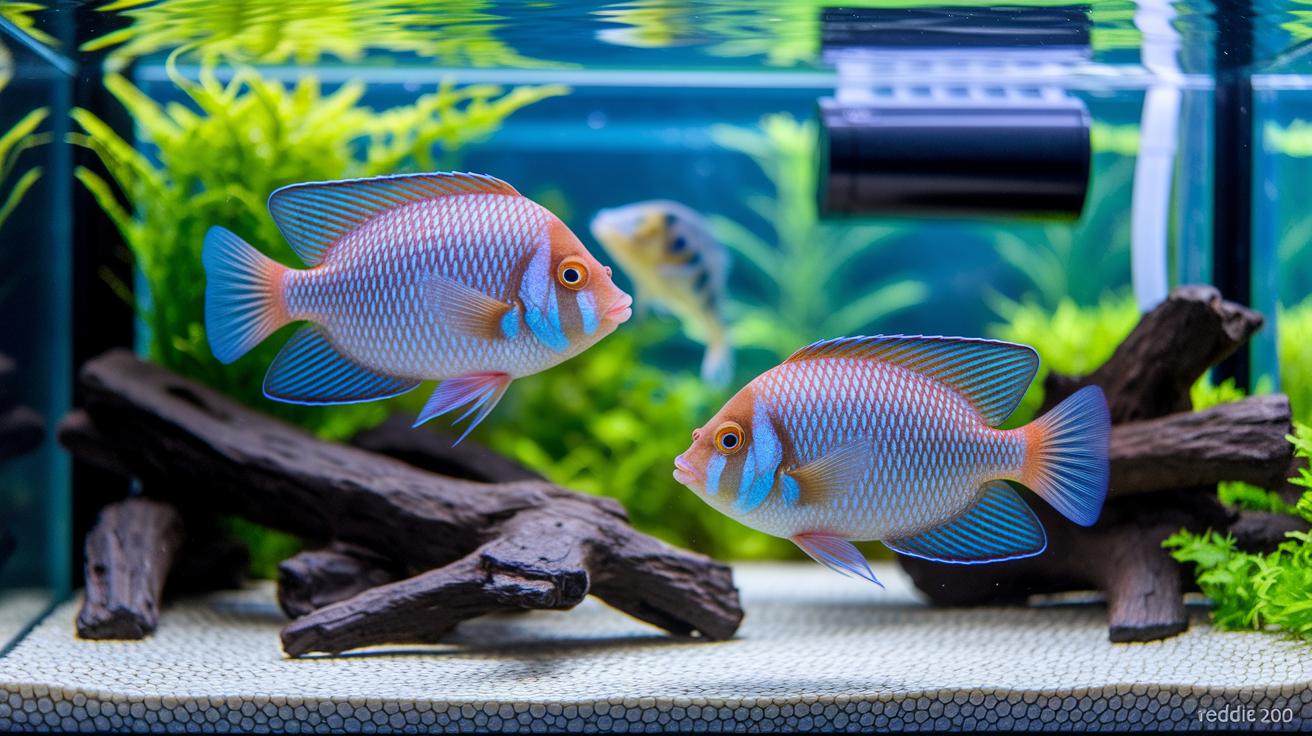
Take a moment every day to check on your fish. Watch out for little white dots, torn fins, or fuzzy patches that might mean a problem. If you spot any of these signs, it could be time to change up your tank routine. For instance, if your fish seem stressed, try doing more water changes or tweak the heater so the temperature stays steady. Even a small tweak can help your fish feel better.
Only medicate once you're sure what's wrong. It’s best not to use medicine just in case, because that might make germs stronger. When you need to treat an illness, use just enough medicine to work properly in the smaller water volume of a quarantine tank, kind of like using the right pinch of salt in your favorite recipe.
Here are some steps to follow:
- Check your fish every day for signs like tiny white dots (ich), damaged fins, or odd patches.
- Monitor your water parameters regularly to make sure everything is safe.
- If the water quality looks off, do extra water changes or adjust the heater.
- Only use medicine once you’re sure of the illness, and keep to the lowest dose that works.
- Continue checking closely to see that the treatment is doing its job.
By keeping an eye on these details, you can catch problems early and help your fish recover in a calm, safe environment.
Advanced Methods for Large and Saltwater Fish Quarantine
When you're setting up quarantine for bigger freshwater or saltwater fish, a regular tank can do the job with a few clever tweaks. Start with a Tidal filter that keeps the water clear and gently flowing, almost like a calm river. Lowering the water level is a smart move, it cuts down on spray, so tiny droplets carrying germs don't hop into another tank. And specialized gadgets help you keep a close watch on water quality and temperature, making it easier to care for a larger system.
For extra peace of mind, add a Seachem Ammonia Alert. This little tool lets you spot any ammonia build-up almost instantly. Pair it with an Aquatop magnet thermometer for a quick, accurate read on the water temperature. Together, these devices work like a team to ensure your fish feel right at home, even in a bigger setup.
To give your tank a head start in developing a healthy bacterial community, treat it with a product like BioMatrix or Activate by aquaLife. Think of these as your friendly sidekicks; they speed up the cycling process so your tank becomes a safe space for larger or marine fish.
- Use a standard aquarium with a Tidal filter
- Keep water levels low to reduce spray
- Add a Seachem Ammonia Alert and an Aquatop magnet thermometer
- Seed with BioMatrix or Activate by aquaLife
Final Words
In the action, we covered key steps for setting up a quarantine tank for fish, from choosing the tank size and location and installing vital equipment to preparing water and adding safe décor. We talked about cycling water, monitoring fish health, and keeping a strict routine to prevent disease spread. Each step is like a careful brushstroke that adds to your overall aquatic masterpiece. With clear tips and practical advice, the pathway to a healthy tank is bright and promising. Happy fish keeping!
FAQ
How do I set up a quarantine tank for fish, including sick, new, and saltwater fish?
The process of setting up a quarantine tank involves choosing an appropriate tank size and location, installing key equipment like a heater, filter, and lighting, cycling the water, and adding safe décor to give your fish a cozy space.
Does a quarantine tank need to be cycled?
Yes, cycling a quarantine tank is essential as it builds beneficial bacteria that manage ammonia and nitrite levels, creating a stable environment for fish health.
How long should I quarantine fish before adding them to my main tank?
Quarantining fish for at least 2-4 weeks allows you to observe their health and treat any issues, ensuring they won’t harm your main tank when introduced.
Do I need substrate in a quarantine tank?
You can set up a quarantine tank without substrate to simplify cleaning. Using smooth décor or PVC tubes provides hiding spots without interfering with medication treatments.
How can I quarantine fish if I don’t have a dedicated tank?
It’s best to use a small tank or clear plastic tub to quarantine fish. This isolation minimizes disease spread and makes treatments more practical when a separate system isn’t available.
What products are recommended for treating fish during quarantine?
For fish treatments in quarantine, products like Fritz Mardel Maracyn Oxy, Fritz ParaCleanse, Seachem ParaGuard, API Melafix, API Fin & Body Cure Powder, and Fritz Mardel Coppersafe can help manage infections and parasites effectively.