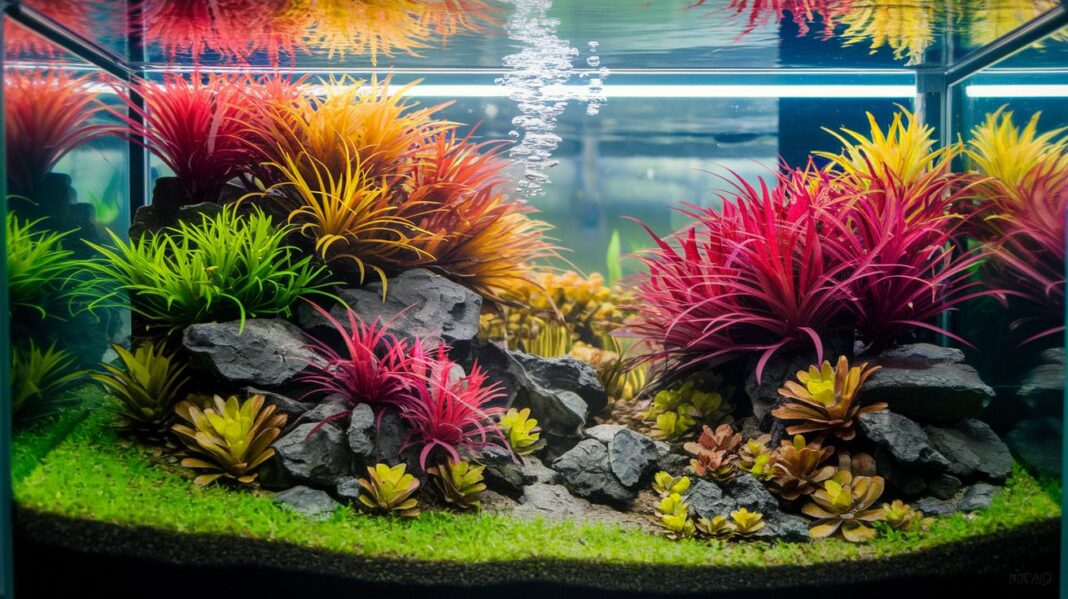

Have you ever wondered if a lab could craft perfect greenery for your tank? These tissue culture aquarium plants are grown in super clean settings, which means they’re totally free from any pesky bugs.
Every little plant is a perfect clone of a healthy parent, so your tank gets a uniform, balanced look. It’s like nature’s own masterpiece, a calm underwater garden that not only delights your eyes but also keeps your sensitive fish friends safe.
Tissue Culture Aquarium Plants Brighten Your Aquatic Haven
Tissue culture aquarium plants are grown from tiny pieces taken from a healthy parent plant, all nurtured in a super clean, nutrient-packed lab setting. This process copies every little detail of the original plant perfectly, so every plant you get looks exactly like its parent. And because they are raised in a controlled environment, you won’t find any pests, pesticides, or algae with them. This makes these plants a great choice if you have sensitive tank mates like shrimp. Fun fact: every tiny plantlet is checked in the lab to make sure no unwanted critters, like planaria or snails, join your aquarium party.
These lab-grown plants help ensure your freshwater tank has top-quality, clean greenery. Their even look and steady growth mean you can design a beautiful underwater garden that feels right at home. When you add these to your tank, it’s not just about the look, it’s about creating a peaceful space that shows the perfect blend of nature and science. Picking tissue culture plants means you're setting up an aquarium that sparkles with natural charm and gives you peace of mind.
Key Benefits of Tissue Culture Aquarium Plants

When you choose tissue culture plants for your tank, every plant comes out looking just like its parent. Imagine this: each tiny plant emerges in perfect shape and color, creating a neat and balanced look in your aquascape.
Every small tissue culture cup can burst with dozens of healthy new plants. This method is a smart, budget-friendly idea, especially for species that are usually fussy to grow, like Cryptocoryne or Bucephalandra. It’s like having a little treasure chest that fills your tank quickly with lush greenery.
Since these plants grow in a spotless, controlled environment, they’re naturally free from algae and pests. This means less worry for you and more time to enjoy the shimmering life in your aquarium.
Comparing Tissue-Cultured and Traditional Aquarium Plants
Tissue culture plants are like tiny gems grown in little, clean cups under very careful lab conditions. Each little plant is an exact copy of its parent, so you get a neat, matching look every time. When you introduce them to your tank, they may seem to "melt" a bit as they trade the nutrient-rich gel for your water. It’s a bit like watching a fish adjust to a new home.
On the other side, traditional potted or bunched plants come with grown roots that offer an immediate splash of greenery. They give you that instant wow factor but might also bring along unwanted guests like snails or algae since they’re grown in less controlled spots.
So, if you’re setting up your tank, think about what matters to you more: a clean, controlled start with patience or a quick boost of lively greenery that might need a little extra care.
| Feature | Tissue Culture Plants | Traditional Plants |
|---|---|---|
| Size on Purchase | Tiny, neat plantlets | Fully grown with a fuller look |
| Root Establishment | Not fully developed | Strong, established roots |
| Pest Risk | Very low, grown in sterile conditions | Higher, could bring pests |
| Cost per Plant | More plantlets for less money | Generally pricier for one plant |
| Acclimation Time | Takes longer to adjust | Ready to enjoy almost immediately |
Think of choosing between these two like picking between slow and steady care or an instant burst of beauty. Tissue culture plants may need a little extra time to get used to their new watery life, but they keep your tank super clean. In contrast, traditional plants bring vibrancy right away, though you might need to watch for any tiny hitchhikers. Either way, your tank setup can be turned into a beautiful, calming aquatic haven.
Popular Tissue-Cultured Aquarium Plant Species
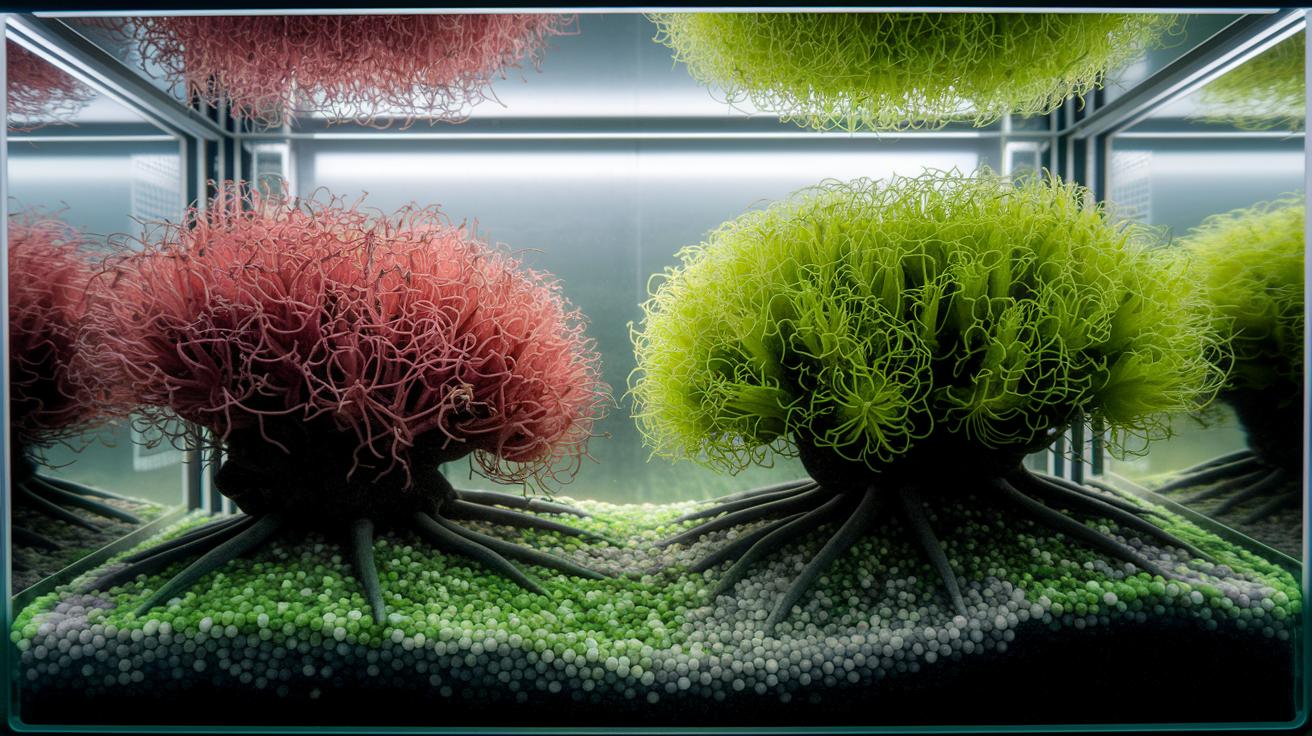
Tissue culture aquarium plants are a fantastic pick if you're looking to craft a breathtaking underwater scene. Grown in a super clean lab, each plant mirrors the best traits of its parent. That means they come out looking just right in size, color, and shape, plus, they stay free from any unwelcome hitchhikers.
Many fish fans choose these plants because they're dependable and easy to add to your tank. It’s like nature’s finest art delivered in tiny, neat packages that can turn your tank into a peaceful retreat. Some types work great for creating a lush, green carpet, while others add unique shapes that pop in a busy aquascape.
Whether you're just starting out or have years of experience, you'll appreciate their steady growth and low upkeep. It’s almost like watching a gentle current that brings out the natural beauty of your underwater world. Here are some favorites to consider:
- Anubias
- Bucephalandra
- Java moss
- Monte Carlo
- Cryptocoryne
How Tissue Culture Propagation Works for Aquarium Plants
We start by choosing small, healthy plant pieces called explants that show no signs of damage. After giving them a careful clean, we place these explants into a nutrient-rich gel, much like setting up a mini underwater garden with just the right ingredients for success.
After settling in, the explants form a soft mass of cells known as a callus. Think of this like the first strokes on a blank canvas, slowly beginning to reveal a picture. In a cozy, palm-sized cup with just the right light and gentle warmth, these cells start to form little shoots and roots, all without the need for seeds.
Next, the focus shifts to growing new shoots. This stage is all about the perfect mix of nutrients and a calm environment that encourages each tiny leaf and root to emerge. Every sign of new growth is a cheerful confirmation that everything is working as it should. Meticulous cleaning of tools and careful checks keep pesky intruders at bay, ensuring the process flows smoothly.
Finally, as robust roots take hold, the baby plants mature into mini versions of their parent plants. A clear, almost shimmering gel signals that the tissue is fresh and thriving. This step-by-step method makes sure you get exact, healthy replicas that will soon bring a burst of clean, pest-free greenery to your aquarium.
Acclimating and Caring for Tissue Culture Aquarium Plants
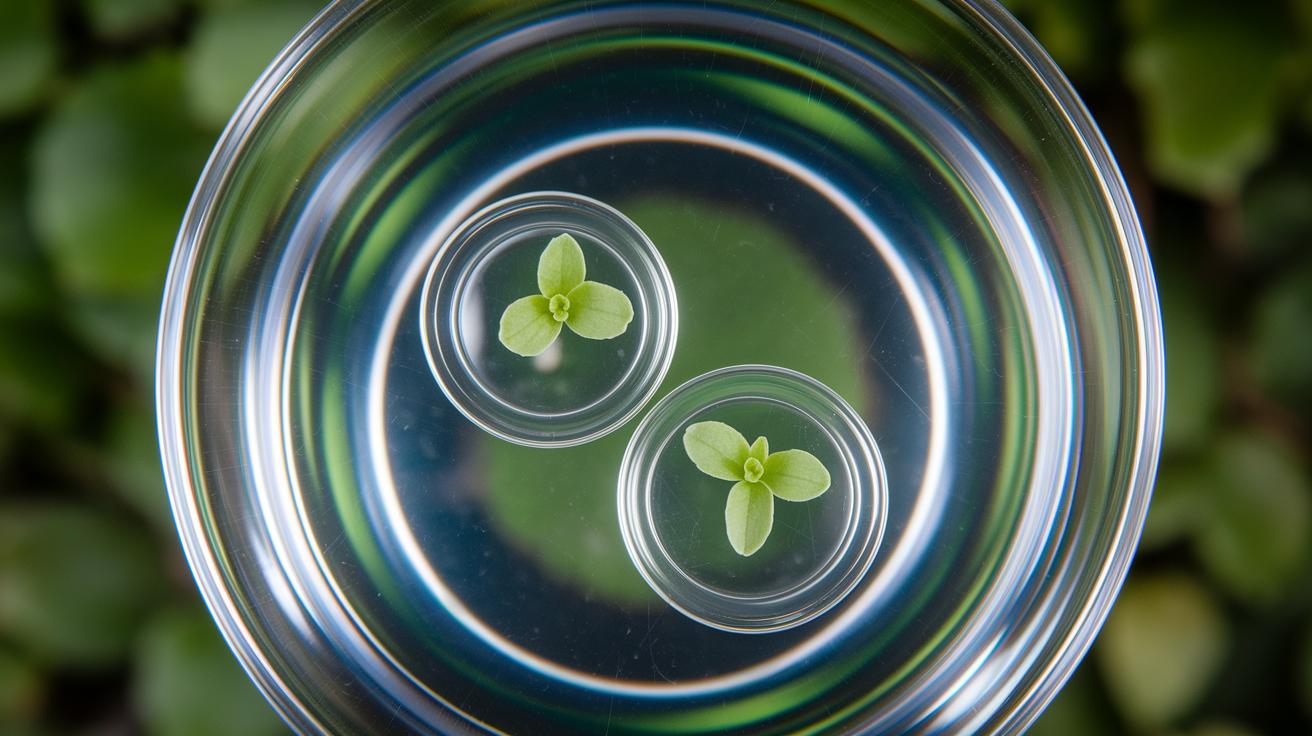
Before you plant your new tissue culture plantlets, give them a gentle rinse in water without chlorine. Think of it like washing fruit before you eat it. Fill a shallow bowl with dechlorinated water and let your little plants soak for 30–60 minutes. This helps even out the temperature and pH, making the change less stressful for them.
Next, try the float-cup method. Simply place the plantlets in a small container that floats on the water so they can slowly adjust to the new environment. As you watch them settle in, gradually add more light and CO₂. A small drop in pH, about one unit, can really help them grow strong. It’s like watching them take their first gentle steps into a warm pool.
Fresh tissue culture cups come with a pale, clear gel that’s totally normal. When you add these to a well-established aquarium, you’ll see very little melting of the gel. Patience is key here, as these lab-grown plants carefully adjust to their new home. Keep a close eye on the water’s temperature and pH, and soon your tank will glow with vibrant, healthy aquatic greenery.
Purchasing and Availability of Tissue Culture Aquarium Plants
You can find in-vitro-grown plants through online vendors and specialty aquascaping stores, where many sell tissue culture cups brimming with multiple tiny plantlets. This means you pay a price close to that of a single potted plant, but you get several little green friends instead.
When your kit arrives, take a close look at the gel surrounding the plants. Fresh, healthy growth shows up as pale, clear gel, much like the gentle shimmer of sunlight on a calm pond. But if the gel looks dark or brown, that might signal the plants have been waiting a bit too long before reaching you.
It’s a good idea to shop with trusted providers who follow strict quality controls. This way, you lower the risk of ending up with weak, underdeveloped species that might struggle to thrive in your tank.
By checking the plant count and gel quality when your kit arrives, you help ensure you bring home vibrant, pest-free plants that will flourish in your aquatic haven. Enjoy setting up your underwater world, and let those little plantlets add a refreshing touch of nature to your aquarium!
Common Troubleshooting for Tissue Culture Aquarium Plants

Sometimes, your tissue culture plants might start to soften or melt when they adjust to your tank’s water. This usually happens because a bit of the leftover gel on their leaves stops the water from moving in and out properly. It can also be due to sudden changes in temperature or pH, kind of like stepping from a warm room into a chilly breeze. A gentle rinse in dechlorinated water and a slow introduction to your tank can really help them settle in.
When you’re picking tissue culture plants, you might end up with batches that aren’t fully developed. Plants from less-experienced suppliers can show survival rates as low as 30 to 40 percent. To be safe, go for cups with a light, clear gel that signals freshness and healthy growth. Rinsing them thoroughly and easing them into your tank’s water chemistry can help avoid big pH swings. Adjusting CO₂ levels slowly also gives these young plants a smoother start and less stress.
Keep an eye out for any odd discoloration on the gel or plant tissues, as this might mean there’s contamination. If you see dark or brown gel, it’s best to discard those culture cups to keep your tank balanced. Regular checks and little tweaks can go a long way to help your lab-grown aquatic plants thrive.
Final Words
In the action of transforming your aquarium, we covered how tissue culture aquarium plants create pristine, uniform greenery that fits well into any aquatic setting. We looked at the process from lab propagation to acclimation, showing how these plants avoid many of the risks of traditionally grown vegetation. Each step helps build a clean, balanced tank environment that supports delicate aquatic life. Enjoy the process and watch your underwater world thrive with vibrant, healthy greenery.
FAQ
Q: Where can I purchase tissue culture aquarium plants?
A: Finding tissue culture aquarium plants is easy. You can buy them online or at specialty aquascaping stores near you—just check for clear gel and a good plant count to ensure quality.
Q: What are the best tissue culture aquarium plants and which varieties can I use?
A: The best tissue culture plants include species like Anubias, Bucephalandra, Java moss, and Cryptocoryne. Some options even cover cardinalis varieties and floating plants for different aquascaping styles.
Q: How do you plant tissue culture aquarium plants in an aquarium?
A: Plant tissue culture aquarium flora by rinsing off the gel in dechlorinated water and gradually acclimating them by matching your tank’s temperature and pH for a smooth, successful transition.
Q: How long do tissue culture aquarium plants last?
A: Tissue culture plants last long when properly acclimated; once their transition to tank water is smooth, they enjoy a longevity comparable to traditionally grown plants with consistent, healthy growth.
Q: Are tissue culture aquarium plants worth it?
A: Tissue culture plants are worth it as they provide uniform, contaminant-free growth at a cost-effective price, making them ideal for aquascapers seeking neat and reliable underwater beauty.
Q: What does UNS tissue culture refer to?
A: UNS tissue culture usually points to a specific standard or vendor line in lab-propagated aquatic plants. It’s best to review vendor details to understand its unique characteristics before buying.