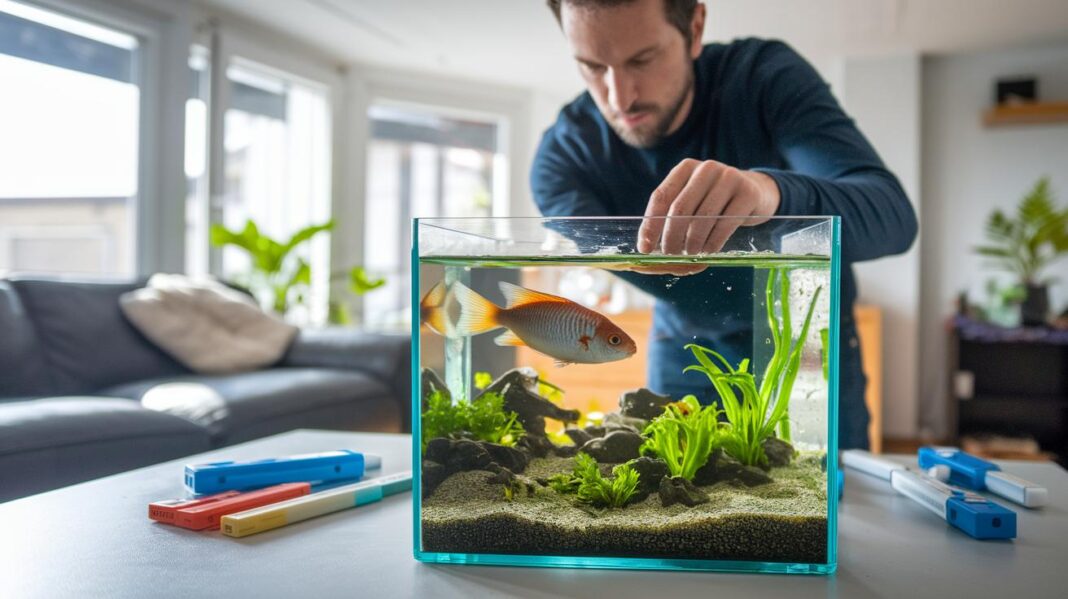

Ever notice that your aquarium sometimes feels off even when you take great care of it? You might catch a strange smell, see your fish acting a bit odd, or notice an unexpected burst of algae swirling in like trouble under the waves.
Today, let’s chat about a few simple fixes to help restore the gentle rhythm of your aquatic home. We can start by checking the water, like testing the current in a peaceful stream, and spotting any signs that something isn’t quite right.
With these small, smart steps, you'll soon be watching calm, clear water ripple around your fish, bringing back the balance and harmony of your little underwater world.
Comprehensive Troubleshooting for a Failing Aquarium Ecosystem
Imagine your aquarium as a lively underwater neighborhood where fish, plants, tiny critters, and even bits of rock all live together in harmony. Keeping this all balanced means watching over simple water rules, like how hard the water is, its pH level, and the amount of nitrogen compounds present. The true heroes here are the good bacteria that call the gravel and stones home. But if you put too many fish or feed them too much, these helpful colonies can get overwhelmed, causing dangerous ammonia spikes that unsettle your entire tank.
When something feels off, your tank will send you little signals. Maybe you'll catch a whiff of a rotten smell or notice a hint of hydrogen sulfide drifting in the air. The fish might be acting strangely, the plants could seem weak, or you may suddenly see more algae than usual. Even a quick burst of tiny protozoans could be a clue that the nitrogen cycle, an important process that usually settles in about 4 to 6 weeks, is still a work in progress. Spotting these signs early gives you a chance to figure out what’s going wrong and steer things back on track.
- Rotten or hydrogen sulfide smells
- Fish gasping or swimming oddly
- Plants that aren’t growing well
- Unplanned algae explosions
- Sudden jumps in protozoan numbers
Start by testing your water with a trusted test kit. This will help you figure out if there’s a hiccup with your good bacteria or if the nitrogen cycle isn’t completely set up yet. For the tools you need, check out the trusted aquarium supplies online at our store. By catching these issues early, you keep your tank safe and create a happy, thriving aquatic home.
| Parameter | Ideal Range | Common Issue |
|---|---|---|
| Ammonia | 0 ppm | Spike from overfeeding or overstocking |
| Nitrite | 0 ppm | Incomplete nitrogen cycle |
| Nitrate | <20-40 ppm | Build-up from skipping water changes |
| pH | Stable for the species | Fluctuations due to poor buffering |
| Temperature | Depends on species | Issues like heater malfunctions or drafts |
Evaluating Aquarium Ecosystem Water Quality to Diagnose Imbalances
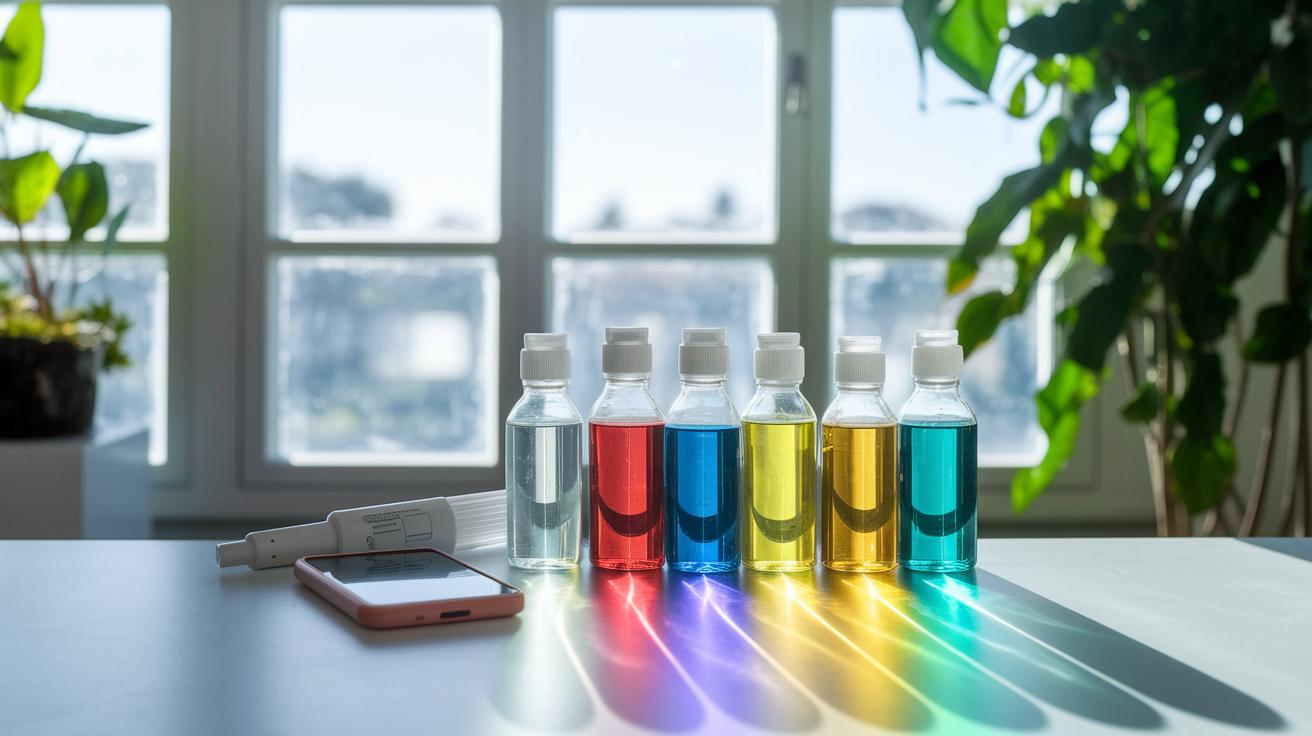
Pick a trustworthy test kit and take a moment to set it up right. This kit is like a little guide for your tank, making sure every measurement counts. Lay it on a flat surface, let it warm up to room temperature, and follow the steps in its guide, just like setting the time on your favorite watch where every tick matters.
Next, collect water samples in the same careful way each time. Try testing key things like hardness, pH, ammonia, nitrite, and nitrate on a weekly basis. Drawing water from the same spot at a similar depth helps you see what your tank really needs. And using a drop checker can feel like watching tiny ripples reveal the pH changes throughout the week.
Finally, use your test results as a roadmap for care. High ammonia might mean it’s time for a water change right away, while a shifting pH calls for a bit of adjusting. Spikes in nitrite and nitrate are like little alarms, suggesting that your tank’s natural cycle needs some extra attention, maybe more water changes or easing up on the feeding. Let these insights guide you to bring balance back to your aquatic world.
Troubleshooting Aquarium Ecosystem Filtration and Circulation Performance
Filter Cleaning and Media Maintenance
Your aquarium filter keeps everything sparkling by clearing out debris and supporting the friendly bacteria that help break down waste. When you clean your filter, use water straight from your tank so you don't upset these beneficial colonies. Follow the manufacturer's advice on when to swap out the filter media, and try using a gentle back-flush method to wash away built-up dirt without disrupting the good bacteria. I once cleaned my filter this way and noticed how quickly the water cleared up, making my fish look even more vibrant.
Pump Inspection and Repair
Checking your pump on a regular basis is a simple way to keep your tank flowing nicely. Take a close look at the impeller, the part that spins, to spot any signs of wear, and check the seals for any small cracks or damage. Make sure the pump is lined up correctly and running at the right speed. If you find the water flow slower than usual, it might be time for a little maintenance. A small fix can often do wonders, much like smoothing out a tiny hiccup in your favorite machine.
Circulation and Oxygenation
Good water movement is essential to avoid low oxygen zones that can stress your fish. Try adjusting where your water returns into the tank so it reaches those still spots, and add an air stone to help mix in fresh oxygen. If you're not sure, it helps to check the flow rate to confirm that everything is moving as it should. Think of it like a gentle current bringing life back into every corner of your aquarium, refreshing the whole scene with a soft, calming energy.
Restoring Aquarium Ecosystem Biological Balance with Bacteria and Plants

Your tank’s natural rhythm works thanks to a team effort between tiny helpful bacteria and lively plants. These little critters settle on medium gravel and smooth stones, breaking down waste and keeping the nitrogen cycle steady in about 4 to 6 weeks. Live plants, given enough room and nutrients, compete with algae and help keep the balance, like nature’s own tug-of-war. It’s almost like watching a gentle dance below the water’s surface.
Here are some simple steps to help keep that balance:
- Regular water changes to sweep away extra nutrients
- Adding a bit of bacterial boost to speed up their work
- Growing more live plants for ongoing nutrient competition
- Bringing in clean-up crew species for extra help
- Adjusting the food you provide so waste stays low
Changing the water frequently helps remove excess nutrients that could spark unwanted bacterial blooms. The bacterial supplements give those helpful colonies a head start. By growing more live plants, you ensure they always compete with algae for nutrients, keeping everything in check. Adding species such as Otocinclus catfish or Amano shrimp introduces a natural cleaning crew that reduces leftover detritus. And by dialing back on overfeeding, you keep the waste low so our microscopic friends can thrive.
Keep an eye on your aquarium as it settles in. Notice how the plants start to shine and the bacteria cover the gravel and the filter with their busy work. When you see these natural signals, you’ll know you’re on the right path toward a balanced, healthy aquatic world.
Adjusting Aquarium Ecosystem Water Parameters: pH, Hardness, and Temperature
Keeping the pH just right in your tank is key for healthy fish and a balanced underwater world. Check your water regularly with a drop checker or an electronic meter to see if it stays within the best range for your fish. If it starts to drift, add buffering agents to bring it back to normal. Think of your drop checker like a watchful little buddy, quietly signaling when things change.
Next up is water hardness. This covers both general hardness (GH) and carbonate hardness (KH), which tell you how many minerals your water has. You can adjust these levels by choosing the right substrate or using buffering additives when needed. When you balance these minerals, you ensure your fish and plants get the nutrients they need to flourish.
Temperature is also super important. Tropical fish usually do best when the water stays between 75 and 80°F. Always double-check that your heater is working right and keeping a steady temperature. Position your aquarium in a spot that dodges drafts or unexpected heat sources to avoid sudden changes. A good heater in the right place helps keep your tank as steady as a calm pond, making your fish feel safe and happy.
Managing Aquarium Ecosystem Waste with Routine Maintenance Strategies

Your aquarium’s floor, or substrate, plays a big part in keeping your tank healthy. The gravel and decorations aren't just for looks; they provide a cozy home for the tiny bacteria that break down waste. Instead of cleaning out everything all at once, try a gentle, partial clean-up so you don’t disturb these helpful microbes. Clearing off leftover food, wilted plants, and bits of debris from the top stops harmful ammonia from building up and upsetting your tank’s calm balance.
Next, keep up with regular water changes. Swapping out about 25% of your tank water every couple of weeks helps dilute extra nutrients and cut down on waste. Use a soft vacuum tool to gently pull away debris from the substrate, especially where loose particles tend to gather. This simple routine not only reduces toxic compounds but also gives you a quick glimpse into your aquarium’s overall health, so you can catch any issues before they become big problems.
And don’t forget to treat your tank’s decorations and filter parts with care. Rinse rocks, driftwood, and filter materials with water from the tank to avoid shocking the good bacteria with harsh chemicals. For those hard-to-reach corners and delicate surfaces, consider using special aquarium cleaning supplies like vacuum tools, gravel sifters, and maintenance brushes. This careful cleaning keeps your ecosystem stable and makes sure organic waste is managed without harming the little helpers that keep your tank thriving.
Implementing Advanced Monitoring for Long-Term Aquarium Ecosystem Resilience
Smart sensors are like the watchful guardians of your tank, keeping an eye on pH, temperature, and oxygen levels all the time. They work much like checking your own heartbeat, and making sure you calibrate them regularly is just like ensuring you’re feeling your best. Plus, with remote diagnostic tools, you get a quick alert when something seems off, letting you step in before a small ripple turns into a big wave.
Keeping a simple log of test results, scheduled maintenance, and treatment steps is a wise habit, almost like writing in a journal about your aquarium’s progress. These records help you notice little patterns over time, guiding you to tweak feeding or water change routines just when they’re needed. When you see trends forming, it’s like nature’s way of saying, “Hey, adjust here!”
When trouble bubbles up, having a clear plan is key. Set up easy-to-follow steps to move any sick fish into a hospital tank and follow straightforward treatment instructions. Taking note of what works not only helps your fish heal but also teaches you how to handle future hiccups. This steady, step-by-step approach will keep your aquatic paradise safe and vibrant for the long haul.
Final Words
In the action, this article took you through diagnosing fish tank issues, checking water quality, and keeping up with both filtration and biological balance. We talked about equipment fixes and even advanced sensor tools for keeping your tank healthy. Each step shows how small adjustments lead to a comfortable underwater habitat. Keep caring for your setup and embrace each improvement along the way, knowing you’re making progress in troubleshooting a failing aquarium ecosystem.
FAQ
How do I troubleshoot a failing aquarium ecosystem, especially after a water change?
Troubleshooting a failing aquarium ecosystem means checking every part of your tank. After a water change, test the water, inspect the filter, and review your feeding routine to spot imbalances.
What does poor water quality in an aquarium look like?
Poor water quality shows in cloudy water, unpleasant smells, excess algae, and fish acting strangely. These clues signal issues with ammonia, nitrite, pH, or other water parameters that need attention.
Why did my fish die in the aquarium and could astrology be involved?
Fish dying in an aquarium is usually due to water quality or temperature issues rather than astrology. Focus on checking chemical levels and proper tank care to keep your fish healthy.
What are the key reasons an aquarium is important?
An aquarium is important because it creates a calming display, supports aquatic life, encourages responsibility, educates about nature, and offers a lively ecosystem to enjoy and learn from.
How can I fix poor water quality in my fish tank?
Fixing poor water quality involves testing your water, performing partial water changes, cleaning the filter, and adjusting feeding amounts. These steps help restore a balanced environment for your fish.
What should I know about an aquarium problem crossword?
An aquarium problem crossword includes terms and clues related to common tank issues, such as filtration, water chemistry, and fish health. It offers a fun way to learn about aquatic care.
What common problems occur in tropical fish tanks?
Tropical fish tanks often face issues with temperature swings, water quality dips, and filtration problems. Regular testing, careful maintenance, and a balanced setup help maintain a healthy tropical tank.