
Ever take a peek at your tank and see water as cloudy as a latte mixed with milk? Many fish lovers have been there when the water turns a soft green or creamy white.
In this guide, I'll share some easy steps to bring back that sparkling glow in your aquarium. First, check your water levels to be sure everything's in balance. Next, adjust the lighting so your tank gets just the right amount of brightness. And finally, take care of any algae or bacterial blooms that might be clouding the water.
By following these simple tips, you'll help clear the water without stressing your finned friends. Soon enough, your tank will be a clear, inviting haven where every ripple sparkles with life.
Quick Solutions to Cloudy Aquarium Water
When your tank water looks a little foggy, it might show small white dots like a milky coffee or sometimes a gentle green, brown, or dusty tint. In a brand-new aquarium, a burst of bacteria can make your water appear like you gently stirred in too much milk. But in tanks that have been around awhile, extra light and nutrients might stir up algae for that green hue, driftwood can seep out tannins that give a brown touch, or even a layer of dust from unwashed substrate might settle in.
The trick to clear water is to check what you're really dealing with and then adjust things step by step. Begin by testing your water for phosphates and nitrates as well as checking the pH level. Then, tweak your lighting duration and the amount of food you're offering your fish. Sometimes a 20–30% water change is all it takes, especially in a new tank while good bacteria find their footing. These friendly, small moves help get your aquarium sparkling again without overreacting to an unexpected bloom.
Here's a simple guide to get started:
| Step | Action |
|---|---|
| 1 | Figure out whether the haze is milky, green, brown, or dusty. |
| 2 | Test your water’s phosphate, nitrate, and pH levels. |
| 3 | Adjust your lighting schedule and feeding amounts. |
| 4 | Do a 20–30% water change or allow a new-tank cycle to finish. |
| 5 | If needed, add a fish-safe clarifier or use RO water to manage high phosphates. |
Common Causes Behind Cloudy Aquarium Water
Bacterial Bloom
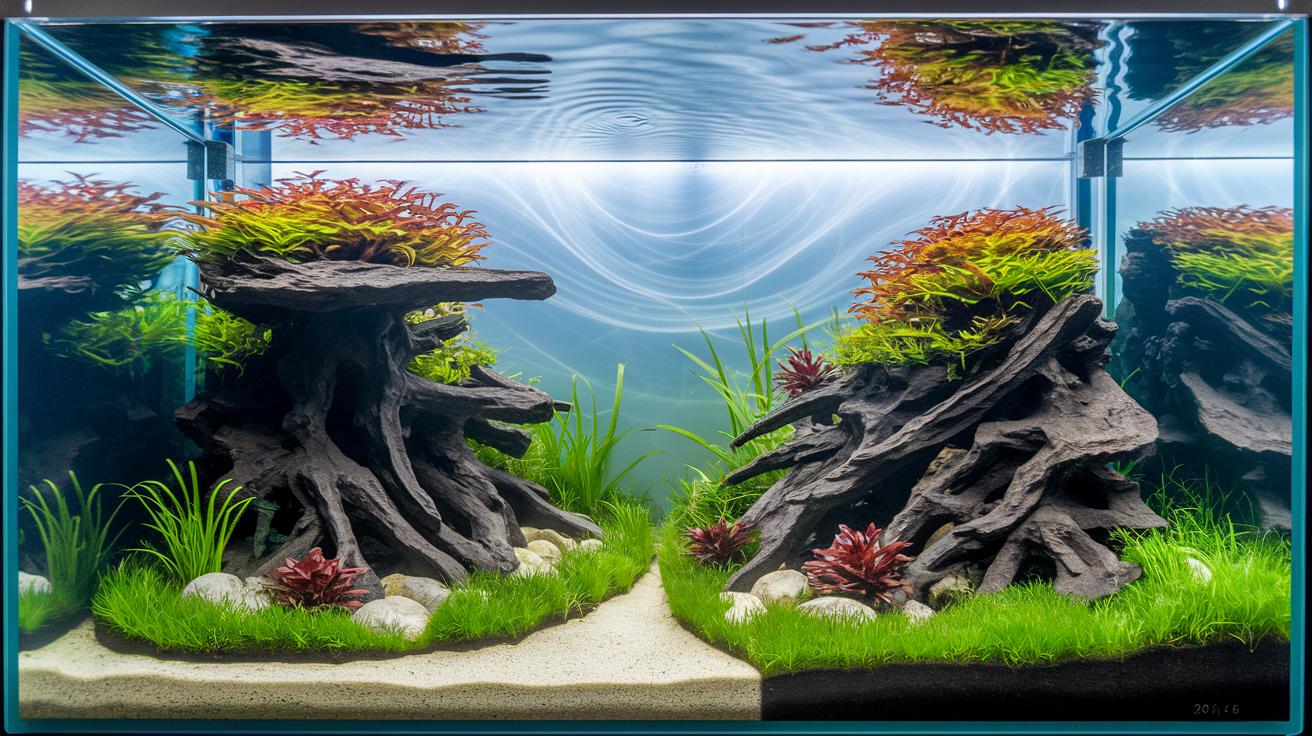
When you first set up your tank, bacteria start to multiply as they munch on minerals, turning your water into a milky haze, almost like a light swirl of milk in water. But don’t worry; as the helpful bacteria grow in number, that cloudy film fades away within a week or two. Picture it like witnessing a thin white mist slowly vanish as your tank settles in.
Algae Bloom (Green Water)
Too much light and extra nutrients, such as phosphates and nitrates, can cause algae to grow out of control, tinting your water a soft green. This often happens if your tank basks in direct sunlight or if you feed your fish too generously. Think of it like a gentle green filter that drapes over your water, similar to a light layer of grass covering a clear field.
Tannins and Brown Water
When driftwood or other botanical bits are added to your aquarium, they release tannins that naturally color the water from a light amber to a rich, dark brown, much like brewing a perfect cup of tea. This warm, earthy tone is common in tanks designed to mimic natural habitats for fish that thrive in darker water. Imagine watching your clear water gradually take on the inviting hues of a cozy autumn afternoon.
Suspended Particulates
Sometimes, tiny particles from unwashed gravel, fish waste, or decaying plant matter float around in the water, giving it a slightly murky look. Without a good rinse or proper filtration during setup, these bits can make the water seem like it’s been gently stirred. It’s a bit like looking at a glass of water that hasn’t been perfectly clear, but soon enough, regular cleaning and filtration help clear things up.
Troubleshooting Cloudy Aquarium Water: A Step-by-Step Guide
Have you noticed your tank water looking a bit murky? Don't worry, let's sort it out together. Start by taking a close look at your water and setup to catch any hints of imbalance.
-
First, check the water closely. Notice if it appears milky, green, brown, or even dusty. These little details can point you in the right direction.
-
Next, test the water for things like phosphate, nitrate, pH, and temperature. These simple checks tell you if decaying food or fish waste might be behind the cloudiness.
-
Then, evaluate your filter. See if it's working smoothly like a gentle stream. If the flow seems off or the media is clogged, clean or replace it to help clear things up.
-
Look at your substrate, the gravel at the bottom. Sometimes tiny particles can cloud the water. Give the gravel a gentle rinse or stir, and consider a water change if needed.
-
Also, think about how much you’re feeding your fish. Reducing extra food can prevent a spike in nutrients that might cause cloudiness.
-
Adjust your lighting to about 8 to 10 hours a day. This helps stop extra light from fueling unwanted growth in your tank.
-
Try a partial water change of 20 to 30%. This step clears out debris and lowers nutrient levels, making the water clearer.
-
If needed, use a fish-safe clarifier. Just follow the product guidelines to make sure you're using it safely.
By following these simple steps, you can build a solid routine to keep your aquarium water clear and your aquatic friends happy. Enjoy the process and appreciate the sparkle of a clean, well-tended tank!
Effective Treatments to Clear Cloudy Aquarium Water
Mechanical Filtration Enhancements
Upgrading your tank’s mechanical filtration is a game changer. Using fine-pore filter media is like letting your water flow over a soft net that catches even the tiniest bits, much like coffee grounds being filtered out for that perfect brew. Keeping your filter clean or swapping out the media often is key to a steady flow, and it even helps the good bacteria thrive.
Chemical Clarifiers
Sometimes those tiny particles still drift around, even after you’ve done everything right. In these cases, a fish-safe clarifier can work wonders. Think of it as a little magic trick that makes the bits stick together so they can be easily scooped out, leaving your water as clear as glass. Just be sure you follow the directions so you use the right amount, it’s a bit like following a recipe for the perfect dish.
Natural and Organic Additives
If you’re leaning towards a gentler method, natural additives are the way to go. These organic boosters encourage the good bacteria to break down waste naturally, like a school of fish tidying up after a meal. Plant-based clarifiers and eco-friendly flocculants help settle those fine particles, making your routine cleaning easier and keeping your tank healthier for your fish.
Maintenance Practices to Keep Cloudy Aquarium Water at Bay
To keep your tank water clear over time, try doing a weekly water change of about 20-30% and test your water every Sunday morning. This simple routine helps you catch any rising nitrate or phosphate levels before they cloud your water. You might even set a monthly reminder so you don't forget to give your gravel a good vacuum, kind of like setting an alarm to check on your favorite habits.
When it comes to feeding, keep it light. Only give your fish as much food as they can gobble up in 2-3 minutes, and take a moment each month to review how many fish are in your tank. Overfeeding or having too many fish can lead to extra nutrients that cloud the water, so think of each meal as a mini quality check for your tank.
Also, have a plan for your filter and lighting. At the start of each month, check your filter media and keep track of how well it’s working. Clean or replace the filter elements every 4-6 weeks to ensure you keep that smooth, clear flow. And use a timer to keep your lights on for 8-10 hours a day, this helps prevent algae growth and maintains a balanced look in your little underwater world.
Expert Insights and Case Study on Clearing Cloudy Aquarium Water

One interesting study looked at a 30-gallon tank that had a stubborn haze from unwashed gravel. The water looked as cloudy as a milkshake for days. After carefully rinsing the gravel and doing two water changes (each replacing 25% of the water), the murkiness disappeared in just 5 days. Imagine the calm joy of watching fog gently lift off a peaceful pond.
The experts say it’s best to let natural bacterial blooms grow in a new tank without rushing into water changes. This gentle waiting game helps keep the aquarium’s balance, much like letting the morning dew evaporate slowly, revealing a shiny, clear surface.
Another key tip is to keep phosphate levels in check. If tests show that phosphate is above 0.5 ppm, it’s time to add phosphate removers and clean your filter media regularly. This clear step helps stop unwanted blooms from spoiling your water, ensuring your tank stays bright and balanced.
Final Words
In the action, our article highlighted quick fixes and practical tips for dealing with cloudy aquarium water. We covered different causes, from bacterial blooms to algae and tannins, and provided rapid solution steps and essential troubleshooting actions to ease your tank care.
We also shared treatment options and ongoing maintenance practices to keep your aquatic home clear and balanced. Enjoy watching your underwater world flourish as you apply these easy, proven steps.
FAQ
Frequently Asked Questions
Q: Cloudy aquarium water reddit
A: Discussions about cloudy aquarium water on Reddit highlight common issues like bacterial blooms, algae, or suspended debris. These problems often hint at water chemistry imbalances or cleaning techniques that need adjustment.
Q: Why is my fish tank cloudy after 1 day?
A: The cloudy water after 1 day typically arises from a bacterial bloom. This natural phenomenon in new setups often creates a milky haze until the tank’s balance stabilizes.
Q: What’s the fastest way to clear cloudy aquarium water?
A: The fastest way to clear cloudy water involves testing your water conditions, performing a 20–30% water change, and adjusting lighting and feeding. These steps work quickly to settle particulates and restore clarity.
Q: How do you fix cloudy fish tank water?
A: Fixing cloudy water involves first identifying the haze type, then testing water chemistry and adjusting your care routine with water changes and lighting tweaks to help clear up the tank.
Q: Why is my fish tank cloudy after a water change?
A: Cloudy water following a water change often points to the new water bringing in excess phosphates or stirring up debris from the substrate. Double-check your water quality and cleaning methods.
Q: Why is my fish tank cloudy after 2 days?
A: Cloudiness after 2 days may result from a bacterial bloom or lingering debris in the tank. Monitoring water parameters and reducing overfeeding helps the water clear more effectively.
Q: How do you clear cloudy aquarium water in a new tank?
A: In a new tank, cloudy water usually indicates a normal bacterial bloom that clears as the tank matures. Patience and minimal intervention usually allow the water to become clear naturally.
Q: How do you clear cloudy aquarium water after cleaning?
A: After cleaning, the water may become cloudy from disturbed particles. Allow the system to settle with gradual water changes and careful maintenance to restore clear conditions.
Q: How long does it take for cloudy aquarium water to clear?
A: The time for cloudy water to clear varies; bacterial blooms can resolve within days to a couple of weeks. Consistent water testing and careful adjustments usually speed up the clarity.
Q: How do I make my aquarium water crystal clear?
A: Making your aquarium water crystal clear involves regular testing, proper filtration, and balanced feeding. Adjusting the light duration and performing periodic partial water changes also enhance overall clarity.
Q: Does high pH cause cloudy water in an aquarium?
A: A high pH can contribute to cloudy water by disrupting the balance of microorganisms and chemical reactions. Keeping a stable pH and monitoring water chemistry can help maintain clarity.