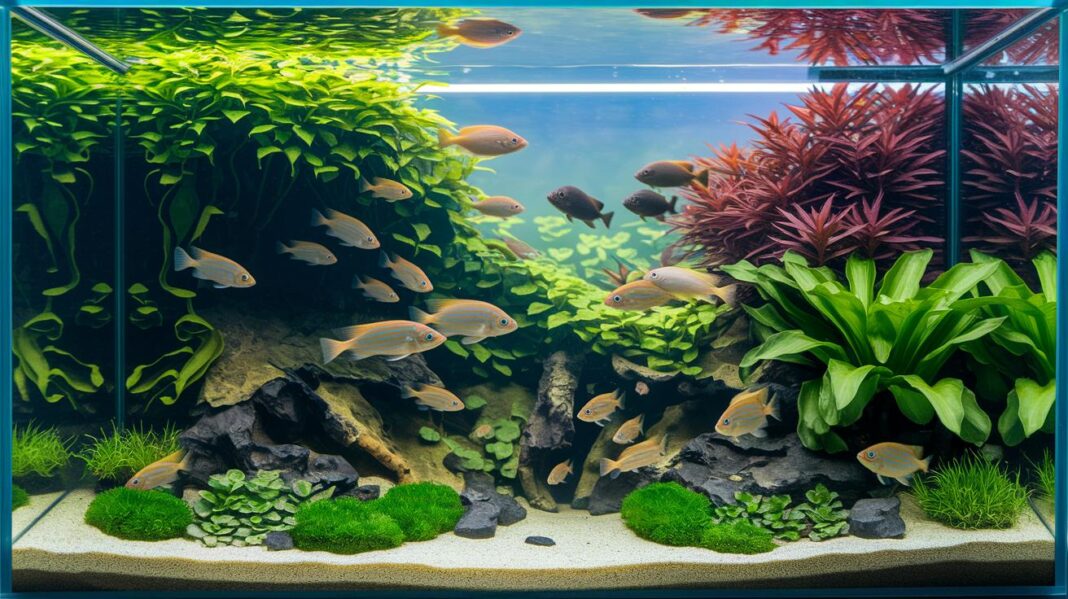

Have you ever wondered if your fish tank could glow with life by adding a splash of green? Imagine live plants working like natural filters, they soak up unwanted chemicals and boost oxygen, much like turning a foggy pond into a clear, bright lagoon. These plants create cozy hideouts where your fish and little critters can swim and explore, just like secret gardens in an underwater paradise. In this post, we chat about how live plants can refresh your aquarium and build a thriving ecosystem that gives your aquatic friends the happy, healthy home they deserve.
Key benefits of live plants for aquarium water clarity and biodiversity
Live plants work like nature's own cleaners in your tank. They gently clear up murky water while keeping the aquatic world balanced. Adding a few leafy friends often turns a cloudy tank into a bright, welcoming home for your fish.
Plants naturally soak up unwanted chemicals like ammonia, nitrate, and phosphate. During the day, they use sunlight to make food through photosynthesis, boosting the oxygen in your water, sometimes by as much as 30%. Their soft, green leaves and strong roots not only trap floating debris but also offer safe hideaways for tiny fry and invertebrates, helping invite more species into your tank.
In short, live plants offer both a clear view and a lively, healthy habitat. They bring a touch of nature and artfulness to your aquarium, creating a peaceful, balanced environment where your fish can truly thrive.
Choosing live plant species for a thriving aquarium ecosystem
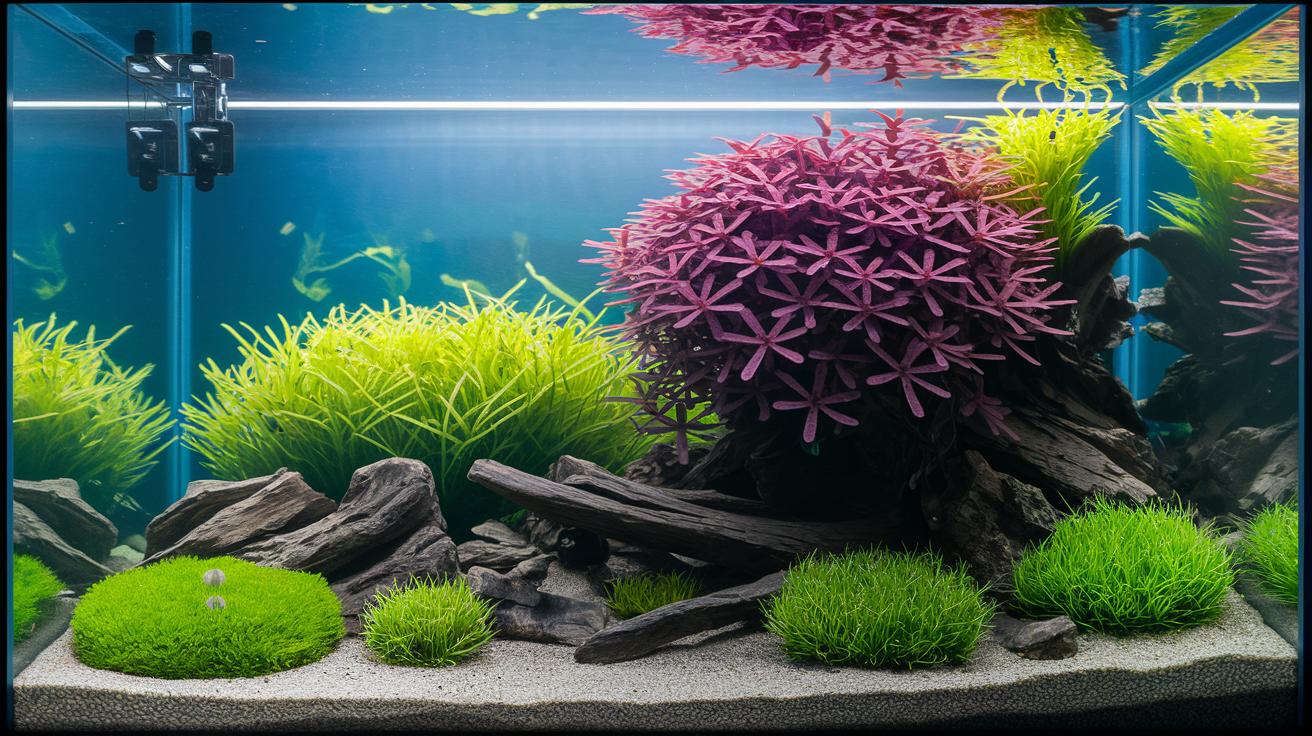
Live aquatic plants are more than just a pretty sight in your tank, they bring energy and useful functions to your underwater world. You have plenty of options, from potted plants and tissue-cultured trays to epiphytes like Anubias and Java Fern that cling to driftwood or rocks. There are even cozy carpeting mosses, beautiful surface floaters, vivid red-leaf varieties, and hardy cold-water choices like Cryptocoryne. Each type has its own charm, adding a unique ripple to your tank depending on your fish’s needs and the look you’re after.
It all starts with matching the plants with your tank’s vibe. Light is key, much like the sun’s gentle warmth or the soft glow before dawn. Plants can thrive under low light (about 10 µmol/m²/s), medium light (around 30 µmol/m²/s), or high light (close to 50 µmol/m²/s). Water matters too, a friendly range of pH between 6.0 and 7.5 and TDS levels from 100 to 300 ppm usually does the trick. These details help you pick species that’ll feel right at home in your aquatic garden, keeping your plants healthy and vibrant.
For those just starting out, beginner-friendly choices like Java Fern and Amazon Sword are a real treat because they handle a range of pH levels and low light with ease, needing little extra fuss or fertilization. On the other hand, if you’re eager for a bit more hands-on care, advanced species like Rotala or Pogostemon can be very rewarding. They love extra CO₂ and richer substrates to really pop. And if you’re after a reliable, healthy start, it’s always a good idea to check with a trusted aquarium plant supplier for top-notch tissue-cultured options.
Setting up aquarium conditions for optimal live plant growth
When you prepare your aquarium just right, your live plants will thrive like they’re basking in a gentle, sunlit pond. Start by adding a 2–3 inch layer of nutrient-rich soil or fine gravel. This cozy base holds plant roots and gives them the nutrients they need to grow strong.
Lighting is the next step. Imagine your tank glowing softly like the early morning sun. Use LED lights set to give about 30–50 µmol/m²/s for 8–10 hours each day. This gentle light helps plants make food without waking up unwanted algae.
Then, consider giving a little extra boost with CO₂ and liquid fertilizers. In high-tech tanks, aiming for 20–25 ppm of CO₂ can help your plants flourish, while a simpler tank can get by with a weekly bit of liquid carbon. Every two weeks, add a dose of liquid fertilizer with an N-P-K ratio of roughly 10-5-10. Think of it like feeding your plants a small, balanced meal so they can put on a healthy, green show.
| Requirement | Recommended Range | Notes |
|---|---|---|
| Substrate | 2–3 inches soil/gravel | Supports roots and stores nutrients |
| Lighting | 30–50 µmol/m²/s, 8–10 hrs/day | Soft LED light guides plant growth |
| CO₂ Level | 20–25 ppm (high-tech) | Boosts growth; liquid carbon works for low-tech tanks |
| Fertilizer | Biweekly, N-P-K 10-5-10 | Keeps both big and small nutrients balanced |
By keeping an eye on these details and using the right tools, your aquarium becomes a lively underwater world where both plants and fish live in harmony.
Planting techniques and layout strategies for balanced aquarium ecosystems
Prepping the substrate
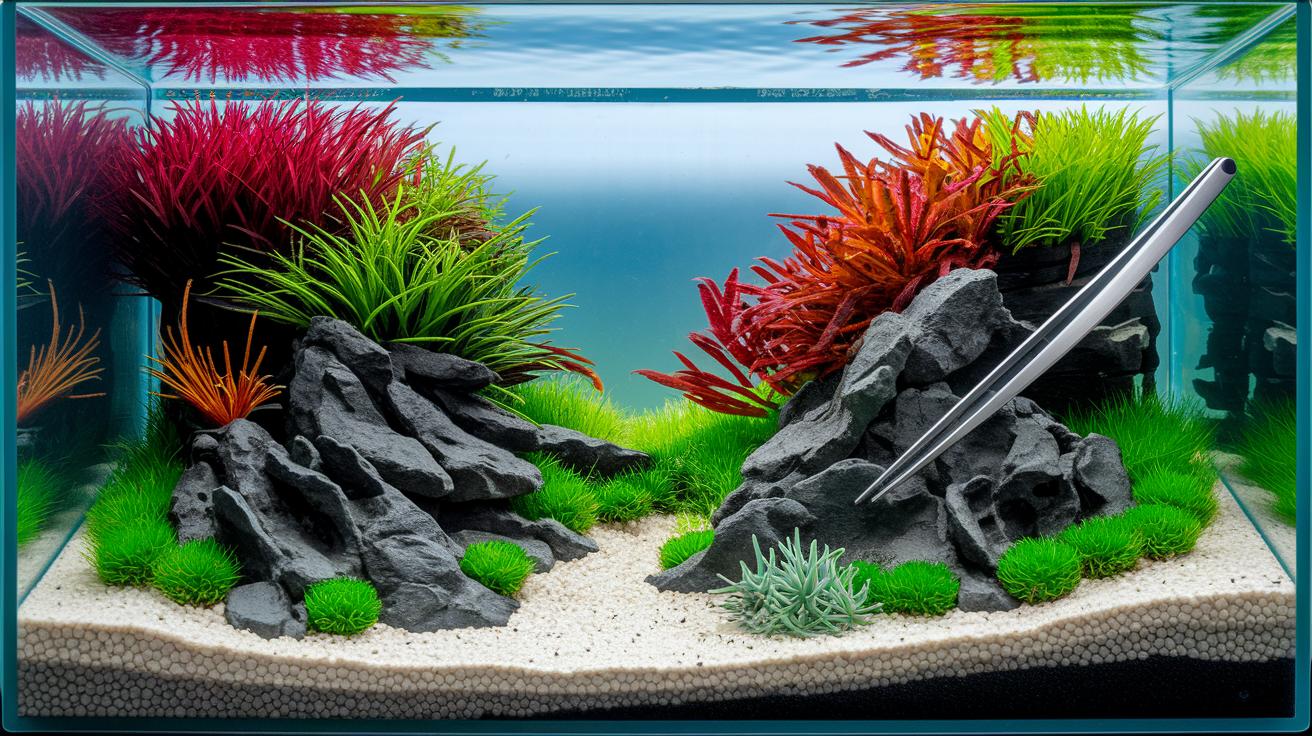
Begin by giving your substrate a gentle rinse to wash away any dust. Once clean, spread it evenly in your tank, creating a soft slope that goes from the front to the back in a 2 to 1 ratio. This slight incline not only adds a sense of depth but also helps keep debris from piling up in one spot. It’s like crafting a little underwater hill that naturally directs water flow.
Anchoring and planting
After your substrate is set, grab your aquascaping tweezers and carefully place each rooted plant, such as Vallisneria or Cryptocoryne. Take your time arranging them so the layout feels balanced and lively. For plants that don’t need soil, like Java Fern or Anubias, attach them to driftwood or a rock using nylon thread. Just be sure to remove the thread once the roots have a hold. Think of it as hanging a picture, you want everything to stay perfectly in place.
Filling without disturbance
When it’s time to add water, do it slowly to keep your substrate just as you placed it. Pour the water gently over a plate or a plastic bag sitting on top of your plants. This careful filling process makes sure your new aquatic garden stays neat and undisturbed. By taking these steps, you create a vibrant underwater scene that not only looks beautiful but also stays clean and healthy for all your tank’s inhabitants.
Maintaining live plants: nutrient management and troubleshooting
Taking care of your live plants keeps your aquarium full of life and beauty. Every week, trim those fast-growing stem plants so they get bushier and share the light with their neighbors. Once a month, rinse your filter media with tank water to clear out debris while keeping the good bacteria happy. This regular routine helps your tank stay as balanced and lively as a natural pond.
Daily care may seem simple, but little tweaks make a big difference. Keep an eye on your tank’s light and, when you notice algae starting to form, try cutting the light down to around 8 hours a day. Adjust your feeding habits too, since too many extra nutrients can invite algae trouble. You can even add root tabs or a tiny dose of 1 mg/L chelated iron when you see yellow leaves, this way, every plant gets the steady nutrition it needs to flourish.
When little problems pop up, noticing the signs makes them easier to fix.
Leaf discoloration
If you spot yellow leaves, it might mean your plants are low on nitrogen or iron. A small dose of chelated iron (about 1 mg/L) or some root tabs placed nearby can help bring back that vibrant green glow and keep your plants growing strong.
Algae outbreaks
When algae start taking over, try reducing the light to 8 hours each day and feed a bit less to cut down on extra nutrients. Adding algae grazers like Otocinclus or Amano shrimp is another neat trick, they nibble on the algae and help keep your underwater garden in balance.
Final Words
In the action, we explored how live plants improve water clarity, enrich biodiversity, and offer natural shelter for aquatic life. We learned to select plants that suit unique tank conditions and design setups that mimic nature's rhythm.
The guide shared practical techniques for planting, smart layout ideas, and routine care to maintain a thriving underwater garden.
Embrace using live plants to boost your aquarium ecosystem and enjoy the beauty of a balanced, lively, and healthful aquatic habitat.
FAQ
What are the disadvantages of live plants in an aquarium?
The disadvantages of live plants in an aquarium include extra upkeep and nutrient competition, along with light and CO₂ needs that may complicate water balance and plant health.
What should beginners know about setting up a live plant aquarium or fish tank?
A live plant aquarium for beginners offers a natural setup that benefits water clarity and provides shelter for fish. It requires basic care like proper lighting and minimal fertilization.
How do you grow aquarium plants without using soil?
Growing aquarium plants without soil involves anchoring them in a medium like gravel or using a hydroponic method that delivers essential nutrients directly to the roots.
How can you keep aquarium plants from floating?
Keeping aquarium plants from floating means anchoring them in a deep, stable substrate, and using weights or plant tabs to secure them so their roots stay firmly in place.
What is aquarium plant fertilizer used for?
Aquarium plant fertilizer, usually applied as a liquid, provides an N-P-K balance that supplies key nutrients to plants, encouraging healthy growth and bright colors.
How do you keep aquarium plants alive before planting?
Keeping aquarium plants alive before planting involves storing them in water with controlled lighting and temperature, keeping them moist yet not overexposed until they’re ready for the tank.
Where can I find live plants for my aquarium near me?
Finding live plants for your aquarium locally means checking nearby aquarium shops or garden centers, which often stock healthy, regionally suited aquatic plants for home tanks.
How do live plants benefit aquarium water quality and fish health?
Live plants improve water quality by oxygenating through photosynthesis, reducing algae by using nutrients, filtering out debris for clearer water, and absorbing ammonia to maintain a healthier environment.