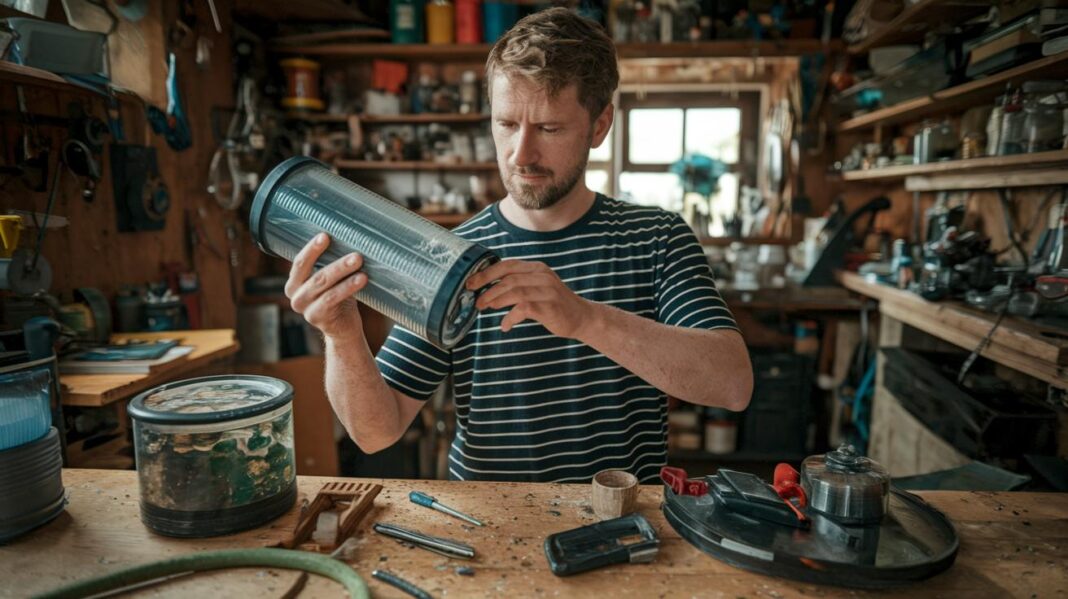

Ever feel like your aquarium has lost its calm vibe? When a filter jams up or a pump goes silent, it might seem like your underwater haven is facing trouble.
We’re here to help you out with some simple, clear steps to fix those common issues. Think of it like unblocking a sink, spot the odd sounds or slower water flow, and treat it step by step.
Stick with me, and soon you'll be back to watching your tank thrive with all the peaceful ripples of a well-cared-for pond.
Primary Troubleshooting Framework for Aquarium Equipment Failures
First, grab your checklist and tackle one piece at a time. Think about checking the filter, heater, pump, lights, or even the wiring. Notice any hints like slower water flow, wobbly temperatures, odd sounds, leaks, or power cutting out. If you see the water moving slower than usual, it might be time to see if debris is clogging your filter intake, just like unclogging a sink trap.
Here’s a simple way to break it down:
- Note what’s off. Is your filter making a loud noise or leaking? Jot down exactly what you observe.
- Test each part separately. For example, remove the impeller and take a good look, or check that every electrical wire is properly connected.
- Look closely for any damage such as worn seals or loose bits. If you spot a cracked heater element or a disconnected plug, mark it as a potential troublemaker.
- Write down your findings. A simple checklist can help you track what keeps happening.
Remember, doing regular equipment checks is key to a healthy aquarium. For more details on keeping your tank in tip-top shape, check out the maintenance schedules for a stable aquarium ecosystem (https://sweetfysh.com?p=1059).
Once you pinpoint the failing part, follow step-by-step diagnostics to uncover the root cause. It might be a clogged element or a jammed impeller causing the hiccup. Fix the problem by cleaning, adjusting, or replacing the faulty component, and always test your system after each fix to make sure the water flows back to normal.
Troubleshooting can be like solving a little mystery. Each step helps you turn a small anomaly into a smooth fix. Focus on the problem, isolate it, and then apply the remedy with confidence.
Diagnosing Aquarium Filter Failures and Proven Fixes
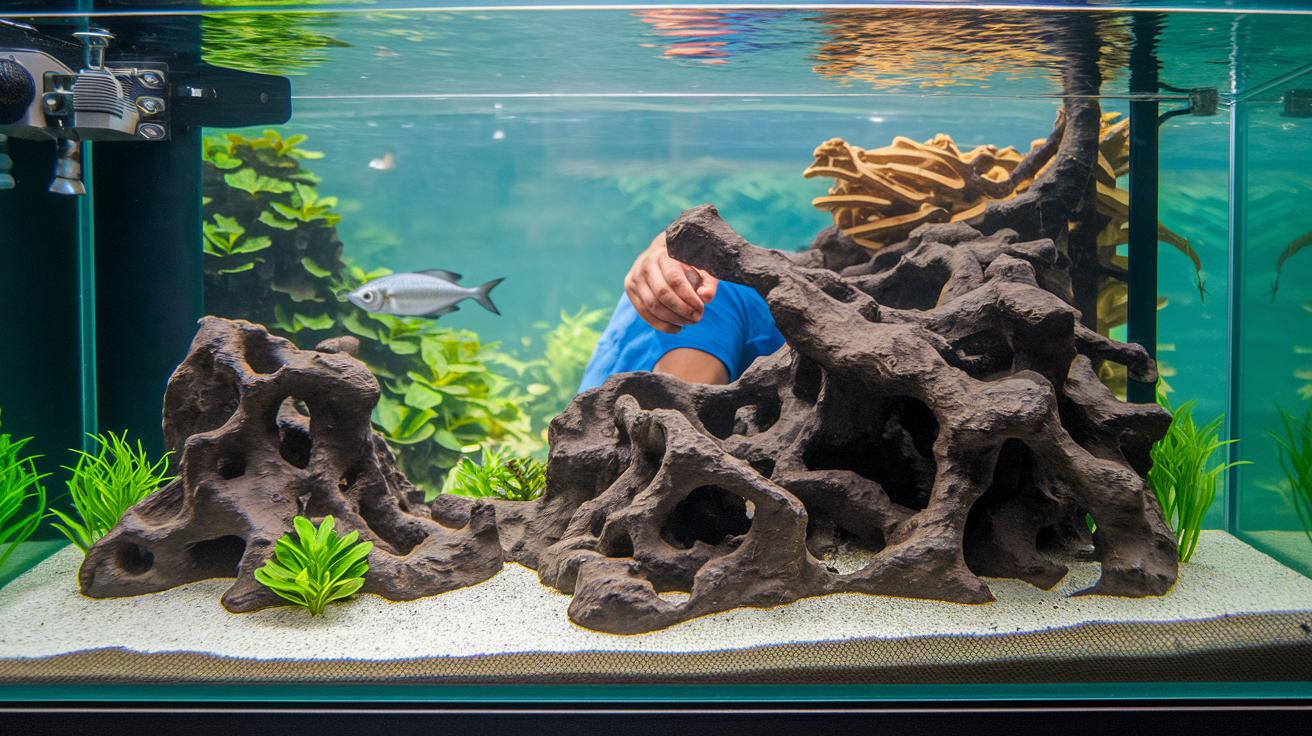
Start by taking a close look at your filter when you notice something feels off. Low water flow might be a sign that your filter’s media is clogged or the impeller is jammed. First, turn off your filter completely, then take it apart. Check the inside like you would inspect the small spinning fans in some toys that slow down when clogged with dust. Gently remove the impeller and watch out for any debris that could be blocking it.
Next, listen for any unusual sounds. A loud motor noise can mean there’s an imbalance or blockage inside the intake. Carefully clean the internal tubing and intake screens so that water can flow freely. Also, examine the seals, if you see a worn-out O-ring, it might be causing a steady drip. Replace any cracks or damage you find to stop leaks and unwanted noise.
After cleaning, put everything back together step by step. This careful process helps rule out recurring issues, and you might even spot a part that keeps giving you trouble. Once assembled, run the filter for a short time and check its performance. If you see the water flow picking up and notice the noise quiet down, you’ve done a great job troubleshooting.
Visual checks are important too. If any parts look too worn or misshapen, it’s a good idea to replace them right away. Specialty filters like OASE Indoor filters are often recommended for their steady performance. Tackling issues like impeller jams, clogged media, or faulty seals early can get your filter back to its best, keeping your aquatic world clear and your fish happy.
Resolving Heater and Temperature Control Malfunctions
When your heater acts up and causes sudden swings in your fishbowl's temperature, it's time to take a closer look. Start by checking the temperature with another thermometer. If the actual reading doesn't match the set temperature, you might be dealing with a faulty thermostat or even a cracked heating element. Always unplug your heater before you open it up.
Next, take a moment to inspect the power cords and wiring for any loose connections. A loose cord can send irregular voltage to your heater, much like an unexpected current in a stream. If you spot any wear or damage, swap out those parts right away to bring back a steady warmth to your tank.
Then, think about where your heater is placed. If it's too close to drafts, you might find that some parts of your tank stay colder than others. Try moving it to a safer, more enclosed spot to even out the heat. And while you're at it, check that any exposed wiring is sealed properly to keep problems from creeping up again.
Finally, after you've made your repairs or replacements, test the heater again. Let it run for a bit and keep an eye on the temperature to be sure everything is fixed. Sometimes, a few small adjustments can make all the difference in keeping your aquatic friends happy and cozy.
Repairing Pumps and Water Circulation Errors
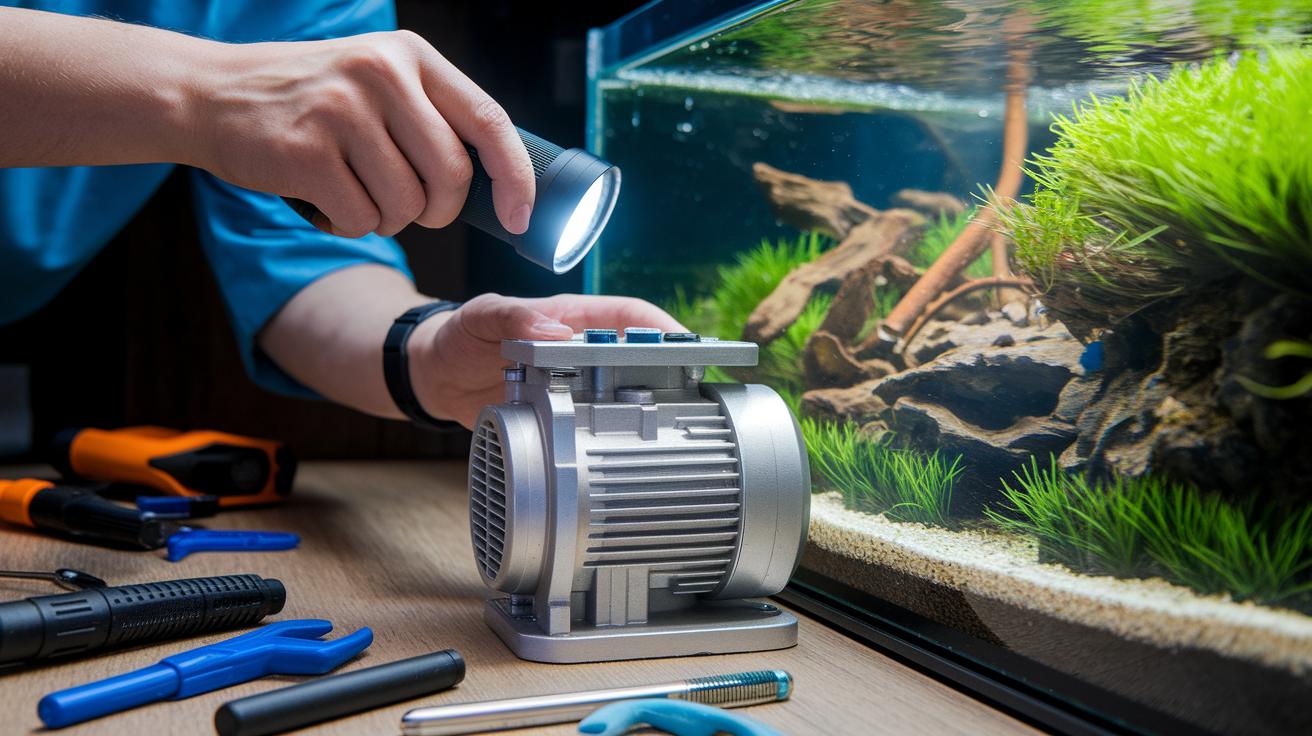
When your pump seems to be moving water slowly or skipping its usual smooth flow, start by checking the basics. Often, a clogged intake screen, a little air trapped inside, or a worn impeller, the spinning part that pushes the water along, could be the culprits. Take a close look at your intake screens for any debris that might be blocking the flow, much like leaves clogging a stream.
Next, prime your pump to clear out any stubborn air locks. These little air bubbles can stop water from circling evenly in your tank, leaving spots with too little oxygen. Removing the trapped air helps bring back that steady, refreshing flow, just like clearing a gentle brook.
Also, don’t forget to inspect the impeller. If it shows signs of wear or seems to resist movement, it might need some lubrication or even a full replacement. A small bit of maintenance here can make a big difference, much like giving a tired swimmer a boost.
Make sure every hose connection is tight and well-seated. Loose hoses can let in air or disrupt water delivery, resulting in an uneven cascade throughout your tank. A quick check to ensure all fittings are secure will keep your water flow smooth and consistent.
Finally, test the voltage at the pump’s outlet to rule out any electrical issues. Sometimes the pump doesn’t receive enough power, and testing can confirm this. Keeping your pump electrically sound is essential for maintaining a healthy and lively aquarium environment.
Here's a simple checklist to follow:
- Inspect intake screens and clear any debris
- Prime the pump to remove trapped air
- Lubricate or replace the impeller if it shows wear
- Confirm that all hose connections are secure and test the electrical output
By following these steps, you can give your pump system the care it needs and ensure that your aquarium stays vibrant and full of life.
Addressing Lighting and Electrical Equipment Shortcomings
Start by checking your light fixtures for burned-out bulbs, a common ProblemIota issue. Swap out old lamps as an easy FixIota solution to bring back that warm, inviting glow in your tank. Faulty ballasts can cause EcoIota troubles, so give them a careful once-over. Test the ballast, and if it’s not doing its job, replace it. Loose wiring might lead to a MonitorKappa problem, where plants get too little light and fish behave oddly.
Next, look over every electrical connection in your setup. Tighten any wires that are loose and make sure all outlets are GFCI-protected to prevent shorts and potential shocks. Use a PatchKappa approach by securing loose terminals and reinforcing those connections. A proper grounding setup with drip loops helps keep dangerous currents at bay. In an AquaticKappa world, every electrical part must work together like a school of fish to keep your plants thriving and your fish comfortable.
Regular checks help you avoid future ProbeIota problems. A step-by-step visual inspection and simple fixes can solve most lighting issues. Watch for any signs of wear or loose connections and repair them promptly. By addressing these common electrical shortcomings, you keep your aquarium safe, bright, and perfectly balanced for all its living inhabitants.
Preventative Maintenance to Avoid Future Equipment Failures
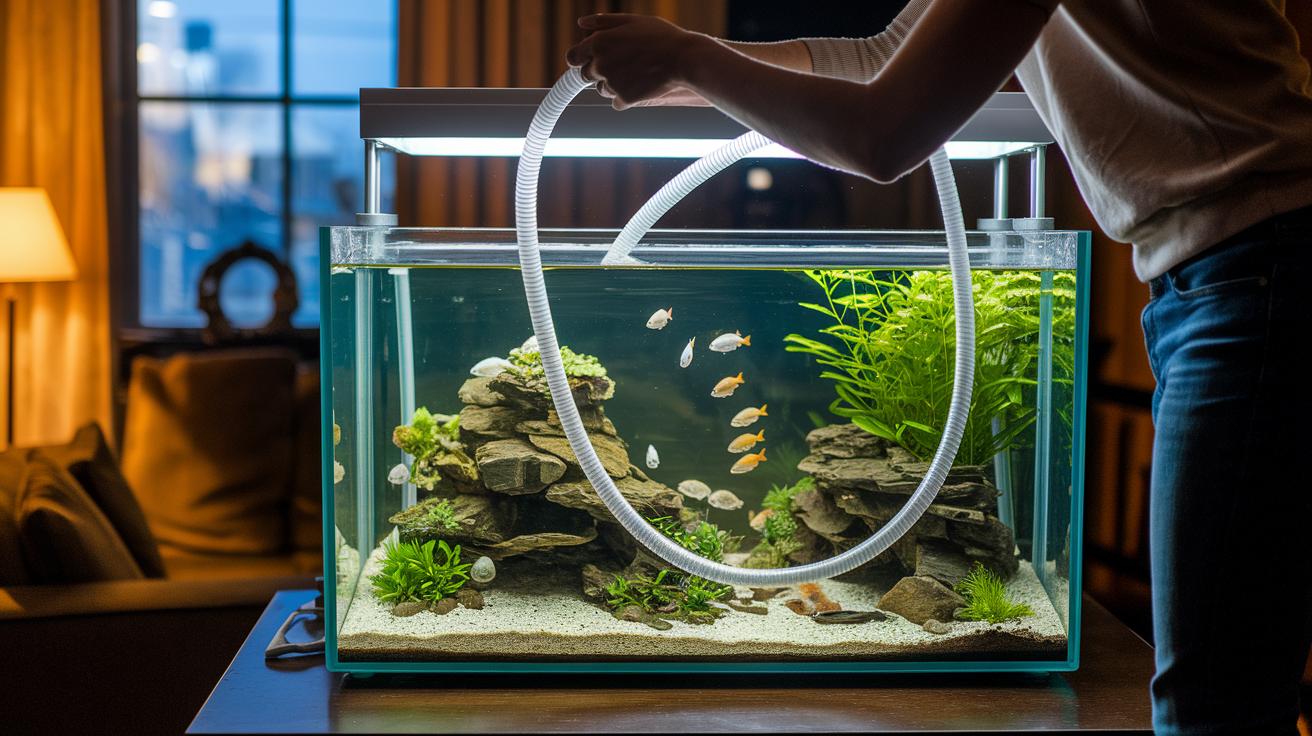
Start by making a simple schedule so nothing slips your mind. Caring for your aquarium equipment is a lot like tending a small garden, it needs regular, gentle care. Every week, take a little time to check your hoses, seals, and cords for wear or loose connections. This quick look can catch tiny issues before they turn into big headaches.
Then, each month, treat your filters and pumps to a deep clean. Cleaning these parts helps keep the water flowing smoothly, just like a clear stream over pebbles. If you’re into eco-friendly tips, you might enjoy exploring natural aquarium ecosystem filtration techniques over at Sweetfysh. A few small changes now can mean fewer breakdowns later.
Every few months, spend a moment making sure your heater is working just right. Since water temperature is key to your fish’s health, a quarterly check keeps things comfortably warm. And once a year, it’s a good idea to replace parts like O-rings, impellers, and bulbs. Think of it as having a backup plan ready, so you’re always prepared if something starts to show its age.
It really helps to keep track of your work. Log each task and set calendar reminders. Here’s a handy checklist to follow:
- Check hoses, seals, and cords weekly
- Clean filters and pumps monthly
- Calibrate the heater quarterly
- Replace worn parts annually
With this steady care routine, your aquarium will run smoothly and keep your aquatic buddies happy. Ever notice how a well-maintained tank feels like a calm, shimmering oasis?
Final Words
In the action, we broke down troubleshooting failures in aquarium equipment: common fixes across filters, heaters, pumps, lighting, and even electrical gear. We stepped through how to spot common clues like temperature swings or erratic water flow and shared quick repair tips to get your gear back in shape.
The guide also highlighted the importance of regular checks and a simple maintenance plan. This clear system keeps your tank calm, balanced, and thriving, making life in your aquatic world even more enjoyable!
FAQ
What are common fish tank issues that lead to fish dying or tropical fish problems?
Common issues include unstable water conditions, failing filters or heaters, and missed maintenance. These problems stress the fish and can even lead to deaths, so regular inspections help keep your tank safe.
How can I tell if the water quality in my aquarium is poor?
Signs of poor water quality show as cloudy water, algae blooms, and fish acting stressed or lethargic. Testing the water and regular cleaning are key to a healthy tank environment.
How often should you do a partial tank water change?
Partial water changes are generally done weekly or biweekly. This routine helps remove toxins and maintain stable water conditions for your aquatic life to flourish.
What maintenance challenges might affect an aquarium?
Maintenance challenges include clogged filters, malfunctioning heaters or pumps, and debris build-up. Keeping a scheduled check on equipment and cleaning regularly helps prevent these failures.
Why is my fish tank turning red?
A red tint can indicate an algae bloom or contamination in the water. Checking light exposure and nutrient buildup, then adjusting your cleaning routine, can often restore clarity.
How do you maintain a tropical fish tank effectively?
Maintaining a tropical fish tank means regularly testing water quality, performing partial water changes, and inspecting equipment. This routine ensures a stable, safe environment that lets your fish thrive.