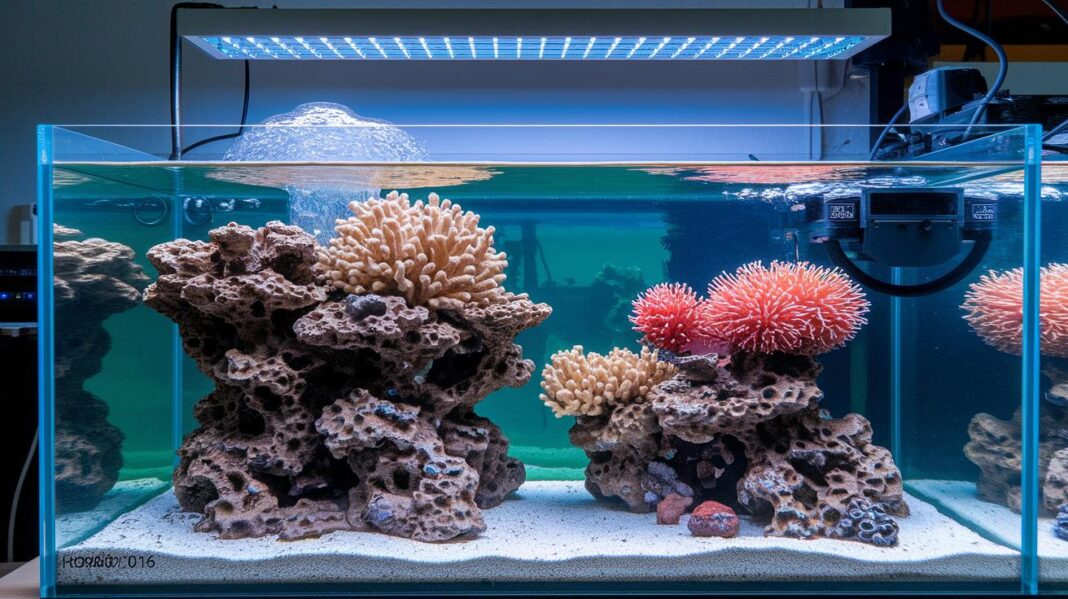

Ever thought about giving your aquarium a little extra oomph with live rock reactors? Some fellow fish lovers say it turns an ordinary tank into a lively underwater paradise.
Imagine using the right gear, lights that make your coral shine like tiny treasures and pumps that keep the water softly flowing, so your tank becomes like a mini balanced ecosystem.
This guide explains each part in simple steps, so you can create a healthier setup that feels as refreshing as a cool ripple on a warm day.
Ready to dive in and upgrade your aquarium with the best tools around?
Key Equipment for Live Rock Reactor Integration in Aquariums
When you're setting up a live rock reactor, every piece of equipment has its own special job to create a chill, balanced home for your underwater friends. Lighting kicks things off by lighting up your tank and even helping corals and beneficial algae grow. It’s like inviting a warm sunrise into your underwater world.
Filtration modules are the heartbeat of your rock reactor system. They catch organic waste and transform it into nutrients for helpful bacteria, much like nature’s own water purifier. Many fishkeepers swear by brands like Reef Octopus for their reliable, long-lasting setups.
Next, circulation pumps and powerheads work to keep water moving smoothly throughout your tank. This gentle flow is as refreshing as a light breeze on a sunny day, mixing heat, oxygen, and chemicals evenly across the tank. Heaters keep the water at a steady, comfy temperature so every creature feels at home, while auto top off systems replace water lost from evaporation and maintain steady salt levels. Dosing pumps help add the right dose of chemicals, ensuring that elements like calcium stay perfectly balanced.
Finally, smart controllers from brands like Ecotech Marine and Neptune Systems let you easily monitor and adjust your entire setup, giving you peace of mind as you enjoy your vibrant aquatic scene.
| Equipment | Function |
|---|---|
| Lighting | Brings light and boosts coral growth |
| Filtration Modules | Turns rock media into food for beneficial bacteria |
| Circulation Pumps | Keeps water moving evenly |
| Heaters & Auto Top Off | Keeps water at the perfect temperature and salinity |
| Dosing Pumps & Controllers | Adds just the right chemicals to keep things balanced |
Selecting Optimal Live Rock Reactor Types for Reef Aquaria
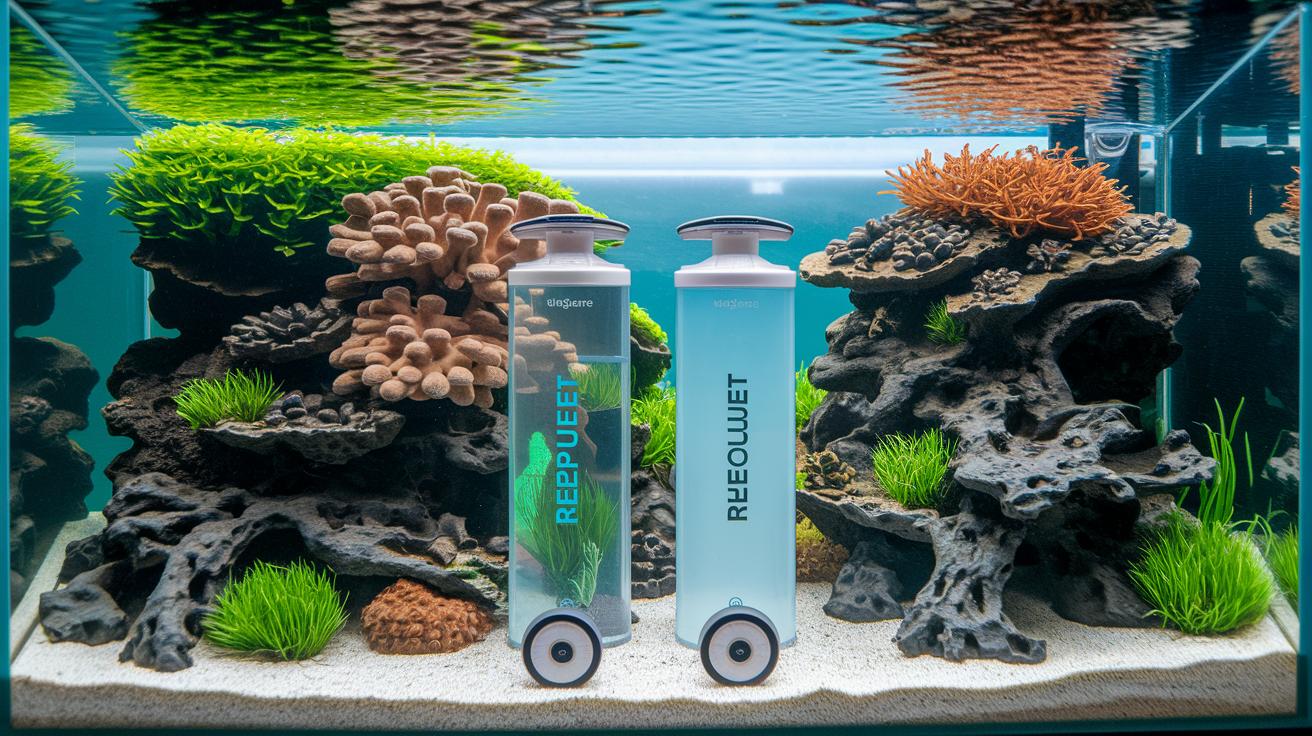
Choosing a live rock reactor for your reef tank can feel as simple as picking your favorite sunny spot on a beach. There are two main types that many aquarists love for their tanks.
Biopellet reactors spin a special media that grabs extra organic nutrients, cleaning your water gently, almost like a mini washing machine. Imagine a tiny carousel that sweeps away waste while bacteria get busy on a fun, water park ride.
Calcium reactors, sometimes called Kalk reactors, work a bit differently. They use a subtle chemical reaction to slowly dissolve calcium media, giving your tank a steady flow of calcium, alkalinity, and a balanced pH. This reactor fits easily into a sump or right in your tank. Think of it as a careful artist, adding just the right touches of minerals to bring your aquarium to life.
Your choice depends on your tank and what it needs. If you’re all about keeping waste in check without too many chemicals, the biopellet reactor might be your best friend. But if your vibrant corals need a consistent boost of minerals, the calcium reactor could be the perfect match.
Installation Procedures for Live Rock Reactors in Marine Tank Setups
-
Pick the perfect spot for your reactor, either tucked inside your sump or set up as a separate module. It’s like finding the ideal calm current in your tank, one that feels just right.
-
Lay out your PVC plumbing and add ball valves to control how water flows. Imagine these pipes as little underwater roads that connect everything together. Getting these connections right helps water move smoothly and stops leaks.
-
Choose a gentle circulation pump that moves about 100 to 200 gallons per hour for each reactor. This pump works like a steady ocean current, stirring your water just enough so everything mixes evenly without overpowering your tank’s balance.
-
Next, fine-tune your dosing pumps for calcium and alkalinity. Think of it like tuning a musical instrument where every drop matters to keep the water balanced and healthy.
-
Add an auto top off system that links up with your aquarium controller. This system helps keep the saltwater at a steady 1.025 SG by refilling what evaporates. The controller acts like a watchful friend, making sure every part of your setup works in harmony.
-
Finally, once everything is set up, use reliable test kits to check for key water parameters like ammonia, nitrite, and nitrate after cycling. Testing helps you see that your reactor system is working as it should and that your water meets your marine life’s needs.
After you finish these steps, give your new live rock reactor a thorough check to make sure all components are tuned and that the water flows smoothly throughout. Regular monitoring and slight adjustments keep your marine tank thriving like a peaceful underwater paradise.
Maintenance and Troubleshooting of Live Rock Reactors
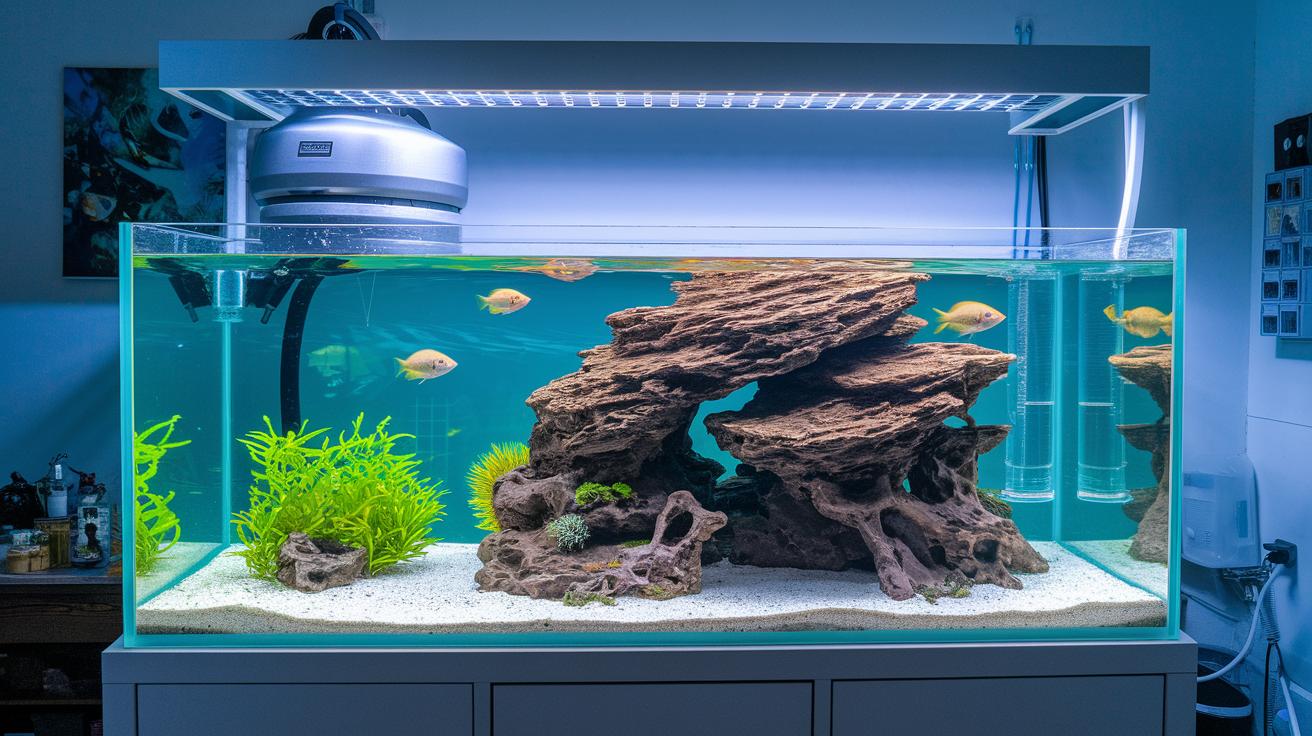
Regular upkeep is like giving your aquatic setup a little spa day. Every month, take some time to inspect your reactor and give it a good clean. Rinse or swap out the media so your water stays clear and free of clogs. And don’t forget to check the pump and test the pH, alkalinity, and calcium each week, it’s like a quick health check-up for your tank.
Sometimes, little issues like a build-up of algae, a misbehaving pump, or drifting chemical levels pop up. These can throw off your tank’s balance if you ignore them. When you see algae forming, try adjusting the flow to keep the water moving. If a pump isn’t steady, give it a quick service before it becomes a bigger problem. And if you notice the dosing is off, recalibrate the pumps to get the chemistry back on track. For more tips, check out the guide on troubleshooting common issues in aquarium ecosystems.
Here’s a handy checklist to keep you on track:
- Inspect your reactors monthly for cleanliness and signs of wear.
- Rinse or replace the media to keep water flowing well.
- Clear any sticky biofilm blockages as soon as you spot them.
- Check pump performance and adjust flow rates if needed.
- Test the pH, alkalinity, and calcium levels every week.
- Recalibrate dosing pumps when the chemical balance starts to drift.
Sticking to these simple tasks means your equipment will last longer and your live rock reactors will continue creating a balanced, welcoming home for your underwater friends.
Compatibility and Layout Optimization for Live Rock Reactors in Aquarium Systems
When you set up your live rock reactor, think of it as a trusted teammate in your underwater world. Your reactor, protein skimmer, and refugium should work together like a well-practiced crew, each playing its part to keep the water clear and your tank thriving. It's a bit like arranging your favorite fishing gear, all the pieces have their perfect spots.
Start by giving your reactor a little room to breathe, about 2 inches on all sides. This space is like a gentle current that makes cleaning and adjustments a breeze. Adding ball or needle valves helps you fine-tune the water flow, much like tweaking the nozzle on your garden hose to get that perfect stream.
Secure things further by using corrosion-resistant clamps to hold your reactor in place. Just as a sturdy anchor keeps a boat steady, these clamps ensure your setup stays secure, even when things are gently in motion. And don’t forget: plan your layout so you can easily access everything when it's time to replace the media.
Make sure your entire system fits neatly within your sump area without crowding the other essentials. Here's a quick guide to keep in mind:
| Step | Tip |
|---|---|
| 1 | Pair your reactor with protein skimmers and refugiums |
| 2 | Maintain a 2-inch clearance around each module |
| 3 | Install ball or needle valves to adjust water flow |
| 4 | Use corrosion-resistant clamps for a secure fit |
| 5 | Design the layout so media replacement is effortless |
These simple tips help create an aquarium that flows as smoothly as a gentle stream. Ever notice how even small details make all the difference when you're caring for your underwater world? Enjoy watching your marine system come to life!
Enhancing Biological Filtration with Live Rock Reactors: Best Practices
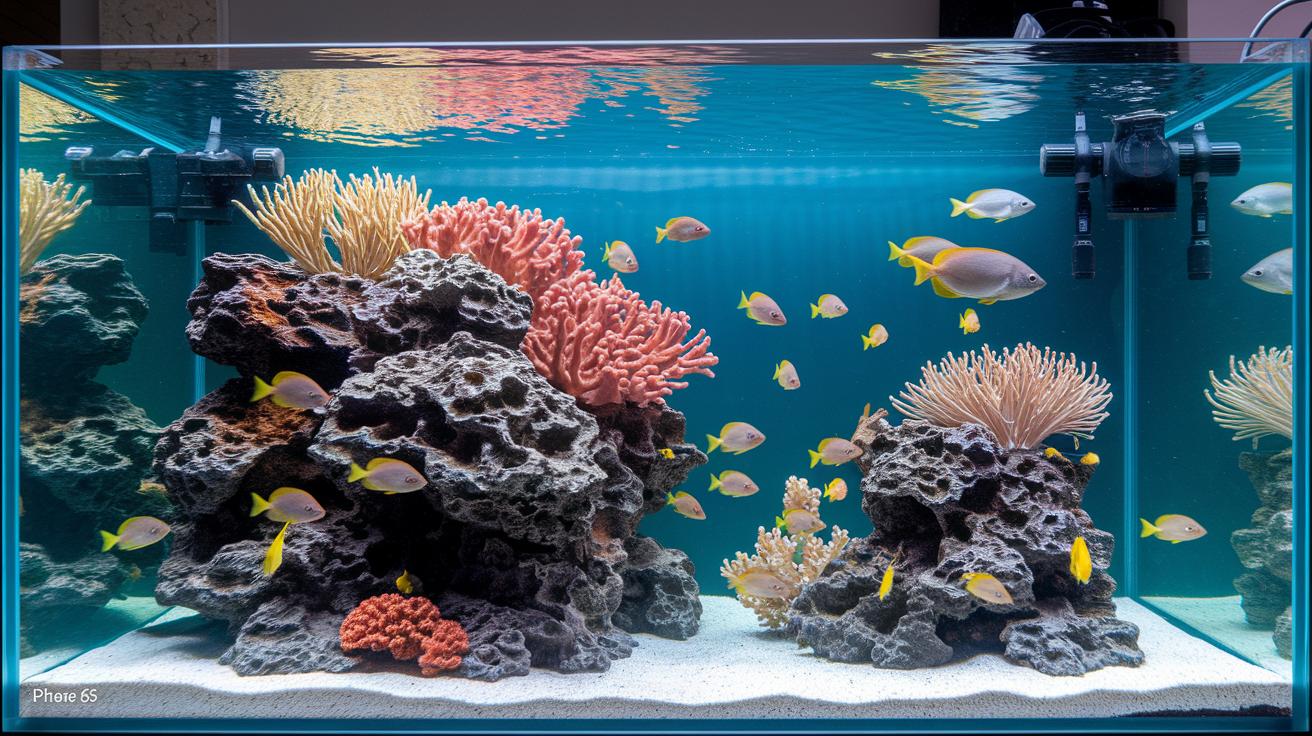
Live rock reactors bring a natural charm to your aquarium. They aren’t just a piece of equipment; they’re like a small underwater garden where helpful bacteria live and work. These bacteria break down organic waste, keeping your tank clean and healthy. Start with cured live rock to dodge that unwanted H2S smell. And if you have to use fresh, uncured rock, change half the water after the first day to wash away any dead bits. Think of it like rinsing fruit before you eat it, you get a fresher, tastier bite every time.
Begin by adding live bacterial cultures to your reactor to give it a lively start. A simple tip is to use about 1 lb of media for every 10 gallons of water. Keep the water at a cozy 78°F so the bacteria feel right at home. When you introduce new corals or fish, add them slowly with a drip method so they settle in without stress.
It’s a good idea to check your water each week for ammonia, nitrite, and nitrate levels. This helps you see how well your reactor is working and if you need to adjust anything. Taking these steps is like keeping a balance in a natural ecosystem, it ensures your tank stays as lively and vibrant as a gentle underwater current.
Final Words
in the action, we covered the essential equipment and detailed steps for integrating live rock reactors in aquarium setups: equipment guide. We looked at choosing reactor types, planning layout, installing components, and keeping up with monthly checks. Each section offered clear, friendly advice on creating a balanced aquatic habitat. With careful planning and routine upkeep, your underwater world will flourish and bring you lasting joy. Enjoy the calm simplicity of maintaining your aquatic paradise!
FAQ
How do live rock reactors enhance aquarium setups?
Using live rock reactors enhances aquarium setups by integrating natural rock media that boosts beneficial bacteria, improves water quality, and supports effective biofiltration alongside essential equipment like pumps and controllers.
What is the best approach for a saltwater and coral reef tank setup for beginners?
Setting up a saltwater or coral reef tank for beginners means starting with a dedicated kit that includes basic equipment like lighting, filtration, and heaters while following a clear, step-by-step setup guide.
What should be included on a saltwater tank setup checklist?
A saltwater tank setup checklist should include items such as proper filtration systems, powerheads, live rock, test kits, heaters, and plumbing components to create a balanced and healthy marine environment.
How do I determine the cost for a saltwater aquarium setup?
Determining saltwater aquarium setup cost involves considering the tank’s size, quality of equipment like lighting and filtration, and additional systems such as reactors, which may range from affordable starter kits to premium systems.
What should I look for when buying a saltwater fish tank setup for sale?
When buying a saltwater fish tank setup for sale, look for a complete system that includes core equipment, clear installation procedures, and reliable accessories from reputable brands to ensure a hassle-free marine aquarium experience.
What species of fish and invertebrates are ideal for a beginner aquarium?
Choosing ideal species for a beginner aquarium means selecting hardy saltwater fish like clownfish or damselfish, along with easy-care tropical fish, shrimp, and true crabs that thrive in stable, well-maintained environments.