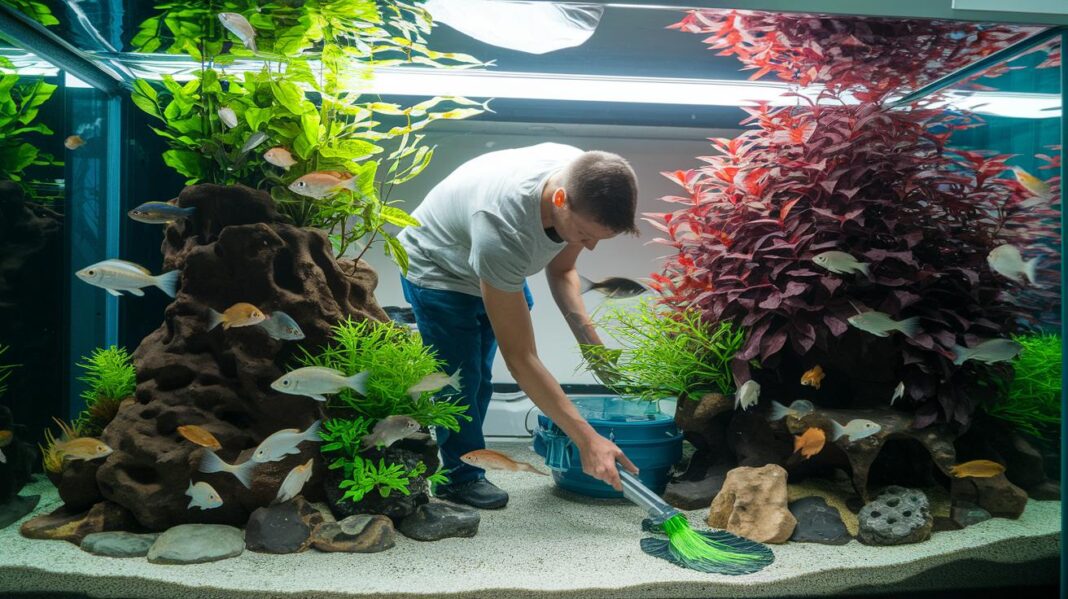

Have you ever stopped to wonder if skipping your weekly tank check could put your fish at risk? Taking a little time each week to care for your aquarium is like treating your fish to a refreshing spa day.
A quick cleaning and a timely water change help chase away harmful toxins, while a well-kept filter lets friendly bacteria work their quiet magic. It’s a bit like watching the gentle ripple of water over smooth stones, simple actions creating a clear, peaceful space.
In short, this routine care isn’t just a chore, it’s the heart of a vibrant, thriving tank. Regular upkeep keeps your fish energetic and your water sparkling.
Let’s dive deeper into why this simple habit makes such a big splash in the world of fishkeeping.
How Regular Maintenance of Aquarium Equipment Safeguards Fish Health and Water Quality
Taking a little time each week to care for your aquarium is like giving your fish a gentle, refreshing spa day. Swapping out 20–30% of the water helps wash away harmful toxins, like ammonia and nitrites, that build up from fish waste and decaying bits. Clean water means steady pH levels and plenty of oxygen, which are just what your fish need to thrive.
It’s also important to pamper your equipment. Regularly checking and cleaning your filter, especially by rinsing sponges in a bit of old tank water, helps keep the friendly bacteria balanced. These little helpers break down waste before it can cause trouble. In truth, this simple step can prevent those unwanted bacterial or parasitic outbreaks that can stress out your aquatic pals.
Clear water isn’t just about a pretty view. It’s a direct boost to the health and energy of your fish. With a regular routine, you stop toxins in their tracks and provide a stable, inviting home for every finned friend in your tank.
Key Tank Gear Upkeep Routines to Avoid Equipment Failure
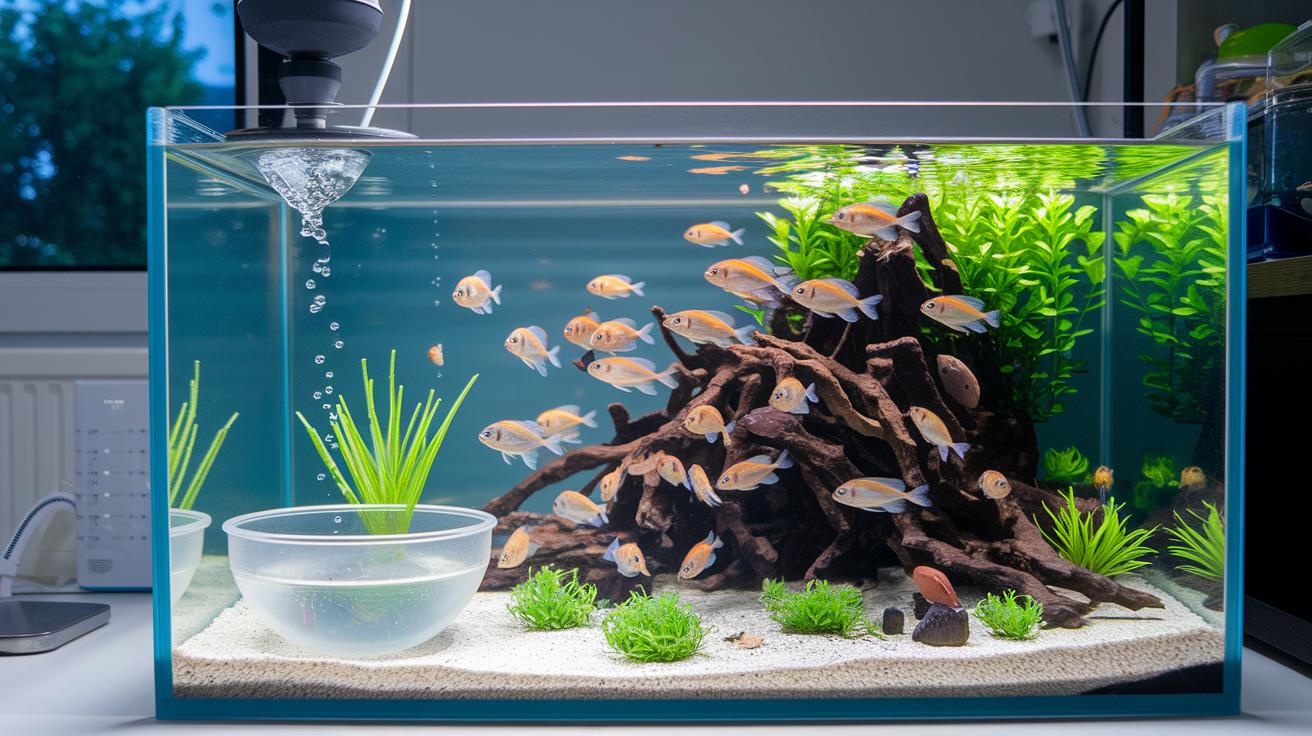
To keep your aquarium happy and healthy, try some simple, regular upkeep tasks. Every time you do a 20–30% water change, rinse your sponge filters with a bit of old tank water. This helps wash away the debris and keeps those good bacteria busy so your filter runs smoothly.
Don’t forget to switch out your chemical media, like activated carbon, every 4–6 weeks as the instructions suggest. This little change not only keeps your water clear but also stops toxins from building up, ensuring your tank feels as fresh as a cool stream.
Also, take a minute each month to check your heater, lights, and air pump. Look out for clogs, rust, or any signs that something might not be working as it should. These quick checks help catch issues early, so you won’t face an unexpected breakdown.
Lastly, be sure to remove any mineral buildup from your fixtures and clean your tubing. Keeping these parts tidy means the water flows just right, giving your fish a safer, more inviting home.
Step-by-Step Guide to Fish Filter Cleaning Practices for Enhanced Filtration Efficiency
When your filter is in great shape, it's like your aquarium is getting a refreshing bath on a sunny day. A clean filter works better and means your fish get to breathe fresh water. Here are six easy steps to care for the mechanical, chemical, and biological parts of your filter.
- Rinse the mechanical media with some old tank water when you change about 20–30% of your water each week. Imagine it like washing away hidden debris, leaving gentle ripples of clean water behind.
- Replace activated carbon or other chemical media every 4–6 weeks. This clears away the toxins that slowly build up and weigh down your filter.
- Vacuum the substrate to pick up debris before it can reach the filter intake. This step keeps the extra waste from clogging your system and helps your tank stay crisp and fresh.
- Clean or swap out the biological media once a month to keep the friendly bacteria happy. Think of these tiny helpers as little caretakers breaking down waste naturally.
- Keep a close watch on the flow rate. If it drops by about 10% from its usual rate, that's a gentle reminder that part of your filter might be getting clogged.
- Finally, test the ammonia and nitrite levels after you finish your cleaning. This little check will help you know that your filtration is doing its job, keeping your aquatic friends safe and their home just right.
Effective Heater Calibration Tips and Corrosion Prevention Methods for Long-Term Device Durability
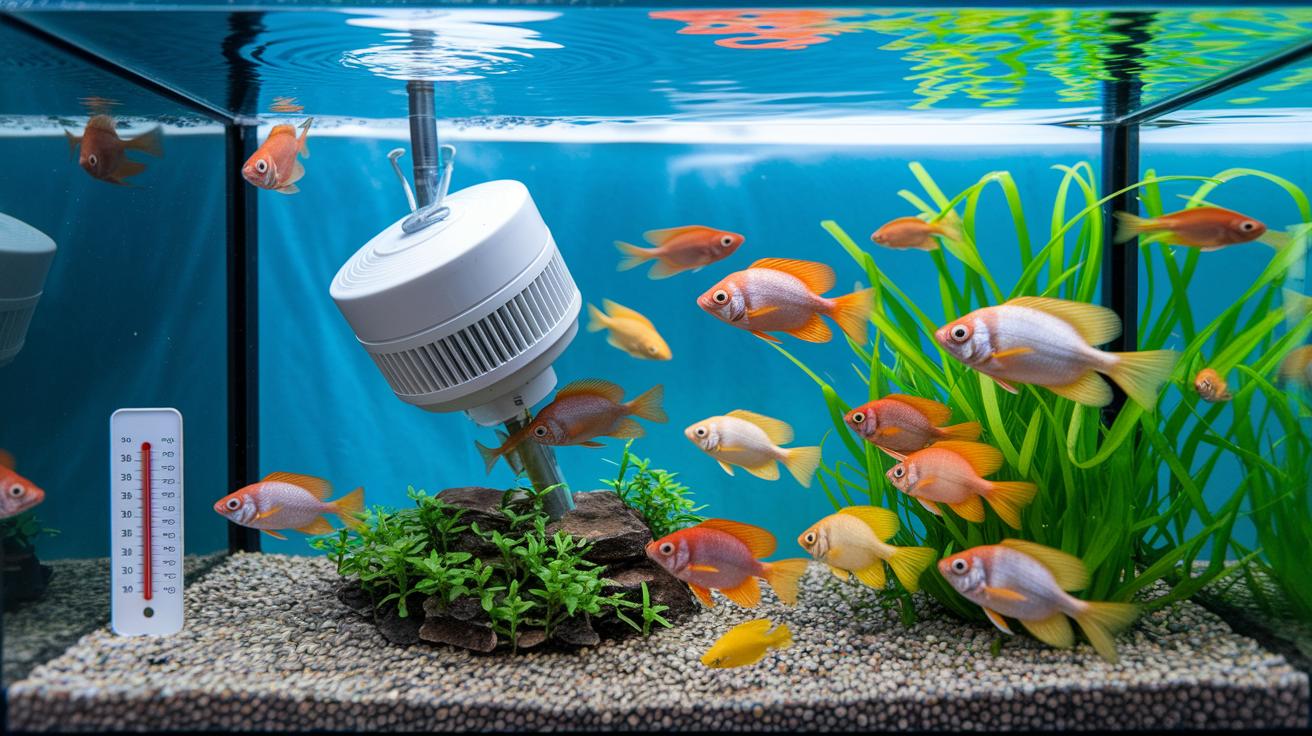
Keeping your heater in check is like making sure your underwater haven stays warm and inviting. Every month, grab a trustworthy aquarium thermometer and measure your heater’s temperature. This little check helps you spot any changes early, so your fish always swim in water that feels just right. It also helps to compare the reading with the overall feel of your tank.
Every three months, treat your heater like you would a delicate treasure. Soak its heating part in a mild vinegar solution to clear away any buildup. This gentle scrub keeps your heater in top shape and ensures it works smoothly for your aquatic friends.
Take some extra time to look over the heater’s casing and its electrical cords every month. Watch out for tiny rust spots or pitting that might lead to corrosion. And remember, keeping your water hardness balanced is key, it helps prevent scale from forming and makes your heater last longer.
| Task | Recommended Interval | Maintenance Notes |
|---|---|---|
| Verify Heater Accuracy | Monthly | Use a trusted aquarium thermometer to check temperature |
| Descale Heating Elements | Quarterly | Soak in a mild vinegar solution to clear buildup |
| Inspect Heater Casings & Cords | Monthly | Look for rust or pitting; replace if needed |
| Balance Water Hardness | Ongoing | Maintain recommended levels to avoid scale formation |
Routine Pump Performance Checks and Water Circulation Optimization Strategies
Keeping your pump in tip-top shape is like ensuring your favorite stream flows smoothly. Start by taking out the impeller and checking the housing every month. Think of it as giving your system a little heart check, just like you’d tune up a bike to keep it riding well.
Next, compare your pump’s flow rate with the manufacturer's gallons per hour rating. If it's running about 10% lower than expected, that’s your cue to clean it up. Imagine your pump is like a garden hose; a tiny blockage can slow the water down and leave parts of your tank feeling a bit still.
When you change the water, take an extra moment to gently brush the intake screens. This little step helps remove any buildup that might disturb the water flow, making sure your fish always enjoy fresh, oxygen-rich water.
Every few months, give the spray bars or output nozzles a quick adjustment. This tweak spreads the water evenly around your tank, preventing any corners from becoming lifeless. Following these simple steps means your pump works efficiently and your aquatic world stays lively.
Designing a Comprehensive Servicing Checklist to Prevent Algae Blooms and Toxic Buildup
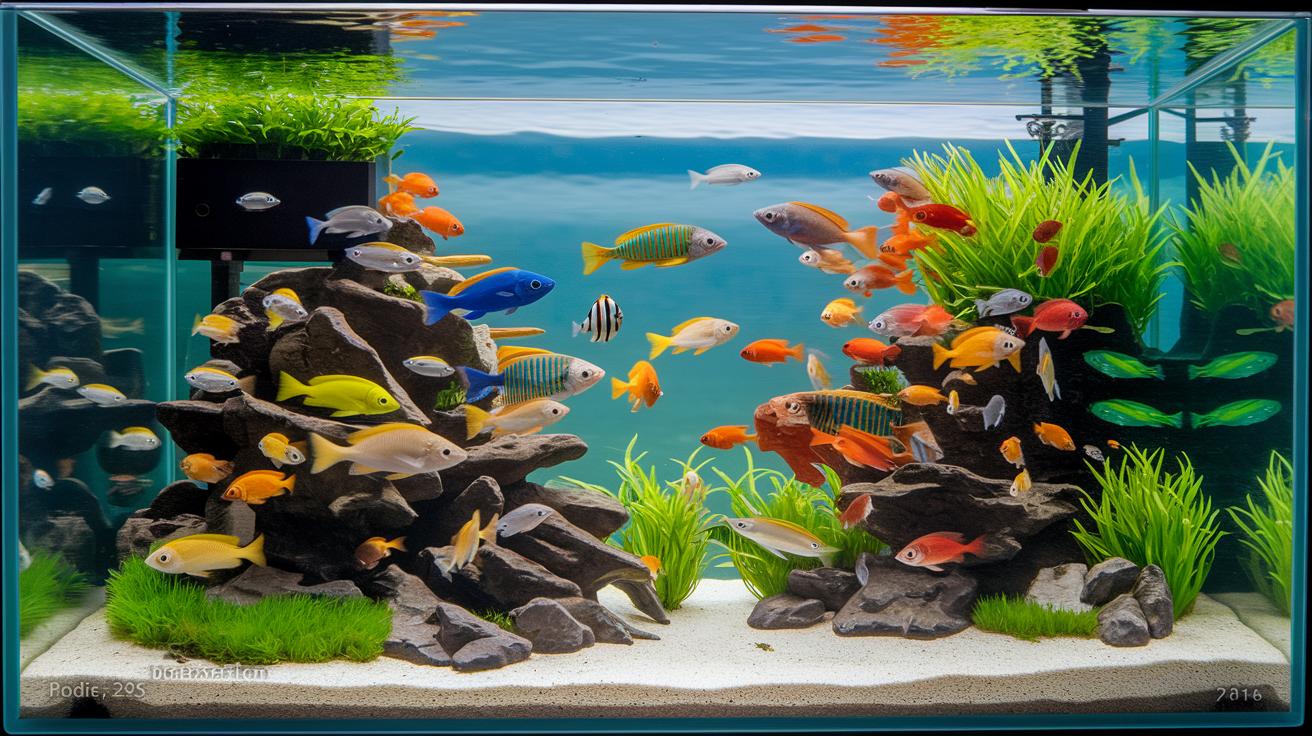
Keeping your aquarium in tip-top shape is like setting up a cozy underwater home for your fish. A regular routine helps prevent algae from taking over and keeps harmful toxins at bay. Here’s a simple checklist to guide you through daily, weekly, and monthly tasks:
- Keep your tank light on for 8 to 10 hours each day. Check your timer every month to make sure your lights mimic nature’s day and night, creating a peaceful, natural vibe in your tank.
- Every week, give your tank floor a gentle vacuum. This is like tidying up the sandy bed by scooping out leftover food and debris so nothing unwanted builds up.
- Change 20 to 30 percent of your water every one or two weeks. Imagine this as a soft refresh for your tank, replacing part of the water to keep nutrients in balance.
- Add algae-eating friends like Plecos or Siamese Algae Eaters. They work like helpful neighbors, naturally curbing algae growth in your aquatic community.
- Rinse and swap out your chemical media once a month to keep the water as clear as a calm lake. A fresh filter helps the system work at its best.
- Test your water’s pH, ammonia, nitrite, and nitrate twice a month. These quick checks are like small health exams for your tank, catching issues before they become big problems.
- Wipe down decorations and glass panels every two weeks. This simple step keeps the tank looking bright and free of sneaky algae spots.
Proactive Diagnostics and Troubleshooting Tank Issues to Cut Maintenance Costs
Adding a little extra care to your daily routine can actually save you money on maintenance. When you're checking water quality and looking over your equipment, take a moment to watch your fish. For instance, if you notice a fish swimming slowly or hiding more than usual, like the time I saw a goldfish lingering at the bottom, it might be an early sign of stress or illness.
Next, run your water tests every week. Check out the pH, ammonia, nitrites, and nitrates to catch any tiny problems before they grow. While doing your water change, give the tubing, seals, and connectors a once-over to spot any leaks or signs that something might go wrong.
Also, pay attention to the sounds of your pump and filter. A new or odd hum can be like a little whisper that warns you about mechanical wear before it turns into a bigger issue.
- Keep an eye on your fish's behavior every day.
- Test your water parameters weekly.
- Check your equipment carefully during water changes.
- Listen for any unusual sounds from your pump or filter.
Best Practices for Scheduling Systematic Habitat Inspections and Planning a Cleaning Schedule
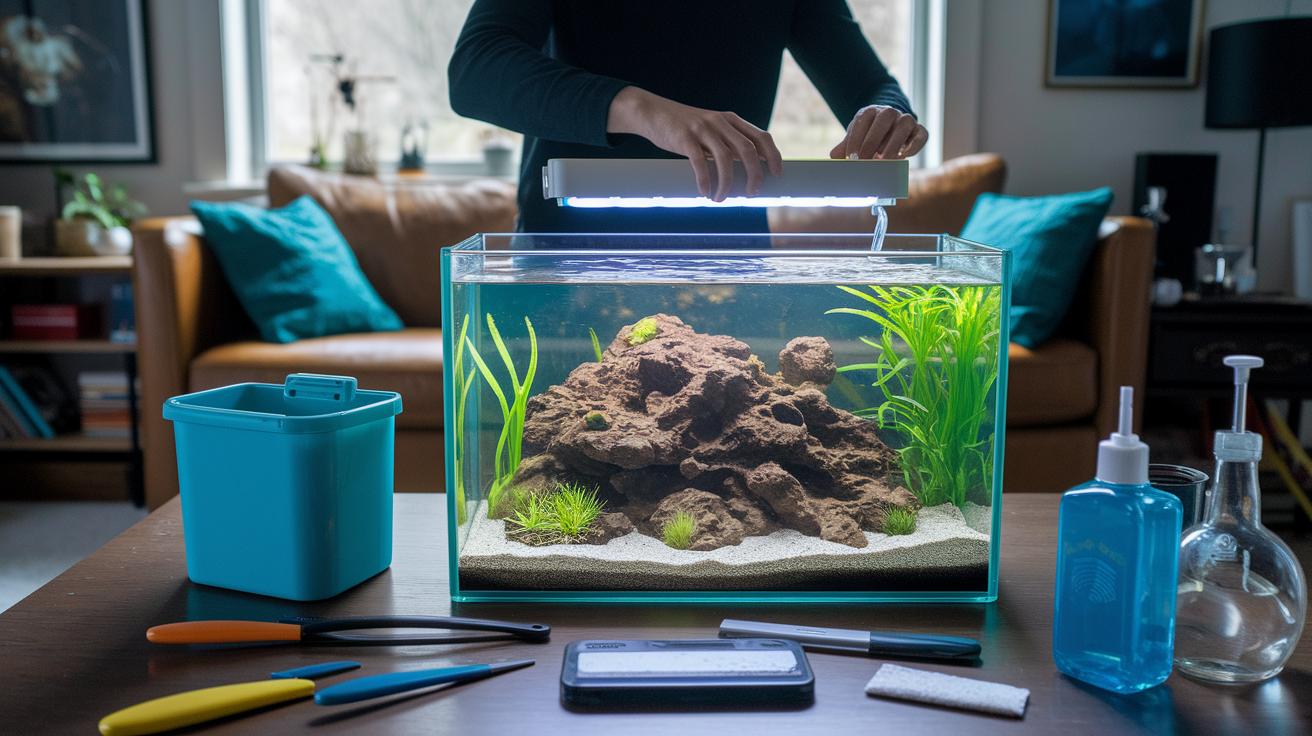
Setting up a regular cleaning routine is a bit like drawing a treasure map for your underwater home. You start by laying out a monthly plan that shows when to change the water, service your filter, and clean the substrate. This simple calendar guides you, making it hard to miss any important task.
Try using digital reminders or a printed checklist to mark off what’s done and what’s coming up next. You might even set a phone alert that says, "Time to inspect your heater and pump!" This little nudge keeps you on track, just like a friendly tap on the shoulder.
Next, it makes sense to line up your heater, pump, and light checks with your water changes. Doing these tasks together saves you time and keeps every part of your tank in top shape. Plus, keeping a small toolkit with spare parts gives you a ready fix if something unexpected happens.
Every few months, take a look at your equipment manuals and tweak your schedule if needed. With a routine that fits your tank’s lifestyle, you'll keep your aquatic world healthy and welcoming, like a calm, clear pond on a sunny day.
Long-Term Cost and Ecosystem Benefits of Consistent Equipment Upkeep
Keeping up with your pump and heater care along with regular check-ups not only helps your equipment last longer but also cuts down on surprise repairs and saves energy. Imagine giving your tank a little weekly look-over; it’s like a gentle nudge that keeps everything in tip-top shape.
This steady care builds a calm and stable underwater world, which means fewer unexpected hiccups and a smoother, more efficient energy flow. For more details on how you can cut replacement costs and even lower your bills by about 10–15%, check out the sections where we dive deeper into these tidy savings.
Final Words
In the action of keeping your aquarium thriving, regular care helps maintain water quality, optimize filters, and safeguard device performance. Splitting tasks like cleaning filters, calibrating heaters, and checking pumps keeps your aquatic space balanced and inviting.
Routine checks explain why regular maintenance of aquarium equipment is essential to prevent toxins and keep fish healthy. With scheduled inspections and simple steps, your setup becomes a lasting, comfortable home for your finned friends. Enjoy the rewarding calm that comes from a well-kept tank.
FAQ
Q: Explain why regular maintenance of aquarium equipment is essential
A: Regular maintenance of aquarium equipment is essential because it prevents toxin build-up, keeps water quality high, and supports healthy aquatic life by removing waste and uneaten food that could harm your fish.
Q: Why is regular cleaning of an aquarium essential?
A: Regular cleaning of an aquarium is essential because it helps control ammonia and nitrite levels, keeping the water clear and chemical balance stable, which supports a thriving, stress-free fish habitat.
Q: What is a typical aquarium maintenance checklist?
A: A typical checklist includes tasks such as weekly water changes, filter cleanings, substrate vacuuming, and regular water chemistry tests along with monthly inspections of heaters, pumps, and other equipment.
Q: How do aquarium maintenance services or kits help beginners care for their tanks?
A: Aquarium maintenance services and kits help beginners by providing essential tools, clear instructions, and professional support, making routine tasks simpler and ensuring a healthy environment for their aquatic pets.
Q: What is a regular maintenance schedule for aquariums?
A: A regular maintenance schedule for aquariums often involves weekly water changes, monthly equipment inspections and cleanings, and quarterly media replacements, establishing a steady routine that keeps the ecosystem balanced.
Q: What is the golden rule for tank maintenance?
A: The golden rule for tank maintenance is consistency, meaning regular cleaning and carefully timed inspections that help keep water chemistry stable and prevent equipment issues before they arise.
Q: How much maintenance is required for a fish tank?
A: A fish tank typically requires weekly water changes, monthly cleaning of filters and equipment, and periodic checks on water parameters; the exact frequency can vary based on tank size and fish stocking levels.