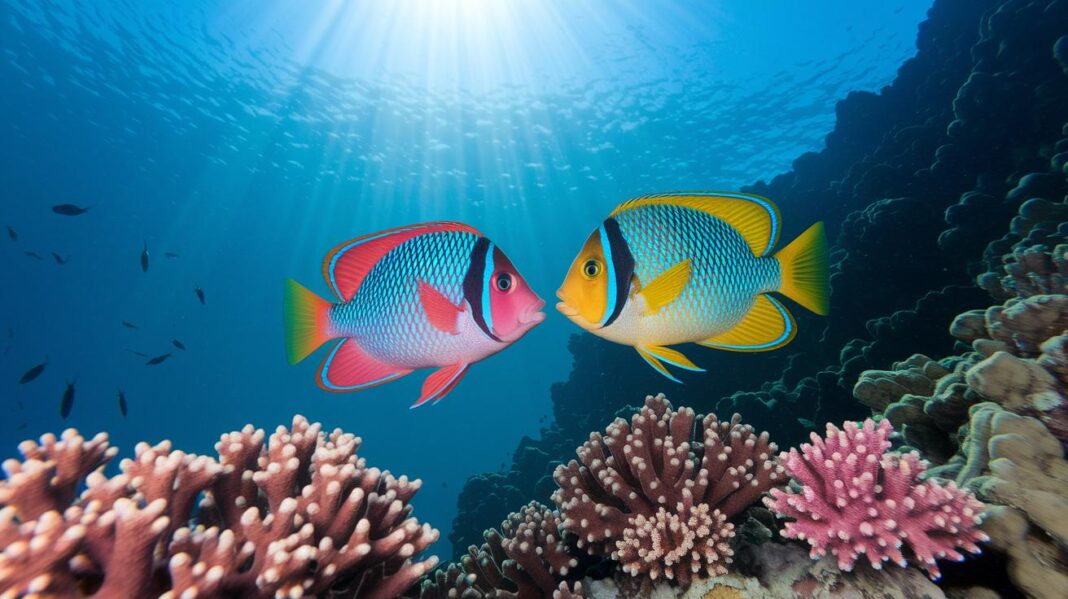

Ever wonder if your fish are like tiny little socialites? Underneath the shimmering water, they quietly chat with each other in their own special way. Watching their gentle group movements or quick flashes of territorial behavior can give you insight into how they’re feeling.
In this guide, we dive into the subtle dance of fish social life and how understanding these cues can help you create a more peaceful aquarium home. Get ready to see your fishy pals in a whole new, friendly light.
Key Elements of Fish Social Behavior
Fish social behavior is all about how our finned friends move, eat, and interact in their watery world. Think of it like watching a peaceful ballet, where fish swim in groups to feel safe and connect with each other. When fish school, like tetras or rasboras, they move together in perfect unison, kind of like watching a calm, swirling dance that confuses any potential threats.
Then there’s shoaling. Here, fish like guppies and mollies hang out loosely, chatting in their own watery language and keeping an eye out for each other. It’s a bit like strolling with friends through a busy park, a mix of fun and safety.
Territorial behavior adds another exciting layer to their lives. Take the German Ram Cichlids, for example. They show off by chasing, nipping, and flaring their fins around a favorite patch of moss, almost as if they’re saying, “This is my spot!” And when it comes to breeding, the scene gets even more fascinating. Male bettas build bubble nests early in the breeding season to attract females, a real underwater nature ballet. Some cichlids even carry their fry in their mouths, protecting their little ones with gentle care.
Observing these behaviors is like reading the diary of your aquarium. By watching for the little cues, whether it’s a burst of synchronized swimming, a sudden territorial chase, or even a hint of a color change, you can tell if your fish are happy and healthy. This daily check-up makes it easy to spot any signs of stress or changes in water quality, so you can make quick changes to keep everything safe and serene.
Isn’t it amazing how much personality lives behind those shimmering scales?
Fish Communication: Signals and Cues
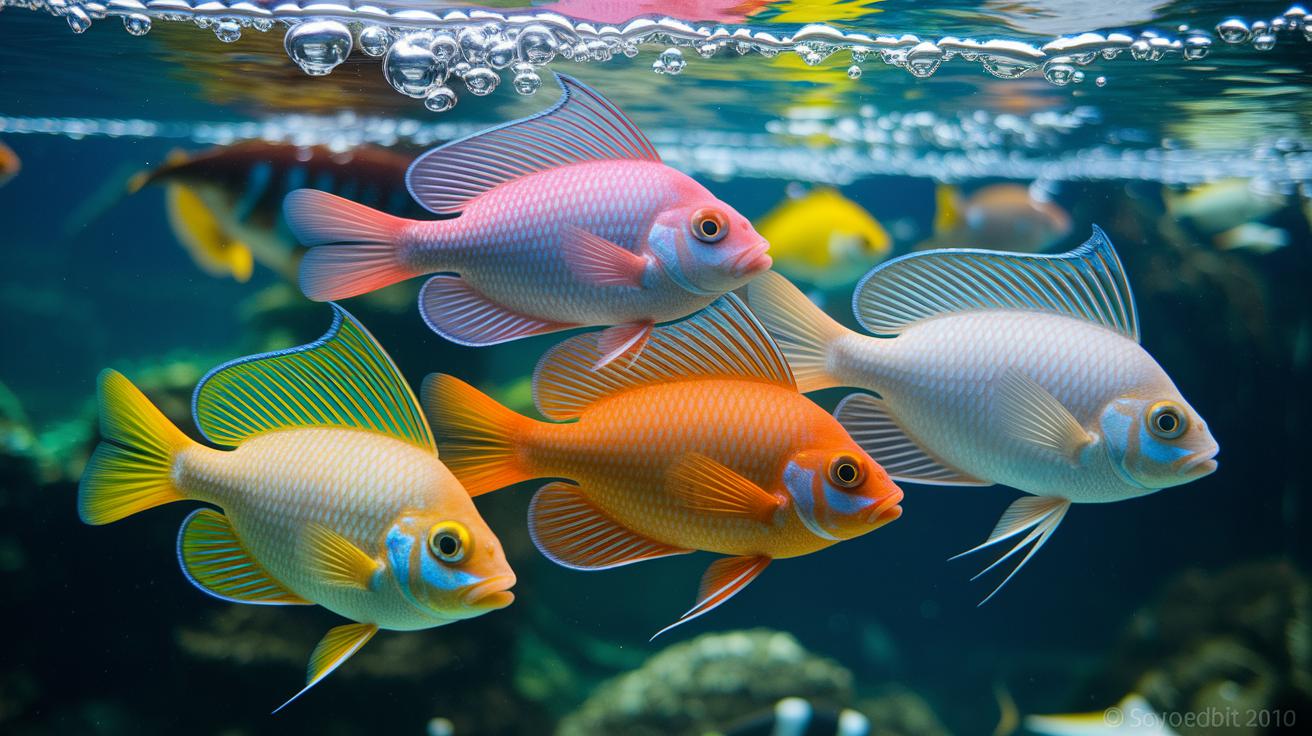
Have you ever noticed how fish seem to talk in their own special way? They use a mix of color shifts, fin displays, and even gentle sounds to share how they feel. For instance, a fish might brighten its colors or fan its fins wide as if it were smiling to show excitement or a readiness to mate. And sometimes, they add soft clicks or grunts into their chat, like tiny underwater whispers shared with their close companions.
At the same time, fish also send out chemical messages. They release natural scents called pheromones, which work like little notes that mark their territory or say "I’m ready!" Think about the Ram Cichlid leaving a faint trail in the water to carve out its space. Researchers even tell us that detailed tracking can tell apart a bump meant in anger from a gentle touch during courtship.
| Type | Description |
|---|---|
| Visual | Color shifts and fin displays |
| Chemical | Pheromones and scent messages |
| Acoustic | Soft clicks and grunts |
| Tactile | Gentle touches and nudges |
All these signals work together, much like the gentle ripple of water connecting every part of an aquarium. By using sight, scent, sound, and touch, fish help each other know when it’s time to feed, stay clear of danger, or simply keep the peace. It’s a beautiful, natural conversation that keeps underwater friends united and their home balanced.
Schooling, Shoaling, and Collective Movement in Fish
Have you ever watched your fish swim together like they’re having a little underwater chat? When fish school, like Black Neon Tetras, they create a perfect, moving barrier that not only stuns any would-be predators but also helps them glide through the water with less effort. On the other hand, shoaling is much more laid-back. Fish like guppies and mollies stick close together, sharing clues about food spots and safety with one another.
| Behavior | Definition | Examples | Key Benefits |
|---|---|---|---|
| Schooling | Fish swim in tight, synchronized patterns | Black Neon Tetras | Dodges predators and saves energy |
| Shoaling | Fish gather casually for social reasons | Guppies, Mollies | Shares food tips and increases safety |
| Collective Defense | Coordinated moves to face dangers | Various species teaming up | Boosts overall protection through group effort |
It’s really amazing how these underwater communities work. They use simple signals, like aligning with their neighbors, to make quick, group decisions that help them dodge danger and find food. Watching these fish is like seeing a gentle dance of nature, where every small move by one creates a ripple of safety and harmony through the whole school.
Territorial Instincts and Social Hierarchies in Fish
Territorial Displays and Defense
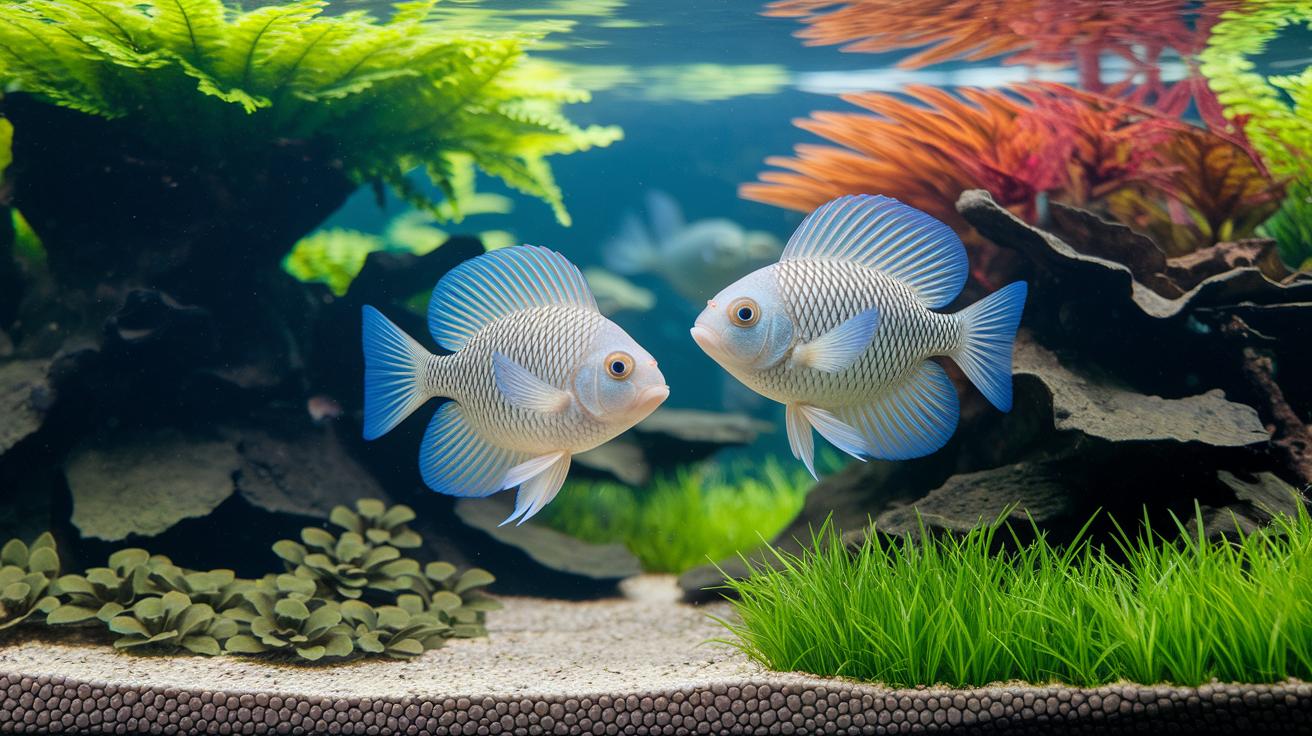
Fish often act like mini bodyguards for their own little patch of water. They chase away anyone who wanders too close and may even nip at them. When a fish fans out its fins wide, it’s like waving a flag saying, "This spot belongs to me!" Take German Ram Cichlids, for example. They use clear fin signals and even leave behind a gentle chemical message, letting others know to steer clear of their mossy home.
Sometimes, fish leave behind a subtle scent trail, a hint, almost like saying, "This is my territory!" Such signals help prevent mix-ups, so each fish knows where to find food and safe breeding areas without constant squabbles.
Establishing Hierarchy
In any busy tank, a natural order develops. The top fish, or the alpha, usually gets first dibs on the best bits of food and the comfiest corners. Other fish show they’re cool with this by lowering their fins or giving small nods of respect. It’s like a quiet agreement that helps keep everyone calm and happy.
When a fish bows its head or glances away, it’s a gentle reminder to the leader of its place in the group. This everyday body language keeps the tank running smoothly, with each fish understanding its role.
Together, these neat displays and quiet acknowledgments create a well-organized little community. A fish’s marked territory defines its own space, while the hierarchy ensures that everyone gets their fair share in a calm, balanced way. This natural order not only cuts down on fights but also helps the group band together when they need to defend against any threats.
Understanding Fish Social Behavior: A Bright Outlook
Courtship and Nesting
Male bettas build bubble nests to attract females, flashing bright colors in a lively underwater dance. Their graceful moves do more than catch the eye, they signal a new start. Watching these vibrant displays is like catching a glimpse of nature’s own spark, simple and heartwarming.
Many tetras and danios join in as a team during spawning, gathering in shoals to release their eggs together. This group effort creates a shared brood that benefits everyone, much like a well-orchestrated celebration where every fish plays an important part in renewing their aquatic home.
Brood Care and Parental Roles
Mouthbrooding cichlids show real care by keeping their eggs and little fry safe in their mouths during the early days. This special way of nurturing is like a loving guardian protecting precious treasures. Some species even stick around to guard their nests, ensuring a secure spot for their future offspring.
Cleaner wrasses add another twist by cleaning other fish, building trust across the community. Their friendly work helps keep the water safe and healthy, while other fish use their protective ways to make sure every fry grows up in a secure environment.
Environmental and Ecological Factors Shaping Fish Social Behavior
Ever notice how the temperature of the water can change a fish's mood? Cooler water makes them slow down, moving gently together like they’re drifting through a calm stream. In a chillier tank, a school of fish might seem to float lazily as if they're enjoying every peaceful moment. And when there's less oxygen dissolved in the water, fish tend to gather at the surface, sticking closer together to snag the extra air they need.
Water chemistry also plays its part. Even small shifts in pH, whether a bit more acidic or alkaline, can cause fish to change their behavior. You might see them dart around differently or come together in a safe group, almost like they’re adjusting to a brand-new beat in their watery world.
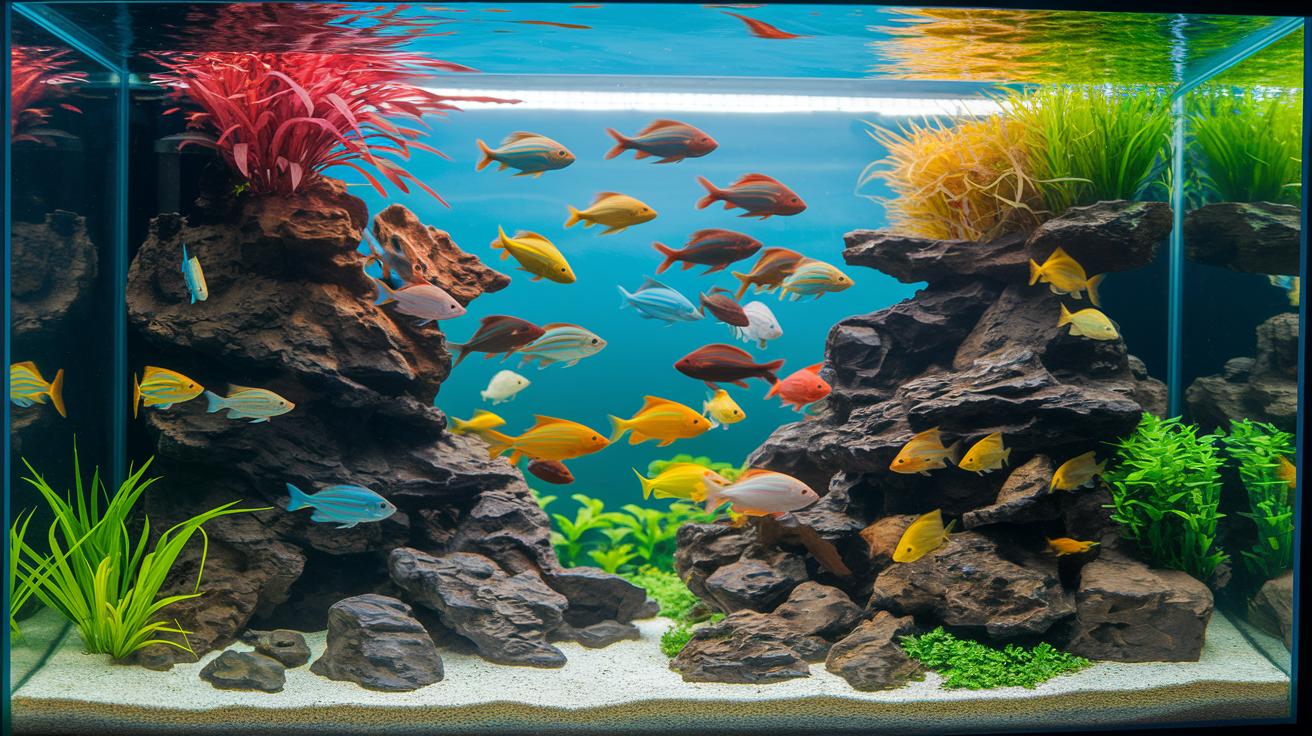
Then there’s the tank’s layout. In tanks filled with lots of plants and rocks, fish often form smaller, tighter groups. These natural hideaways give each fish its own little space, reducing constant competition and helping everyone feel a bit more secure.
And what about the presence of a predator? When danger feels close, fish quickly pull together, moving in sudden, coordinated bursts to escape. This rapid response not only lowers the risk of harm but also strengthens the bond among the group, reminding us how valuable community can be, even under water.
Observing and Enhancing Fish Social Behavior in Aquariums
Start by keeping a daily journal of your fish’s activities. Notice how they swim, if their colors change, or if their fins move in new ways. For example, if a fish that usually swims with the crowd suddenly ends up on its own or moves oddly, it might be feeling stressed. These small signs, like soft ripples on water, can tell you a lot about your fish's overall well-being.
Next, try changing up your tank setup to help your fish interact better. Add little caves and plants as natural landmarks that give shy fish safe spots and help calm down any aggressive behavior. Keeping just the right number of fish also helps them swim naturally together. And don’t forget to check your water often, keep an eye on things like pH, ammonia, nitrite, and oxygen, so your fish can enjoy a healthy home.
By tracking what you see and tweaking your tank setup, you create a balanced space where your finned friends can thrive. These everyday practices not only support natural social interactions but also help you catch any early signs of trouble, keeping your underwater community both peaceful and full of life.
Final Words
In the action, we explored how fish interact in their underwater world, from synchronized swimming and visual cues to territorial signals and soothing breeding rituals. We looked at ways to craft a tank that supports natural grouping habits while keeping water conditions steady. This guide deepens your understanding fish social behavior, ensuring your tank stays vibrant and stress-free. Keep experimenting with décor and water tests to see your aquatic friends flourish. Enjoy the simple joys of watching your tank come alive!
FAQ
What does the “Understanding fish social behavior pdf” cover?
The PDF explains fish social behavior by outlining interactions like schooling, territorial actions, and mating displays in clear, visual detail to help readers quickly grasp these dynamic aquatic patterns.
What does the “Understanding fish social behavior ppt” include?
The PowerPoint shows fish group dynamics through slides that illustrate synchronized swimming, chemical signaling, and other social cues that make fish behavior easy to study and understand.
What content does the “Understanding fish social behavior book” provide?
The book details fish social behavior by discussing how interactions affect movement, feeding, and reproduction, and it offers real-life examples to help readers appreciate aquatic social patterns.
What are social fish for aquariums?
Social fish for aquariums are species that thrive in groups, like tetras and guppies, which display coordinated swimming and group formations that keep them healthy and stress-free.
Why might young fish want to stay in coastal habitats like the ones in this study?
Young fish stay in coastal habitats because these areas offer plenty of food, safe hiding spots, and opportunities to learn group behavior that can improve their chances of survival.
What are social fish species?
Social fish species, such as tetras and guppies, show lively group behaviors like schooling and shoaling, which help protect them from predators while providing better feeding opportunities.
What is the social behavior of a fish?
The social behavior of a fish includes interactions like schooling, territorial displays, and mating rituals that work together to boost survival and maintain healthy group dynamics.
How do you understand fish behavior?
You understand fish behavior by watching their movement patterns, body signals, and interactions during feeding or breeding, which reveal key signs of their health and social well-being.
Why is it important to understand social systems in fish?
Understanding social systems in fish helps aquarists spot stress or illness early, manage tank mates better, and create an environment where fish can interact naturally and thrive.
What are the social structures of fish?
The social structures of fish include organized hierarchies, territorial arrangements, and group movements that reduce conflict and help maintain balance in aquatic communities.