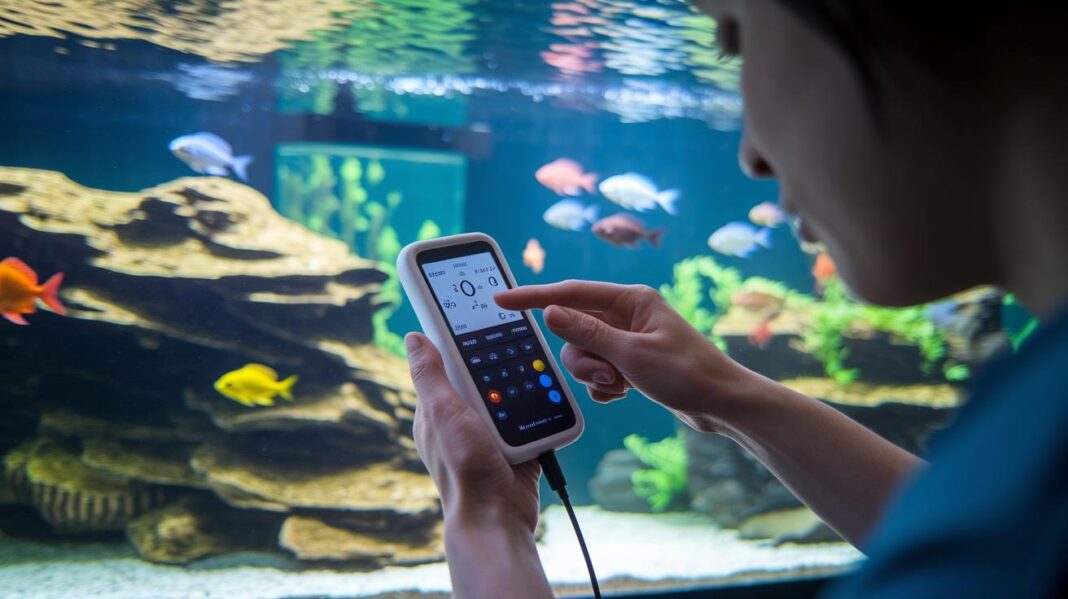

Have you ever thought a tiny gadget might be the secret to a vibrant tank? A well-tuned pH meter really makes your water shine.
I remember my very first aquarium setup and how a simple calibration helped my fish feel more at home. It felt like adjusting the gentle flow of water in a hidden stream.
Today, I want to share easy steps to keep your pH meter reading just right. Think of it like tuning your favorite instrument, ensuring every note of your tank's life is in harmony.
With just a bit of regular care and simple upkeep, you can bring big rewards to your aquatic sanctuary. Ready to dive in and create a delightful home for your fish? Let's jump into it together!
Essential Steps for Calibrating Your Aquarium pH Meter
Before you start, take a moment to read your pH meter's manual. A quick look at the guide can save you from mistakes later on, just like double-checking your tank's water before putting in a new fish. I remember the first time I set up my aquarium; that little reminder kept me on track.
Make sure you calibrate the meter before its first use, after it’s been sitting idle, when you attach a new electrode, or if you need to check a different pH range. Doing this keeps your readings spot-on even as the electrode’s performance changes with time.
Next, follow a two-point or multi-point calibration method. In simple terms, choose buffer solutions that cover both the high and low ends of your aquarium’s pH scale. It’s like setting your compass to catch both the gentle ripples and the strong currents, ensuring your meter responds accurately over the full range.
Rinse the electrode in deionized water using a rinse bottle or small beaker. Stir it gently for about 4 to 6 seconds to clear away any residue, and then carefully dab off the extra water without wiping the glass tip, imagine cleaning your favorite coffee mug without disturbing its taste.
Finally, keep an eye on the slope and offset as defined by the Nernst Equation. While this might sound a bit technical, think of it as tuning a fine instrument to make sure it’s playing the right melody for your aquatic scene.
| Tip | Description |
|---|---|
| Read the manual | Know your device by checking the guide |
| Calibrate at key times | Before first use, after idle time, or when changing the electrode |
| Use two-point calibration | Cover both high and low pH ranges for accurate readings |
| Rinse with care | Clean the electrode gently to keep it working perfectly |
Maintaining Your Aquarium pH Meter: Cleaning and Storage Best Practices
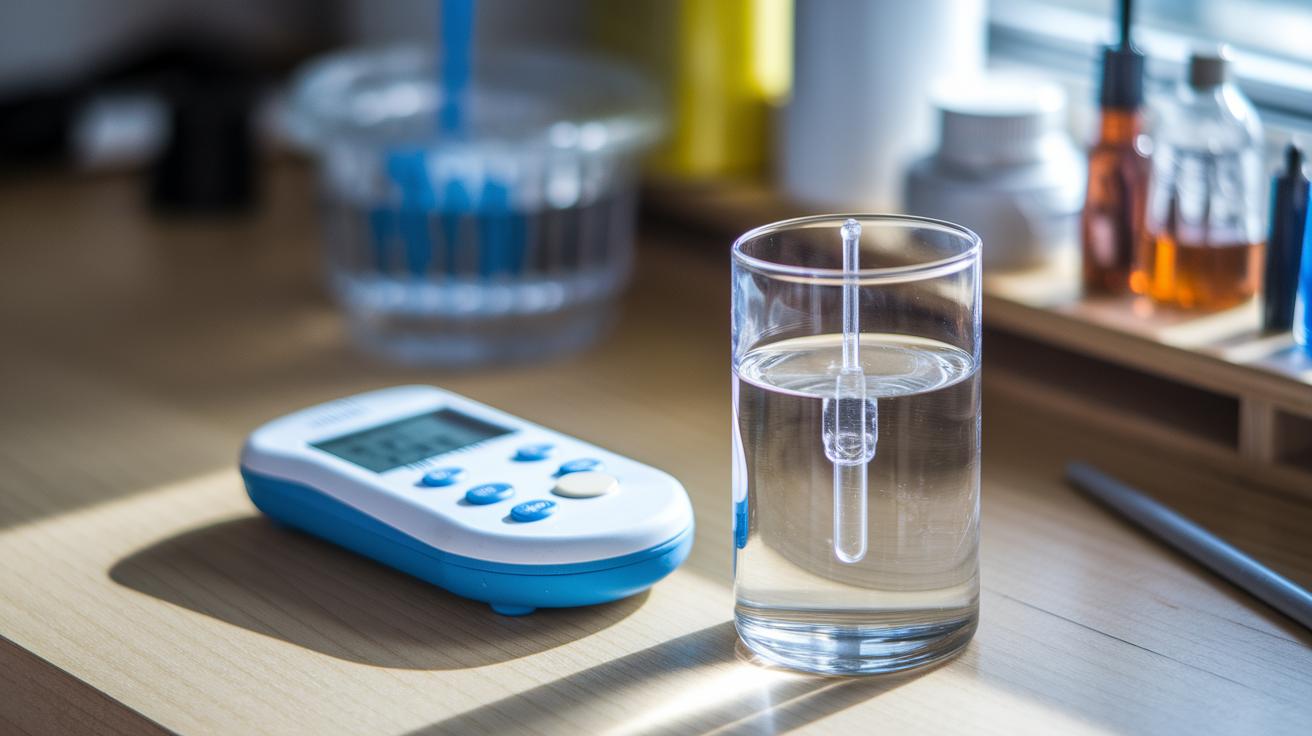
Treat your pH meter’s electrode like a dear water friend. When you store it, always use a potassium chloride (KCl) storage solution to keep its glass membrane moist. This is like feeding your electrode a little drink so it stays happy and accurate. And don’t use distilled water, it can dry out the sensor, much like a sunny day drying up a small pond.
When it’s time for a cleaning, use a cleaning solution made just for electrodes or a general one. Let the electrode soak for at least 15 minutes to wash away any oil or salt buildup. Think of it as a gentle spa day for your equipment, refreshing it so it works its best.
After cleaning, give your electrode a rinse in deionized water. Gently shake off the extra drops without wiping the delicate sensing tip. Picture those little droplets dancing off like ripples on a calm pond after a soft summer rain.
For refillable electrodes, always check that the electrolyte level stays at least a half-inch away from the top. If you notice any contamination, add fresh electrolyte with a magnetic stirrer. This extra care helps keep your pH meter reliable and ready for action, just like a well-tended aquarium that sparkles under clear, clean water.
Troubleshooting Common Aquarium pH Meter Issues
First, check your buffer solutions. Using old or contaminated buffers can throw off your meter. Always mix a fresh batch in a clean container, and never pour used solution back into the bottle. I once learned the hard way when mixing old buffer with new made my readings go haywire until I started using fresh buffer every time.
Electrode dryness can also cause problems. Make sure the membrane stays nicely wet and watch out for any salt crystals forming around the bulb. If you see your readings drifting, give the electrode a gentle rinse in deionized water. Shake off any extra droplets, just be sure not to wipe the glass tip.
If you find that your slope or offset is off, clean your electrode thoroughly, refill the electrolyte, and recalibrate your meter. Remember to check the battery too; a low battery can send your readings on a wild ride. Finally, outdated firmware might be the culprit for those pesky errors, so double-check that your meter is running the latest version.
Scheduling Recalibration and Long-Term Maintenance for pH Meters
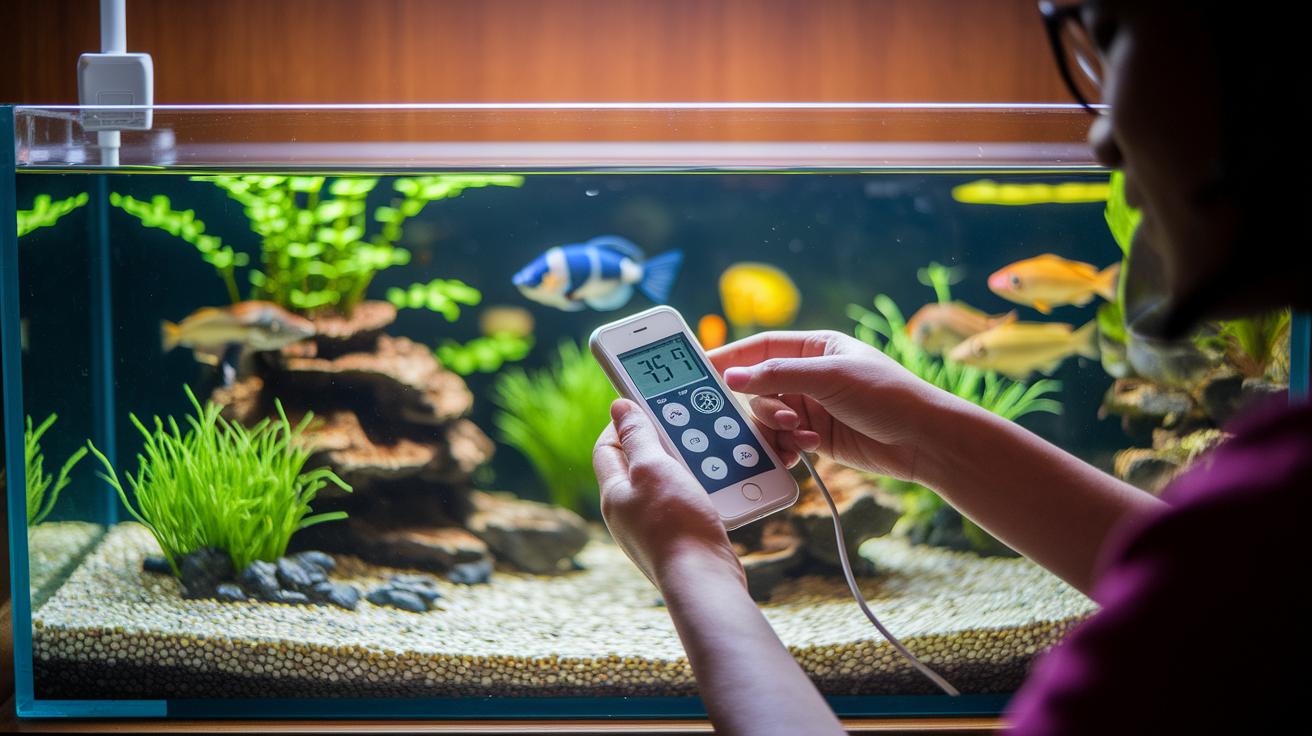
Keep a note like a little water diary every time you calibrate your meter. Write down the date when you first use it, after it’s been sitting idle, and then weekly or monthly, depending on how often you check your water’s pH. For example, you might jot down, "I calibrated on March 5th before starting my daily pH tests." This simple note will help you see any changes over time.
Before you take any new measurements, give your meter a quick health check. Look at its slope and offset, think of it like checking if a fish is swimming well. Dip the electrode in a mid-range buffer for 60 seconds and make sure the drift stays below 0.02 pH units per minute. This gentle check keeps everything on track.
- Record every calibration session
- Check the slope and offset each time
- Watch the drift with a 60-second buffer test
Be sure to document each step carefully so you can notice any trends and know when it might be time to replace the electrode.
Advanced Tips for Ensuring Accurate Aquarium pH Measurements
When you're calibrating your aquarium gear, mix only as much buffer as you need and use a magnetic stirrer to blend it gently. This small step stops air bubbles from sneaking into your pH reading, which can really throw things off. I once mixed a tiny batch and noticed a few bubbles that made my readings seem all mixed up!
Keep your unopened buffers stored at the right temperature and always check their expiration dates, because high-pH buffers might not last as long once opened. And if you're using a wireless meter, make sure its connection is solid and the firmware is updated. That way, you avoid any pesky data glitches during calibrations.
It also pays to invest in a top-notch calibration kit that comes with temperature-compensated buffers. This means your measurements adjust nicely with any changes in water temperature. Stick to these tips, and you'll notice how much smoother your device runs, keeping your underwater world clear and inviting. Regular upkeep and careful calibration really do make all the difference!
Final Words
In the action you learned key steps to setup and monitor your aquarium's pH meter. We reviewed calibration with buffer solutions, cleaning techniques to keep electrodes in good shape, and troubleshooting tips for common issues. Next, we talked about scheduling recalibration and long-term upkeep to keep measurements stable. All these steps are vital for calibrating and maintaining your aquarium pH meter while ensuring a safe and beautiful underwater world. Keep these tips in mind and enjoy a sparkling aquatic haven!
FAQ
Do I need to calibrate my pH meter every time?
Calibrating your pH meter is key to keeping your readings on point. It’s best to calibrate before the first use, after long idle periods, or when switching to a new pH range.
How do you maintain a pH meter?
Maintaining your pH meter means gently cleaning the electrode with deionized water and storing it in a potassium chloride solution. This helps keep the glass membrane hydrated and free from oil or salt buildup.
What precautions should be taken when calibrating a pH meter?
Calibrating your pH meter should be done with care by using fresh buffer solutions and gently rinsing the electrode with deionized water for a few seconds. Following your pH meter’s manual is key in preventing any mishaps.
Can I use tap water to calibrate a pH meter?
Using tap water isn’t ideal for calibrating a pH meter because it may have impurities that change the readings. Instead, use deionized water for rinsing and proper buffer solutions for calibration.