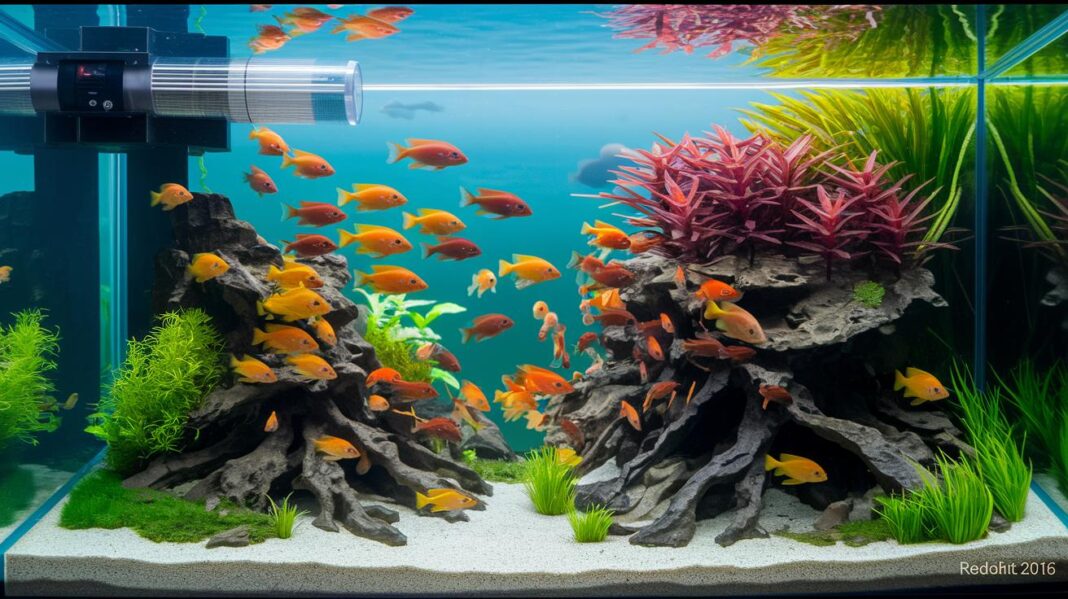

Ever notice how a few drops of water can make all the difference in your tank? A great filter works quietly in the background, much like a kind friend making sure your fish have a safe and healthy home.
Without a good filter, harmful chemicals can sneak in and harm your aquatic buddies, kind of like unexpected eddies in a stream. A well-chosen filter uses different ways to clean the water, turning a jumble of impurities into a peaceful, clear haven for your fish.
This guide shows how physical cleaning, nature-friendly live bacteria, and water chemistry all work together to create a balanced and thriving underwater world.
Filtration Fundamentals: Ensuring a Healthy Aquatic Environment
Aquariums are like little underwater worlds where every drop of water counts. Because the water stays in one place, it needs extra care to keep it clean and full of oxygen. Without a good filter, waste can build up fast and make the water unsafe for your fish.
Fish tanks also gather natural byproducts such as ammonia, nitrite, and nitrate. Ammonia comes from fish waste, old plants, or bits of food that weren’t eaten. It can quickly turn dangerous if too much builds up. Luckily, good bacteria in the tank help change ammonia into nitrite and then into nitrate, which is much less harmful. Even so, too much nitrate can stress out your fish, so it’s important to keep an eye on these chemicals.
A solid filtration system mixes three different types of filters. Mechanical filters, using sponges or filter pads, catch bits of debris and waste. Biological filters give a home to friendly bacteria that break down harmful chemicals. Chemical filters, often made with activated charcoal, remove dissolved substances that the other filters might miss. Together, these filters work like a gentle current, keeping your aquarium healthy and full of life.
Mechanical Filtration Methods for Particulate Removal
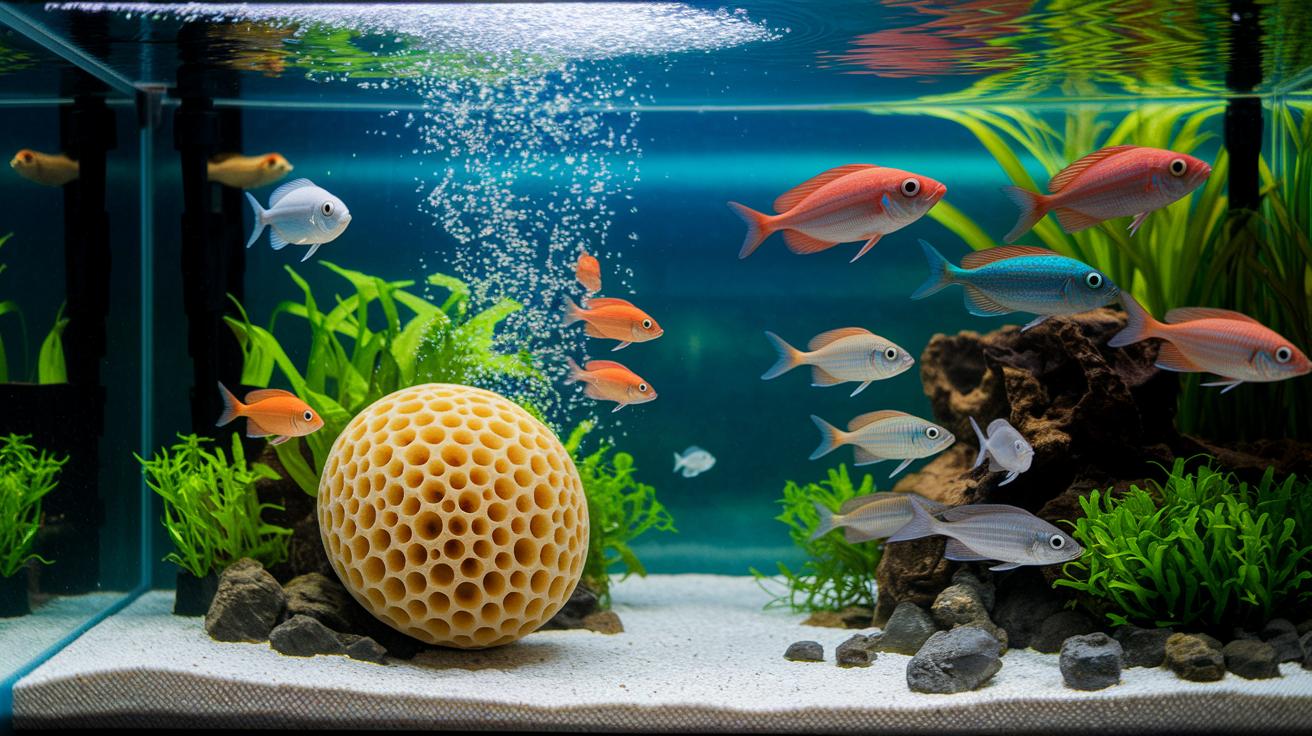
Mechanical filtration is like a friendly guard that catches bits of debris and leftover food before they break down into harmful compounds. Think of it as nature’s own strainer for your tank, much like a coffee filter keeps grounds out of your cup. A sponge filter does the same job in your aquarium by trapping particles that might otherwise turn into dangerous ammonia and nitrites.
Common media for this job include sponges, filter pads, and floss. These materials work by holding particles in a network of tiny spaces. When water flows through, the mesh catches debris just like a net scoops up small fish in a stream. This approach helps protect your aquatic friends by keeping the water clean and clear.
Taking care of your mechanical filter is key. Give it a gentle wash every month, like a soft bubble bath for your tank. Depending on how busy your aquarium is, you might need to replace the media completely every four months. Just remember, while mechanical filters are great at catching particles, they don’t remove dissolved toxins. For the best water clarity, they work best when teamed up with other filtration methods.
Biological Filtration Processes and Nitrifying Bacteria Cultivation
Imagine your aquarium as a clear, peaceful pond where tiny helpers work tirelessly. These friendly bacteria are like little janitors, breaking down waste from fish and decaying plants, so harmful ammonia never builds up. They keep the water as fresh as a cool stream, creating a safe haven for your aquatic pals.
The process behind this magic is called nitrification. Simply put, ammonia first changes into nitrite and then into a gentler nitrate. Both ammonia and nitrite can be harmful even in small amounts, so these bacteria are vital for keeping your tank balanced and healthy.
Many fish keepers swear by biological media like Seachem Matrix or volcanic chips because they offer a cozy home for these bacteria. Rinsing the media with aquarium water instead of tap water helps the colonies stay strong and clutter-free. Plus, using additives like Seachem Stability can give your friendly bacteria a boost in busy tanks, ensuring that ammonia is quickly transformed into a safer form for your aquatic community.
Chemical Filtration Techniques for Water Polishing and Toxin Removal
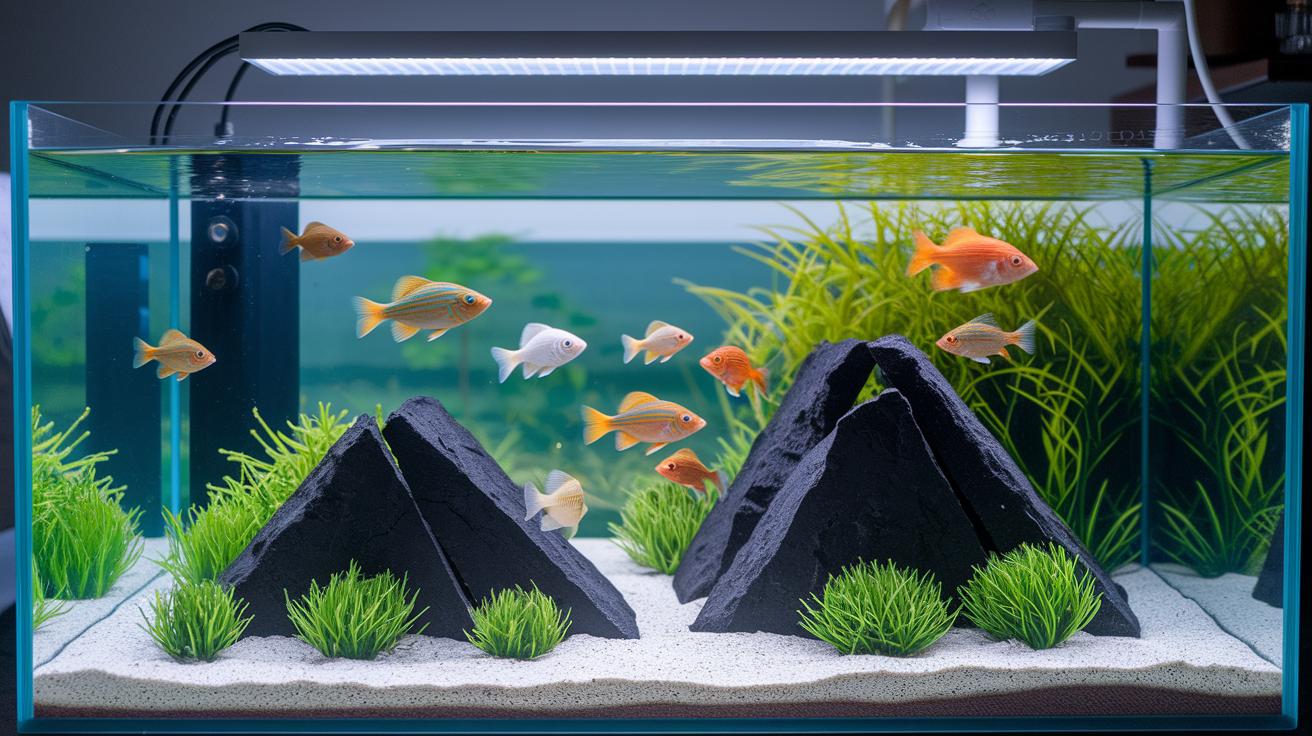
Think of chemical filtration as the final, gentle sweep to polish your aquarium. It’s the step that picks up the dissolved waste left behind by other filters, much like a soft brush clearing away tiny particles in a calm pool. Instead of catching big bits of debris, this method focuses on absorbing nasty compounds that can cloud your water and stress your fish.
You might have heard of activated charcoal, Chemipure Elite, or Seachem Purigen as common choices for chemical media. Activated charcoal acts like a sponge, trapping harmful chemicals, while Chemipure Elite and Seachem Purigen work to remove toxic substances. This process helps keep your tank balanced and safe for your fish, letting them swim in clear, healthy water.
Regular upkeep is really important here. You need to swap out or refresh the media on a schedule, usually every few weeks or months based on how busy your tank is. Simple chemical tests can tell you when it’s time for a change. Working hand in hand with mechanical and biological filters, this technique makes sure your aquarium stays as clear and inviting as a calm lake.
Filtration Equipment: Selecting the Right Filter Type for Your Aquarium
Picking a filter for your tank is a lot like choosing the perfect home for your fish. It keeps your water bright and your fish lively. Every aquarium is different, so you need a filter that fits your tank size, the fish that swim in it, and the parts of filtration like removing debris and cleaning the water.
| Filter Type | Tank Size Range | Key Features |
|---|---|---|
| Hang-on-Back | Up to 200 L | Mechanical, Biological, Chemical stages, adjustable flow, surface skimming |
| Canister | Over 200 L | Quiet operation, energy-efficient, multiple media options |
| Sponge | Under 100 L | Gentle mechanical & biological filtration, oxygenates water |
When choosing your filter, think about your tank size first. Hang-on-Back filters work best for medium tanks and do all the work with mechanical, chemical, and biological cleaning checks. Larger tanks often do really well with canister filters; they run quietly and use energy wisely. For small tanks, sponge filters offer a soft flow that both cleans the water and gives a cozy spot for friendly bacteria to live.
If you're on the lookout, check out aquarium supplies online for great deals and reliable gear. Happy filter hunting!
Optimizing Filtration Flow and Pump Performance
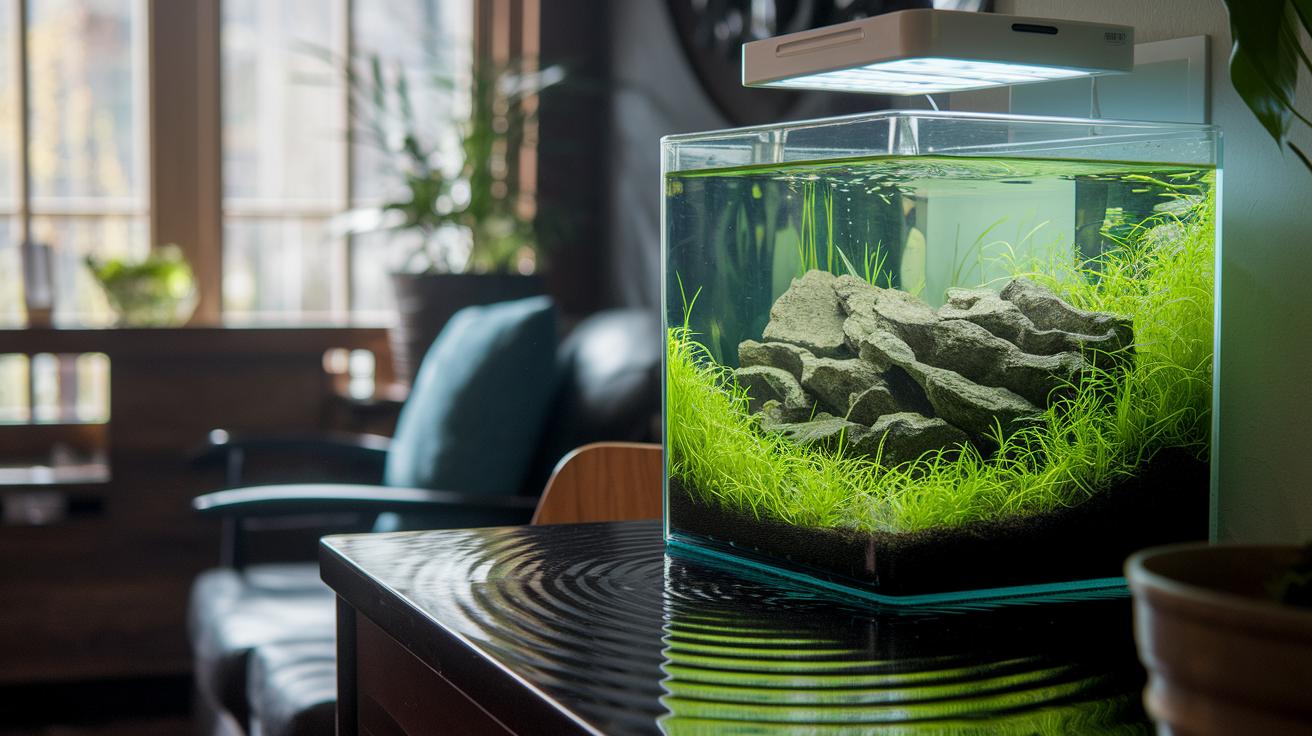
Keeping a tank thriving and safe depends on smooth water movement. Think of your pump like nature's own gentle current, it spreads oxygen and food evenly, so no spot feels left behind. When water glides over the tank's surface like a soft ripple, it lets fish and those helpful little bacteria get the air they need and clean things up naturally.
When you're set to adjust your pump's flow, start with a unit that lets you tweak the settings. Position your pump outlet so it creates a calm current, not a forceful rush that might stress your fish. Aim for a wide, gentle spread that supports the good bacteria while helping to remove debris without stirring up too much chaos.
Filtration Maintenance Practices and Troubleshooting Common Issues
Keeping your aquarium filter in top shape is a lot like making sure your favorite pond stays clear and peaceful. When you regularly clean and check your filter, you help keep harmful toxins at bay and create a safe, calm space for your fish to swim happily.
Over time, the filter’s mesh and cartridge can get clogged with debris, slowing down water flow and causing waste to build up. This buildup might start algae blooms or throw off the balance of your tank, imagine a pond where the water barely moves, making everything feel heavy. By sticking to a routine, you keep things flowing smoothly and your aquatic friends healthy.
- Media washing – Gently rinse the filter media to clear away any dirt.
- Media replacement schedule – Swap out your media every four months, or as your tank needs.
- Filter housing cleaning – Use trusted aquarium cleaning supplies (like those found at Sweetfysh) to make this task easier.
- Flow-rate inspection – Check to make sure water is moving as it should.
- Water-parameter testing – Look at levels for ammonia, nitrites, and nitrates to ensure they’re in a safe range.
- Alarm/alert checks – Give your equipment a quick look to catch any warning signs early.
If you start to see problems like high ammonia or nitrite levels, a slow-moving filter, or even strange smells, it’s time to troubleshoot. Begin by checking the media for any clogging or dirt buildup. Then, take a look at the pump and make sure the flow settings are just right. These simple steps help keep extra toxins out of your tank and protect your fish from getting sick.
Final Words
In the action, this article explored how each filtration stage helps create a balanced, clear environment for your aquatic pets. It reviewed closed-system challenges and broke down mechanical, biological, and chemical methods with handy upkeep tips. We also looked at how flow settings and regular maintenance keep your tank thriving. Remember, the importance of proper filtration for fish is key to a healthy, happy home. Enjoy fine-tuning your setup and watching your underwater world flourish!
FAQ
Frequently Asked Questions
Why is proper filtration important for fish in an aquarium and what happens if there is no filter in a fish tank?
Proper filtration in an aquarium keeps water clear, breaks down harmful waste, and supplies oxygen for fish. Without a filter, waste accumulates, raising toxins and stressing fish.
What are the three main types of aquarium filtration and how do they work?
The three main filters—mechanical, biological, and chemical—work together by removing debris, converting toxic ammonia using bacteria, and absorbing dissolved impurities, which creates a balanced, healthy environment.
How does a fish tank filter pump work?
A filter pump pulls water through media to trap waste, then returns clean water back to the tank. This process keeps water clear and consistently oxygenated for the fish and beneficial bacteria.
What are some common types of aquarium filters?
Common filters include hang-on-back, canister, and sponge models. Each type offers a mix of mechanical, biological, and chemical filtration suited for various tank sizes and needs.