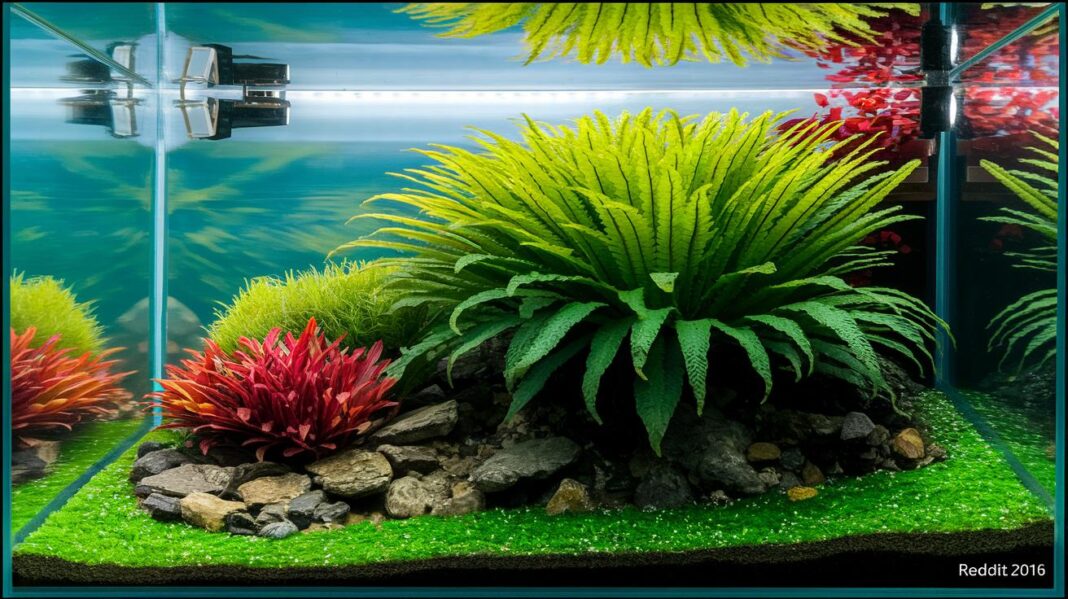

Have you ever wondered if an aquarium plant could be both tough and beautiful? Java Fern brings a splash of natural charm to your tank without needing perfect water conditions. It loves soft, slightly acidic water but even does well in a mix that’s a bit salty, much like a calm stream mingled with a hint of the sea.
This hardy plant grows slowly, adding a unique, gentle touch that not only enhances your tank’s look but also helps keep the water clean. It’s like having nature’s own little helper right there with you. Dive in and discover how Java Fern can turn your aquarium into a vibrant, low-maintenance haven.
Aquarium Plants Java Fern: Vibrant Tank Delight
Java Fern, known by its scientific name Microsorum pteropus, is a real gem in any aquarium. It grows slowly but is incredibly tough, making it a perfect choice for tanks that might not have perfect water conditions. Whether your water is soft and a bit acidic, more alkaline, or even a little brackish, this plant can still thrive. It’s like a gentle helper that boosts your tank’s beauty with little fuss at all.
There are several popular types of Java Fern that add a unique touch to your underwater world. You have the Needle Leaf variety, which shows off fronds that look a bit like tiny swords, and the Narrow Leaf type, which offers a softer, delicate look. Then there is the Windelov, sometimes called the lace fern, and the Trident variant, known for its special fronds. These different shapes let you create layers and textures that bring life to both the midground and the background of your tank.
Besides looking great, Java Fern is a smart little plant that helps keep your water clean. It does this by absorbing waste from the water, which in turn makes your tank clearer and healthier. In short, Java Fern not only turns your aquarium into a visual delight but also plays a handy role in keeping your underwater world in top shape from day one.
Aquarium Plants Java Fern Planting Techniques for Thriving Growth
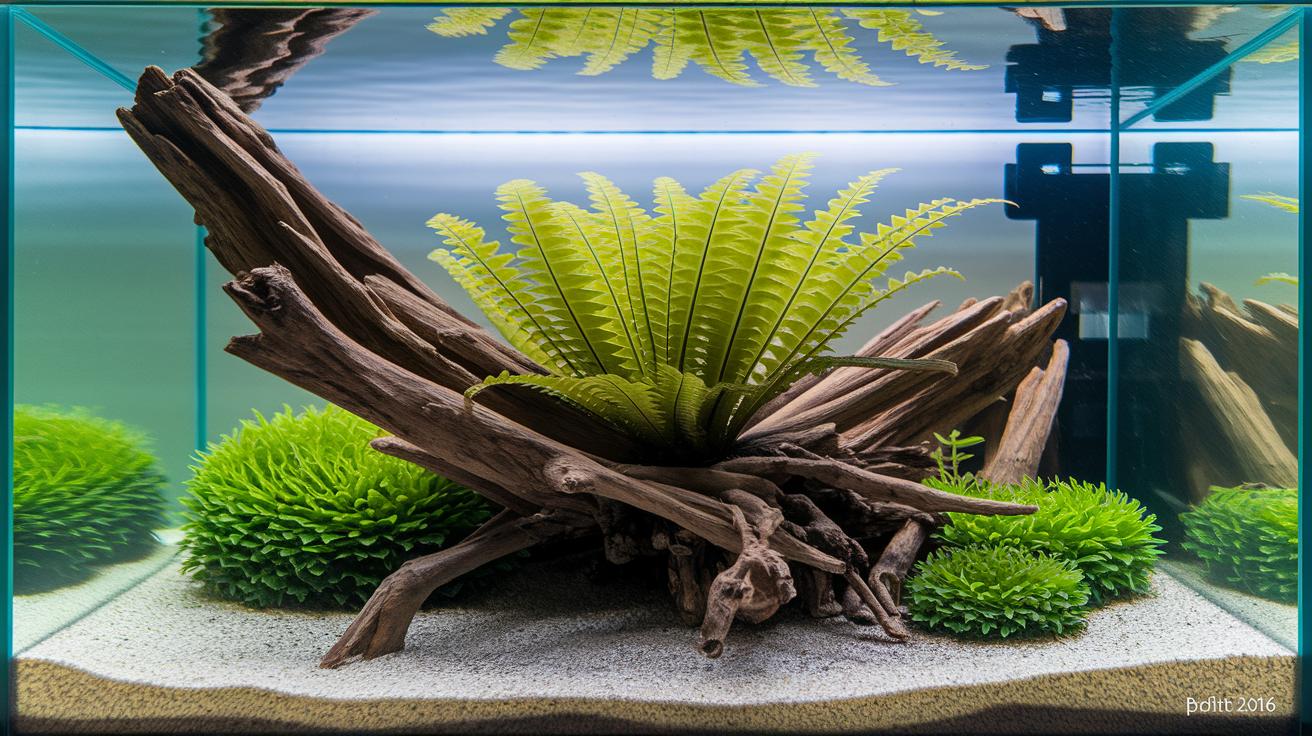
Java Fern is a beautiful addition to your tank, but its secret lies in the rhizome. This part of the plant is very delicate and needs to stay out in the open so it can get the nutrients it needs from the water. If you bury it in the substrate, it might rot, which is something you definitely want to avoid when setting up your aquarium.
When you're placing your Java Fern, think of it like hanging a painting on a wall. You have several easy options for anchoring it to stones, driftwood, or other hard surfaces. You can even let it float around at first until its roots get strong enough to cling onto a surface. Here are some simple techniques to help your fern flourish:
- Secure the rhizome using thread or fishing line.
- Apply aquarium-safe super glue gel to attach it to driftwood.
- Anchor it to rocks with rubber bands until the roots stick.
- Let it float on the water, then lower it once the roots start to form.
- Try a no-soil setup by keeping it free from substrate.
Each of these methods gives your Java Fern a safe place to grow without causing stress or damage. With the right anchoring, your fern will have a chance to breathe, grow steadily, and add a lively touch to your underwater world.
Aquarium Plants Java Fern Maintenance and Care Tips
Make sure to check on your Java Fern regularly to keep it healthy. Take a good look at the leaves for any signs of algae or spots that might block the sunlight the plant needs. Sometimes a quick change in water temperature, pH, or hardness can stress the fern, causing the leaves to turn brown or get soft. A few extra minutes of care goes a long way in keeping your tank bright and lively.
When you see any fronds starting to look mushy or decaying, trim them away. This little step not only makes your fern look nicer but also stops problems before they spread, much like clearing debris from a pond. It's a simple trick that ensures your tropical greens stay strong and healthy.
Keep a close eye on your water conditions each day. A quick check of the temperature, pH, and water hardness helps keep the environment steady for your Java Fern. Adjust your routine when needed, and remember that caring for live aquatic greens is all about paying attention and staying consistent. With regular care, your Java Fern will keep lighting up your tank and enhancing your underwater landscape.
Aquarium Plants Java Fern Ideal Tank Conditions for Optimal Health
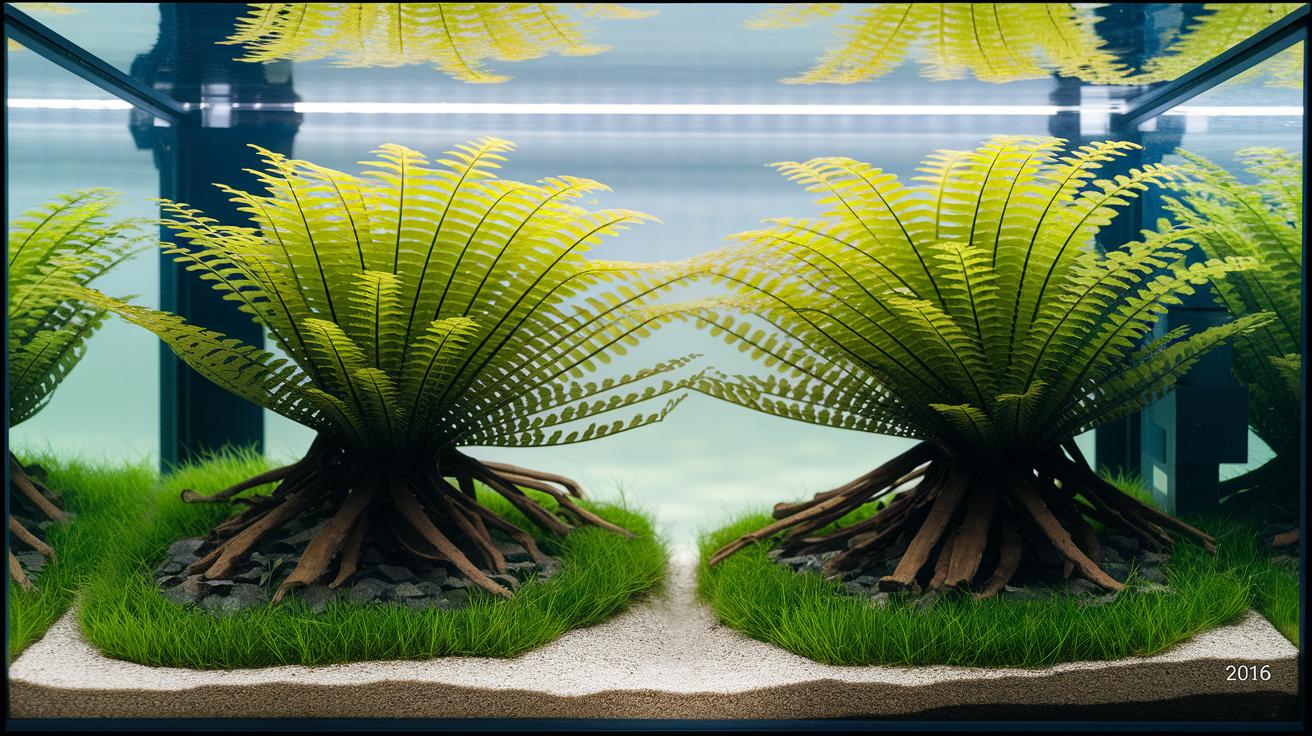
Getting the perfect light setup is a must for your java fern. This plant really does best when it enjoys a gentle glow, just like the soft, filtered light under a shady canopy in nature. Strong, direct lighting, especially from powerful LEDs, can stress it out, so it's better to keep the light soft and spread out. Since the java fern mostly soaks up its nutrients through its leaves, you usually don't need to worry about extra CO₂. Also, picking a substrate that suits freshwater greens not only boosts the beauty of your tank but also protects the fern's fragile parts.
Keeping the water in tip-top shape is just as crucial. The ideal temperature for your java fern is between 68°F and 82°F (about 20–28°C), which feels just right for a cozy underwater home. The pH level should be kept between 6.0 and 7.5, ensuring the plant can easily soak up what it needs. A general water hardness ranging from 2 to 15 dGH gives the tank a stable feel for both the plants and the fish. By gradually adjusting these settings, you avoid any sudden shocks and help your tank become a harmonious, thriving ecosystem.
Aquarium Plants Java Fern Propagation Methods Explained
When you care for your java fern, watch as tiny baby plants start to appear along the edges or underneath the leaves. These little offshoots slowly grow and eventually break away from the parent plant. It’s nature’s way of showing off the fern’s knack for fresh, new growth while keeping your tank lively.
Once these mini ferns are ready, gently ease them away from the main plant. Then, attach them to a rock, driftwood, or any favorite piece of décor in your aquarium. Their little roots will naturally wrap around over time, letting them settle in and brighten your tank on their own.
If you’re keen to fill your tank faster, you might try splitting the main base of the fern. Carefully cut segments and place them where they look best. This trick helps the plant spread out beautifully, keeping your aquarium vibrant and full of life.
Aquarium Plants Java Fern Compatibility in Community Tanks
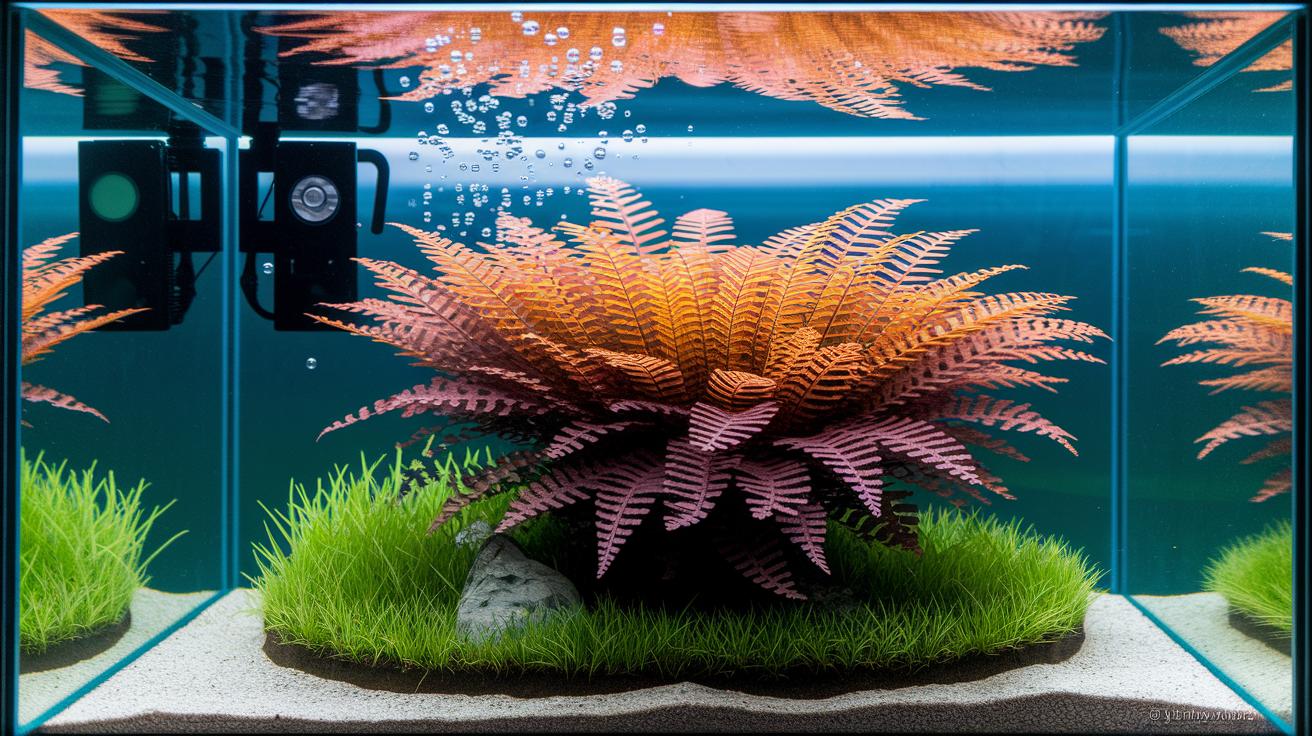
Java Fern is a real gem in community tanks. Its firm, fibrous leaves are hard for fish or invertebrates to nibble on, even those with a taste for softer plants. This sturdy plant fits perfectly in tanks with herbivorous shrimp or curious snails. Plus, schooling fish like tetras and rasboras and calm bottom-dwellers can live alongside it without disturbing its natural charm. It stays beautiful and intact, even when a playful fish brushes by.
When planning your tank design, Java Fern works great with low-light plants like Anubias. Imagine how its unique texture creates a soft, layered look in the middle of your tank. Placing it near complementary decor can form striking focal points that balance the overall community vibe. Try different spots and let each species add its own natural charm to create a warm, inviting underwater world.
Aquarium Plants Java Fern Troubleshooting Common Issues
Sometimes, your Java Fern might show signs of stress that can take away from its natural beauty. You may notice that the leaves are getting a bit dull or covered in algae, which could mean that your tank's balance is off. It's a bit like when the water in your favorite pond starts to look murky. Keeping an eye on these signs means you can act before things get too bad.
Regular care is like feeding your fish their favorite snack, it keeps everything happy and bright. If you see too much algae, try gently wiping the leaves and giving the light a little break by reducing the duration. If the leaves start changing color, it might be time to check your water nutrients and make small changes to the pH level, just like adjusting the seasoning in your soup. And if you notice the fern beginning to melt, slowly reverse any recent changes and keep the temperature steady.
Maintaining regular checks of your tank is really important. Keep an eye on the temperature, water chemistry, and cleaning routine. It’s all about making small, gradual tweaks so that your Java Fern stays healthy and continues to add a touch of natural grace to your aquarium.
Final Words
In the action, key points about aquarium plants java fern were covered. We looked at different variants, smart planting methods, tender maintenance practices, ideal tank conditions, easy propagation, and community tank compatibility. Practical care tips and common issue fixes were also discussed. This guide has shown how to build a healthy, visually appealing aquarium that supports thriving aquatic life. Enjoy your time setting up and maintaining your tank, the rewards of a flourishing underwater world are truly uplifting.
FAQ
What does aquarium plants Java Fern care involve?
The aquarium plants Java Fern care involves keeping its rhizome exposed, avoiding burial in substrate, providing moderate light, and regularly cleaning off algae to help it thrive in stable tank conditions.
What are considered the best aquarium plants Java Fern variants?
The best aquarium plants Java Fern are those like the Windelov type, known for their resilience and natural filtration benefits. They flourish in varied water conditions and add a lively, leafy charm.
What defines large aquarium plants Java Fern?
Large aquarium plants Java Fern refer to mature specimens featuring broad, lush leaves. They usually need spacious tanks and steady care, creating a natural, filtered look in your aquatic setup.
How do you plant Java Fern in gravel?
How to plant Java Fern in gravel involves securing its rhizome on surfaces like driftwood or rocks instead of burying it in gravel, which prevents rot and promotes healthy growth.
What makes small aquarium plants Java Fern unique?
Small aquarium plants Java Fern are young and delicate, thriving best when their rhizomes are securely attached to surfaces. They require gentle lighting and careful tank management to grow well.
What is special about Windelov Java Fern?
Windelov Java Fern features narrow, ruffled leaves that add unique texture to your tank. It retains the hardy, adaptable nature of Java Fern while offering a distinct, graceful look.
What should you know when buying aquarium plants Java Fern for sale?
When looking at aquarium plants Java Fern for sale, check for vibrant, algae-free leaves and intact rhizomes. Reliable aquatic suppliers will provide healthy specimens that are ready to thrive.
How does one plant Java Fern in substrate?
How to plant Java Fern in substrate means placing its rhizome on top of the substrate rather than burying it. Lifting the rhizome keeps it free from decay and ensures its long-term health.
Is Java Fern a good choice for an aquarium?
Yes, Java Fern is good for an aquarium. Its hardy nature and ability to improve water quality by absorbing waste make it a solid choice for aquascapes in both beginner and experienced tanks.
What are the cons of Java Fern?
The cons of Java Fern include its slow growth and vulnerability to algae buildup. It demands steady water conditions and occasional maintenance to prevent moldy or decaying leaves.
How do you plant a Java Fern in a fish tank?
How to plant a Java Fern in a fish tank includes attaching its exposed rhizome to driftwood or rocks rather than burying it. This method prevents rotting and keeps the plant healthy.
Does Java Fern have to be fully submerged in water?
Generally, yes. It thrives when underwater, although its top leaves might naturally rest above water in setups with varied water levels.