

Have you ever noticed that a small change in water hardness can make your tank feel a bit different? Even the tiniest shift can ripple through your aquarium and affect your fish’s comfort and your plants’ growth.
In our chat today, we’re diving into why it’s important to watch your water’s hardness. We’ll explore safe ways to make gentle tweaks during water changes, using both store-bought conditioners and some handy kitchen tricks.
By following these easy steps and real-life tips, you’ll learn how to keep your tank’s GH (general hardness) and KH (carbonate hardness) just right, sort of like giving your aquarium a gentle nudge to keep the water calm and clear.
Essential Methods for Adjusting Water Hardness During Water Changes

Water hardness tells you how much calcium and magnesium is floating in your tank water, which helps your fish build strong bones and your plants grow healthy. I like to think of it as checking the pulse of your aquarium by looking at its general hardness (GH) and carbonate hardness (KH). It’s a good idea to test these every week with a trusty test kit so you can spot changes early, just like giving a gentle nudge to a friend to stay on track.
To keep the changes gentle, make sure you adjust the hardness by no more than 20% at a time. One way to do this is by using commercial water conditioners that come with built-in buffers, these help keep the minerals balanced perfectly. Alternatively, a little kitchen magic can work too. Mixing in a bit of baking soda can slowly raise the alkalinity, which helps maintain a safe pH range for your aquatic buddies.
For those who prefer a more natural touch, think about adding pieces of driftwood or a pinch of peat moss. These natural softeners work slowly to lower water hardness, avoiding any sudden surprises in your tank. I also recommend keeping a simple log, jot down your GH and KH readings before and after each water change so you can see how your tank is doing over time.
| Method | How It Works |
|---|---|
| Water Conditioners | Offers precise dosing for balanced minerals |
| Baking Soda | Gently boosts alkalinity to keep pH safe |
| Driftwood/Peat Moss | Softens water naturally over time |
For more tips on routine testing and planning your water changes, check out the guides on how often you should change aquarium water and the maintenance checklist for aquarium water quality. Enjoy the calming ripple of a well-kept tank, and happy fish-keeping!
Key Hardness Parameters: GH and KH Explained for Water Changes
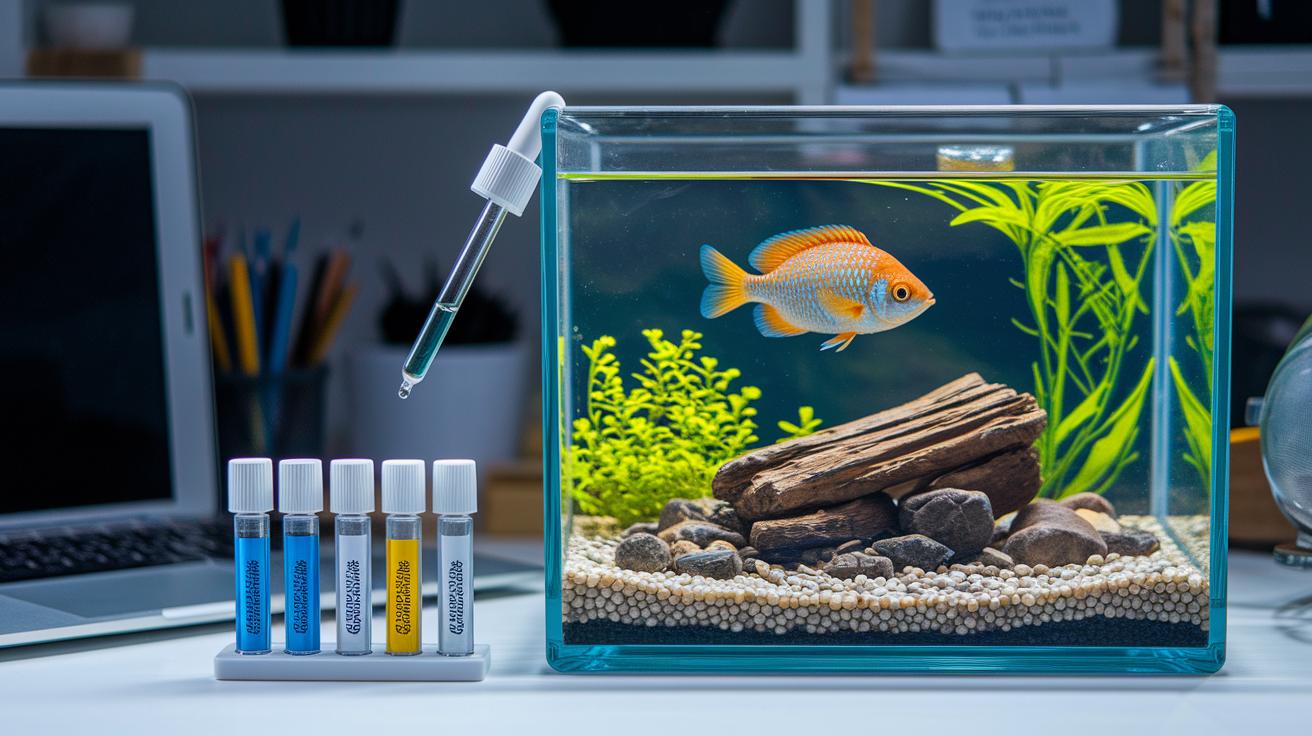
General hardness, or GH, tells you how much calcium and magnesium are swimming in your tank water. These minerals are like the building blocks for a fish's bones, helping them stay strong and move easily. It’s kind of like when you add a bit of extra grit to a cake recipe to give it body, your fish get a natural boost in stamina.
Then there's carbonate hardness, known as KH. This one measures the carbonate and bicarbonate ions that help keep your water's pH steady. In simple terms, these ions act as a buffer, stopping the pH from swinging too much. If your tank water has low GH, it might lean a bit acidic, while high GH water tends to be more on the alkaline side. Think of it as a tide that keeps your water calm and balanced.
Freshwater species like tetras and plecos from the Amazon love soft water with lower GH, where a little extra acid isn’t a bad thing. But if you’re keeping fish from the Rift Lakes such as mbuna or Synodontis, they need consistent, higher levels of both GH and KH to thrive. Getting the balance just right is a bit like perfecting your favorite recipe, each ingredient matters for a healthy, vibrant underwater world.
Hardness Measurement Tools and Testing Protocols for Water Changes

Keeping an eye on your water's hardness is like checking the pulse of your little aquatic world. Hardness tells you how many dissolved minerals, like calcium and magnesium, are floating around in your tank. You might measure this in grains per gallon or parts per million. In simple terms, it’s the way you know how tough or soft your water is.
Many aquarists use handy tools such as reagent drop kits, test strips, or even digital GH/KH meters. If you’re using a digital meter, start by calibrating it as the maker recommends, it’s a bit like tuning your favorite instrument before a big performance.
It’s a good idea to test your water every week. This helps you spot any rising or falling trends in your water’s mineral mix. By recording your General Hardness (GH) and Carbonate Hardness (KH) before and after changes, you can catch little shifts that might later affect your water’s pH. In truth, smooth pH levels are key to keeping your fish comfy.
Before you do any water change, give your water a quick check to see if things are in a safe range. With clear numbers, you can adjust slowly so no sudden spikes or drops stress your fish. By using these simple tools and steps, you’ll always have solid information to guide your choices and keep your aquarium a peaceful, balanced home.
Chemical Dosing Methods for Water Hardness Adjustment During Water Changes
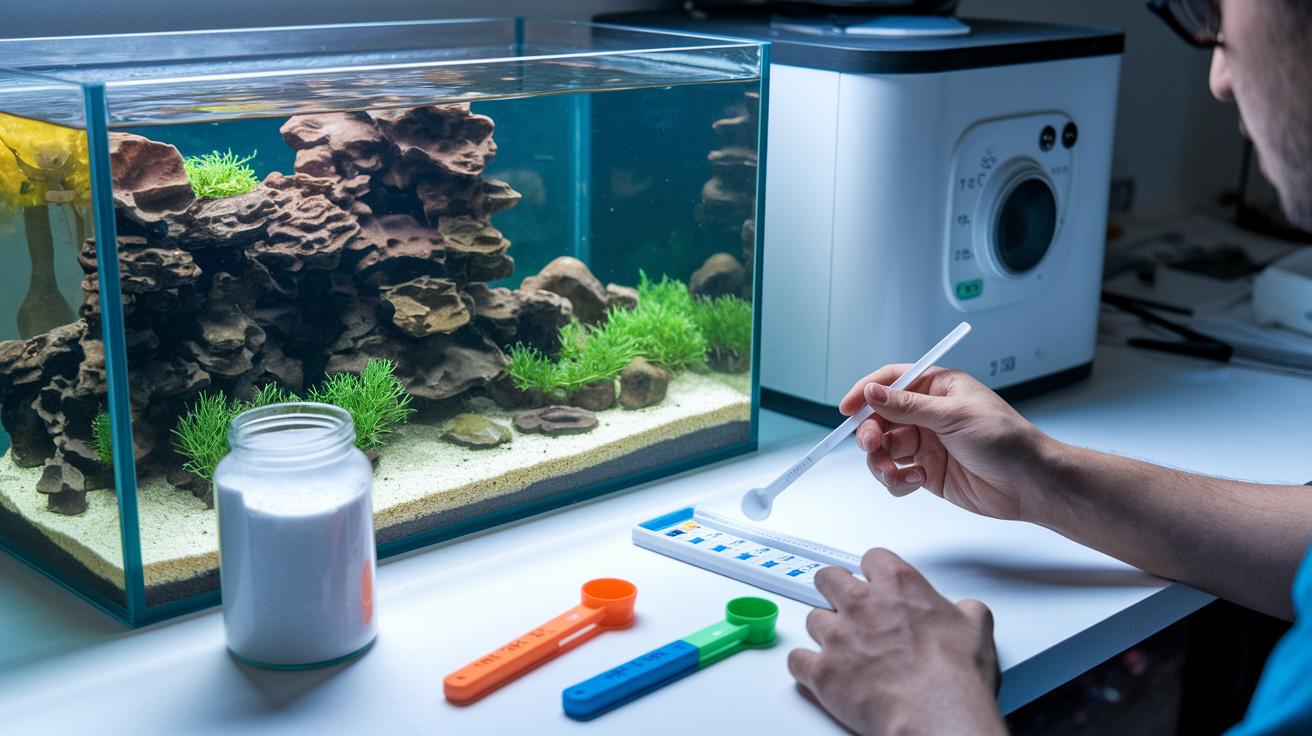
Commercial water conditioners come with built-in GH and KH buffers and dosing pumps that make it easy to balance your tank's minerals. They’re designed to gently adjust water hardness using clear measures for each gallon.
For example, if you need to soften your water, the instructions usually call for sodium carbonate or sodium chloride. Ever notice how just a pinch of salt can change a meal’s flavor? That’s why it's important to follow the dosage chart closely to avoid a sudden spike in minerals.
DIY fans often use baking soda (sodium bicarbonate) to increase carbonate hardness in a controlled way. When you want to boost water hardness, products like calcium hydroxide or special remineralization mixes add the calcium and magnesium your fish need for strong bones and healthy metabolism.
A smart tip is to measure your water hardness both before and after every water change. Splitting the total required dose over several changes helps avoid sudden shifts that could stress your aquatic friends. Always check the label and calculate your doses carefully to keep your tank’s mineral levels steady and safe.
Natural Softening and Reverse Osmosis Applications for Water Hardness Control
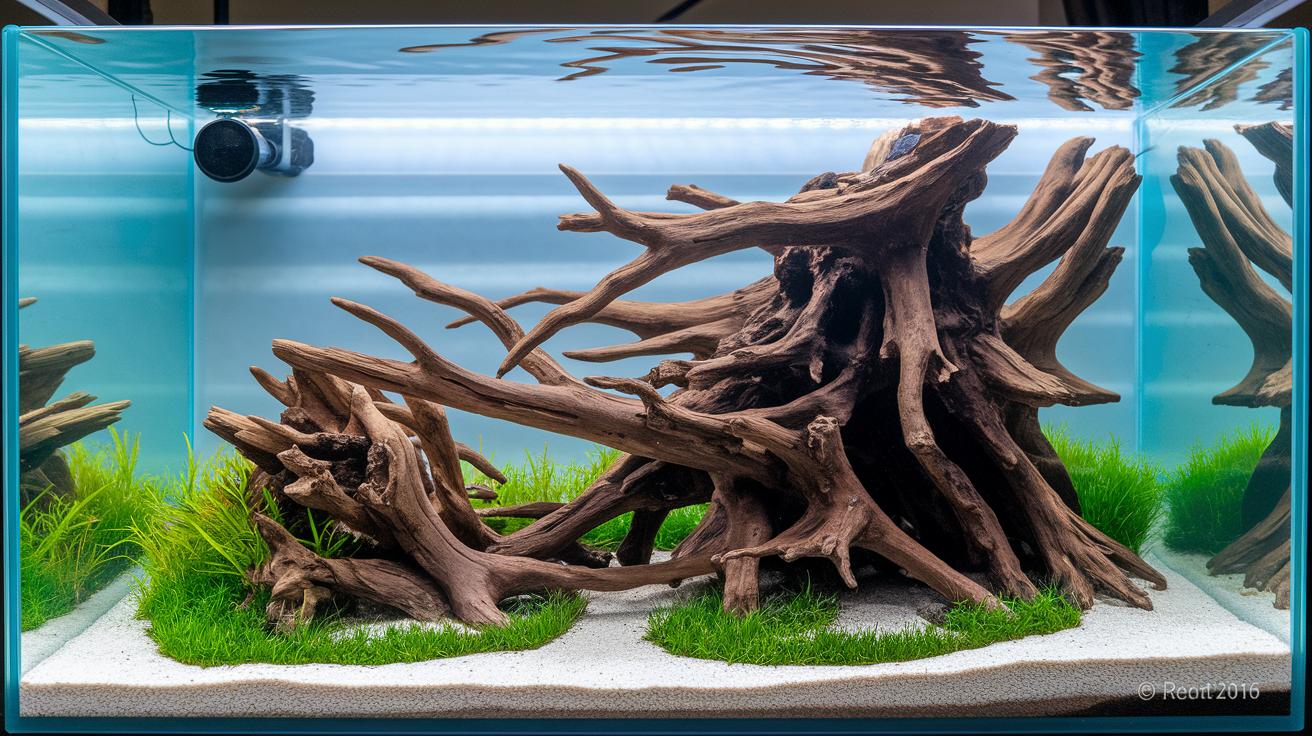
If you want to soften your tank water, you can swap out a bit of it with reverse osmosis (RO) water or rainwater. Try replacing about 5% to 20% of your water, and you'll remove nearly 95% of the dissolved minerals that make your water hard. But remember, when you use RO water, you need to add back a little calcium and magnesium to keep your fish happy, kind of like brewing the perfect cup of tea by adding just the right amount of tea leaves after diluting the water.
You can also soften your water naturally. Driftwood and peat moss slowly release tannins that gently leach out minerals over time. This method makes the water soft in a mild, steady way, though it might give your water a slight brown tint and isn’t as quick for big changes.
Choosing between these methods depends on your tank’s needs. With RO water, you get faster results and precise control, especially when you add remineralization. On the other hand, natural materials offer a gradual softening effect that can be perfect for small, everyday adjustments.
Hardness Fluctuation Troubleshooting and Maintenance during Water Changes

Sometimes, the water in your tank can suddenly change its hardness, and that can make your fish feel uneasy. It’s a good idea to check your GH (general hardness) and KH (carbonate hardness) before and after each water change. Think of it as jotting down little notes about your tank’s heartbeat.
Here are some things that might cause these changes:
- The water you use might naturally have different mineral levels.
- Your testing tools might get a bit off over time.
- Adding too many chemicals can cause a quick spike in minerals.
Staying on top of these changes is really important. Before you do a water change, take a quick look at your readings to see if you need to adjust anything. I once had a moment where I noticed the alkalinity had jumped because my source water changed with the season. Using a calculator that compares changes in hardness can help you decide exactly how much to add.
By keeping a log of your readings and checking to see if things match your goals, you can catch small imbalances early, just like keeping your tank’s water as calm and clear as a gentle stream for your aquatic pals.
Final Words
In the action, this guide has walked you through key methods for handling water hardness during changes, from testing GH and KH to using chemical and natural approaches for steady results. Testing, gradual dosing, and careful adjustments keep your tank water balanced and friendly for fish and plants alike.
By understanding water hardness adjustments during water changes, you can make smarter, safer tweaks to your aquarium’s chemistry. Enjoy creating a serene underwater home that feels just right for your aquatic friends.
FAQ
What does understanding water hardness adjustments during water changes mean?
Understanding water hardness adjustments means carefully monitoring and tweaking water mineral levels during water changes. It ensures that fish and plants experience only gradual shifts, keeping them safe and comfortable.
How is a water softener hardness level of 25 used and what should I set my water softener to?
A water softener hardness level of 25 indicates a moderate mineral content. Adjust your softener based on test kit readings to keep the mineral balance ideal for your aquatic life.
How can I check water hardness by zip code?
Checking water hardness by zip code involves using local water quality reports or online tools. This helps you plan water treatments in line with the natural mineral content of your area.
Why is water hardness important for aquariums?
Water hardness is important because minerals like calcium and magnesium support fish bone structure and help stabilize pH levels. This balance is key to maintaining a healthy aquarium environment.
What does the water hardness scale indicate?
The water hardness scale shows mineral levels measured in ppm or grains per gallon. It categorizes water as soft, moderate, or hard, guiding aquarists in managing water conditions correctly.
How is water hardness determined in an aquarium setup?
Water hardness is determined by testing for calcium and magnesium using test strips, reagent kits, or digital meters. Regular testing helps ensure safe and gradual adjustments during water changes.
What is water hardness in chemistry and how does it affect aquatic life?
In chemistry, water hardness is the level of dissolved calcium and magnesium salts. These minerals influence pH stability and the overall suitability of water for fish and plants.
Is setting my water softener hardness too high problematic?
Setting your water softener too high can lead to an excess of minerals, stressing fish and disrupting balance. Always adjust carefully using gradual changes and verify with regular tests.
Is 70 ppm considered hard or soft water?
A reading of 70 ppm generally falls into the moderately soft range. Test regularly and compare readings with the requirements of your specific aquatic species for optimal balance.
Is higher water hardness inherently better for my aquarium?
Higher water hardness is not inherently better. It depends on the species you keep; some thrive in soft water while others need higher levels to maintain their health and well-being.