
Have you ever thought about whether your fish might feel stressed when their tank isn’t clean? In a community tank where different species share the space, fresh water is like a gentle current that keeps everyone relaxed and healthy.
Regular water changes work like a soft rain washing away harmful chemicals from a calm pond. In this post, we share simple, effective tips that will help you keep your water clear and balanced so every fish can enjoy a safe, happy home.
Core Water Change Strategies for Community Tanks
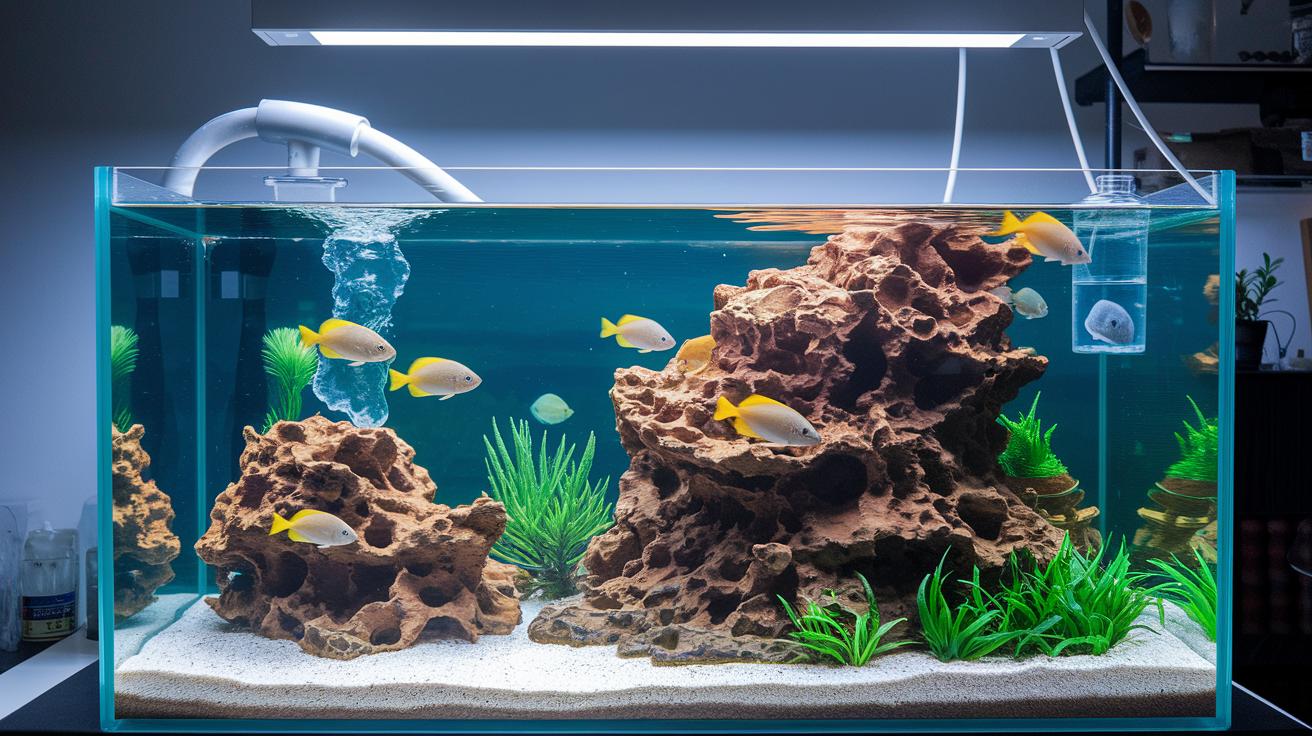
Keeping your community tank clean and calm means doing regular partial water changes. In a tank with different kinds of fish, waste and decaying bits break down into chemicals like ammonia, nitrites, and nitrates. When these chemicals build up, they can stress out or even harm the more sensitive fish. It’s much like when a little rain refreshes a pond, steady, scheduled changes help keep your tank in balance.
Here are some simple steps to follow:
- Test the water by checking levels of ammonia, nitrites, nitrates, and pH. This helps you know when your tank needs a refresh.
- Prepare fresh water that matches your tank’s temperature and hardness, and don’t forget to dechlorinate it.
- Use a siphon to gently remove about 10–20% of the water, focusing on any visible debris.
- Lightly vacuum the substrate to clear out waste while keeping the helpful bacteria safe.
- Refill your tank slowly, run the filter and aerators, and then test the water again to be sure everything’s just right.
Keeping a routine log of your water tests and cleanings is like watching the gentle flow of a stream, it helps you spot any changes over time. This steady method makes sure your aquatic friends settle into a stable, natural home where both fish and plants can thrive without the panic of sudden shifts.
Monitoring and Balancing Water Parameters During Water Changes

Regular testing is your best friend when it comes to keeping your aquarium safe and happy, kind of like checking for gentle ripples on a calm pond. Daily testing of levels like ammonia, nitrite, nitrate, pH, and water hardness can alert you to any small shifts, while a full weekly check helps you see the bigger picture.
When you take a closer look at these results, staying within safe limits is key. For example, aim for ammonia readings below 0.02 ppm, nitrite less than 0.1 ppm, and nitrate under 20 ppm. I once noticed a tiny bump in nitrite levels and quickly adjusted my routine, proving that even small changes can make a big splash in your tank. Regular checks help protect your aquatic pals from stress and keep your underwater world balanced.
If your readings stray from the safe zone, don't hesitate to jump into action. You might use pH buffers to even out the water, tweak the aeration to boost oxygen, or add plant supplements so live plants can help absorb extra ammonia and nitrates. These steps create a harmonious environment where your fish can thrive, just like a well-tuned underwater symphony.
Essential Equipment and Tools for Efficient Water Change Procedures

When it comes to keeping your community tank happy and healthy, having the right gear makes all the difference. A trusty siphon hose is your best friend, it pulls out debris without upsetting your fish or plants. Buckets with spigots help you refill the tank slowly and gently, so nothing feels rushed. And don’t forget a bottle of dechlorinator. It quickly removes chlorine and chloramine from your new water, giving your aquatic pals a safe place to swim. Test kits are also key for checking important water details before and after the change. For more handy ideas, be sure to check out some top aquarium maintenance tips online.
Taking care of your filters is just as important for your underwater world. External canister filters do a fantastic job of trapping debris, while sponge filters work softly for fish that like a little extra care. Some aquarists even use automated cleaning systems to save time and effort. Every month, give your filter media a gentle rinse using a bucket of tank water to keep the good bacteria safe. And a careful substrate vacuum helps remove hidden leftovers without disturbing the beneficial bacteria hiding in your gravel. This mix of the right tools and regular tidying creates a peaceful environment where every fish can thrive.
Species-Specific Water Change Considerations in Multi-Species Tanks

When you match the temperature of your fresh water with that in your tank, you help keep your aquatic pals happy. Even a small difference, more than about 1°F, can unsettle delicate species like tropical fish, shrimp, or snails. Think of it as adding a warm sip to a cool drink; it just doesn’t blend. Always take a moment to check the temperature so your tank’s gentle rhythm isn’t disturbed.
It’s also important to consider how the water moves. Some shy fish and bottom-dwellers appreciate a calm environment. For friends that hide among plants or in little crevices, strong currents can feel like a surprise they didn’t sign up for. Instead of doing a quick, forceful water change, try a slow, gentle swap. This way, every resident, even those tucked away, stays comfy and secure.
Stability matters too, especially with pH and hardness levels. When these water traits change rapidly, species like cichlids and tetras can feel on edge. A pH buffer can act like a trusty sidekick, keeping your water conditions steady. This thoughtful approach means every creature in your tank, no matter how picky, can feel at home.
Slow and steady wins the day. Gradual water replacement gives all your tank’s inhabitants time to adjust to small changes without feeling overwhelmed. Adding water slowly is like easing into a favorite routine, and it helps every aquatic friend settle back into their natural flow.
Scheduling and Frequency for Community Tank Water Changes
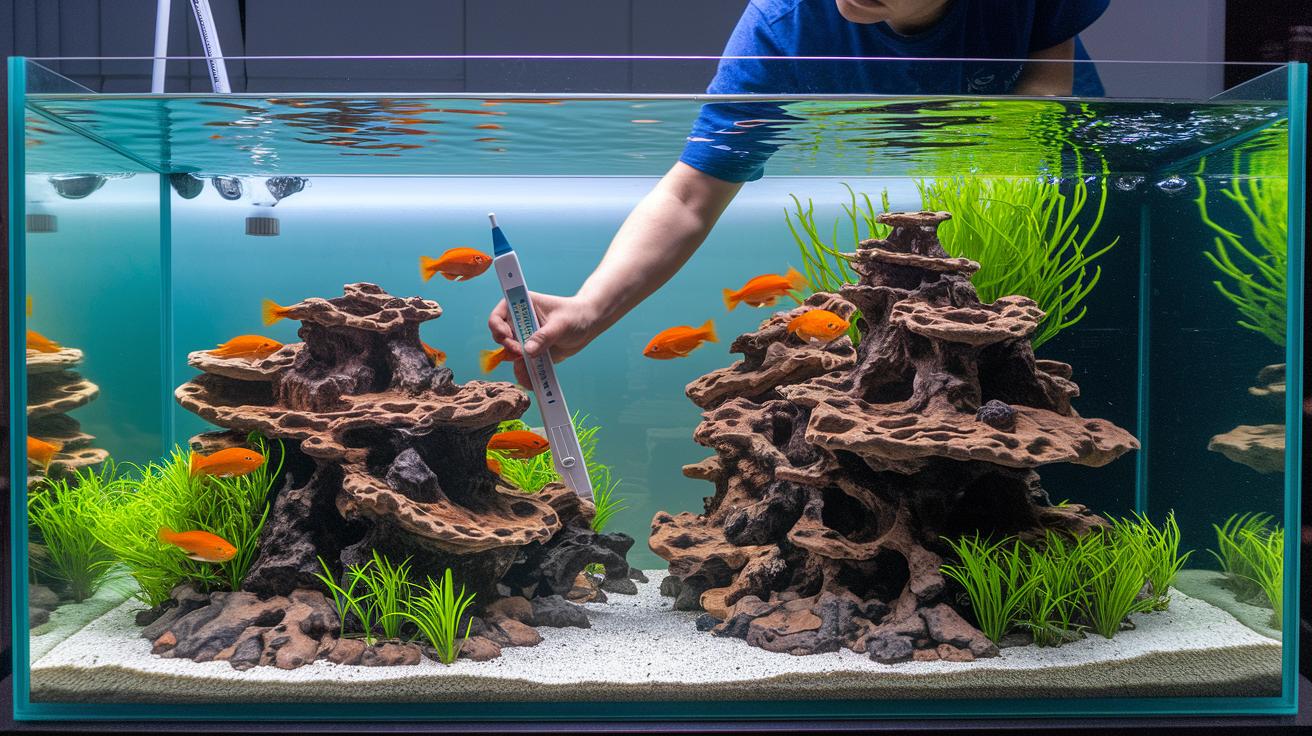
When you care for a community tank, a good rule of thumb is to change 10–20% of the water every week. This steady routine helps keep the water balanced and stops waste from piling up. It’s like following the gentle rhythm of the tides, ensuring your aquatic friends live in healthy water.
Regularly testing your water for ammonia, nitrites, nitrates, and pH is key. Think of it as keeping a diary that tells you how your little underwater world is feeling. These tests give you a clear snapshot of your tank’s condition and help you understand its needs better.
Sometimes, you might need to tweak your schedule. If your tank is bustling with fish and other critters, you might find you need to do water changes more often, maybe even twice a week. On the other hand, if you have plenty of live plants that naturally soak up waste, a water change every two weeks could fit just right.
By keeping a close eye on your test data and noticing trends over time, you can tailor your maintenance routine to your tank’s unique vibe. For more tips on finding the perfect schedule, check out how often should you change aquarium water.
Troubleshooting Common Issues After Water Changes in Community Aquariums
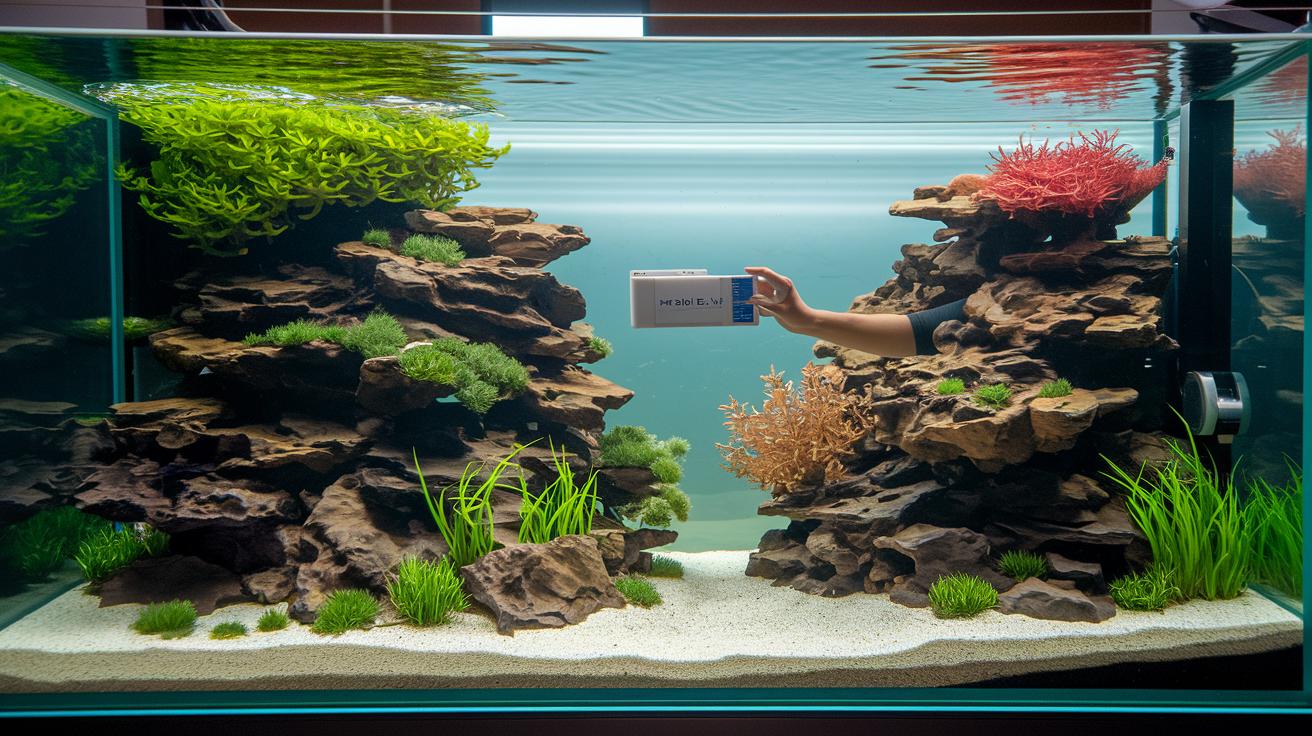
After a water change, you might notice small bumps in ammonia and a bit of cloudiness in your tank. This happens when a little bit of waste, hidden in the substrate, gets stirred up. And if your new water doesn't have enough buffering, the pH might shift for a short while, making the water look cloudy. Usually, these issues settle down within a day once the filter starts working, but it's always a good idea to check your water readings soon after a change.
If you see a sudden spike in ammonia or the water stays cloudy too long, it's time to do some tests. Check for ammonia, nitrite, nitrate, and the pH to figure out what might be off. For example, a small dose of pH buffer can help ease any sudden shifts. And adding a bit more aeration can boost oxygen levels, helping the system get back on track quickly. These quick fixes keep your aquatic friends safe if the water parameters stray from where they should be.
To help prevent these issues from occurring, try cleaning your substrate gently so you don't disturb the good bacteria living there. Instead of a vigorous scrub, go for a gentle vacuuming. Also, regular maintenance like cleaning or replacing your filter sponges on schedule makes a big difference. It helps keep harmful build-ups at bay while maintaining a happy and balanced underwater home.
Final Words
In the action, we explored safe water change methods, step-by-step procedures, and smart monitoring techniques to maintain a thriving community aquarium. We touched on preparing replacement water, simple siphon methods, and adjustments for delicate species.
These insights helped underscore how regular testing and careful planning keep your tank healthy. With consistent care, you can enjoy water change strategies for community tanks with multiple species and foster a vibrant aquatic home that brings joy every day.
FAQ
What water change strategies work well for community tanks with multiple species?
The best water change methods in multi-species tanks involve partial water exchanges that gently remove waste. Regularly changing 10–20% of the water helps maintain quality without stressing your fish.
How do you change water in a fish tank without harming the fish?
Changing fish tank water safely means using gradual, partial exchanges. Carefully siphon out waste and slowly refill with prepped water that matches the tank’s temperature and pH to protect your fish.
How should beginners prepare water for a fish tank water change?
Preparing water for a change means matching your tank’s temperature and letting tap water sit for about 24 hours or using additives to remove chlorine. This process makes the water safe for your aquatic friends.
How often should water changes be done in a planted tank?
In planted tanks, water changes are usually performed weekly with 10–20% of the tank volume. Keeping an eye on water conditions and plant health helps you adjust the frequency as needed.
What should be added to an aquarium after a water change?
After a water change, it’s wise to add a supplement that supports the beneficial bacteria. This step stabilizes the nitrogen cycle and keeps your tank’s environment balanced and healthy.
What are some common methods to improve water quality in aquariums?
Improving water quality involves routine partial water changes, effective filtration, substrate cleaning, regular testing, and constant monitoring of chemical levels to keep your aquarium safe and clear.
Should you ever do a 100% water change in an aquarium?
A full water change is generally not recommended because it can upset the beneficial bacteria balance. Partial water changes work best to steadily maintain a safe environment for your fish.