

Ever wondered if cleaning your tank could feel as gentle as a slow current? A gravel vacuum makes water changes a breeze, taking away extra work while keeping your fish calm.
Every time you change your water, you wash away the waste yet leave the friendly bacteria that naturally balance your aquarium. It’s a bit like letting a soft stream clear away the debris while nurturing the life beneath the surface.
This guide shares simple, friendly tips that add the gentle touch of a slow-moving river to your routine. Soon, your tank will sparkle like a clear pond, and your aquatic friends will be happier than ever.
Ready to turn water changes into a smooth, satisfying ritual? Just follow along and enjoy the easy flow of a well-kept aquatic home.
How Gravel Vacuums Simplify Water Changes
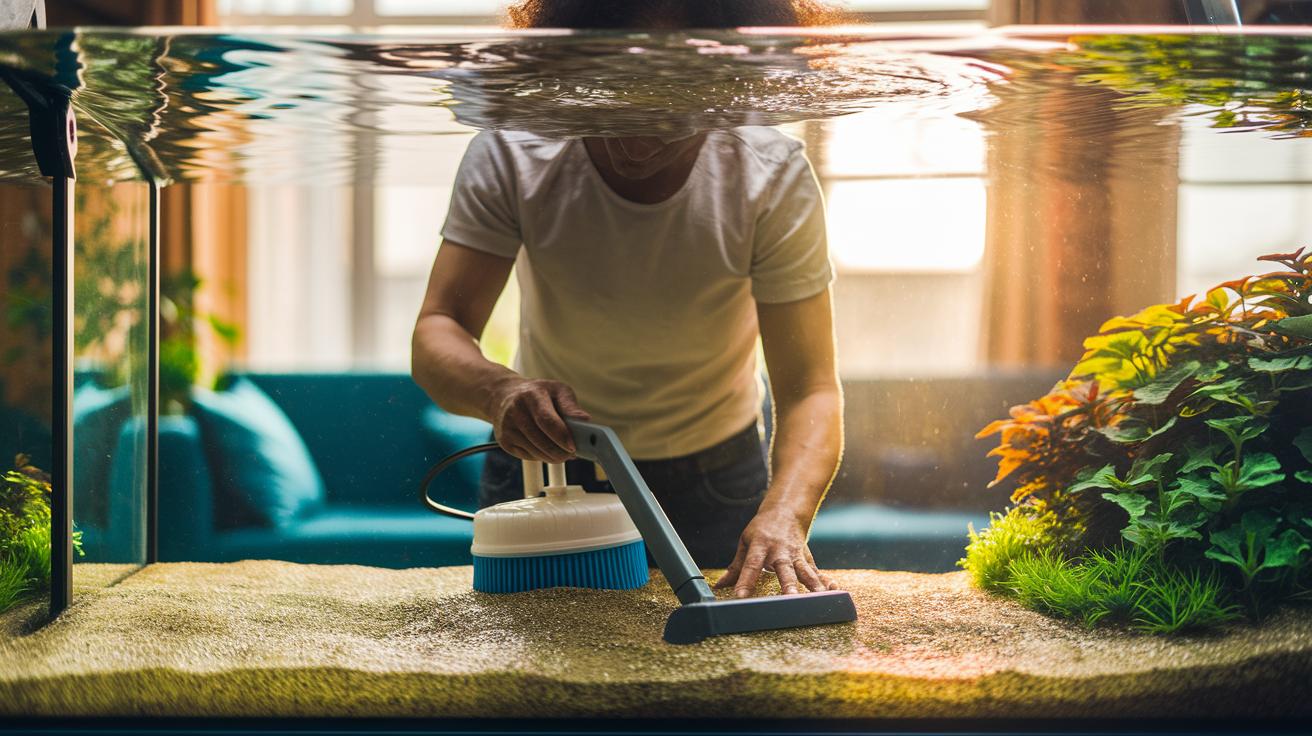
Regular water changes keep your tank clear and your fish happy. When you swap out about 10–20% of the water each week or at least 25% every month, you wash away extra waste and nutrients. It’s a simple trick that helps keep your water just right, stopping algae from taking over and making sure your fish don’t get stressed. Using a gravel vacuum makes this routine feel as easy as a gentle current.
Gravel vacuums are especially great in tanks that have been set up for a while. They clean out the debris while leaving the good bacteria in the gravel undisturbed. These friendly bacteria help break down fish waste, so keeping them safe means a healthier home for your aquatic pals. Quick and focused cleaning with a gravel vacuum lowers stress by avoiding sudden, big changes in their environment. I once heard a seasoned aquarist say that using the vacuum correctly is like feeling a soft stream brush over smooth pebbles, pretty cool, right?
- Place the vacuum bell gently into the gravel.
- Siphon out water along with the loose substrate.
- Safely dispose of the old water.
- Fill the tank with dechlorinated tap water.
If your tank is still getting cycled during the first 4–6 weeks, skip the gravel vacuum for now so the helpful bacteria can grow strong. Once your aquarium is stable, though, regular water changes using the gentle press-and-lift method with the vacuum keep debris at bay while preserving the natural balance. This caring approach makes sure your fish stay healthy and stress-free.
Choosing and Preparing Your Gravel Vacuum for Aquarium Water Renewal

When it's time to give your tank a fresh start, the right gravel vacuum can make a big difference. A good tool not only makes water changes easier but also helps keep your aquatic world in balance. Choosing one with the right hose size, bell shape, and filter means less stress and more time enjoying those dancing fish.
| Vacuum Type | Key Features | Benefits |
|---|---|---|
| Handheld Siphon | Simple design, basic hose, small bell | Easy to use and great for smaller tanks |
| Filter-Attachment Vacuum | Larger bell, better hose diameter | Efficient cleaning and improved debris suction |
| Aquarium Cleaning Machine | Magnet-drive motor, micron filter cartridge | Deep cleaning with gentle care for beneficial bacteria |
Before you dive into cleaning, make sure the vacuum's bell and hose suit your tank's layout perfectly. The filter should catch unwanted bits while letting the friendly bacteria do their part. If you're exploring top options, look up trusted reviews on the best tools for aquarium tank cleaning.
And don’t forget the pre-cleaning checks: a quick rinse in clean water, a test run to ensure a steady siphon flow, and a glance at the seals for leaks helps keep your cleaning session smooth, just like a calm ripple on a quiet pond.
Mastering the Gravel Vacuum Technique in Water Changes
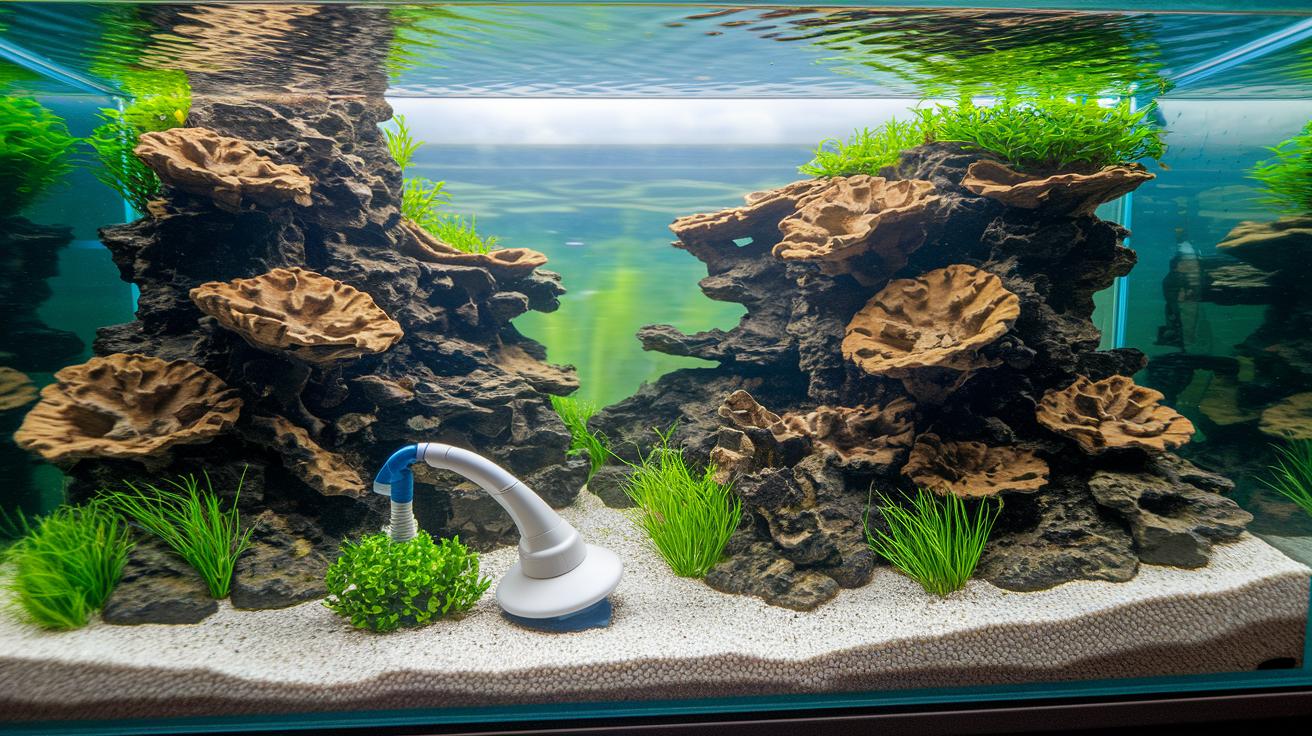
Using your gravel vacuum is a bit like giving your tank a relaxing massage. Start with the press-and-lift move: gently press the vacuum bell into the substrate to grab hidden bits of debris, then lift it in one smooth motion. This helps loosen the particles so they float up nicely, making it easy to siphon them away. Keeping a steady hand means your gravel stays where it should.
Next, controlling the water flow is key to a calm cleaning process. Try lowering your bucket or gently bending the hose to slow down the water without creating too much suction. You can even brace the outlet hose with a rock or a small decoration, which steadies the siphon and cuts down on splashes. These steps create a smooth, low-impact cleanup that treads softly on your tank.
Finally, it's important to disturb the substrate as little as possible to keep the beneficial bacteria happy. Angle the vacuum bell carefully so you don't pull up too much gravel. A gentle touch here helps protect the nitrifying bacteria that keep your aquarium balanced. This method not only cleans the tank but also supports a healthy, thriving aquatic environment.
Safety Measures and Stress-Free Water Exchanges with Gravel Vacuums

Before you top off your tank, make sure the new water is warmed up to match the temperature inside. Using dechlorinated tap water with the right natural trace minerals helps your fish feel at home and stops any sudden temperature shocks. Pour the water slowly, almost like a gentle current returning to a familiar stream.
When adding water, let it flow in gradually. A slow refill means fewer abrupt pressure changes that might stress your fish, keeping any pressure-related issues at bay. This careful pace gives your underwater friends a smooth transition in their little world.
And don’t forget to dispose of the old water properly by pouring it down the sink to protect your drains. Try to handle your fish as little as possible, using holding containers only when absolutely needed. By sticking to conditioned water during the refill, you’re keeping the water quality just right for a calm and secure home for your aquatic buddies.
Troubleshooting Gravel Vacuum Challenges During Aquarium Maintenance

Even the best gravel vacuums can stumble sometimes. You might find clogs, weak suction, or little air leaks causing a fuss. These issues can throw off your cleaning groove and leave unwanted debris floating around.
Preventing Bell and Hose Blockages
If you notice gravel clinging to the vacuum or bits of substrate getting pulled down the hose, try giving the hose a gentle bend while it’s working. Tilting the bell a bit can help guide the debris away from the suction. Keeping an eye on the angle and the flow is a neat trick to ensure your cleaning stays as smooth as a calm stream.
Restoring Consistent Suction
When the suction feels low, it might help to re-prime your siphon or adjust the bucket height to boost the flow. Take a moment to inspect all hose fittings and valves for any loose spots that might cause air leaks. A quick rinse of clogged filter cartridges in your tank water, along with a close look at the seals, often resets your tool just right.
For a deeper dive into these fixes, check out the detailed guides and video tutorials on common fish tank maintenance issues.
Routine Care and Maintenance of Your Gravel Vacuum for Long-Term Performance

Taking a few moments after each water change can be as refreshing as a dip in a calm lake. A quick rinse helps your gravel vacuum stay in tip-top shape and supports a healthy tank where every fish and plant can flourish. Simple habits, like cleaning away any debris or mold, keep unwanted bacteria at bay and make sure your vacuum lasts longer while your tank remains a lively underwater world.
After using your vacuum, give the hose and the bell a good rinse with clean water. Then, take the time to take it apart and clear out the tiny filters. Let each piece air dry completely so mold or bacteria don’t find a home. Once a month, treat your vacuum to a deep cleaning with a gentle, aquarium-safe detergent and a soak in fresh water. These steps keep the suction strong and the process smooth, much like the gentle flow of water in a well-kept stream.
Regular check-ups are a must. Look over the hoses, seals, and fittings for any signs of wear and replace them if needed. Keep your vacuum stored in a cool, dry spot and follow the recommended settings to keep it working well. With this simple routine care, your tool will work reliably, giving you more time to enjoy the beauty of your aquatic friends.
Final Words
In the action, the post showed step-by-step how to care for your aquarium with practical tips on using gravel vacuum during water changes. It outlined simple cleaning methods, careful equipment prep, and gentle techniques to prevent fish stress.
The guide also touched on water quality, routine upkeep, and troubleshooting common issues so your fish thrive in a comfortable environment. The advice flows like a calm current, keeping your tank clear and your aquatic friends happy.
FAQ
How do aquarium enthusiasts use a gravel vacuum during water changes?
Using a gravel vacuum means pressing the vacuum bell into the substrate and gently lifting it to remove debris. Many fish keepers on forums recommend this method to clean tanks while caring for fish.
How often should you vacuum gravel in a fish tank?
Vacuuming the gravel about once a week during a 10–20% water change helps maintain clear water and healthy fish. Tank size and feeding can influence frequency.
How do you vacuum gravel in an aquarium?
Vacuuming gravel involves positioning the vacuum bell into the substrate, starting the siphon, and slowly moving through the tank. This process catches waste efficiently while protecting the tank environment.
How do you clean aquarium gravel without removing too much water?
Cleaning gravel without excessive water loss is achieved by using a controlled gravel vacuum that targets the substrate only. This method lets you remove debris while keeping a proper water level in the tank.
Does vacuuming gravel remove beneficial bacteria?
Vacuuming gravel can remove some beneficial bacteria, but using a careful, gentle approach minimizes disruption. Most fish keepers agree that regular, light cleaning preserves the bacteria needed for a balanced tank.
Should you gravel vacuum a planted tank?
Gravel vacuuming in a planted tank works well when done gently. A careful approach cleans debris without disturbing plant roots or essential organisms, supporting both your plants and fish.