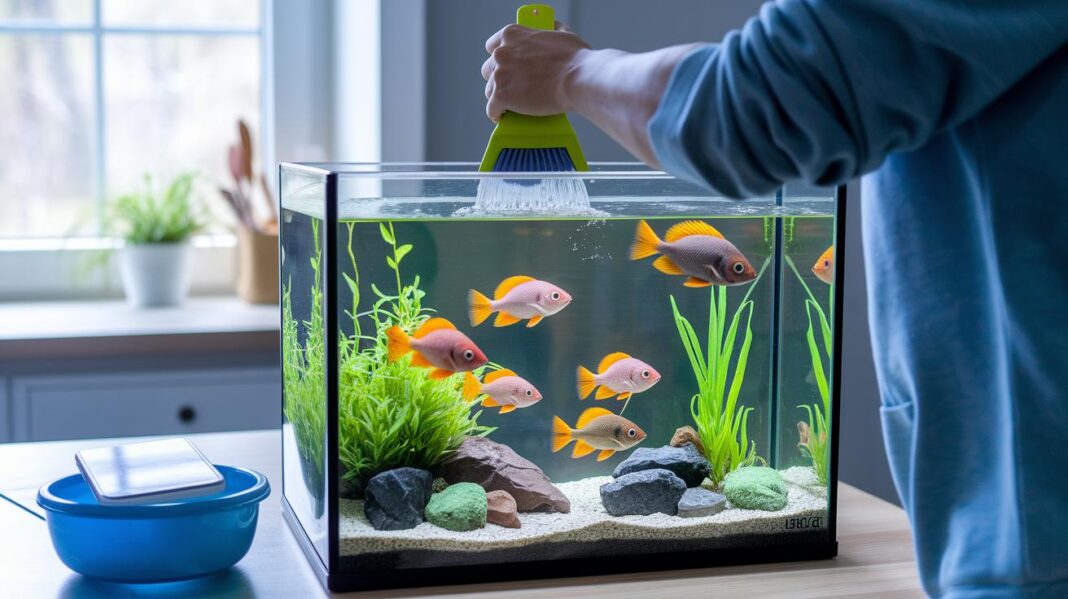

Ever noticed how some aquariums always seem lively while others look a bit neglected? A weekly cleaning routine might be just the refreshing boost your tank needs.
This guide walks you through simple work like changing the water, gently siphoning the gravel, and wiping down the glass. Think of it as giving your tank a revitalizing pulse that clears away build-ups and keeps harmful chemicals out.
Next time you glance at your aquarium, imagine it sparkling like morning dew on smooth stones. Ready to dive into a routine that leaves your underwater world happy and healthy?
Weekly Fish Tank Cleaning Schedule Guide: Sparkling Success
Having a set cleaning schedule each week is super important for keeping your aquarium healthy and happy. It helps you swap out 15%–25% of the water regularly, which keeps the water clean and controls nasty nitrates and phosphates. This routine mixes quick daily tidying with a deeper monthly clean, creating a safe and lively underwater home. Think of these weekly tasks as the gentle pulse that keeps your little ecosystem balanced.
| Task | Action | Recommended Tools |
|---|---|---|
| Water Change (15%–25%) | Remove old water and replace with fresh, conditioned water | Siphon, bucket, conditioner |
| Gravel Siphoning | Suck up debris and waste from the substrate | Gravel vacuum |
| Glass Cleaning | Scrape algae build-up off the tank walls | Algae scraper, pad |
| Décor Rinse | Gently clean decorations to remove built-up debris | Soft brush, removed tank water |
| Filter Quick Rinse | Rinse the pre-filter sponge to improve water flow | Pre-filter sponge rinse |
Sticking with this plan helps keep your water parameters stable and stops harmful chemical spikes. Regular weekly cleaning not only keeps your tank sparkling but also prevents stubborn build-ups of waste and algae. Plus, it gives you the chance to spot early warnings before big problems develop. Each little cleaning step is like a refreshing ripple that makes your underwater world a safe and calming haven for your fish.
Weekly Fish Tank Cleaning Schedule Guide: Must-Have Tools and Supplies
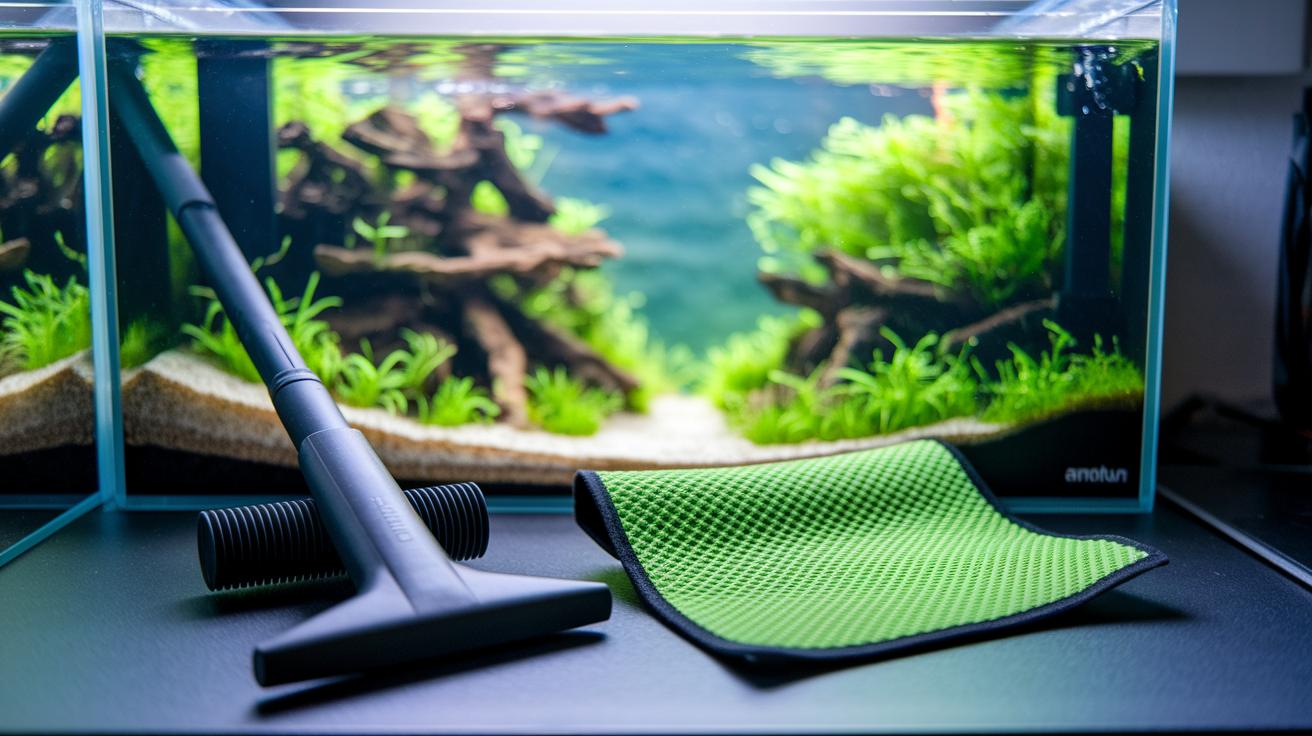
Using the right tools can make cleaning your tank feel as smooth as a gentle current. When you have your favorite items like a gravel vacuum or an algae pad at the ready, you can clean up quicker and spot little issues before they grow. These handy tools help keep your water clear and your fish thriving in a stress-free environment. Every bit of gear plays its part in making sure your underwater world stays safe and sparkling.
- gravel vacuum
- algae pad
- 6-in-1 test kit
- water conditioner
- soft brush
- microfiber towels
- nets
- buckets
Keeping your supplies organized is like arranging smooth pebbles on a riverbed. Rinse your tools with some tank water after each use to prevent unwanted germs from spreading. Then, store them in a dry, easy-to-reach spot for your next cleaning day. This way, your gear stays clean and ready, making your weekly routine as easy as a calm, flowing stream.
Weekly Fish Tank Cleaning Schedule Guide to Water Changes and Testing
Keeping your fish happy means checking their water often. Each week, testing is like taking a peek into a calm underwater world to make sure everything's balanced for your finny friends. Changing 15%–25% of the water every week helps keep bad stuff like nitrates and phosphates in check, so your tank stays clear and inviting.
Here’s an easy checklist for your weekly routine:
- Collect a water sample for testing.
- Measure pH, ammonia, nitrite, nitrate, and phosphate (ammonia is a waste product that can stress your fish).
- Record your results so you can spot any changes early.
- Do a partial water change and clear out any debris.
- Add a dechlorinator and other water conditioners to keep the water gentle.
Using a reliable 6-in-1 test kit makes it simple to watch over your water's health, just like how a steady current keeps everything in motion in nature. Aim for a pH between 6.8 and 7.8, zero ammonia, nitrite below 0.75 ppm, nitrate under 40 ppm, and phosphate no more than 0.2 ppm. If you notice the pH drifting away from that sweet spot, try adding a small piece of driftwood, its natural oils help lower the pH, bringing everything back into balance.
Weekly Fish Tank Cleaning Schedule Guide: Filter Upkeep Timetable
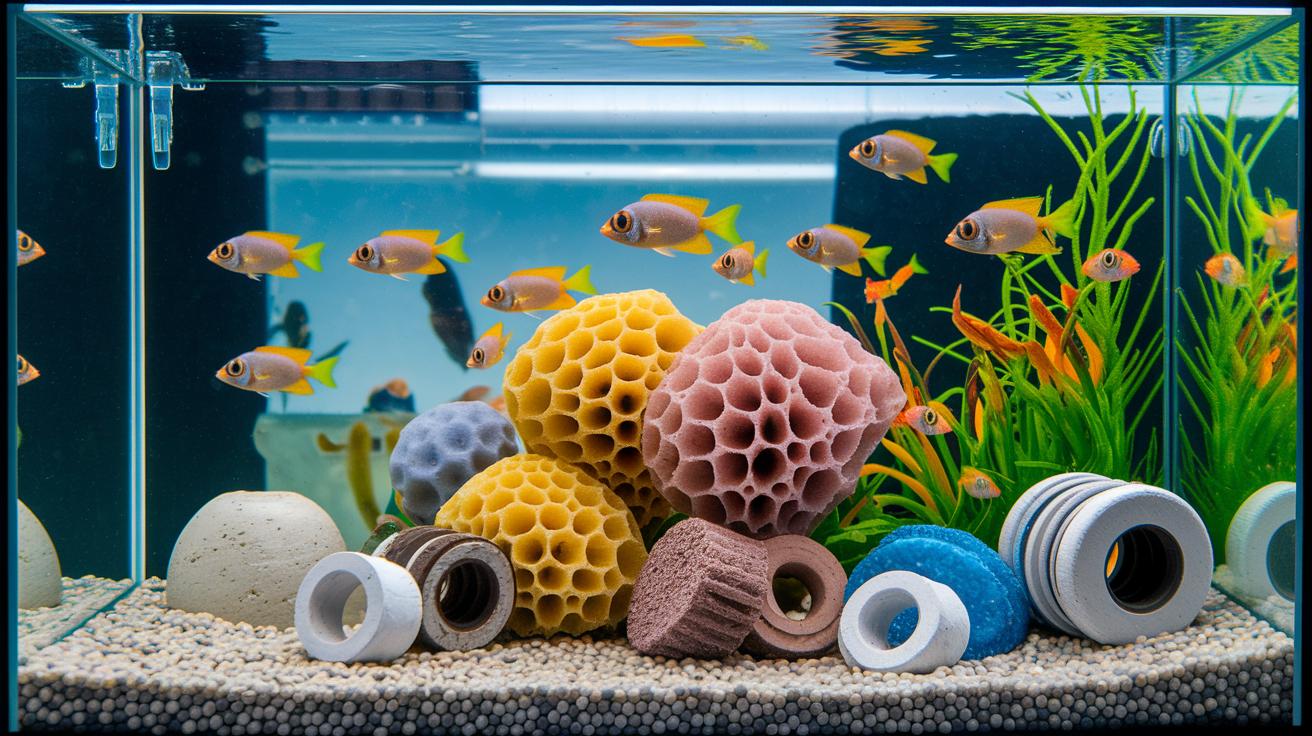
A good filter is like the heart of your aquarium. It houses friendly bacteria that break down waste and help keep your tank stable. By giving your filter a gentle rinse every week, you let these helpful colonies thrive while keeping water flowing smoothly.
Mechanical Media
For mechanical media, such as pre-filter sponges and floss, use water straight from your tank to rinse them. This gentle method avoids shocking the bacteria with tap water. Squeeze out any debris carefully and only use the tank water so that the sponge stays soft and full of its natural structure.
Biological Media
When it comes to biological media like bio balls or ceramic rings, all you need is a little rinse. Gently swirl them in a bucket of water that you’ve already removed from the tank. This careful cleaning helps whisk away any visible particles while keeping the good bacteria undisturbed.
Chemical Media
Keep an eye on your chemical media, like carbon packs, to see if they’ve lost their punch. Typically, you’ll need to replace them every four to six weeks. If you notice that the color is fading or the texture has changed, it’s a hint that it’s time for a swap. Instead of changing all the media at once, just replace the carbon or chemical parts to hold on to those valuable bacteria.
Sticking to this caring filter routine each week helps the filter work its best, keeping your aquarium balanced and safe for your fish.
Weekly Fish Tank Cleaning Schedule Guide: Substrate and Decor Cleaning
Cleaning your tank is a bit like watching gentle ripples on a pond. Bits of debris slowly sink to the bottom, mixing with the gravel. Over time, leftover food and waste can build up and cause spikes in ammonia, which isn't good news for your fish. Keeping the gravel clean not only stops these issues but also makes your aquarium look as beautiful as a calm lagoon.
Gravel Siphoning Methods
A trusty gravel vacuum is your best buddy here. Hold it at a slight angle and let its gentle flow work through about 20%–30% of the gravel each week. This steady, careful approach clears away the waste without stirring up too much sediment. By managing the depth just right, you remove the unwanted bits while keeping the helpful bacteria safe and sound.
Décor and Plant Washing
When it comes to cleaning your decorations and live plants, a little care goes a long way. Rinse these items in water from your tank so your fish don’t get a shock. Gently brush ornaments and leaves with a soft brush to ease away algae and debris. If the buildup is stubborn, let them soak in some tank water for a few minutes. This method cleans without any harsh chemicals like soaps or bleach, keeping your aquatic friends safe.
By taking these simple steps every week, you help keep ammonia levels low and your tank looking clear and inviting. Isn't it amazing how a little routine care can make a big splash in keeping your underwater world healthy?
Weekly Fish Tank Cleaning Schedule Guide: Troubleshooting Common Issues
When you notice a sudden rise in ammonia, it’s a clear sign your fish might be feeling a bit off. Even a tiny bump above zero can make your fish act differently, like breathing faster or even seeming sluggish. I like to think of it as the tank giving you a little nudge that something isn’t quite right.
Also, keep an eye on your tank’s glass and décor. You know how a thin layer of algae can make everything look foggy? It’s like when a rainy day dims the sparkle of a clear pond. This slimy film signals an imbalance, usually from extra nutrients like phosphates, and spotting it early helps you fix the issue fast.
During your weekly cleaning, try these easy steps to restore that natural balance:
- Do an extra water change by about 15% to dilute any spikes in ammonia or chemicals.
- Adjust the pH by adding a small piece of driftwood or using a buffer to keep the water just right.
- Give the glass and decorations a good scrub with a soft brush and an algae scraper, clearing away those stubborn films.
Following these simple tips can help you keep your tank clear and your fish happy. Isn’t it satisfying to see your little underwater world sparkling and vibrant?
Final Words
In the action of caring for your aquarium, you learned a clear blueprint that ties together water changes, filter upkeep, decor cleaning, and troubleshooting. Each step fits into a weekly fish tank cleaning schedule guide that helps you maintain a balanced, healthy tank.
Your routine now combines regular care and careful testing, ensuring a vibrant and peaceful underwater space. Keep steady with these steps, and watch your aquatic world thrive day by day.
FAQ
Where can I find a free weekly fish tank cleaning schedule guide PDF or checklist?
The free guide offers a step-by-step schedule for daily and weekly cleaning tasks like water changes and gravel siphoning to keep your aquarium clear and your fish happy.
What do local aquarium maintenance services include?
These services cover regular cleaning, water testing, and filter inspections, letting you enjoy a spotless tank without worrying about the day-to-day upkeep.
What does aquarium care for beginners involve?
Aquarium care for beginners focuses on daily debris removal, weekly water changes, and routine equipment checks, ensuring a balanced environment for your fish.
How often should I clean my fish tank each week?
Your fish tank needs a weekly partial water change coupled with daily surface cleaning to control debris and support a healthy aquatic environment.
What are the main daily and weekly cleaning tasks for aquariums?
Daily tasks include skimming debris off the water, while weekly duties involve partial water changes, gravel vacuuming, glass scrubbing, and quick filter rinses for steady water quality.
What is the golden rule for maintaining a healthy tank?
The golden rule is consistency. Regular cleaning, water testing, and careful filter upkeep keep your aquarium water stable and safe for fish.
How can I keep an aquarium maintenance log?
An aquarium maintenance log means recording water tests, cleaning tasks, and observations to notice changes early and keep the tank environment stable.
Does an aquarium maintenance app exist for organizing tasks?
An aquarium maintenance app lets you schedule cleanings, record water tests, and set reminders so you stay organized and on top of your tank’s care.