

Ever wonder how a fish’s home changes with the temperature of the water? In our waters, more than 1,200 freshwater species find shelter in cool streams, deep lakes, and sun-kissed ponds. Some of these fish love the brisk, refreshing currents, while others prefer the warm and gentle shallows. Just like the varied strokes in a beautiful painting, each fish adapts in its own unique way. Let’s take a dive into the world of freshwater fish and find out what makes each little ripple so special.
Key Categories of Freshwater Fish
There are around 1,200 different freshwater fish species in the United States. Each one is unique, like a hidden treasure in the watery world. One way to learn about them is by looking at how they handle different water temperatures.
Coldwater fish, such as trout, salmon, and smelt, love waters that feel cool and refreshing, usually between 50 and 60°F. Imagine a crystal-clear stream where trout dart gracefully, perfectly at home in the brisk, lively current.
Coolwater fish, including walleye and musky, prefer waters that are a bit warmer while still keeping plenty of oxygen flowing. You’ll often find these fish in the deeper parts of lakes, where the temperature stays just right all year. Their bright colors and active movements add extra sparkle to the underwater scene.
Then there are warmwater fish like bluegill, sun bream, largemouth bass, and various panfish. They thrive in shallow, sun-warmed waters, often around thick vegetation. Their vivid colors and energetic feeding habits bring a burst of life to lakes and ponds, much like sunlight dancing on the water’s surface.
Apart from temperature, fish are also sorted by where they come from. Native species naturally belong in their local waters, while nonnative fish, those that humans have introduced, can sometimes take over. This change reminds us how important it is to keep a gentle balance in our natural aquatic homes.
By understanding fish through these two main ideas, water temperature and where they come from, we get to see just how rich and lively our inland waters really are. Each fish, like a unique ripple in a pond, plays its part in nature’s grand, beautiful aquarium.
Freshwater Fish Inhabiting Lakes, Rivers, and Streams
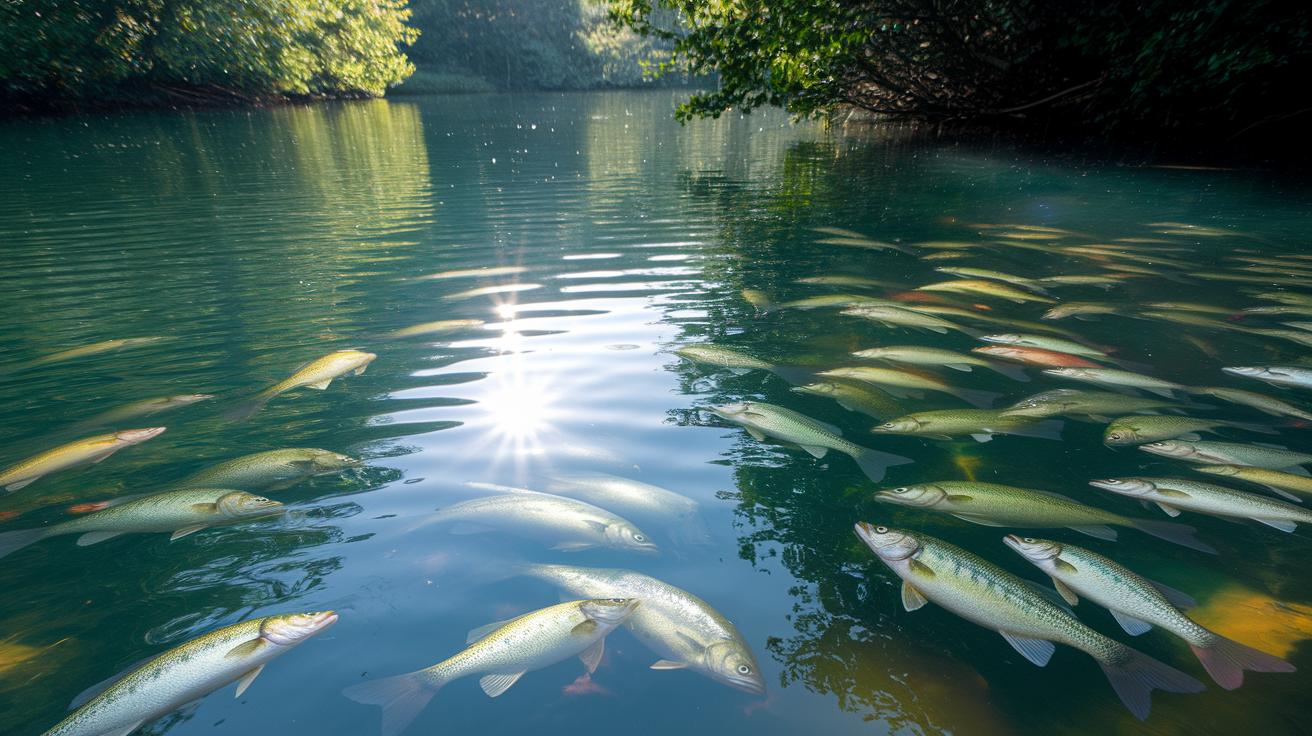
Picture yourself by a sparkling lake where bass in their various forms, largemouth, peacock, and smallmouth, swim gracefully under shimmering light. In places like Lake Okeechobee and Lake Tohopekaliga, it's like nature is painting its own masterpiece. Think of it as opening your favorite storybook where bass hide around sunlit coves, waiting for that perfect moment to zoom across the water.
Rivers are a whole different adventure. Here, the current carries along species like channel catfish and flathead catfish, whose sharp senses patrolling the riverbed remind you of secret underwater patrols. Bowfin and snakehead add a touch of mystery with their unusual shapes, and muskellunge, looking fierce yet calm, gathers energy for a sudden burst of movement. Imagine a river corridor where every curve reveals a new, exciting guest in the watery world.
Up in the crisp, cool headwaters, streams create their own little kingdoms. Tiny fish like the three-spined stickleback, dace, minnow, and stone loach thrive in fast-moving, clear water. It’s as if each species performs its own graceful dance in the gentle murmur of the stream. Every little ripple tells a part of the story, making each habitat feel uniquely special.
Lakes, rivers, and streams each craft their own tale in the language of water, shaping how every fish lives and moves. From warm, wide reservoirs to lively, rushing rivers, and the fresh, energetic streams, nature’s canvas comes alive with every bubble and ripple.
Popular Aquarium Fish Types for Hobbyists
If you're setting up your first aquarium or looking to refresh an old tank, there are plenty of friendly fish to consider. Angelfish, neon tetra, guppy, betta, platy, gourami, corydoras catfish, and dwarf gourami are some top choices that add life and color. Imagine a small, lively tank where neon tetras swim together, their bodies glistening like tiny flashes in the water, almost like a dance of little stars across your very own underwater sky.
For beginners, neon tetras and guppies are a great start. They’re tough, easy to care for, and add bright splashes of color to your tank. When you group neon tetras in six or more, it not only feels natural for them but also creates a peaceful, visually soothing scene. Even in a modest tank, watching these fish move in sync can bring the tank to life.
Betta fish are known for their bold fins and vibrant personality. They shine best when kept alone or with similarly gentle friends. At the same time, platies and gouramis enjoy sharing their space with other small, calm fish, adding a touch of movement at different levels. Gouramis, in particular, often float near the surface, lending a soft, graceful feel that complements the activity below.
Corydoras catfish bring a burst of energy to the bottom of your tank. They help keep the sand or gravel clean by picking up leftover food, and their playful behavior is a real treat to watch. For those with more experience, some hobbyists even venture into keeping cichlids like oscar and peacock bass. These fish need a bit more care and a confident hand, as they can be demanding and sometimes a little bossy, sort of like having a special guest who expects lots of attention.
For more tips, recommended equipment, and supplies to give your aquarium the perfect mix of style and function, check out freshwater aquarium supplies at https://sweetfysh.com?p=222. Enjoy the journey as your tank transforms into a vibrant, watery haven!
Angelfish and Pufferfish Freshwater Profiles
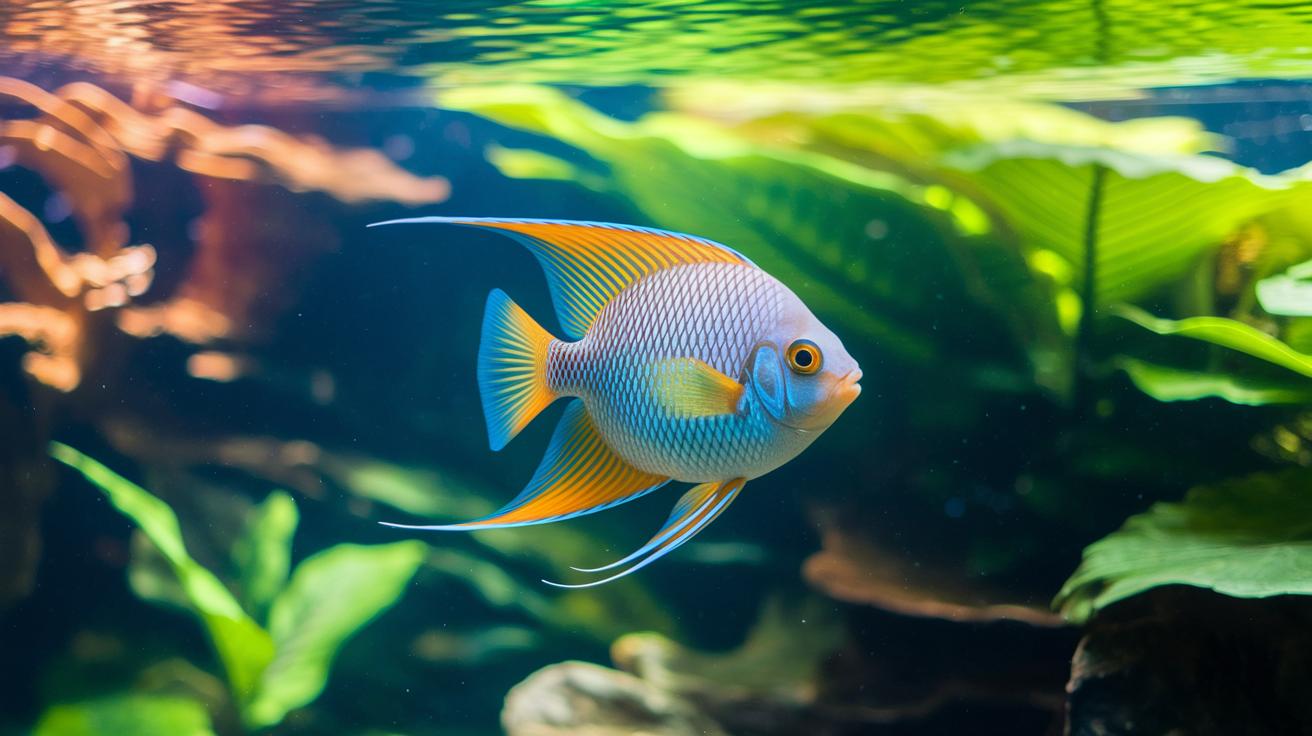
Angelfish, known in the scientific world as Pterophyllum scalare, are a real treat for any freshwater tank. They can grow up to 6 inches long and thrive best in warm water between 75 and 82°F with a pH level ranging from 6.8 to 7.8. They love tanks that give them plenty of tall space, along with driftwood or tall plants to swim by. Imagine an angelfish gliding gently past leafy greens, its long, flowing fins creating a graceful dance in your aquarium.
Freshwater puffers, like the delightful Dwarf Puffer (Carinotetraodon travancoricus), bring their own unique charm despite reaching only about 1.2 inches in length. These little critters have picky tummy needs, mainly enjoying live invertebrates, which means they need a bit more care when it comes to mealtime. Their small size and feisty nature make them an exciting addition that livens up any community tank. Picture a tiny puffer, busy patrolling its little corner with a burst of spirited energy.
Both of these fish need water that’s just right. Regularly checking the temperature and pH helps create a steady, healthy home in your tank. While angelfish impress with their smooth, vertical swimming, dwarf puffers bring occasional playful bursts that catch your eye. Watching these two different types together can turn your tank into an engaging underwater scene that’s as dynamic and charming as a sunlit ripple on water.
Selecting Freshwater Fish for Community Tanks
Choosing freshwater fish for your tank is a lot like picking a great team for a game. You want a mix that works well together so the water stays clean and every fish feels at home.
Imagine starting with active schooling fish like tetras or rasboras. Then, add bottom dwellers such as Cory catfish to take care of the floor, and finish with mid-level swimmers like platies or mollies. It's similar to forming a band where every instrument brings its own special tune to a harmonious underwater concert.
A handy rule is about 1 inch of fish per gallon. So, in a 10-gallon tank (see our advice on 10 gallon tanks), you might keep around 4 to 5 little tetras and maybe one snail or shrimp to help keep things balanced. It really makes sure the game runs smoothly.
Be sure not to overcrowd your tank since too many fish can cause stress and muddle the water's clarity. When the right fish come together, your tank turns into a friendly and balanced little world.
Regular maintenance and quick water tests help you know when it’s time to add another fish friend. With small adjustments here and there, you’ll be rewarded with a delightful underwater scene where every fish adds to the charm.
Exotic and Invasive Freshwater Fish Imports
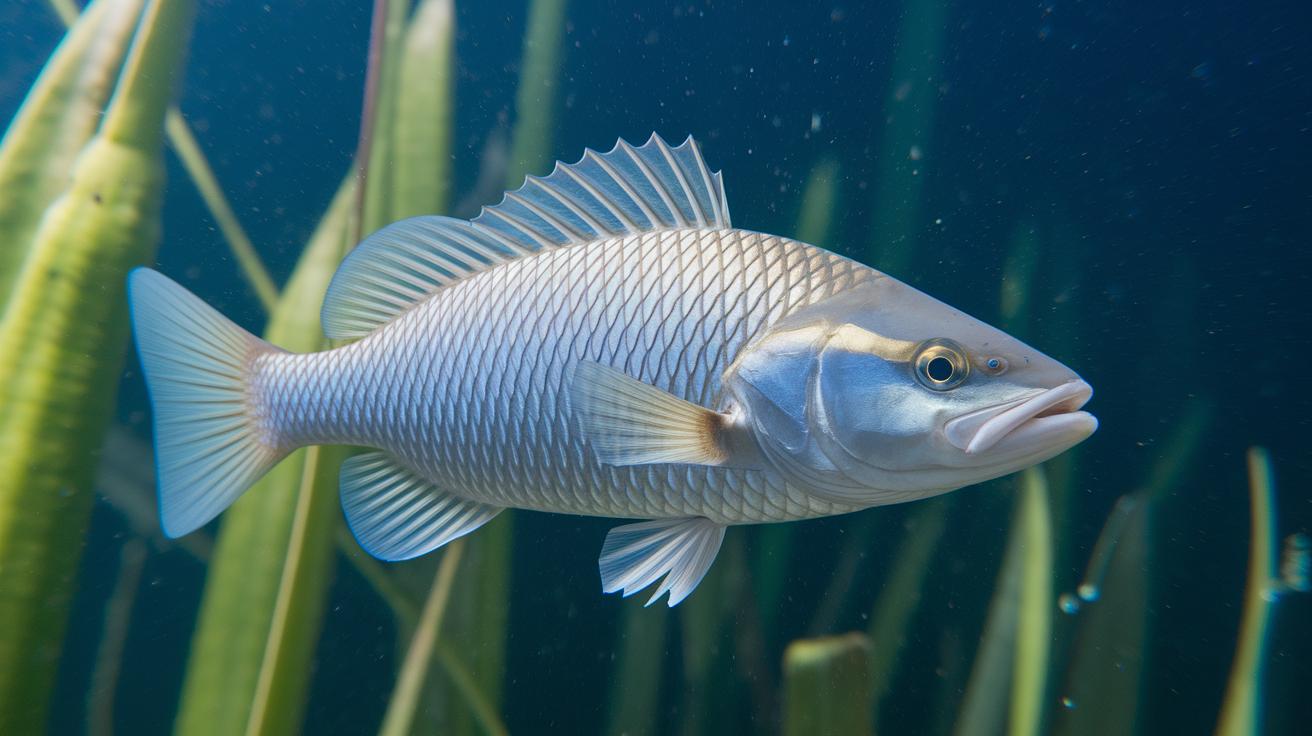
Exotic species like Mayan cichlids, peacock bass, snakeheads, and Asian carp have been spotted in many U.S. waterways, quietly upsetting the natural flow of life. They tend to outcompete the local fish for food and space, shifting the natural food web in surprising ways. Picture a fish slowly claiming more space, much like a snakehead gliding through the water with a silent purpose.
Mayan cichlids, for example, have made southern Florida their home, forming stable populations over time. Their arrival, alongside the vibrant peacock bass, adds extra pressure on native fish as they scramble for the same resources. And then there are the Asian carp, known for multiplying fast and consuming available food, a truly disruptive force in the underwater community.
Since 2000, more sightings of snakeheads have urged closer monitoring and stronger management efforts. Responsible pet releases are crucial to keeping these invasive species at bay. Recognizing these impacts reminds us how important careful screening and controlled introductions of new fish are, ensuring our native aquatic friends can continue to thrive in their clear, peaceful habitats.
Sport Fishing Alternatives: Freshwater Angles
Anglers love chasing freshwater species that bring both fun and a good challenge. Largemouth bass and smallmouth bass are a top pick because they put up a lively fight and taste great too. Imagine sitting on a quiet river bank and feeling that sudden tug as a bass darts out from thick water plants.
Catfish come in many kinds like blue, channel, or flathead, and each one offers its own thrill. Their steady, strong pulls keep you guessing, almost like a little surprise every time you reel one in. I’ve had days where a channel catfish shows off its strength and makes the whole fishing trip extra exciting.
Panfish such as bluegill and crappie are always around, giving you chances to smile with every cast. These fish gather in large numbers all year round, so whether you’re a beginner or a seasoned angler, there’s always that small victory when you land one.
On cooler days, walleye and trout bring their own mix of skill and fun. Trout can be quick and playful, while walleye waits patiently to ambush your bait. Their moves remind me of the gentle ripple of water over smooth stones, calming yet full of surprises.
Every once in a while, you hear tales of record catches like a Mekong Giant Catfish weighing a whopping 646 lb or a freshwater sawfish over 400 lb. Such stories make you appreciate the hidden wonders beneath the surface even more.
Final Words
In the action, our discussion spanned a range of topics, from understanding temperature-based groups of types of freshwater fish to selecting the right species for community tanks. We noted how lakes, rivers, and streams shape fish behavior and even examined special cases like exotic imports and sport angles. Each section offered friendly advice on how to create a well-balanced aquatic space. The insights shared empower readers to enjoy each ripple of their underwater haven with renewed enthusiasm and care.
FAQ
What are the types of freshwater fish for aquarium?
The types of freshwater fish for aquarium include angelfish, neon tetra, guppy, betta, and corydoras catfish. They suit various tank sizes and water conditions, making them perfect for community setups and beginners.
What are the types of freshwater fish for fishing?
The types of freshwater fish for fishing feature game fish such as largemouth bass, smallmouth bass, catfish, trout, and walleye. These species offer exciting sport and tasty meals for anglers.
What do freshwater fish names A-Z include?
The freshwater fish names A-Z span a wide range from angelfish to trout. This list brings together species such as bass, catfish, dace, eel, and many more that thrive in inland waters.
What are the types of freshwater fish in Florida?
The types of freshwater fish in Florida include bass, crappie, catfish, and unique species like Mayan cichlid. They are well-adapted to local lakes, rivers, and wetlands across the state.
What are 10 examples of freshwater fish?
The 10 examples of freshwater fish include largemouth bass, smallmouth bass, channel catfish, flathead catfish, walleye, angelfish, neon tetra, guppy, trout, and bluegill, showcasing a good variety for different habitats.
What types of fish live in lakes and ponds?
The types of fish in lakes and ponds typically include species such as largemouth bass, crappie, bluegill, catfish, and walleye. They thrive in still or slow-moving waters found across many regions.
What are some Texas freshwater fish species?
The Texas freshwater fish species feature largemouth bass, catfish, sunfish, and various panfish. These species reflect the diverse water bodies and climates found throughout Texas.
What North American freshwater fish species are common?
The North American freshwater fish species number over 1,200 and include trout, bass, catfish, and walleye. These species adapt to various climates and water conditions across the continent.
What are common freshwater fish?
The common freshwater fish include species like bass, bluegill, catfish, trout, and neon tetra. They are popular in both natural waters and aquariums, thanks to their ease of care and versatile appeal.
What are the top 10 biggest freshwater fish?
The top 10 biggest freshwater fish include record-catch species such as the Mekong Giant Catfish and freshwater sawfish, among others. These impressive fish are known for their significant size and weight.
Which freshwater fish is considered the cleanest?
The cleanest freshwater fish are often thought to be species like catfish, which naturally sift through their environment. Their behavior contributes to maintaining a balanced ecosystem.
What is the best freshwater fish to eat?
The best freshwater fish to eat often include species such as bass, catfish, and trout. These fish are favored for their mild flavor, ease of preparation, and nutritional benefits.