

Ever wonder if you're really picking the best fish at the market? Imagine holding a fish that's firm to the touch and smells as fresh as a cool sea breeze. Picking healthy fish doesn't have to be a mystery. Here are some simple tips: take a good look at its color and shine, give it a gentle press to check for firmness, and take a quick sniff for that unmistakable fresh scent. Soon, you'll feel more confident choosing quality fish and savor meals filled with nature's finest offerings.
Visual and Sensory Checks for Fresh Fish Quality
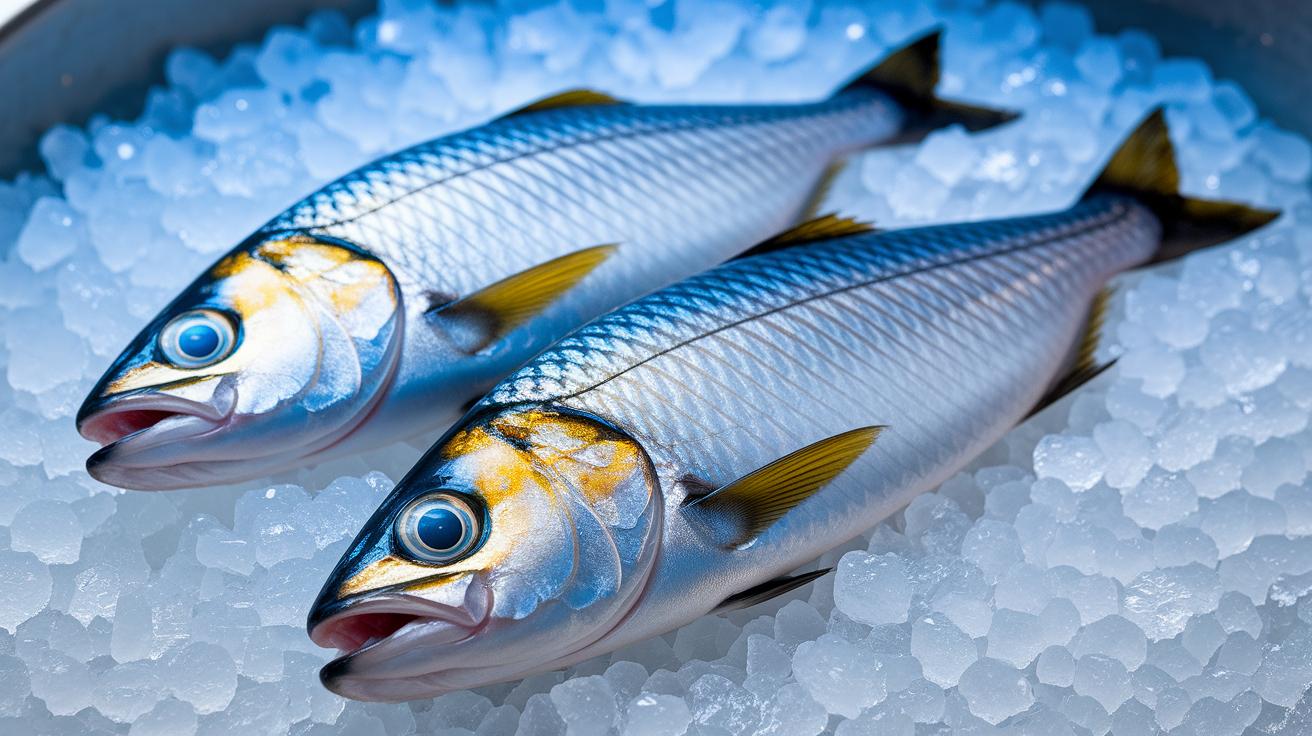
When you step up to the fish counter, let your eyes and hands be your trusted guides. Look for fish lounging on clean, well-drained ice with no stains or hints of dull color. That pristine bed of ice shows the vendor is keeping everything cool and cared for, almost like watching the first light of dawn shimmer on a clear lake.
Next, give the fish a gentle press with your finger and take a quick whiff. Fresh fish should feel firm and spring back like a well-tuned buoy, and it should smell like a soft, ocean breeze, mild and refreshing. If the flesh feels dry or the scales slip off too easily, it could be a sign the fish isn’t as fresh as it should be.
- Fish resting on spotless, well-drained ice without any discoloration
- Bright, shiny skin that beams with health
- Scales that stick tightly to the body, much like a well-kept secret
- Resilient flesh that bounces back when gently pressed
- A gentle, ocean-like aroma free from any sour or ammonia hints
Trust these friendly visual and sensory hints when picking your fish. With each careful glance, press, and sniff, you can be sure you’re choosing a top-quality catch that’s as nourishing as it is delightful.
Distinguishing Quality in Fish Fillets and Steaks
Pre-cut fish fillets and steaks make life easier while still offering splendid quality. Even though these cuts come pre-cleaned, it’s important to feel their firmness and texture. Fresh fish will bounce back when you press it and show a clear, even color instead of a dull one.
Fillet Inspection Tips
When you run your finger along a fillet, it should feel smooth yet firm, almost like the gentle ripple of water over pebbles. The flesh should hold its shape, not give in or feel slimy. A uniform, light color tells you that the fish was handled with care right after being filleted.
Steak Inspection Tips
For fish steaks, check that they are evenly thick with a balanced sprinkle of fat. A firm feel across the steak means it holds moisture well without being too soft. The color should pop with life, suggesting the fish was treated respectfully from the start.
Before you decide to buy, ask the fishmonger when the fish was processed. That little question can make a big difference in knowing you’re getting the freshest catch.
Assessing Market Display Conditions and Storage Practices
When you stroll through a fish market, take a moment to notice how the ice is set up. Fresh fish should be laid out on clean ice that is changed regularly and drained well so that juices don’t mix together. Think of it as a cool, neat bed that keeps the fish at the perfect temperature and helps prevent any unwanted flavors from crossing over.
After the fish is caught, how it’s handled is just as important as its display. The moment a fish meets the ice is when its freshness begins to be preserved. Instead of just checking a delivery date, watch how the vendor treats the fish right after it’s caught. A fish that has been quickly and gently chilled will usually have a bright color and a firm feel, showing that it was cared for with little delay.
And finally, notice how active the market is overall. On busy days like Thursday through Sunday, you may see the ice changed more often as the vendor works with a fresh batch of fish. This regular refreshing of the ice gives you confidence that the fish have been kept in top condition, making them a better pick for your next meal.
Criteria for Choosing Sustainable and Healthy Seafood

When you're shopping for fish, think about the whole journey from the water to your plate. Look for signs that the fish comes from a healthy, well-managed source that cares about the ocean. Labels like MSC certification are a quick way to know the fish was caught with care, keeping our waters as clear as a gentle stream.
Wild-Caught Guidelines
For wild fish, it helps to pick types that live lower on the food chain. These smaller fish usually have fewer toxins and lower mercury levels. Chat with your fishmonger about where the fish comes from, clear origins often mean the catch was made using methods that protect our watery world.
Farm-Farmed Standards
If you're going for farmed fish, look for hints that the farm uses smart, responsible practices. Labels that show no antibiotics or hormones mean the fish avoided harmful treatments. Also, make sure the feed they use is top-notch, so both you and the environment stay healthy, just like keeping a well-tended aquarium.
Balancing the benefits for your health with care for our waters means weighing both wild and farmed options. Ask questions, check for clear sustainability labels, and you'll be doing your part to protect our underwater home while enjoying delicious, nourishing seafood.
Leveraging Seasonal and Local Market Advantages
Talking directly with local vendors can really make a difference. When you ask, "What's the best catch today?" they share little stories about fresh prices and how quickly the fish hit the market. I once heard a friendly fishmonger say, "Our catches are so fresh they still carry a hint of the morning tide." This kind of chat helps you pick fish when they're at their peak and sometimes even score a better price.
Local seafood markets near the water often bring in their fish almost as soon as they land. This means you get to try out unique, region-specific selections that taste truly fresh. Rely on these vendor insights, and you'll soon be choosing the best fish for your meal every time.
Proper Post-Purchase Handling to Maintain Fish Health
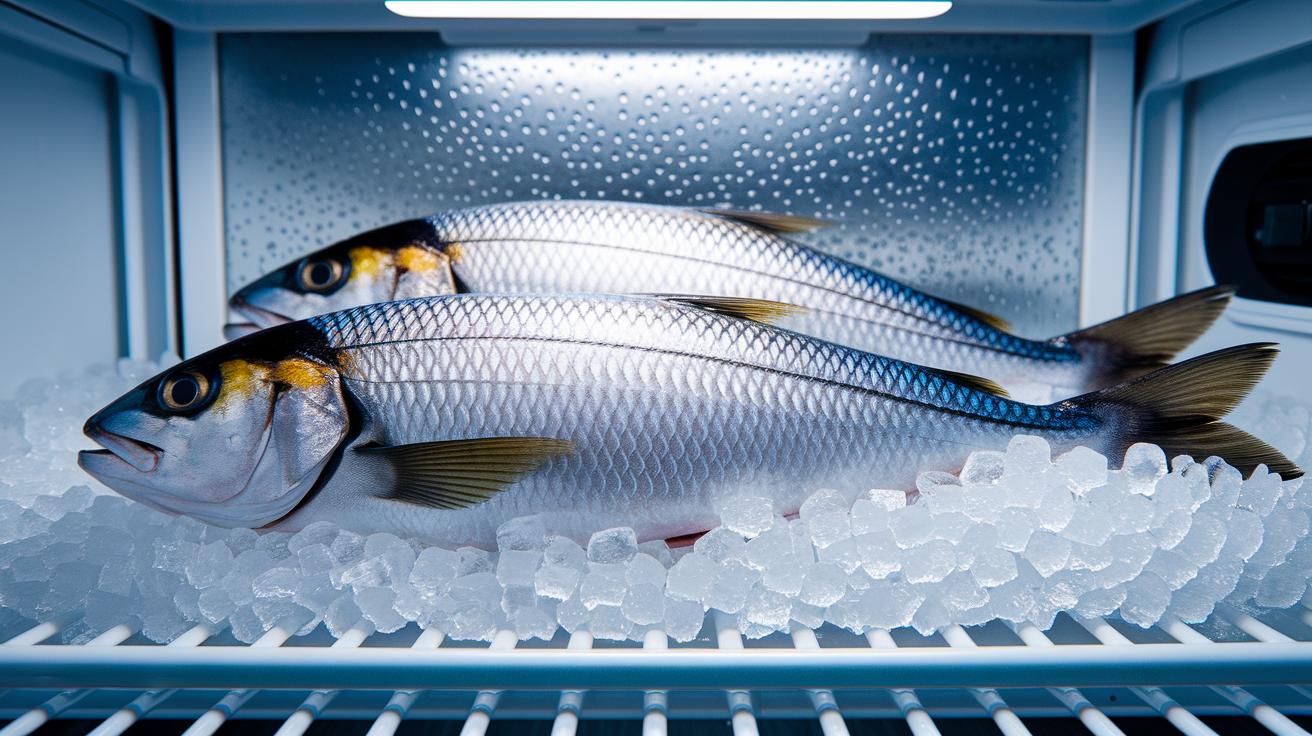
Once you bring your fresh fish home, tuck it into your fridge on a bed of ice. This keeps it cool without letting it freeze, kind of like setting up a perfectly chilled aquarium. It’s a simple tip to keep your fish in top condition until you’re ready to cook.
Aim to cook your fish within 48 hours. This quick turnaround helps slow down any pesky bacteria while keeping its taste and moisture just right. Think of it as giving your fish the freshest start, like enjoying a crisp, ripe apple picked straight from the tree.
After you make your purchase, seal your fish in airtight packaging or a snug container. Doing so keeps unwanted smells at bay and stops any cross-mixing with other foods in your fridge. Picture your fish safely nestled in its own little spot, just like you would care for a beloved pet, so every meal turns out both safe and delicious.
Final Words
In the action, we covered how to spot fresh fish using visual and smell tests, check firmness and color in fillets and steaks, and evaluate market display practices. We also looked at choosing sustainable options and taking full advantage of seasonal markets. Each tip helps you create a balanced underwater home where fish can thrive. Remember, knowing how to choose healthy fish at the market means you’re set for a rewarding experience that turns every meal into a refreshing and confident moment. Enjoy the process of choosing and caring for your aquatic friends!
FAQ
What should you look for when buying frozen fish?
The advice for buying frozen fish suggests checking that the packaging is intact, there’s minimal ice buildup, and labels confirm proper flash-freezing to lock in freshness and quality.
What guidance does the Seafood Watch guide, app, and best choices list offer?
The Seafood Watch resources provide clear advice on sustainable seafood, offering lists and certifications to help you choose seafood that supports healthy ocean practices without harmful impacts.
How do you identify the healthiest fish to eat at the supermarket?
The healthiest fish often include small, wild-caught options. Look for fish with firm flesh, vibrant color, and a mild, ocean-like scent as signs of quality and peak nutritional value.
What steps help in picking good quality fish at the market?
To pick good quality fish, examine for bright, clean skin, firm, springy flesh, and a gentle sea aroma. Avoid fish that appear dry, discolored, or carry strong, off-putting scents.