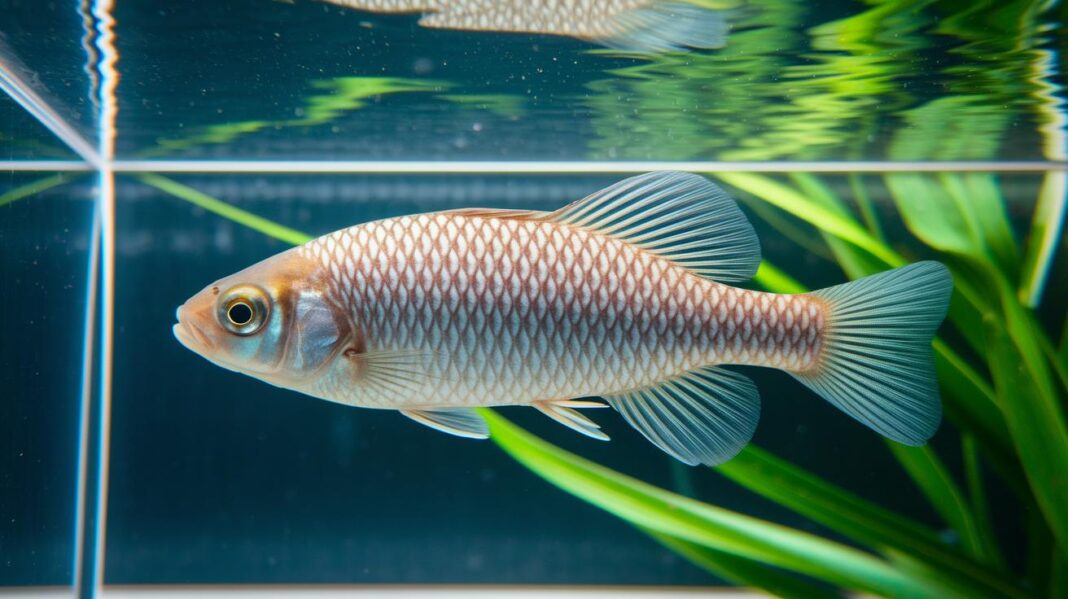

Ever noticed your fish acting a bit off? It might be more than just a mood change, a little trouble could be hiding under their scales. Like a small ripple on calm water, tiny shifts in behavior or spots on their skin can be early signs of an issue.
Catching these hints early helps keep your tank safe and your water friends happy. In this guide, I share simple facts and easy tips to help you spot parasite symptoms so you can protect your fish with confidence.
Parasite in Fish: Recognizing Key Symptoms and Detection Techniques
Catching problems in your tank early is key to keeping your fish happy and healthy. When you spot even a small change in a fish's behavior or look, it could be a hint that something’s off. It's a bit like seeing a tiny ripple on calm water that hints at a bigger current beneath. Noticing even a tiny spot that feels different can lead you to bigger issues, just like a speck on your window might mean it's time for a good clean.
Finding these early signs not only helps you treat the fish quickly but also stops any parasite from spreading around the whole tank. It’s all about keeping a close eye on your aquatic friends and noticing when their usual calm glide or graceful dance starts to change.
- White spots that look like tiny grains of salt on the skin or fins.
- Gill flukes that make the gills look red or swollen, often causing the fish to rub against surfaces.
- Gill mites, which can make the fish gasp at the water’s surface with quick gill movements.
- Anchor worms, which appear as thin, thread-like creatures attached to the fish.
- Fins that stay folded tightly against the body instead of fanning out normally.
- Ragged tail or fin edges that warn of developing fin, tail, or mouth problems.
- Dropsy, where the scales puff out, almost like a little pinecone.
- Early fungal spots showing up as soft, gray or white patches on the skin or fins.
The best way to figure out what’s going on is to give each fish a careful look. A close visual check can reveal odd changes, and sometimes you might even take a tiny sample of mucus to look at under a microscope. This extra step helps you spot the specific parasite so you can choose the right treatment and get your tank back to its calm, clear state.
Parasite in Fish: Classification and Life Cycles of Major Pathogens
Understanding how fish parasites work is like watching gentle ripples in a calm pond. When we learn how they are classified, we get a clearer picture of their habits and how they spread in our underwater world. Each group follows its own unique life cycle, which really helps when it comes to diagnosing issues and figuring out the best treatment. Knowing if a parasite lives its life on a single host or needs another friend along the way is key to stopping outbreaks before they start. This insight also guides us when studying risks, like the anisakis larvae, which can even affect people if we’re not careful.
| Parasite Type | Example Species | Life Cycle | Host(s) |
|---|---|---|---|
| Protozoans | Ichthyophthirius, Cryptocaryon | Direct cycle: tomont to theront to trophont | Fish |
| Monogenean Flukes | Dactylogyrus | Direct, single host cycle | Fish gills |
| Trematodes | Blood-sucking flukes | Indirect cycle with a snail helper | Fish, snail |
| Cestodes | Bothriocephalus tapeworm | Indirect cycle with crustacean hosts | Fish, crustaceans |
| Nematodes | Anisakis larvae | Develop in fish muscle | Fish, potential human infection |
Parasites with direct life cycles, like the protozoans and monogenean flukes, can jump quickly from one fish to another without needing an extra stop. On the other hand, those with indirect cycles rely on a helper, such as a snail or crustacean, to finish their journey. This slower pace can sometimes make it trickier to keep them in check. And with anisakis, the concern goes a bit further since these tiny worms can be a health risk if the fish isn’t cooked well. It’s all about balancing care for our aquatic friends with the safety of those enjoying them.
Parasite in Fish: Understanding Transmission Routes and Risk Factors
Parasites can be sneaky little hitchhikers. They often drift in the water as free-swimming larvae or tiny tomonts, waiting for a chance to latch onto a fish. Sometimes, they cling to equipment, nets, or even gravel. Think about how a small ripple in the water can quickly spread tiny invaders to many fish.
Crowded tanks or fish farms with poor water quality become perfect spots for parasite outbreaks. In these cases, keeping your tank clean is a must. Regular cleaning, steady water conditions, and careful feeding practices can help prevent the spread of internal worms. It’s a lot like keeping a well-tended fish room where every little detail matters.
Some parasites can jump from fish to humans, too. For instance, anisakis can move across species and might make you sick if you eat undercooked sushi, with symptoms showing up in just a day or two. Being aware of these risks means you’re not only looking out for your fish, but also keeping yourself safe.
Parasite in Fish: Treatment Protocols and Control Strategies
When it comes to treating fish parasites, every little detail matters. You need to be careful with the medication doses and make sure the water in your tank stays just right. Keeping an eye on things like temperature and pH is as important as measuring your chemicals accurately. This way, you help your fish heal while keeping any harm to a bare minimum.
Chemical Treatments
Using chemicals properly can really help manage pesky parasites. For example, a formalin bath at 25 ppm works great for fighting off protozoans and monogeneans. And if you're dealing with ich in a freshwater tank, a dose of copper sulfate between 0.15 and 0.3 mg/L can do the trick. There’s also Praziquantel at 2 mg/L, which is helpful against flukes and tapeworms. Sometimes, mixing malachite green with formalin proves effective against fungus and any secondary infections that pop up. It all comes down to sticking with these doses and keeping water quality in check for the best results.
Natural and Organic Remedies
Some fish lovers choose a more natural route to boost fish health. A simple salt dip can lower the parasite count and ease stress for your little swimmers. Many aquarists also use herbal extracts to help calm irritated fish during an infestation. Plus, UV sterilization can be a neat way to cut down on free-floating parasites in the water. These organic methods often work well alongside chemical treatments, giving your tank a balanced and healthy environment.
Quarantine and Physical Methods
Keeping new or unwell fish separate from the main tank is a smart move to stop parasites from spreading. In quarantine tanks, you can carefully remove things like anchor worms by netting or gently scraping them away. Regularly vacuuming the substrate is another effective way to clear out any leftover parasite eggs or debris. Using these physical methods along with strict isolation helps make sure your main tank stays a safe and happy home for your fish.
Parasite in Fish: Preventive Measures and Consumption Safety Guidelines
When you bring new fish home, it’s a great idea to give them their own little space for about 2 to 4 weeks. This quarantine lets you keep an eye out for any unusual signs before they join your main tank. It’s like watching the gentle ripple of water for any unexpected disturbances. During this period, small water changes of 20 to 30 percent each week, along with keeping the pH and temperature steady, create a safe, stable environment. Using a UV sterilizer acts like a light that clears away free-floating parasites, and washing your hands and tools well helps keep any unwanted visitors out.
Setting up a separate quarantine area means you can closely monitor your fish without putting your entire tank at risk. A clean tank with well-kept gravel makes it easier to spot those early hints of trouble. This extra care not only protects your aquatic friends but also cuts down the chances of parasites sneaking from one tank to another.
For home chefs making sushi or other fish dishes, safety in the kitchen is just as important. Cook your fish until the inside reaches 140°F, which turns the flesh opaque and causes it to flake easily, this simple step kills the parasites. If you’re freezing raw fish for sushi, keep it at -4°F or lower for at least 48 hours to inactivate anisakis larvae. Following these tips ensures both your aquarium and your kitchen stay safe and healthy.
Final Words
In the action of caring for your aquatic pets, we checked out key symptoms like salt-like spots and fin changes while digging into simple detection and treatment tips. We moved through classifying common invaders, shared ways these challenges can spread, and helped you pinpoint safe treatment methods.
With clear ideas on a well-kept tank and regular maintenance, tackling a parasite in fish becomes less daunting. Keep your water pristine and your friends healthy, every little step makes for a more radiant underwater home.
FAQ
Are fish parasites harmful to humans?
The fish parasites harmfulness to humans comes into play when raw or undercooked fish are consumed, as some parasites like anisakis may cause foodborne illness. Cooking or freezing fish minimizes these risks.
What temperature kills parasites in fish?
The temperature that kills fish parasites depends on the method used. In aquaria, raising water to 86°F for 48 hours can interrupt parasite life cycles, while cooking fish to at least 140°F ensures parasites are eliminated.
What are the common symptoms of fish parasites?
The fish parasites symptoms include white spots on skin, irritated or swollen gills, clamped fins, and erratic behavior like rubbing. Recognizing these signs early helps in taking prompt action to protect your fish.
Are worms in fish dangerous?
The worms found in fish, such as nematode or trematode types, can be harmful to fish and may pose health risks to humans if fish are eaten raw. Proper treatment and cooking reduce these dangers significantly.
How can fish parasites be treated and removed?
The fish parasites treatment involves using chemical baths like formalin or copper sulfate, employing natural remedies, and manually removing visible parasites. Correct dosing and water quality monitoring are key to effective removal.
Can cooking eliminate parasites and is it safe to eat fish with parasites?
The fish parasites can be killed by cooking; heating fish to a minimum of 140°F makes it safe to eat. Freezing the fish beforehand is another effective method to inactivate any parasites present.