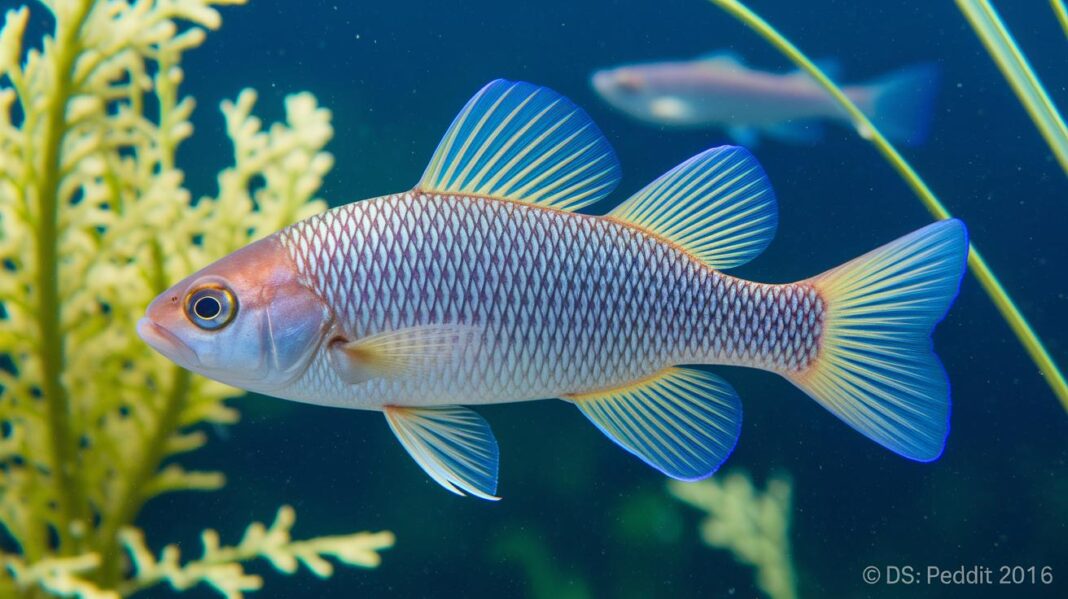

Ever notice wild fish usually cost more than their farmed buddies? It’s because nature hands them a mix of flavors and nutrients that change with the seasons, while farmed fish stick to a steady, controlled diet that keeps things pretty consistent. Farmed fish reliably offer the basics like protein, omega-3s, vitamins, and minerals, kind of like a regular beat that never changes. In contrast, wild fish add a splash of variety that might just kickstart your next meal idea. Dive in with us as we explore these differences and discover what makes each one a unique catch.
Comparative Nutritional Profiles of Farmed and Wild Fish
Farmed fish are raised in neat, controlled tanks or simple pens, while wild fish are caught straight from nature’s watery homes. Roughly half of all fish eaten around the globe come from aquaculture, with the rest coming from wild capture. Farmed fish usually carry a friendlier price tag since their farming is large-scale and predictable. Meanwhile, wild fish typically cost more because overfishing and high demand make them rarer. Ever notice when you pick up wild fish at the market, the price difference tells a tale of natural scarcity versus farmed abundance?
Both types of fish burst with high-quality protein, omega-3 fatty acids, vitamins, and minerals, each one vital for your well-being. The protein in fish offers all nine essential amino acids, and omega-3s, like EPA and DHA, quickly support both heart and brain health. Vitamins and minerals work together to keep our bodies strong and steady, much like a smooth current that carries everything along. Quick icing right after the catch is key for locking in these nutrients and keeping that fresh, inviting taste. This careful handling makes sure each bite delivers all the health benefits you’d expect from your favorite aquatic meal.
Protein Quality in Farmed vs Wild Fish
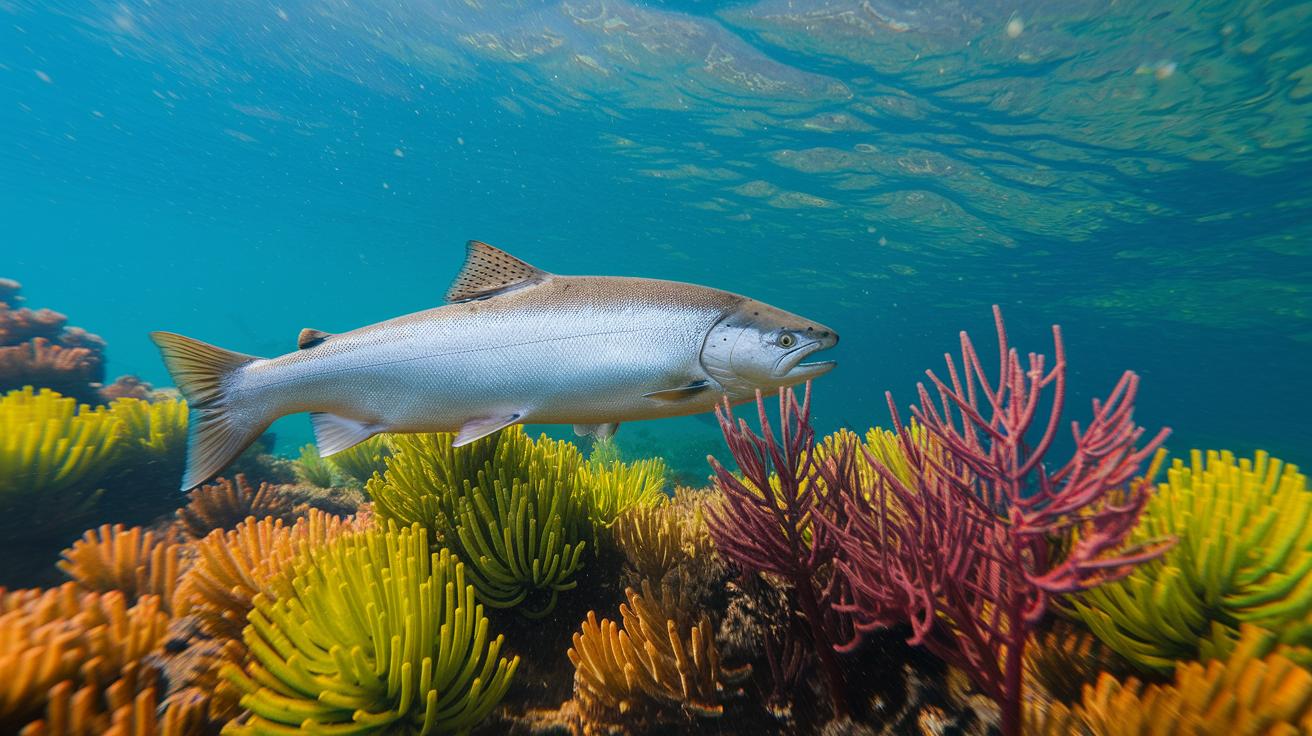
Fish provide all nine must-have amino acids our bodies just can’t make, they’re like a natural, lean protein boost straight from the water. Each bite supports our everyday health, much like a gentle stream refreshing a busy day.
Farmed fish are fed a carefully balanced diet every day, which keeps their protein levels nice and steady. Wild fish, on the other hand, eat whatever nature serves up, changing with the seasons and their surroundings. This means farmed fish tend to offer a consistent spread of amino acids while wild fish may surprise you with a bit of variety based on when and where you catch them.
Around the world, fish make up about 6.7% of all the protein we eat, and for 3.1 billion people, fish provide 20% of their daily protein need. This steady, high-quality protein is key to a well-rounded, nutrient-rich diet, almost like having a trusted friend in the water, always ready to lend a helping fin.
Omega-3 Fatty Acid Levels in Farmed and Wild Fish
EPA and DHA keep our hearts and brains in tip-top shape. They work like a gentle current, helping to reduce inflammation and keeping cells functioning well, kind of like watching soft ripples on a clear pond. Ever feel that burst of energy after a quick walk? That's similar to how these fatty acids keep you feeling balanced and alert.
Farmed fish get a special diet that is enriched with these healthy fats to make sure you get the good stuff every time you eat them. It’s a bit like opening your favorite snack package and knowing it will taste just as delicious as the one before.
Wild fish, on the other hand, pick up their omega-3s from their natural surroundings. Their levels can change with the seasons and what’s available to eat. For instance, wild salmon sometimes pack more omega-3s, while at other times, farmed salmon might have the edge.
One thing to watch out for is that farmed fish have a bit more fat, which means there's a small risk of the fats breaking down if they aren’t stored properly. Quick icing and careful storage after harvest help keep these fats fresh and effective.
Vitamin and Mineral Differences in Farmed Compared to Wild Fish
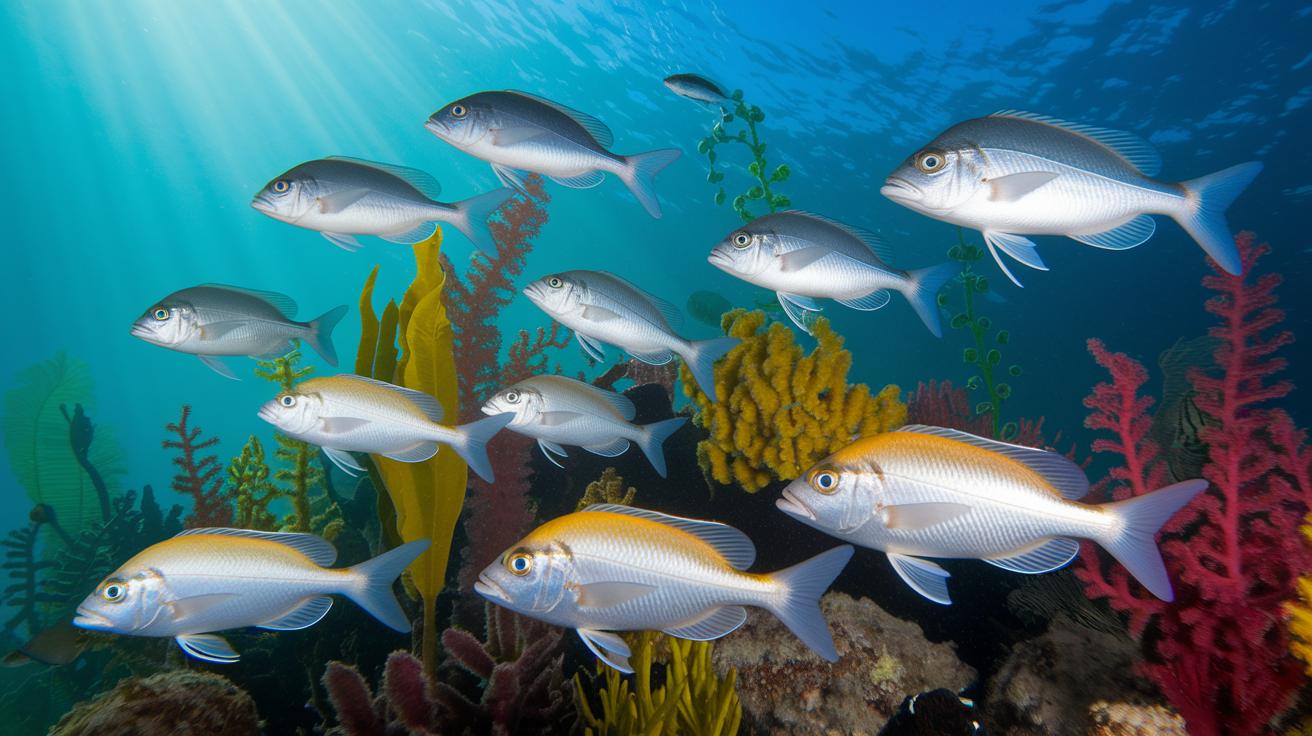
Wild fish enjoy a natural menu of different small creatures, which gives them a broader mix of vitamins and minerals. Their bodies absorb more varied amounts, especially with vitamins like D and B12, because the foods in their watery world change with the seasons. Farmed fish, on the other hand, eat a steady, specially made feed that is designed to give them the nutrients they need. This means their vitamin and mineral levels are more consistent but can be a little lower overall. In short, while both wild and farmed fish provide the nutrients we need, wild fish show more variation thanks to their diverse diet.
| Nutrient | Farmed Range | Wild Range |
|---|---|---|
| Vitamin D | 5–15 µg/100 g | 8–20 µg/100 g |
| Vitamin B12 | 2.4 µg/100 g | 3.0 µg/100 g |
| Selenium | 30–40 µg/100 g | 40–50 µg/100 g |
| Iron | Variable (±10–25%) | Variable (±10–25%) |
| Iodine | Variable (±10–25%) | Variable (±10–25%) |
These differences come from what the fish eat and where they live. Farmed fish munch on a balanced mix that gives them a set nutritional profile, while wild fish show what nature has to offer. This little difference is a good reminder that a fish's diet, whether picked from nature or served from a bowl, shapes the vitamins and minerals they carry.
Contaminants and Safety in Farmed Versus Wild Fish
Farmed fish live in controlled spots where gentle doses of antibiotics help them stay healthy. Even though these treatments work well, tiny traces might linger. Producers adjust these doses like you’d fine-tune a tank’s filters, keeping everything balanced and safe for everyone to enjoy.
Wild fish, by contrast, swim in open waters and can pick up pesticides from nearby farms. This natural exposure means they might carry small amounts of chemicals that you wouldn’t find in farmed fish. Both wild and farmed fish may also be treated with preservatives like sulfites after they’re caught. It’s a bit like adding a light glaze to preserve the freshness right when your favorite snack is made.
Heavy metals such as mercury and lead show differences too. Fish raised in farms usually have lower levels because their feed and water conditions are carefully managed. But wild fish can absorb more heavy metals depending on the pollution in their natural homes. It’s a clear reminder that nature, much like a wild pond, can be unpredictable.
Regulatory bodies set strict limits for antibiotics, pesticides, preservatives, and heavy metals to protect our health. Regular checks and testing work like a good filtration system in an aquarium, ensuring that the fish on our plates are as safe as they are delicious.
Impact of Rearing Conditions on Nutrient Variability in Aquaculture and Wild Fisheries
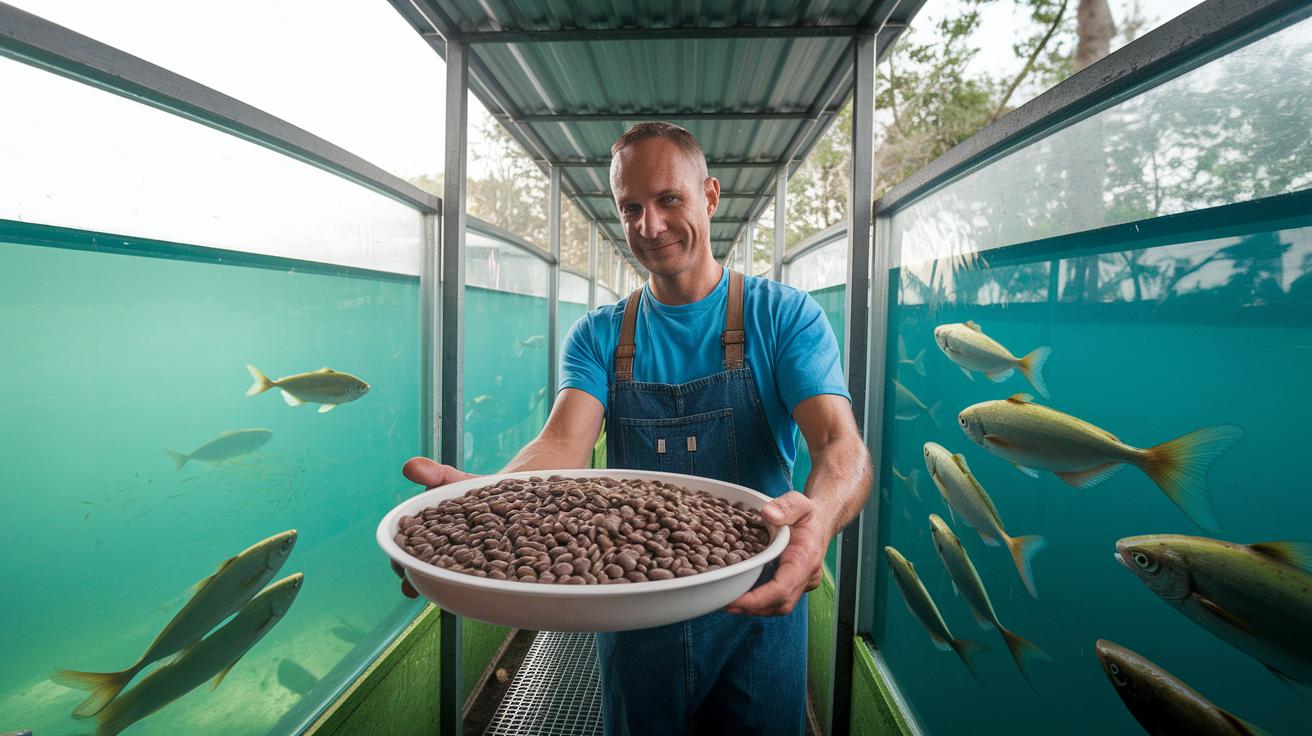
In farmed environments, lots of factors gently influence a fish’s nutrient profile. Elements like water temperature, the number of fish kept together, and the specific food recipes all play a part. Fish food mixed with algae, fish oil, and vitamins helps keep nutrient levels steady and fat just right, almost like nature’s gentle balance in a well-tended pond.
In these controlled settings, fish farmers have the freedom to tweak conditions in small but important ways. For example, sticking to a regular feeding schedule means fish end up with predictable amounts of vital vitamins and minerals. This careful approach optimizes nutrition, making it feel like every fish is getting the personalized care of a favorite aquarium.
On the flip side, wild fish present a different story. Their nutrient makeup shifts with changing natural conditions and what’s available to eat. Natural foods, influenced by factors such as water temperature or oxygen levels, can change how much fat fish store and how they absorb key nutrients. It’s like nature painting a new picture with each season. Imagine catching wild fish on a cool autumn day with vitamin levels that differ from those caught in the warmth of summer – each catch is a unique gift from nature.
To understand these differences, experts use careful monitoring. In aquaculture, system checks make sure that feed quality and water conditions stay on point. Meanwhile, scientists studying wild fish rely on seasonal surveys that look at habitat health. These observations help bridge the gap between farmed and wild environments, guiding adjustments and ensuring that fish nutrition remains strong all year round.
Dietary Guidance Based on Nutritional Differences Between Farmed and Wild Fish
When picking your seafood, try having about two servings each week to help you reach 250–500 mg of EPA/DHA. These nutrients help keep your heart and brain happy. Farmed fish come with a steady mix of vitamins and minerals so you always know what you're getting. But wild fish add a fun twist with lean meat and flavors shaped by their natural diet. Families, especially moms-to-be and children, may want to choose fish with low levels of contaminants to be extra safe.
Mixing the two types is like combining the bright buzz of a coral reef with the calm vibes of a peaceful aquarium. Farmed fish are usually easier on the wallet and offer consistent nutrition, while wild fish bring a burst of variety to your plate. Eating both means you get a blend of different nutrients that support overall health. Next time you're planning a seafood meal, why not try mixing them up for the best of both worlds?
Final Words
In the action, we've explored how farmed and wild fish differ in protein, omega-3 levels, vitamins, minerals, and safety concerns. We also unpacked how rearing conditions can sway these nutrient details.
Our discussion highlighted how balancing cost, availability, and taste adds up to smarter seafood choices. We hope this guide helps you understand the nutritional differences between farmed and wild fish, and it leaves you feeling ready to create a vibrant, healthy aquatic menu.