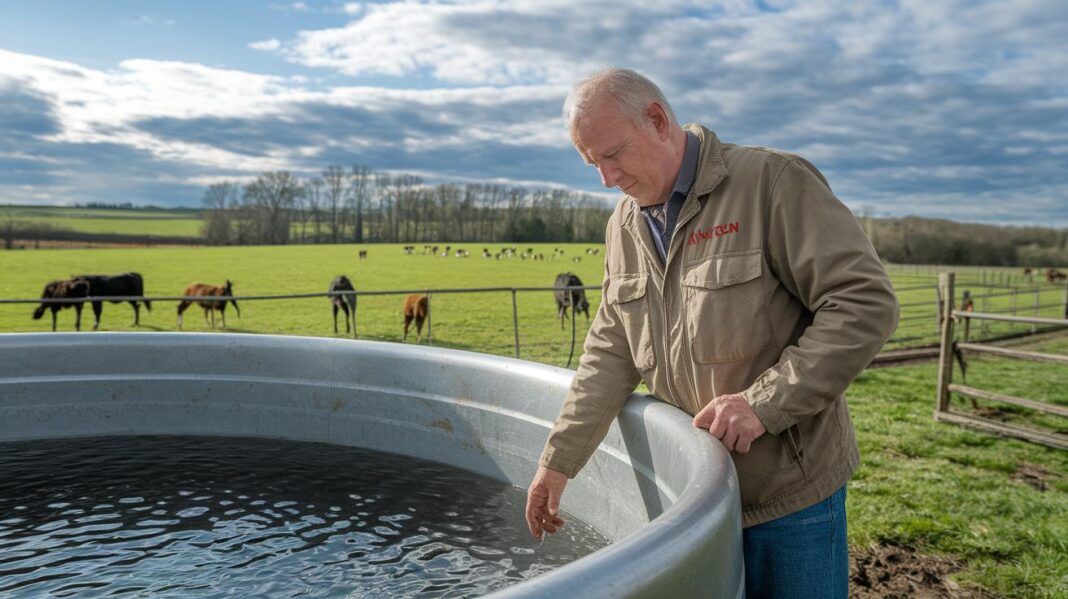

Ever wonder if a plain tank could transform your farm’s animal care? These husbandry tanks might look simple, but they have neatly hidden tricks for watering, waste sorting, and even a bit of aquaculture magic.
Imagine a tank that feels as dependable as the gentle flow of a stream. It keeps water fresh while it sorts out waste like a handy helper. It’s like watching water ripple over smooth stones, a simple setup that makes daily care easier and healthier for your animals.
Next, think of this tank as a loyal friend on your farm. Instead of just storing water, it turns routine tasks into a dependable process that works for farms of every size. Isn’t it amazing how basic water storage can become such an essential partner?
How Husbandry Tanks Support Livestock Watering, Waste Management and Aquaculture
Husbandry tanks are like the sturdy workhorses of the farm world, built to help water animals, collect waste, and support aquaculture setups. They come in sizes as small as about 100 gallons and can go up to a whopping 10,000 gallons, making them perfect for anything from a cozy rural farm to a bustling commercial operation. Picture a 300-gal tank on a dairy farm, with its clever filtration system keeping the water sparkling clean all day long.
When it comes to fish farming, these tanks have two main looks. Some are static, just holding water like a calm pond, while others are dynamic flow-through raceways where water keeps moving. That constant flow refreshes the water with oxygen and sweeps away waste, helping fish stay healthy and thriving. It’s a bit like how a gentle current helps a river keep its water fresh.
Built to last, these tanks are made with heavy-duty materials and finishes that resist corrosion, even when facing harsh weather or tough chemical cleaning. This means they can stick around for years without needing a big overhaul. Whether on a dairy farm, a goat pen, or in a fish-rearing setup, these tanks keep the water just right for the animals.
With built-in water treatment and versatile designs, husbandry tanks are a smart, all-in-one solution for keeping farm operations running smoothly. They make everyday tasks easier by ensuring water stays clean and waste is managed effectively, so every animal gets the care it deserves.
Husbandry Tanks: Smart Solutions for Livestock Care
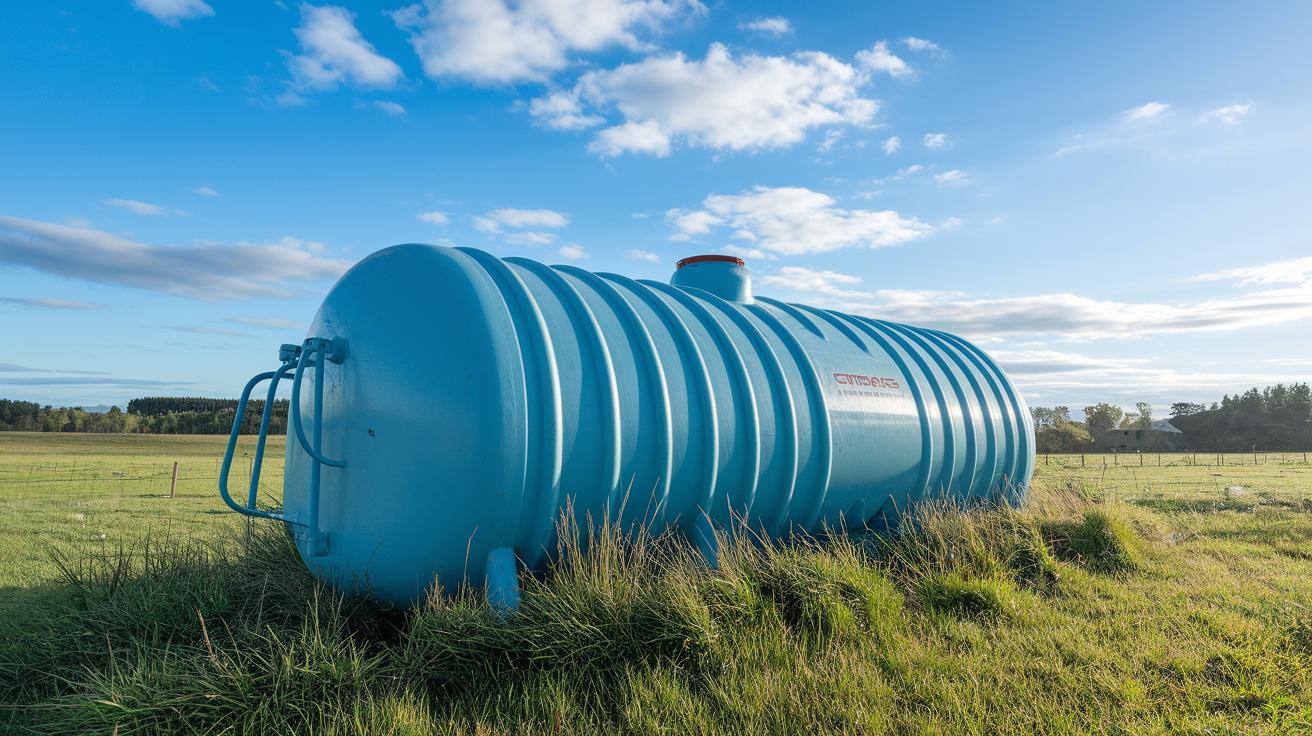
When it comes to caring for your livestock, choosing the right tank is like finding the perfect home for your fish. There are many types of husbandry tanks, and each one brings its own benefits for long-lasting performance and easy upkeep.
Steel tanks can last over 20 years, but they need extra care against rust when used in rough environments. Fiberglass tanks, on the other hand, are lighter and easier to maintain, which makes them a hit if you need to move your tank around a lot. Plastic tanks made with UV-stabilized HDPE cost less per gallon, making them a smart pick for small spaces and tighter budgets. And if you're in a cold area, insulated composite tanks do a great job keeping the water at a steady temperature so your animals stay cozy.
Here's a small example to help you decide: Imagine choosing between a sturdy work truck and a nimble scooter. One is built to handle heavy loads over long distances, while the other is budget-friendly and perfect for local trips.
Below is a comparison guide that breaks down each material by durability, cost, and best use:
| Material | Durability Rating (years) | Typical Cost per Gallon | Ideal Application |
|---|---|---|---|
| Steel | 20+ | $2–$4 | Large livestock camps |
| Fiberglass | 15–25 | $1.50–$3 | Portable units |
| HDPE | 10–15 | $1–$2 | Small pens, mobile modules |
| Composite Insulated | 15–20 | $3–$5 | Climate-controlled use |
Installation Guidelines and Routine Maintenance for Husbandry Tanks
Start by choosing a spot that's as steady as a calm pond. Get your base nice and level, mark out a clear perimeter, and secure a few anchor points to keep everything safe. Next, connect your tank’s plumbing by setting up inlet lines, overflow channels, and drainage valves, these parts work like the gentle currents in your favorite stream, making sure water flows well and unwanted waste drifts away.
When it's time to pick a filtration system, aim for one that pumps about 1–2 gallons per minute for every 100 gallons in the tank. This steady flow keeps the water sparkling clear and the little ecosystem feeling happy and balanced, just like a well-tended reef.
Cleaning your tank is a bit like tending to a garden. Follow the trusted steps to remove muck and control biofilm buildup, which not only keeps your water top-notch but also makes your equipment last longer. Think of it as a way to pamper your aquatic friends and protect your investment.
| How Often | What to Do |
|---|---|
| Weekly | Backwash the filter and check the media |
| Monthly | Inspect weld seams and valves |
| Quarterly | Calibrate sensors (pH and water level) |
| Biannually | Drain the tank and run a disinfect cycle |
| Annually | Overhaul the pump and replace seals |
| Seasonally | Touch up coatings on steel units |
By following these steps with care, you'll keep your tank running as smoothly as a gentle stream and your aquatic buddies thriving every day. Isn't it amazing how a well-cared-for tank can reflect the calm, rhythmic beauty of nature?
Custom Husbandry Tank Systems for Cattle, Goats and Fish Farming
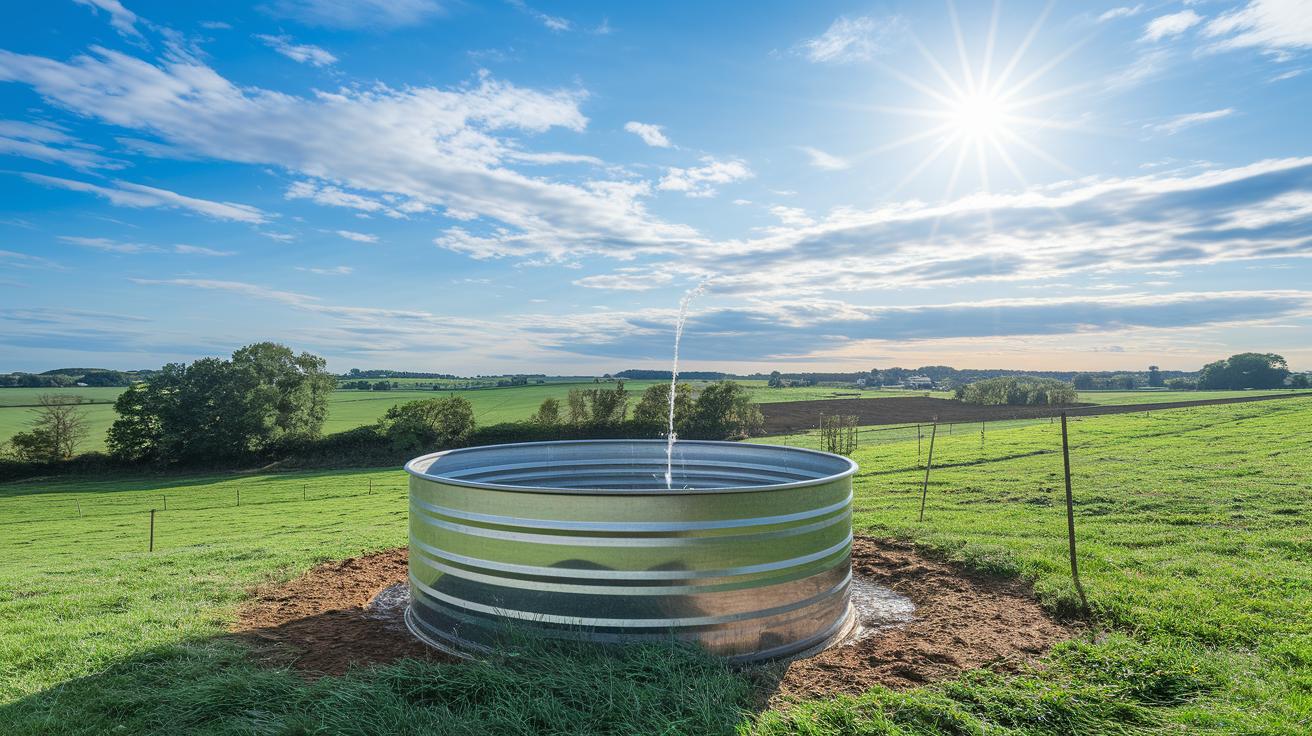
Cattle Watering Tank Systems
These watering tanks keep your cattle happy and hydrated. They work with float valves that automatically add water when levels drop. You can choose tanks from 500 to 2,000 gallons made with stainless steel or a protective coating to ward off rust. Picture a sturdy water station on a sunny farm, gently refilling like the soft drip of early morning dew.
Modular Goat Rearing Units
These units are built to be as flexible as your daily routine. They usually hold between 100 and 500 gallons, making it easy to move them from one field to another. Many include slide-in dividers so you can easily separate the goats when needed. With portable trailer mounts and built-in water troughs, your goats will always have fresh water at hand. Think of it as a smart, mobile water station that travels along with your herd.
Aquaculture and Fish Farming Enclosures
Aquaculture tanks are designed to meet the very needs of fish farming. They often sport raceway systems that deliver a steady flow of water – about 2 to 5 gallons per minute for every pound of fish. With recirculation pumps keeping the water clear and waste channels removing debris, the system works like a smooth, natural stream. It’s like watching a lively river where water flows steadily to support a vibrant underwater community.
Automation and Monitoring Technology in Husbandry Tanks
Modern husbandry tanks now benefit from smart automation systems that work like a smooth current to keep your water pristine. These systems use friendly control panels that keep an eye on pH, temperature, and water levels through simple IoT sensors, think of them as digital guardians that show you exactly how your tank is doing at any moment. When it's time for a little boost, automatic disinfectant dosing adds just the right chemicals, cutting down on manual work and ensuring your water stays clean and safe. Plus, wireless sensors send real-time alerts when anything seems off, so you can dive in and solve issues right away.
Energy-saving pump drives, complete with options like solar-power panels, help lower running costs while keeping a steady water flow. This clever technology takes care of regular maintenance and constantly updates you on your tank’s status, letting you focus on other things you love. It really feels as natural as watching a gentle ripple glide over a quiet pond.
Key automation features include:
• An IoT-enabled dashboard for an easy multi-tank view
• Automatic pH balancing with precise chemical dosing
• Remote alarms for low-water levels or high turbidity
• Options for solar-powered or variable-speed pumps
• Mobile app control alongside handy data logging
Smart automation turns everyday tank management into a breezy task by providing clear alerts and precise control to save time and cut costs.
Cost Comparison and Selection Criteria for Husbandry Tank Solutions
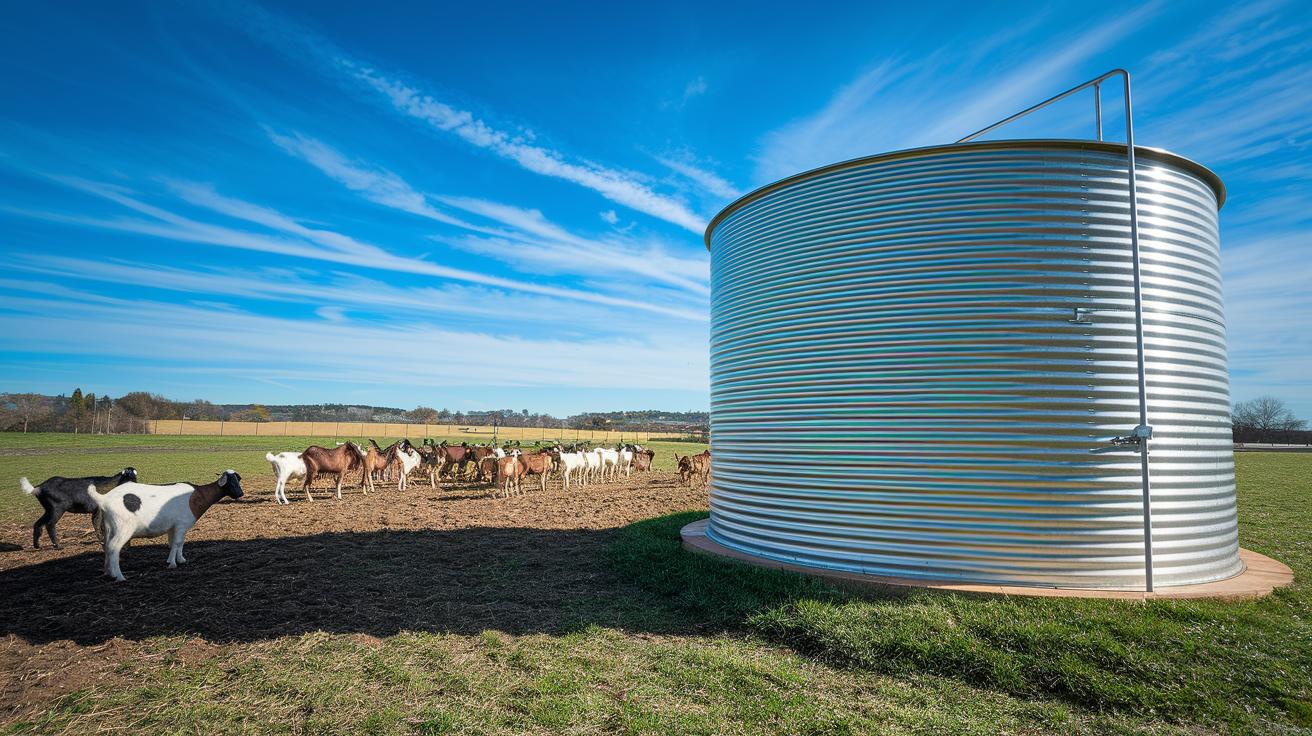
When you’re picking a husbandry tank, it’s smart to look at both the cost and how well it works. Think of it like choosing the right tool for your favorite aquarium project. Small tanks, which hold between 100 and 500 gallons, usually cost about $500 to $1,200. They’re great for setups that move around easily or for keeping a small herd.
If you need a bit more space, medium tanks might be just the ticket. These tanks hold from 500 to 2,000 gallons and cost roughly $1,500 to $3,500. They often come with basic automation and filtration, a bit like the gentle hum of a well-tuned filter that makes daily care a breeze.
For larger needs, big tanks that hold between 2,000 and 10,000 gallons are built from strong, welded steel with a protective coating. They run between $4,000 and $15,000 and are perfect for commercial uses like aquaculture or managing large livestock.
A few key details can tip the balance on price, such as the tank material, how much the system automates itself, and even the warranty period. Think of these as the special ingredients that mix together to create the perfect solution for your operation.
| Tank Size | Capacity Range | Price Range | Best Use |
|---|---|---|---|
| Small | 100–500 gal | $500–$1,200 | Portable or small herd |
| Medium | 500–2,000 gal | $1,500–$3,500 | Mid-scale dairy or goat pens |
| Large | 2,000–10,000 gal | $4,000–$15,000 | Commercial livestock or aquaculture |
Final Words
In the action, we explored how smart design blends with practical tips for constructing reliable solutions. We looked at material selection, installation best practices, and even automation for smooth operation. Each section offered clear ideas to create a comfortable underwater setup and efficient livestock care. With detailed comparisons and cost insights, the focus stayed on balancing aesthetics with a robust water management system. Bringing together expert guidance and innovative tips, your future projects with husbandry tanks promise a bright and balanced aquatic environment.
FAQ
FAQs
Husbandry tanks for sale
Husbandry tanks for sale refer to water vessels designed for livestock and aquaculture use that come in various sizes and materials. They serve as a key addition to effective farm management systems.
Husbandry tanks Severance
Husbandry tanks Severance suggests a product model built with extra durability and specialized features for rugged farm use. It typically focuses on reliable water storage and waste management functions.
Husbandry tanks goats
Husbandry tanks goats are water storage vessels specifically designed for goat rearing operations. They help manage watering needs efficiently and support the overall care of smaller livestock.
Fish husbandry
Fish husbandry relates to the setup and management of aquaculture tanks used in fish farming. These systems maintain water quality, control flow rates, and ensure a healthy environment for aquatic species.
Animal husbandry
Animal husbandry means caring for and managing livestock with practical systems, including specialized tanks for watering and waste management. It plays a crucial role in maintaining animal health and productivity.
What is a husbandry tank?
A husbandry tank is a water vessel built for farming applications like livestock watering, waste collection, or recirculating aquaculture. It features strong, corrosion-resistant construction and integrated filtration for efficient operation.
What is a husbandry tank severance?
A husbandry tank severance indicates a specific model or design featuring advanced, rugged construction for specialized farm needs. These tanks are engineered for durability and precise management of water in demanding conditions.
What does husbandry mean in animals?
Husbandry in animals refers to the practices of managing farm animals, including feeding, watering, and housing them. It emphasizes techniques that promote health and productivity through practical care systems.
Why are some tanks called breeder tanks?
Tanks called breeder tanks are designed to create optimal conditions for breeding. They feature controlled water flow, temperature regulation, and integrated filtration to support the reproductive health of livestock.