

Ever wondered if live aquarium plants can be both vivid and low-maintenance? They bring a calm, underwater charm to your space while naturally cleaning your water. It's pretty neat how some plants thrive even in dim setups, you might just be surprised at how easy they are to care for.
Today, let's dive into a few sturdy plant picks that will add life and balance to your tank. Stick around as we share simple tips and a clear guide to creating your very own dreamy underwater oasis.
Recommended Live Aquarium Plants for Beginners
Live aquarium plants bring a burst of nature to your tank and help keep the water clean, while giving your fish lovely hiding spots. They create a calming, natural scene that makes your aquarium feel like a little underwater paradise. These eight plants are perfect for beginners because they flourish even in low-light setups and don’t demand a lot of fuss.
Each plant here was picked for its toughness and ability to thrive in conditions that many aquarists face, like dimmer light and simple care needs. Below, you’ll find a handy guide that tells you a bit about where each plant comes from, the light it prefers, how fast it grows, and a simple care tip to keep your underwater garden balanced and lively.
- Java Fern (Microsorium pteropus, Asia, low light, slow growth): Stick its base onto driftwood or rocks so it doesn’t start to rot.
- Anubias barteri (West Africa, low light, slow growth): Set it on decorations and don’t cover the base with substrate to keep it healthy.
- Amazon Sword (Echinodorus bleheri, South America, medium light, moderate growth): Use root tabs beneath the soil to feed it, which makes for lush, large leaves.
- Java Moss (Taxiphyllum barbieri, Southeast Asia, low light, moderate growth): Tuck loose strands onto décor to form a charming green carpet.
- Cryptocoryne wendtii (Sri Lanka, varied light, slow growth): Feed it with root tabs every few months so it can take in more nutrients.
- Marimo Moss Ball (Multiple regions, low light, slow growth): Roll it gently during water changes so every side catches a bit of light.
- Vallisneria (Various regions, medium light, fast growth): Give it plenty of room to spread its runners and form a bright underwater meadow.
- Hornwort (Ceratophyllum demersum, various regions, adaptable light, fast growth): Let it float around freely in the water so it can grow quickly and naturally.
Aquarium Lighting Setup for Live Planted Tanks

Lighting is super important for making your live aquatic plants grow well while keeping energy use low. For beginners, the right light setup not only makes your plants look bright and vibrant but also helps them make food through photosynthesis. Aim for about 8 to 10 hours of light each day with roughly 2 to 5 watts per gallon to keep a balanced underwater garden. Depending on your tank, you can choose from different lighting types that match the needs of your low-light plants.
Fluorescent Lighting
Fluorescent lighting is a friendly choice if you're just starting out in the aquarium world. T5 tubes (5/8 inch thick) and T8 tubes (1 inch thick) give a full light spectrum between 5000 and 7000K, which is great for plant growth. To keep the light bright and steady, it helps to change the bulbs every 9 to 12 months. Imagine your tank like a serene underwater forest where every branch is kissed by a soft, calming glow.
LED Lighting
LED fixtures are an energy-smart option that can last for over 50,000 hours. They create very little heat and let you adjust the brightness to suit the specific needs of your plants, even if some species prefer a gentler touch. Think of it like dimming the lights for a perfect evening ambiance, so every leaf gets its fair share of light while keeping the tank comfortable and efficient.
Selecting and Layering Substrate for Easy Aquatic Flora
When setting up your planted aquarium, the right base is like a soft bed for your aquatic plants. Try using 1–2 inches of nutrient-rich plant soil and covering it with 1–2 inches of plain gravel. The plant soil holds vitamins and minerals your plants love, while the gravel helps water move easily through the tank. It’s a simple and friendly way to prepare a cozy home for your underwater life.
This layered approach is like giving your plants a balanced snack and a safe home at the same time. The soil at the bottom stores essential trace minerals, and the gravel on top stops the soil from getting too squished. It’s a bit like laying down a soft rug over a sturdy floor, perfect for those new to creating a lively aquatic scene.
| Substrate Type | Advantages | Usage Tips |
|---|---|---|
| Gravel | Helps water flow and stops compaction | Spread evenly on top |
| Plant Soil | Loaded with nutrients and trace minerals | Best used as the bottom layer for feeding roots |
| Layered Soil-Gravel | Merges nutrient storage with smooth water circulation | Start with soil and cover with gravel to hold in goodness |
Using this method makes keeping your tank a breeze. With a rich soil base and a clean gravel top, your plants can grow strong and deep while the water stays fresh. It's like creating a small, thriving oasis underwater, a perfect setup for enjoying nature's beauty every day.
Basic Fertilization and Nutrient Management for Beginner Tank Flora
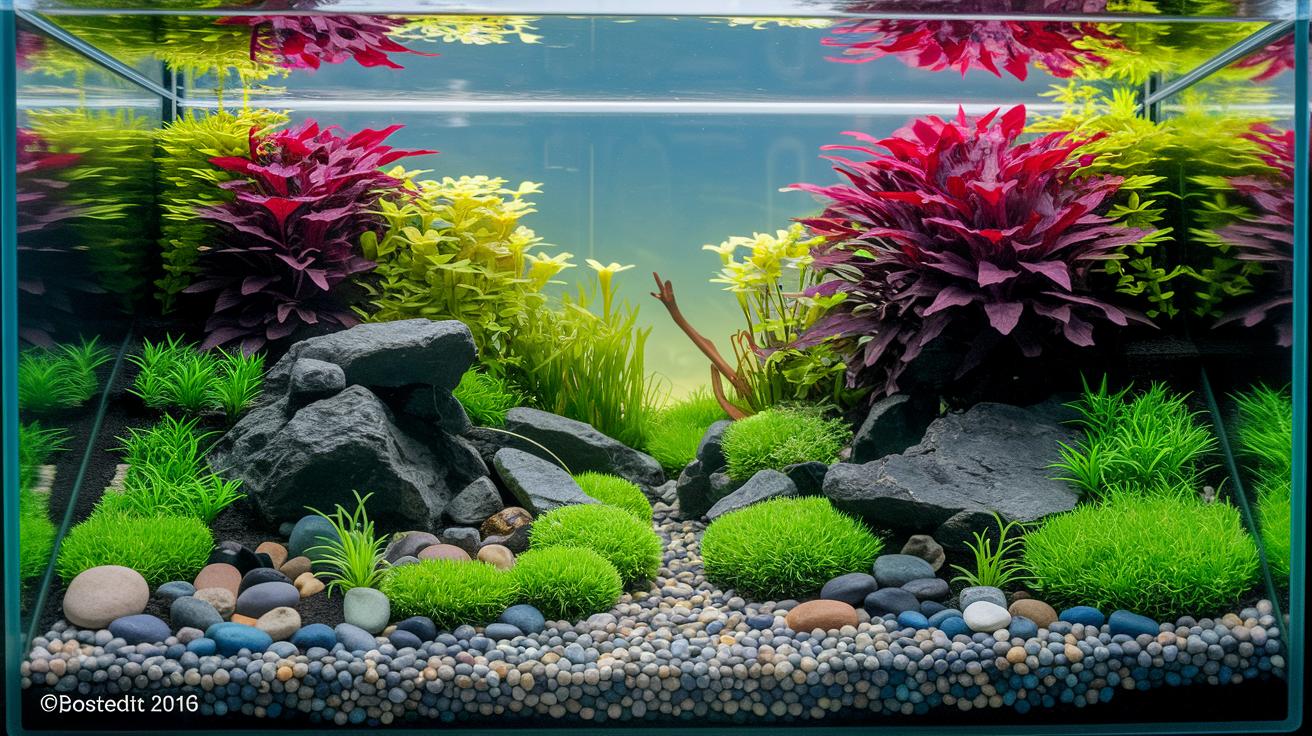
Nurturing your aquatic plants is like caring for a gentle underwater garden. When your plants miss out on the nutrients they need, they can develop holes, change colors, and not grow as well. This simple guide helps you pick the best fertilizer to keep your plants healthy and your tank looking lively. Whether you have a lush, busy tank or a more relaxed setup, balanced feeding is key to a vibrant underwater scene.
Substrate Fertilizers
Substrate fertilizers are a favorite for tanks filled with plants. They slowly release nutrients into the soil over time, much like a steady rain that nourishes the roots. Imagine creating a hidden layer of goodness beneath the gravel that keeps your plants happy and strong for years.
Tablet Fertilizers
Tablet fertilizers act like a concentrated snack for your plant roots. Every 2 to 3 months, these tablets supply a focused dose of nutrients, making sure the essential vitamins reach deep into the soil. A little tip: pop these tablets into the substrate right near the base of your plants, and let them work their magic gradually.
Liquid Fertilizers
Liquid fertilizers are like a weekly vitamin boost that circulates through the water, giving your plants the extra nourishment they need. This method works great for tanks with lower light levels, though it might fall short for heavier feeders like the Amazon Sword. Just apply a little at a time to keep your underwater garden lush and thriving.
Ever notice how a well-fed aquarium creates a peaceful, watery haven in your home? Enjoy the process of watching your plants flourish with a little care and the right nutrients.
Water Quality Essentials for Healthy Live Aquarium Plants
Live plants in your aquarium help keep the water clean and fresh by soaking up extra chemicals like ammonia, carbon dioxide, and nitrates that might cause algae to bloom. Keeping your tank's pH between 6.5 and 7.5 is key for the health of your plants and fish. A general hardness (GH) of 3 to 8 dGH means your water has the minerals needed for steady growth, and a temperature between 72 and 78°F creates a cozy home. All these settings work together to help your plants grab the nutrients they need, creating a welcoming underwater world.
Good water flow is just as important as the right water mix. When your aquarium water moves gently but steadily, it spreads oxygen and nutrients evenly so each plant can soak up everything it needs to grow. A smooth, continuous current is like a calm stream that keeps every corner of your tank lively. This careful circulation brings in tiny amounts of essential trace elements, boosts oxygen levels, and stops any dead patches that might let algae thrive. In a tank like this, your live plants flourish, making your underwater garden not only healthy but also stunning to look at.
Simple Aquascaping Techniques for Novice Underwater Gardens
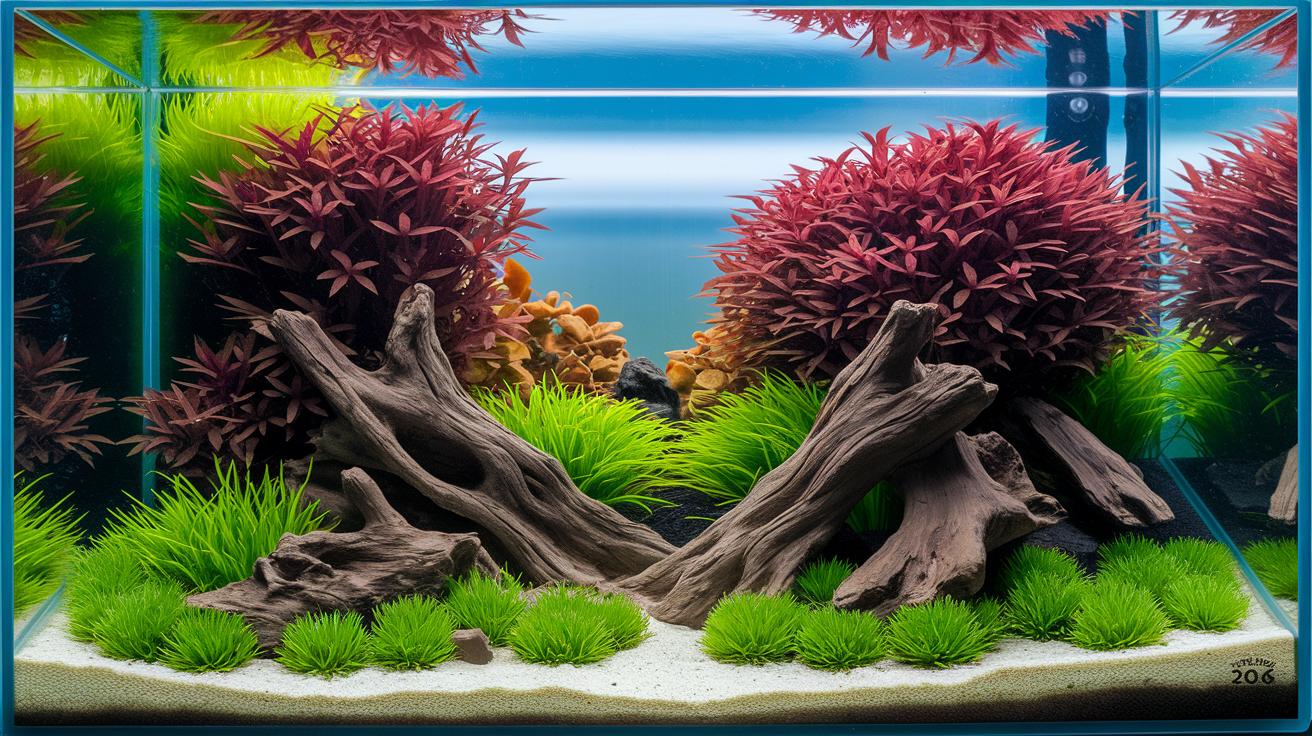
Imagine your aquarium as a living painting. Start by splitting your tank into three sections: one area for tall background plants, another for medium midground species, and a final spot for low, carpet-like plants at the front. In this setup, the tall plants form a gentle backdrop, the mid-sized ones add texture, and the low carpets invite you in like a cozy welcome. Driftwood and rocks serve as natural stage pieces, adding depth and helping both the plants and fish feel at home with clear sightlines and a sense of security.
Next, think about anchoring those delicate mosses and ferns without any fancy tools. A simple trick is to tie them gently with some thread or use a small dab of aquarium-safe glue to secure them to a rock or piece of driftwood. This method holds everything in place while still giving your green friends room to grow and sway with the water’s flow. With a bit of creativity, you can create a vibrant, balanced ecosystem that feels as natural as a soft ripple on a sunny day.
Routine Maintenance and Troubleshooting for Beginner Planted Aquariums
Having a steady routine makes your tank a cozy home for all your aquatic friends. Every week, change about 25% of the water to keep chemicals low and fresh nutrients on the way. Clean your tank’s glass so you can always enjoy a crystal-clear view of your little underwater garden, and use a gravel vacuum to sweep away any hidden debris among the plant roots. Every couple of weeks, trim any overgrown spots to let light and nutrients reach every single plant. Think of it like caring for a small garden, regular cleaning and a little pruning help everything flourish.
Keep an eye out for signs that your tank might need a little extra love. For example, yellowing leaves could mean your plants are missing some key nutrients or that your fertilizer isn’t spreading evenly. If you notice an algae bloom, it might be because of too much light or extra nutrients, so try adjusting the light or cutting back on the fertilizer. And if you spot a sudden drop of Cryptocoryne leaves, often called crypt melt, it’s a good idea to test your water’s settings and maybe slow down any big changes. This way, you give your plants the best chance to settle back into a healthy rhythm.
Where to Purchase Live Aquarium Plants for Beginners
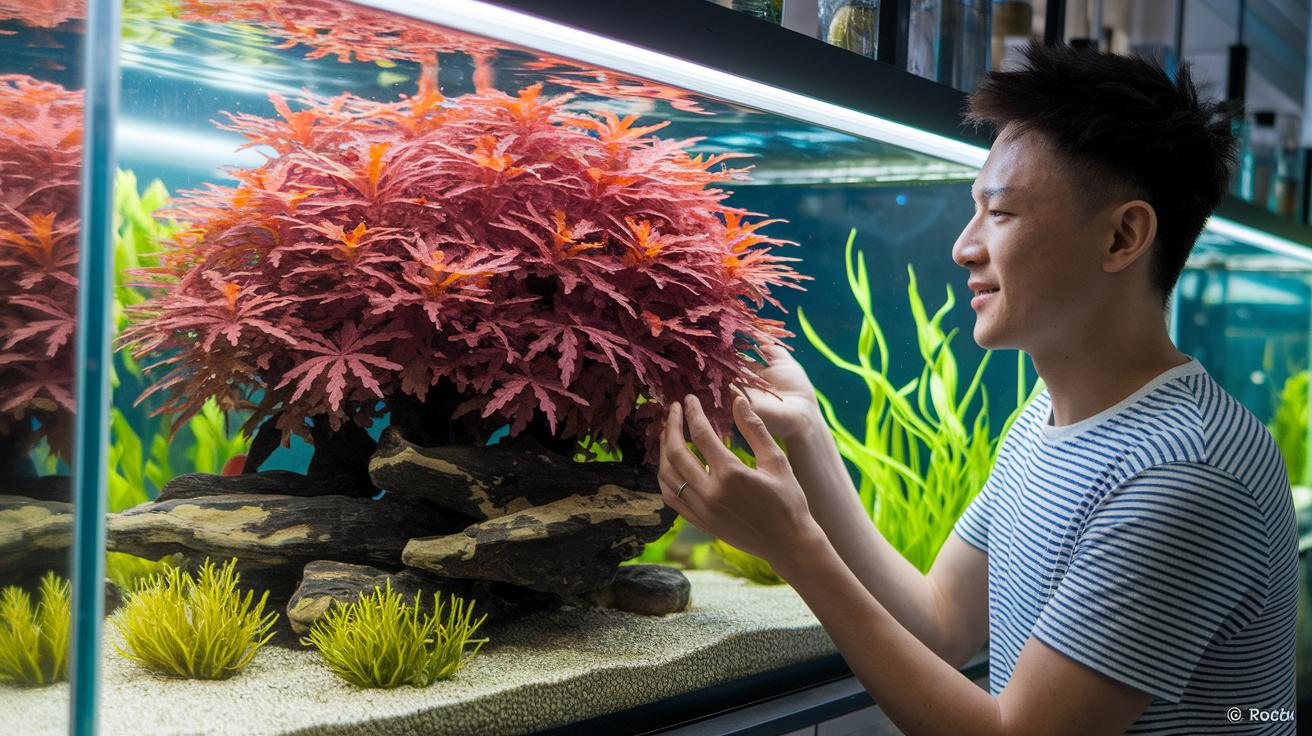
Local fish stores let you see and touch live aquarium plants before you buy them. When you visit, you can check each plant up close to make sure it looks healthy and free from pests. You also get friendly, in-person advice, plus the plants have already adjusted to your local water conditions.
On the other hand, shopping online gives you access to many more options and often better prices. Just be sure that if the temperature is over 80°F, the seller packs your order with a cold pack so the plants stay fresh during shipping.
Before you click “buy,” take a minute to look at the store’s reviews and check the plant descriptions and photos. It’s smart to use a trusted source, like aquarium plant supplies, to help your underwater garden thrive right from the start.
Final Words
In the action, we discussed a range of topics from choosing beginner-friendly species and setting up proper lighting to layering substrate and managing nutrients. We covered smart aquascaping tips, routine care, and troubleshooting techniques that keep your tank crisp and clear.
This guide gives you a handy roadmap for a neat and vibrant underwater scene. With these insights, you’re set to create a thriving tank with live aquarium plants for beginners that brings calm and charm every day.
FAQ
Where can I find live aquarium plants for beginners near me?
The live aquarium plants for beginners near me inquiry means you can visit local pet stores, aquarium specialty shops, or trusted online retailers to find quality, beginner-friendly species suitable for your tank.
What are the best live aquarium plants for beginners?
The best live aquarium plants for beginners answer points to hardy species like Java Fern, Anubias, and Java Moss that thrive in low light and simple setups, making them great for first-time aquarists.
What aquarium plants are easy to care for without added CO2?
The easy aquarium plants no CO2 inquiry suggests choosing plants such as Java Fern, Anubias, and Java Moss, which thrive naturally without extra CO2 supplementation and are well-suited for beginners.
Which small aquarium plants suit beginners?
The small aquarium plants for beginners question highlights compact species like Java Moss and dwarf Anubias that fit well in smaller tanks and are simple to maintain for novice aquarists.
Can live aquarium plants thrive in a freshwater aquarium?
The best live plants for freshwater aquarium query means that species like Java Fern, Amazon Sword, and Cryptocoryne flourish in freshwater setups when given proper light, substrate, and care.
Are there easy aquarium plants that do well in gravel substrates?
The easy aquarium plants for gravel question points to species like Java Fern and Anubias, which can be secured on driftwood or rocks and perform well even when placed on a gravel base.
Where can I purchase live aquarium plants with free shipping options?
The live aquarium plants for sale and free shipping query means many reliable online retailers and local stores offer competitive shipping promotions; check reputable vendors to ensure quality and secure delivery during shipping.
How do I start an aquarium with live plants?
The how to start an aquarium with live plants question advises you to choose beginner-friendly species, set up proper lighting, add nutrient-rich substrate, and gradually introduce your plants to enjoy a balanced underwater garden.
Can I just place plants directly into my fish tank?
The can you just put plants in a fish tank inquiry means that you can indeed add live plants directly into your tank, as long as you prepare a suitable substrate and maintain proper water quality for healthy growth.
What live plants should I add to my fish tank?
The what live plants should I put in my fish tank question suggests selecting species like Java Fern, Java Moss, Anubias, and Cryptocoryne, as these plants are resilient, low-maintenance, and ideal for a beginner setup.