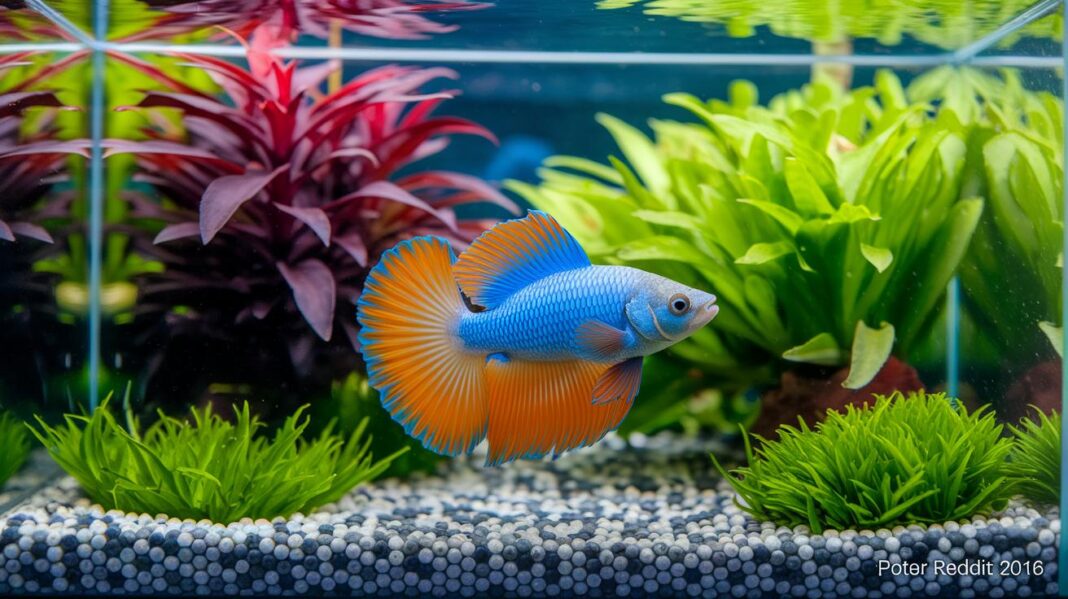

Ever wonder if your betta fish can grow bigger than you imagine? These little swimmers pack a punch during their early months, growing quickly much like a tiny seed that bursts into a blooming plant. They start as small, quiet fry and soon become bright, active creatures full of life. Today, we explore how their early development shapes those dazzling colors and playful energy. With a bit of extra love and care, even the tiniest betta can truly surprise you.
Betta Fish Growth Overview: Size Increase Over Time
Betta fish do grow, and most of their growth happens during their first year. They keep lengthening after they hatch, with a fast burst of growth from about month four to seven when they're almost fully mature. With the right care, these fish usually grow to about 2.5 to 3 inches long, though some bigger varieties can tip the scales at over 4 inches. It’s a bit like making your favorite recipe: having a cozy tank, a balanced diet, and regular water changes are the secret ingredients that help these little swimmers grow strong and colorful. I remember a fellow hobbyist saying his betta nearly doubled its size in just a few months with lots of loving care.
Even though bettas continue to grow throughout their lives, those early months really set the stage for their bright colors and playful energy. Keeping up with routine tank maintenance during this time not only helps them reach their full potential but also keeps them healthy. So, little changes in tank size and water quality can make a big difference as your betta becomes more active and lively over time.
Developmental Stages in Betta Growth Timeline
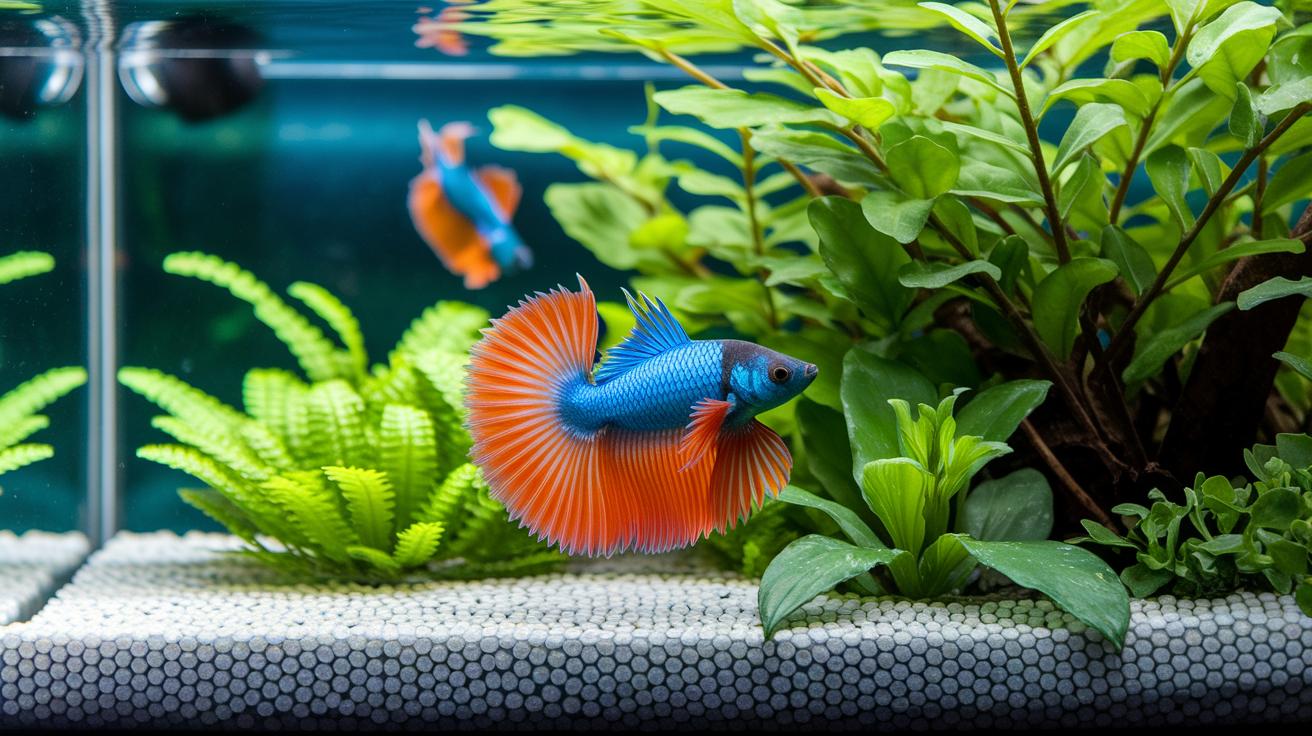
Watching a betta fish grow is like seeing a tiny ripple become a lively current. These fish go through clear stages as they change in shape and behavior. When the tank conditions are just right, your little betta transforms very quickly, and it’s exciting to see!
During the very first month, known as the Fry Stage, the baby betta starts growing its important parts. Its organs and fins are forming fast, setting up the basics for everything that comes next.
As your betta moves into the Juvenile Stage, between one and four months old, you'll notice its body nearly doubling in length. This is when its features become more obvious, kind of like a sketch gradually filling in with color.
Next comes the Subadult Stage, around four to six months. In this phase, bettas get even more active. Their bodies continue to grow, and slowly, a burst of bright colors begins to show, like the gentle shimmer of morning light on water.
By the time your betta reaches the Adult Stage, roughly six to seven months in, it has grown to its full size. With steady care, its overall health stays strong, giving you a confident and vibrant pet to enjoy.
Proper care during these fast-growing months makes all the difference. A calm, stable tank, a balanced diet, and regular cleaning can help your betta thrive. It's truly remarkable how quickly these little fish can grow into stunning adults!
Average Size of Adult Betta Fish and Growth Progression
Adult bettas usually grow to about 2.5 to 3 inches from their snout to where their tail begins. With a bit of extra care and a cozy, well-set-up tank, some of these fish can get even bigger, some even pushing past 4 inches. In the wild, bettas tend to be about the same size, though their fins don't flourish as much.
| Stage | Size Range (inches) |
|---|---|
| Standard Adult | 2.5 – 3 |
| Giant Variety | Over 4 |
I once saw a betta that really thrived when given extra attention. It was a great reminder that the right tank setup and care can make a world of difference in a fish’s growth.
do betta fish grow: They Exceed Expectations
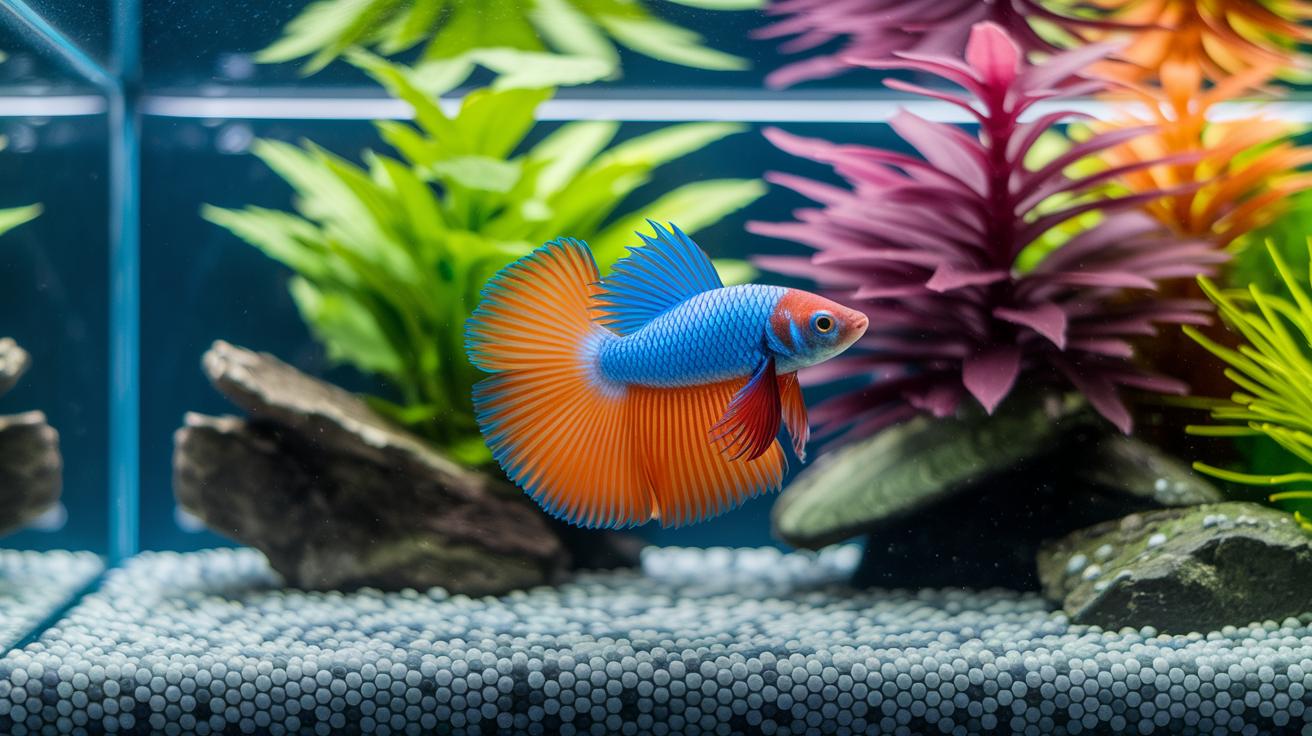
Bettas truly blossom when they have plenty of room. A tank of at least 5 gallons gives them enough space to glide and show off their natural grace. In a larger tank, say 10 or even 20 gallons, your betta feels free and less stressed. When their environment is calm, they use their energy to grow and flash their vivid colors, just like a surprising win in a friendly game.
Regular water changes help them thrive. Changing about 20% of the water every other day sweeps away waste and extra chemicals that might slow down their growth. A good filter catches tiny bits and keeps the water sparkling clean. Think of it as a gentle freshening-up that lets your betta focus on being healthy and strong.
Stability in water temperature is key too. Bettas are happiest when the water stays between 72 and 83°F. This comfortable range helps their body work well, much like the calm rhythm of water over smooth stones. With a steady temperature, their body soaks up nutrients better, which means steady growth and a lively burst of color.
When tanks get too crowded or aren't tidied up, bettas can feel stressed and may not grow as much as they should. Too many fish or a messy tank can make them shrink back, stopping them from reaching their full potential. So, giving your betta a clean, spacious home lets them truly shine.
Nutrition and Diet for Optimal Betta Growth
High-protein foods like bloodworms, earthworms, and freeze-dried brine shrimp give your betta the building blocks it needs to grow strong muscles and show off dazzling fins. Think of these nutrients like the special ingredients in your favorite meal; they make your fish livelier and its colors pop.
Feeding your betta small amounts two or three times a day keeps it light and helps with steady nutrient absorption. It’s a bit like enjoying a perfectly balanced snack throughout the day, your betta gets just the right flavors without feeling overly stuffed. I once heard a fellow aquarist mention how this steady routine made their betta swim with extra energy.
A diet built on vitamin-packed pellets forms the main dish of a healthy meal plan. Then, every now and then, a live or freeze-dried treat adds an extra burst of goodness. This balanced approach supports not only a robust body but also the vibrant colors that make bettas such a joy to observe.
Gender Differences in Betta Fish Growth Patterns
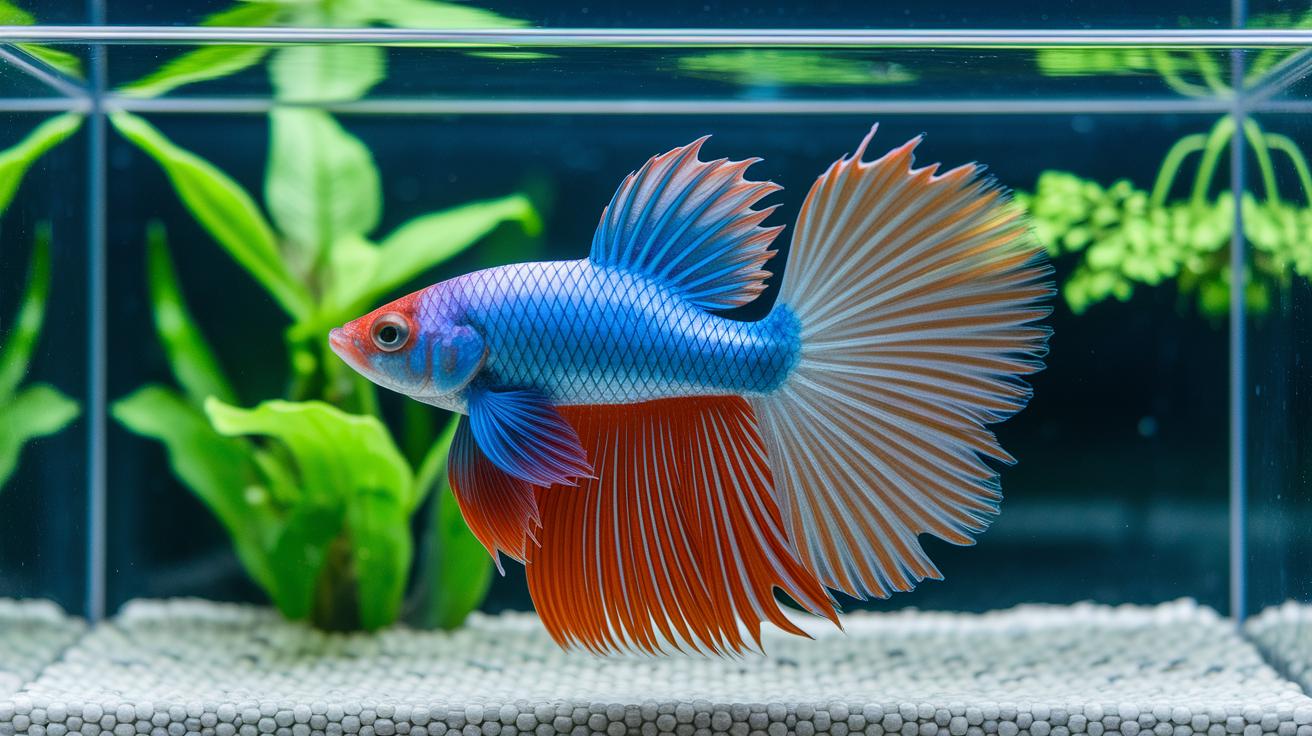
Male bettas bring a burst of color and lively fins that really stand out. Their fins often seem larger and more intricate, kind of like a brilliant flash in a clear, shallow stream. Meanwhile, the females sometimes grow a bit faster early on, giving them a little head start before settling into a more steady pace.
When you measure their overall body length, both males and females usually fall between 2.5 and 3 inches. Even though the males may seem showier with their vivid colors and fancy fins, the body sizes end up being pretty similar. It might feel like the flashy fins mean a bigger fish, but under normal care, both genders are built alike.
These differences can help you decide on tank mates and how to set up your aquarium. For example, you could pair bettas with colors that match or set up spots in the tank that let their fins shine. This thoughtful decorating not only makes each betta feel special but also creates a warm and balanced home for all your aquatic friends.
Wild vs. Captive Betta Growth and Size Comparison
Wild bettas call shallow water homes like rice paddies and gentle streams their own. In these natural spots, where water rarely gets deeper than 2 feet, these fish tend to measure around 2.5 to 3 inches long. Their fins remain small because in the wild, every moment counts, much like a careful runner keeping things compact to stay quick when danger lurks.
In a cozy, well-kept tank, bettas get a chance to truly shine. Here, friendly aquarists build safe spaces where your fish can grow bigger and show off vibrant, flowing fins. Even more exciting, years of careful breeding have given us giant bettas that sometimes exceed 4 inches in length. It’s like watching an artist add bold strokes to a painting, letting the fish display all their natural grace without the worry of wild predators.
For anyone hoping to see their betta flourish, a calm, clean, and spacious tank is the way to go. This peaceful, controlled setting helps the fish grow strong while bringing out those stunning details that make them so special.
Final Words
In the action, the article explored betta growth stages, dietary tips, habitat needs, and even gender differences. We talked about how bettas expand from tiny fry to elegant adults, with the best care coming from attentive tank management and balanced feeding.
Our overview also highlighted wild versus captive sizes and enemy considerations for giant varieties. With every detail laid out, you now know how betta fish grow, and yes, do betta fish grow more than expected? Enjoy applying these insights to keep your aquatic friend thriving.
FAQ
How fast do betta fish grow?
The speed at which betta fish grow is strongest in their early months. Rapid growth happens between four and seven months, before they approach their full size of about 2.5–3 inches.
Do betta fish grow in bigger tanks?
A larger tank helps bettas feel at ease, which can support their full growth. A living space of at least 5 gallons gives them enough room to swim and reduces stress.
How big can betta fish get, and what are their size differences in the wild?
Betta fish typically reach 2.5–3 inches, but some giant strains can grow past 4 inches. Wild bettas tend to have smaller fins due to natural pressures even though their body length stays similar.
What is the typical lifespan of a betta fish?
Betta fish usually live between 2 and 4 years when they receive proper care through a balanced diet, clean water, and a stress-free tank environment.
How big are betta fish in centimeters?
Typically, betta fish grow to about 6–8 cm in body length. Some giant varieties may exceed this, though they are less common in most home setups.
How do I know if my betta is fully grown?
You can tell your betta is fully grown when its size stops increasing, often around 6–7 months of age. At this point, their growth slows and they settle into their adult dimensions.
Why does my betta show a growth spurt?
The growth spurt in bettas happens during the months of rapid development, particularly between four and seven months. This period marks their natural growth phase before they reach full maturity.
What type of tank environment helps betta fish thrive?
Betta fish do best in a tank that is at least 5 gallons, with stable temperatures, regular water changes, and reliable filtration. This setup promotes healthy growth and a calm, colorful display.