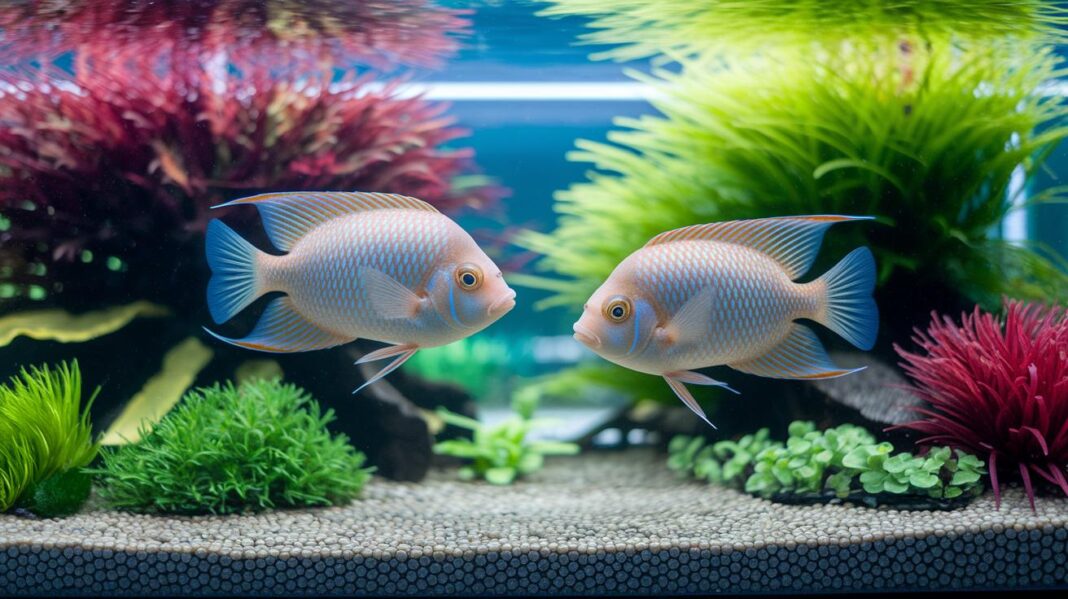

Ever notice your new fish look a bit uneasy when they first arrive? It turns out, a slow change from bag water to tank water can really help them settle in. Think of it like the gentle ripple of water on smooth stones, a careful mix makes their introduction to their new home calm and easy. This isn’t just about blending two types of water; it’s about easing them into new temperatures and conditions. Follow a few simple steps, and soon you'll see your fish feeling right at home.
how to acclimate new fish: serene beginnings
A careful plan can really help your new fish feel at ease in their new home. It turns out that slowly mixing in water from the tank, like the gentle ripple of water on a pond, makes the whole process easier and quicker than you might think. By taking it one step at a time, your fish can adjust to the new water temperature and conditions without too much shock.
- Check your fish's health and float the sealed bag on the tank for 10 to 15 minutes.
- Every 5 minutes, add one cup of tank water to the bag.
- Keep an eye on the water temperature and pH (that’s a measure of how acidic or basic the water is).
- Watch your fish for any signs that they might be stressed.
- Do this water mixing slowly for a total of 20 to 30 minutes.
- Finally, let the fish swim into the tank gently and keep the lights low.
Following these steps helps stop sudden changes in water chemistry or temperature that could stress out your fish. Taking the time to carefully check their health and mix the water gives each little fish plenty of time to settle in comfortably. It’s like letting a gentle tide ease in on a quiet beach, reducing any shock and helping your fish feel safe in their new surroundings.
Preparing Tank Water for Acclimating New Fish

Getting your tank water just right is like setting up a cozy home for your new fish. When the water feels familiar, your fish won’t be as stressed as they settle in. It’s a bit like easing into a warm bath on a chilly day. Taking a few moments to test and adjust the water beforehand makes a big difference.
If you’re setting up a 20 gallon tank, keeping the water flowing steadily helps to keep things stable and calm, much like a gentle stream that never stops moving.
| Parameter | Ideal Range | Units |
|---|---|---|
| Temperature | 76–78 | °F |
| pH | 6.8–7.4 | – |
| Hardness | 4–10 | dGH |
Using dechlorinators and pH buffers is a smart way to fine-tune these water settings. These tools help remove harmful chemicals like chlorine and adjust the pH to create a calm, safe environment. Think of it as setting up a welcoming room where everything is clean and balanced. Taking a few extra minutes now can help your fish grow healthy and happy in their new, peaceful space.
Comparing Acclimation Methods for New Fish Integration
The floating-bag method and the bucket overlay technique are two easy ways to help your new fish settle into their tank. With the floating-bag method, you let the sealed bag rest on the tank’s surface for about 10 to 15 minutes so the water temperature can slowly match. The bucket overlay technique works similarly by slowly adding tank water to the bucket over 20 to 30 minutes, blending the waters gently. Both methods help smooth out the differences in temperature and pH in a safe way, kind of like a soft tide slowly mixing with the shore.
The drip acclimation method is a bit different. You set up a slow drip, about 2 to 4 drops per second, that lasts for 60 to 90 minutes to let the water mix gradually. This method gives you more control over the chemical changes because you can manage the mix very precisely. Even though you need some extra equipment for it, many aquarists find that this careful, slow process really helps lower stress for the new fish.
Species-Specific Acclimation Tips for Betta, Goldfish, Koi, and Shrimp
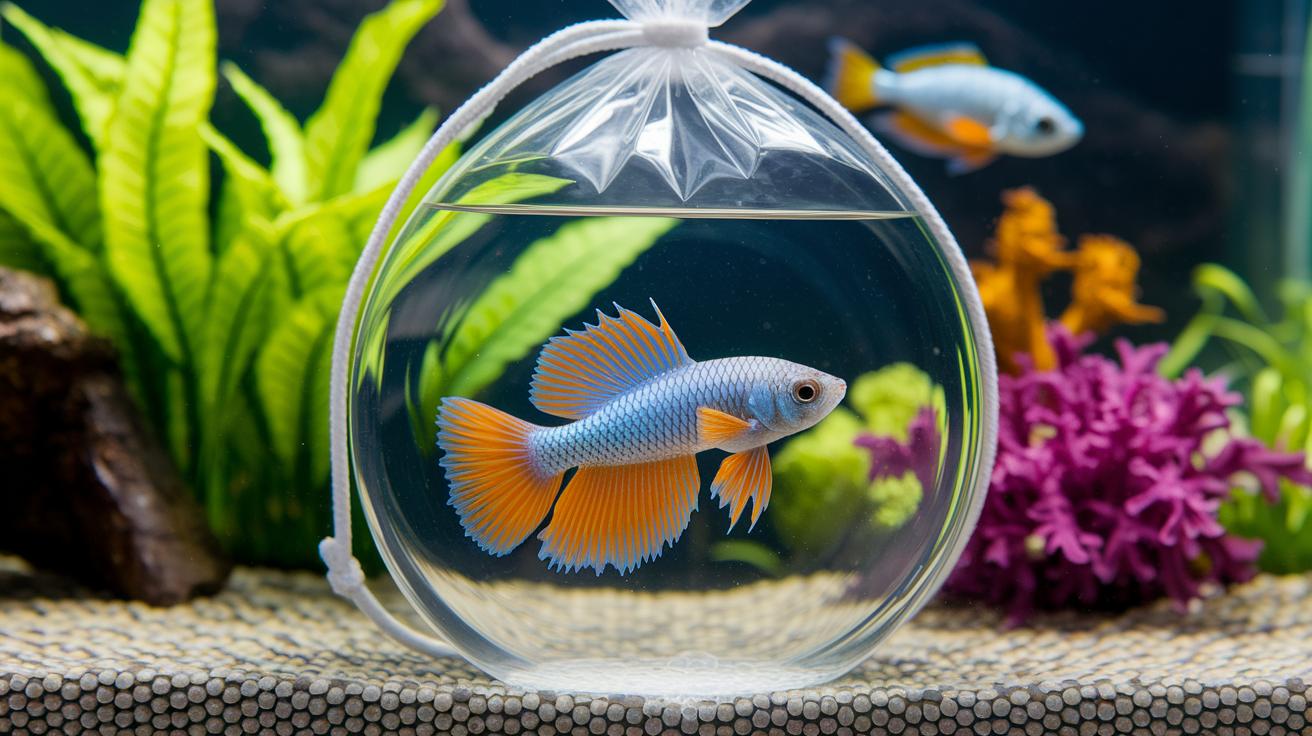
When welcoming a betta into its new home, think of it like easing a friend into a warm, safe pool. Bettas do best with water around 80-82°F and a gentle flow. Start by floating your betta, sealed in its bag, for a few minutes so it can slowly get used to the temperature. Next, mix in a little tank water every few minutes, just you know, like soft ripples on a pond, to balance out the pH and nitrate levels. Using a heater, test kit, air stone, and water conditioner from aquarium fish supplies can make this process even smoother.
Goldfish prefer a cooler space, around 68-72°F, almost like a cool mountain stream. Begin by lowering the bag’s water temperature a little at a time until it matches your tank. Let the water mix gently to balance the pH, just as you’d slowly dip your toes into a cool stream. Keep an eye out for signs like quick fin movements or unusual swimming, which might indicate that your goldfish needs a bit more time to settle. Tools like pH buffers and conditioners from aquarium fish supplies can help make the transition smooth.
Koi, with their calm and graceful nature, appreciate a slow and steady introduction to their new pond-like home. They do best when the water shifts toward a slightly brackish mix. Start by adding a small amount of aquarium salt to help match the pond’s salinity. Allow up to 45 minutes for the process, so the water temperature and salt levels can blend as gently as two streams joining together. Testing the water’s pH and salt balance frequently with a kit can help ensure your koi feel right at home.
Shrimp are very sensitive and love a quiet corner of the tank with minimal water flow. Begin with a drip acclimation method, where water slowly drips into the shrimp’s container, letting them adjust gradually to tiny changes in the water chemistry. After you move them into the tank, let them rest in a calm area that feels as peaceful as a soft tide over smooth pebbles. Using a test kit and water conditioner from aquarium fish supplies can help keep everything just right for your tiny new friends.
Safety Protocols and Stress Reduction When Acclimating New Fish
When you welcome new fish into your aquarium, let their bag sit undisturbed on top of the tank so the water can slowly warm up. This gentle approach helps your new friend stay calm, a bit like placing a log in a quietly flowing stream.
Water conditioners play a big role in this process. They work to remove harmful chemicals like chlorine and heavy metals while adding helpful bacteria that make your tank safer. Think of it as clearing away unwanted debris from a hidden creek, leaving behind a clean, welcoming home for your fish.
Extra oxygen from an air stone or a powerhead helps too. The soft, bubbling flow mixes the water gently, similar to a light breeze over a calm pond, ensuring a smooth and stress-free transition for your new aquatic buddy.
Troubleshooting Common Acclimation Challenges for New Fish

When you introduce new fish, you might see a few hiccups during their early days. Sometimes the water might turn cloudy, the pH might jump around, or nitrites might build up, all signs that the tank's balance is off. You could also notice your fish gasping near the top, zipping around unpredictably, or moving in a shaky way. These signals mean your fish are having a hard time settling into their new watery home. Catching these signs early can help you ease their stress and keep them healthier in the long run.
To help your fish adjust, try a few simple steps. Start by doing a partial water change to lower the nitrite levels and keep the pH steady. You might also add pH stabilizers to smooth out any sudden changes. Lowering the water flow a bit can create a gentler, calmer environment for your new friends. And if your fish still look stressed, moving them to a small quarantine tank might be the best next step. This careful, step-by-step method helps create a smoother transition for your fish, much like letting a gentle current ease you into a peaceful harbor.
Final Words
In the action, this article outlined a gentle, clear process to help fish feel at home. We talked through each step, from gradually mixing water to checking tank parameters, to reduce stress and maintain a balanced habitat. There’s guidance for various species as well as practical safety tips to keep fish safe. Using these tips will show you how to acclimate new fish with ease and care. Enjoy watching your aquarium thrive while giving your aquatic friends a smooth transition into their new home.
FAQ
Frequently Asked Questions
How to acclimate new fish in a tank or without a bag?
The process to acclimate new fish in a tank means slowly mixing their transport water with the tank water over 20–30 minutes. This gradual change helps prevent shock and stress.
How long should fish remain in the bag before being added to the tank?
The process for timing acclimation suggests keeping fish in the bag for about 20–30 minutes while gradually adjusting the water is key to avoiding sudden changes.
How do you acclimate betta fish safely?
The process for betta acclimation starts by floating the sealed container for 10–15 minutes. Then, slowly mix in small amounts of tank water over 20–30 minutes while keeping an eye on the fish.
What happens if you don’t acclimate fish?
The process of not acclimating fish can lead to stress and shock as they may struggle to adjust to different water conditions, making them more vulnerable to illness.
How do you acclimate shrimp?
The process for shrimp acclimation follows a method similar to fish: gradually mix their water with tank water using a drip or small additions over a set time. This careful change keeps the shrimp comfortable.
What is the ideal duration and drip rate for acclimating fish?
The process for timing acclimation usually lasts about 20–30 minutes, with a drip rate of around 2–4 drops per second. This slow change helps the fish adjust smoothly to their new water conditions.